
Views: 222 Author: Tina Publish Time: 2025-11-24 Origin: Site


Content Menu
● What a pool pump actually does
● General daily runtime guidelines
● How to calculate the exact runtime
● Single‑speed vs variable‑speed pumps
● Seasonal and climate adjustments
● Special situations that need longer runtime
● Day vs night: when should the pump run?
● How pump type and filter affect runtime
● Practical daily schedules (examples)
● How your factory's sand filters and pumps help
● FAQ
>> 1: Can I run my pool pump less than 8 hours per day?
>> 2: Is it better to run the pool pump at night?
>> 3: How often should a variable‑speed pump run?
>> 4: Do I need to run the pump during winter?
>> 5: How do I know if my pump runtime is too short?
How often a pool pump should run depends on pool volume, pump flow rate, season, bather load, and whether you use a single‑speed or variable‑speed pump, but most residential pools need about one full water turnover per day, which typically means 8–12 hours of runtime.[1][2][3]
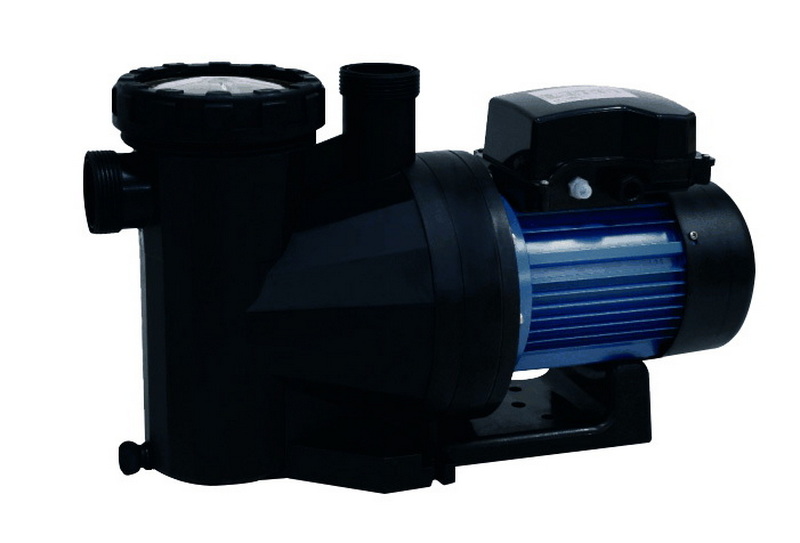
A pool pump draws water from the skimmer and main drain, pushes it through the filter, heater, and chlorinator, and returns clean water back to the pool.[4][5]
This circulation removes debris, distributes chemicals evenly, helps control algae and bacteria, and protects your equipment from stagnant or corrosive water conditions.[5][4]
- A well‑sized pump and filter keep water clear and sparkling with less manual cleaning.[4]
- Continuous circulation also enhances the performance of sanitizers, salt systems, and heat pumps.[2][6]
Most manufacturers and service professionals recommend running the pool pump long enough to achieve at least one complete turnover of the entire pool volume per day.[1][2][4]
For many correctly sized systems, this usually equals about 8 hours, but can range from 6 to 12 hours depending on conditions.[7][3][1]
Typical daily runtimes:
- In‑ground pools: about 8 hours per day in normal weather.[3][4]
- Above‑ground pools: about 6–8 hours per day.[3]
- During hot summer or heavy use: often 10–16 hours per day to control algae and handle higher debris and bather load.[8][9]
For a precise answer to “how often should pool pump run,” calculate the time needed for one turnover based on pool volume and pump flow rate.[10][11][2]
1. Estimate pool volume in gallons using length × width × average depth × 7.5 for rectangular pools.[2]
2. Check pump flow rate in gallons per minute (GPM) or gallons per hour (GPH) from the label or manual.[12][2]
3. Use the formula:

This gives the hours needed to circulate all the water once.[11][10][2]
Example: A 20,000‑gallon pool with a 40 GPM pump needs about 8.3 hours per day for one turnover.[10][2]
If water tends to get cloudy, many owners increase runtime to achieve closer to 1.5–2 turnovers per day during peak season.[4][3]
Single‑speed pumps always run at full power, so they typically operate fewer hours per day to avoid high electricity use.[2][3]
Variable‑speed pumps are much more energy‑efficient at low RPM, so they often run longer overall but at reduced speed and cost.[6][13][2]
- Single‑speed: common guideline is around 8 hours per day in normal conditions, adjusted up or down based on water clarity.[5][2][4]
- Variable‑speed: many owners run 3–4 hours at higher speed for skimming and cleaning plus 8–9 hours on low speed for filtration (about 12 hours total).[13][6][2]
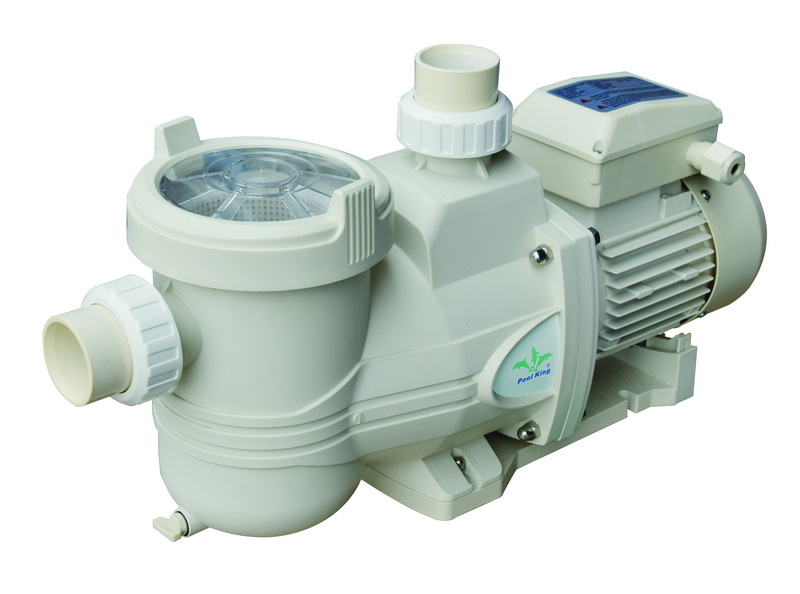
“how often should pool pump run” changes with season and climate because temperature and sunlight strongly influence algae growth and chlorine demand.[9][8][2]
- Summer / hot climates: 10–16 hours per day is common, especially where air temperatures reach 90–100°F or higher.[8][9][2]
- Cooler months: in many regions, 6–8 hours per day is sufficient if the pool remains open and covered part of the time.[8][4]
A simple rule of thumb some service pros use is running the pump roughly 1 hour per day for every 10°F of daytime high temperature, so 90°F equals about 9 hours.[14][2]
If water begins to turn dull or green, extend runtime temporarily and brush and shock as needed.[7][4]
Certain conditions require running the pool pump much longer than usual, sometimes close to 24 hours temporarily.[7][5][4]
- After shocking for algae: continuous 24‑hour circulation until water clears helps chemicals reach every part of the pool.[7][4]
- After heavy rain or storms: extended runtime filters out organic debris and helps restore chemical balance.[4][7]
- After pool parties or very heavy use: longer runtime improves filtration and sanitation to handle sunscreen, sweat, and contaminants.[3][7]
Once the water returns to clear and balanced, runtime can be reduced gradually to the normal daily schedule.[7][4]
You do not need to run the pool pump 24/7; the key is accumulating the required daily hours, which can be split between day and night.[1][5]
Many owners prefer operating longer during off‑peak electricity hours at night to reduce energy costs while maintaining proper filtration.[15][5]
- Running part of the time during the day helps skimming surface debris when leaves and insects are falling in.[3][4]
- Timers or smart controllers make it easy to schedule several shorter cycles (for example, morning and evening blocks) rather than one long continuous run.[5][1]
Pump and filtration efficiency also influence how often the pool pump should run.[2][4][3]
- Sand filters: common and reliable, often paired with 8–12 hours runtime, with occasional 24‑hour runs after major cleanups.[4][7]
- Cartridge filters: finer filtration but can clog sooner; sometimes need slightly longer run time but fewer backwashes.[2][3]
- DE filters: very fine filtration; when clean and correctly sized, they can achieve excellent clarity in the standard turnover time.[3][2]
Proper sizing of the pump to the pool and filter is critical; an undersized pump may need much longer hours, while an oversized pump can waste power and stress the system.[11][7][3]
Here are sample schedules illustrating how often a pool pump might run in typical scenarios, assuming balanced chemistry and a clean filter.[6][1][3]
- Medium in‑ground pool with single‑speed pump: 8 hours total per day, split 4 hours morning and 4 hours late afternoon.[1][4]
- Above‑ground pool: 6–8 consecutive hours during the day when swimmers use the pool most.[16][3]
- Variable‑speed pump: 3 hours on higher speed for skimming and vacuuming plus 9 hours on low speed for quiet, efficient filtration.[13][6][2]
Homeowners should adjust these baselines until they find the shortest runtime that still keeps water clear and sanitized under their specific climate and usage.[4][3]
As a professional Chinese manufacturer of top‑grade sand filter tanks, pool pumps, LED lights, and pool accessories providing OEM services, your products can be positioned as ideal for efficient filtration at optimized runtimes.
Well‑designed sand filters and high‑efficiency pumps enable users to achieve required turnovers with fewer hours, saving electricity while keeping water crystal clear.[7][3]
For your marketing content, linking “how often should pool pump run” to energy‑efficient filter design, quiet motor technology, and smart timer compatibility will resonate with foreign brands, wholesalers, and pool equipment producers seeking reliable OEM partners.[6][3]
To answer “how often should pool pump run,” the essential goal is at least one full turnover of pool water every 24 hours, which commonly means about 8 hours for a correctly sized system.[1][2][4]
However, actual runtime should be fine‑tuned by considering pool volume, pump flow, season, usage level, and whether you use a single‑speed or variable‑speed pump, with summer or heavy‑use conditions often requiring 10–16 hours or even temporary 24‑hour operation after algae or storms.[8][2][3][7]
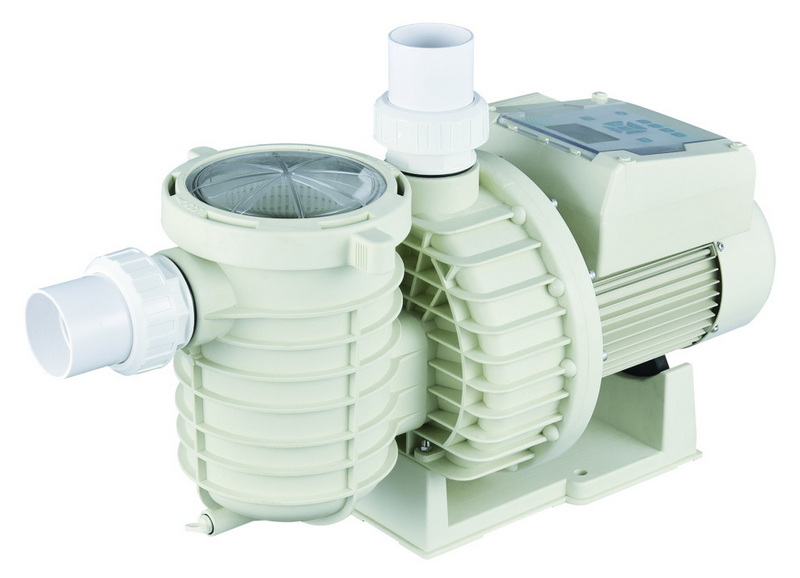
Yes, if your pump and filter turn over the entire pool volume in fewer than 8 hours and the water remains consistently clear and balanced, you can safely run the pump for fewer hours.[11][3][7]
Monitor clarity and chlorine levels; if cloudiness or algae appear, increase runtime or check for undersized or dirty equipment.[7][4]
Running the pool pump at night can reduce electricity costs where utilities offer off‑peak rates, as long as you still achieve the required daily turnover.[15][5]
Many owners split runtime between day (for skimming and swimmer load) and night (for cheaper filtration), using timers to automate the schedule.[5][1]
Variable‑speed pumps usually run longer than single‑speed models but at lower RPM, often 10–12 hours or more per day for efficient low‑energy filtration.[13][6][2]
A common pattern is several hours on higher speed for cleaning and the rest on low speed to maintain circulation and chemical distribution.[6][2]
If the pool remains open and not winterized, you should still run the pump long enough for at least one turnover per day, though cooler water may require fewer overall hours than in summer.[8][4]
In freezing climates where pools are closed and winterized, the pump is usually drained and shut down until reopening.[4]
Signs of insufficient runtime include cloudy water, difficulty maintaining sanitizer levels, and increased algae growth despite regular chemical treatment.[3][7][4]
If these issues occur, increase daily runtime in 1–2 hour increments and clean the filter until the water stays consistently clear.[7][4]
[1](https://www.swimmingpool.com/maintenance/pump&filter/how-long-to-run-pool-pump/)
[2](https://lesliespool.com/blog/how-to-calculate-pool-pump-run-time.html)
[3](https://aquapoolsupply.com/blogs/news/how-long-should-you-run-your-pool-pump-tips-for-efficiency-savings)
[4](https://www.1stdirectpools.com/blog/post/when-run-pool-pump-ultimate-guide)
[5](https://home.howstuffworks.com/swimming-pool-pumps-run-all-the-time.htm)
[6](https://poolpartstogo.com/blogs/articles/ideal-schedule-for-your-variable-speed-pool-pump)
[7](https://mrpoolman.com.au/blogs/news/how-long-should-i-run-my-pool-pump-every-day)
[8](https://www.riverbendsandler.com/help-advice/pool-school-how-often-should-a-pool-pump-run-in-the-summer/)
[9](https://forum.mavaquadoc.com/index.php?threads%2Fhow-often-should-i-run-my-pool-pump-during-the-summer.132%2F)
[10](https://www.doheny.com/help/calculate-pool-pump-run-time)
[11](https://www.pvcfittingsonline.com/blogs/resource-center/how-often-should-i-run-my-pool-pump)
[12](https://www.blue-white.com/resources/calculators/pool-flow-rate-calculator/)
[13](https://www.youtube.com/watch?v=u4ExnupI26o)
[14](https://www.reddit.com/r/pools/comments/pbcz27/how_long_should_i_run_my_pool_pump_each_day_i/)
[15](https://www.swimuniversity.com/run-pool-pump/)
[16](https://www.reddit.com/r/pools/comments/15ysu79/new_pool_owner_here_how_long_do_you_run_your_pump/)
[17](https://www.facebook.com/groups/273395260599363/posts/1379944586611086/)
[18](https://www.facebook.com/groups/637529959937311/posts/2541513152872306/)
[19](https://www.facebook.com/groups/273395260599363/posts/1421226082482936/)


