
Views: 222 Author: Tina Publish Time: 2025-11-11 Origin: Site


Content Menu
● Why Sand in Pool Filters Needs Replacement
● Recommended Sand Replacement Frequency
● Key Factors Affecting Sand Longevity
>> Pool Usage
>> Pool Size
>> Water Quality & Environmental Debris
● Signs That It's Time to Change Sand
● Step-by-Step Guide to Changing Pool Filter Sand
>> 4. Remove Multiport Valve or Tank Cover
>> 6. Inspect and Clean Laterals
>> 7. Add New Pool Filter Sand
>> 10. Restart System and Check for Leaks
>> 11. Adjust Chemical Balance
● Maintenance Tips for Extending Sand Filter Life
● FAQ: Pool Filter Sand Change
>> 1. What type of sand should I use for pool filters?
>> 2. Can I clean and reuse old filter sand?
>> 3. What happens if I wait too long to change sand?
>> 4. How can I tell if sand needs changing without opening the filter?
>> 5. Are there alternatives to sand filters I should consider?
Maintaining a clean and sparkling swimming pool relies heavily on your filtration system. At the heart of this system, sand filters are trusted worldwide for their low maintenance and powerful filtration. Their efficiency, however, is heavily dependent on the quality of the sand inside. This guide will explore how often you should change pool filter sand, recognizing the signs, understanding the process, and optimizing performance for both residential and commercial pools.
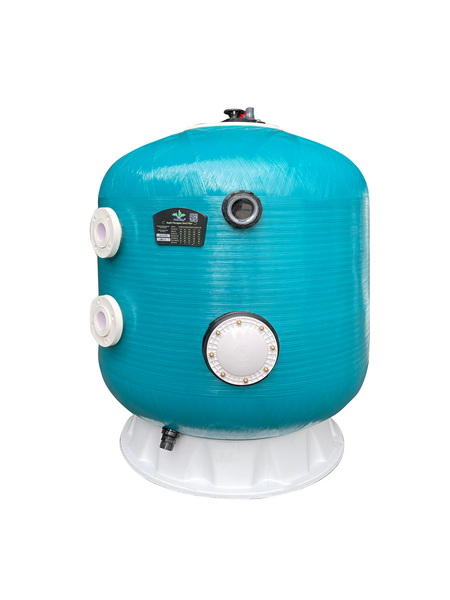
Sand is an effective mechanical filter medium that traps debris and microscopic particles as water flows through. Over time, the sharp edges of sand grains become rounded, reducing their ability to capture particles efficiently. Eventually, old sand can no longer maintain water clarity, leaving your pool looking cloudy or dirty.[5][1]
- Residential Pools: Most experts agree that residential pool filter sand should be replaced every 3 to 5 years. In pools with higher bather loads or outdoor exposure, replacement may need to happen every 2-3 years.[2][3][1]
- Commercial Pools: Because of the heavy usage, commercial filters often require annual sand replacement or every other year.[6]
- Low-Use or Chemically Maintained Pools: Sometimes sand may last longer if the filter is properly maintained and water balance is consistently checked.
- High bather load increases debris and organic matter.
- Frequent pool parties, children, or pets accelerate sand deterioration.[7]
- Larger pools demand bigger filters and may accelerate sand wear.[7]
- Pools located near trees or in dusty regions may require more frequent sand changes due to debris accumulation.[7]
- Regular backwashing cleans sand, but never fully restores its edge.
- Excessive backwashing can actually decrease filtering efficiency.[3]
- Chemically balanced pool water ensures longer sand life.
1. Cloudy Water: Even after chemical adjustment and cleaning, persistent cloudy water suggests sand is ineffective.[1]
2. High Pressure Readings: A sand filter's pressure gauge should read 3-5 psi above clean baseline. Repeated spikes over 20 psi may indicate sand replacement is necessary.[1]
3. Channeling: Sand clumps or gaps (visible upon opening the filter) prevent proper filtration as water bypasses the sand.[1]
4. Excessive Chemical Need: If usual chemical doses fail to keep water balanced, worn sand may be the culprit.[1]
5. Visible Dirt Back in Pool: When filter sand cannot trap debris, dirt recirculates into the pool.
6. Algae Problems: Persistent algae blooms despite proper sanitation can indicate sand loss of effectiveness.
7. Sand in Pool Water: If sand appears in the pool, damaged laterals or overfilled filter tank could be responsible.[8]
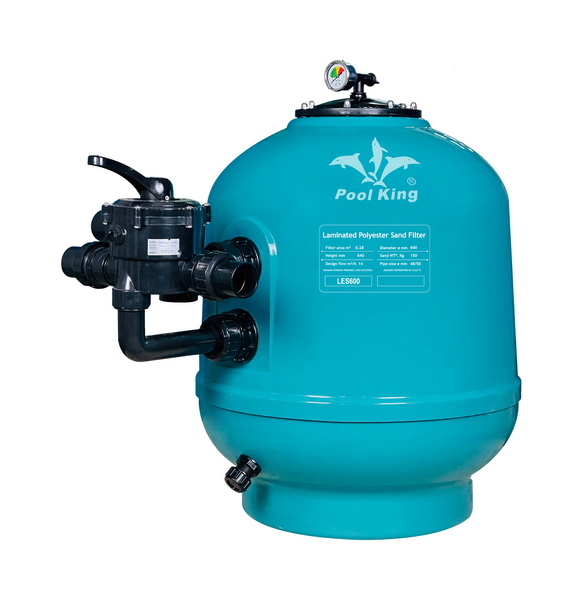
- Always start by powering down the pool pump and isolating the filter.[8]
- Open the air relief valve to release built-up pressure.[7]
- Remove the drain plug to empty the water from the tank.[4][8]
- Detach the multiport valve or unscrew the tank cover.[8][4]
- Use a shop vac or scoop to remove old sand.
- Wear gloves for safety as old sand may contain bacteria.[8]
- Check the tank's laterals for cracks or debris. Replace damaged ones.[7][8]
- Pour in the recommended amount of pool-grade sand (never use play sand).
- Fill the tank halfway with water before adding sand to prevent damaging laterals.[4][8]
- Secure the multiport valve or tank cover back in place.
- Run a backwash and rinse cycle to stabilize and clean the new sand.[4][8]
- Power up the system and confirm there are no leaks.
- Test and adjust pool chemicals to maintain water clarity.[7]
- Backwash only when necessary (when pressure increases by 8-10 psi above baseline).
- Keep the pool regularly vacuumed and skimmed to reduce sand clogging.
- Routinely check for debris buildup inside the filter tank.
- Maintain water chemistry, especially pH and alkalinity.
- Use filter cleaning agents annually to prolong sand effectiveness.
Regular replacement of your pool filter sand is essential for maintaining crystal-clear water and a hygienic swim environment. Generally, pool filter sand should be replaced every 3-5 years, though commercial pools and high-use residential systems may require more frequent changes. Signs such as cloudy water, high filter pressure, channeling, and increased chemical usage are all indicators that your sand needs changing. By following proper maintenance procedures, monitoring filter performance, and addressing problems promptly, you can ensure long-term efficiency of your filtration system.
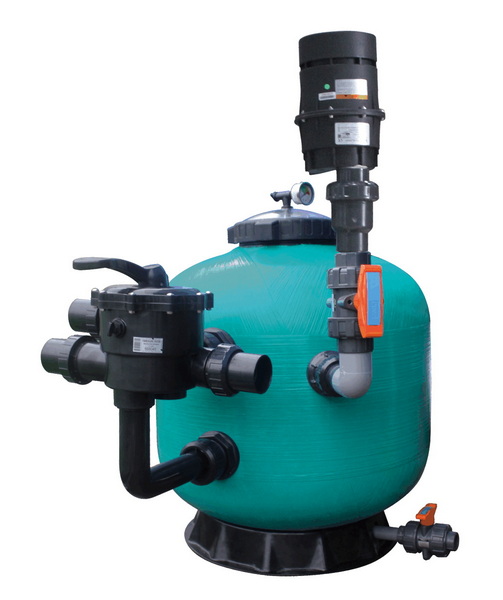
Always use specially graded pool filter sand (often marked as No. 20 silica sand). Never use beach or play sand, as it lacks the appropriate grain size and can harm your filter.[4][8]
Physical backwashing can clean sand, but after several years, the grains become too smooth to filter effectively. Replacing sand ensures optimal filtration.[3][1]
Old sand loses its filtration efficiency, leading to cloudy water, persistent algae, and increased chemical costs. Pool equipment may also suffer damage due to excessive strain.[2][1]
Watch for cloudy water unresponsive to chemicals, recurring algae, higher pressure readings on filter gauges, and sand returning to the pool. These are reliable external indicators.[2][1]
Other options include cartridge and DE (diatomaceous earth) filters. Sand filters are preferred for their simplicity and robust operation in larger pools.[3]
[1](https://poolsoffun.com/4-signs-its-time-to-change-your-filter-sand/)
[2](https://www.groupebellemare.com/en/blog/change-pool-filtration-sand/)
[3](https://lesliespool.com/blog/the-ultimate-pool-filter-maintenance-guide.html)
[4](https://www.youtube.com/watch?v=v9ghBgNkv-4)
[5](https://www.swimuniversity.com/change-pool-filter-sand/)
[6](https://www.reddit.com/r/swimmingpools/comments/o83dv5/when_do_i_change_sand_in_filter/)
[7](https://splashfiberglasspoolcompany.com/a-guide-to-know-how-often-to-change-sand-in-pool-filter/)
[8](https://www.thepoolfactory.com/blogs/pool-care/how-to-change-the-sand-in-a-pool-filter)
[9](https://www.youtube.com/watch?v=KD7d-xN8JWw)
[10](https://www.youtube.com/watch?v=LB3tuaYfpnc)
[11](https://www.facebook.com/thep00lguy/videos/sand-change-on-this-18-pool-filter-thep00lguyhollayaboypoolguysatisfyingoddlysat/453717579870533/)
[12](https://www.youtube.com/watch?v=VxIsKhGyZXQ)
[13](https://www.youtube.com/watch?v=VmXdio44FTY)
[14](https://www.youtube.com/watch?v=MnMP2Awhwgo)
[15](https://blog.orendatech.com/refurbishing-sand-filter-vs-sand-change)
[16](https://www.facebook.com/groups/637529959937311/posts/2621490271541260/)
[17](https://www.swimmingpool.com/maintenance/pump&filter/changing-sand-in-your-pool-filter/)
[18](https://www.facebook.com/groups/637529959937311/posts/2208563069500651/)
[19](https://www.reddit.com/r/swimmingpools/comments/c5fyrs/how_to_change_sand_in_this_sand_filter/)
[20](https://www.reddit.com/r/pools/comments/1d9ogxh/first_sand_filter_what_do_you_wish_youd_known/)


