Content Menu
● General Rule: How Often to Run a Pool Pump
● Factors Influencing Pump Runtime
>> Pool Usage
>> Recommended Daily Pump Runtime by Pool Type
● Energy-Saving Tips for Pool Pumps
● Common Mistakes Pool Owners Make
● FAQs
>> 1. Do I need to run my pool pump 24 hours a day?
>> 2. Can I split pump runtime into multiple sessions?
>> 3. How do I know if I'm not running the pump enough?
>> 4. Does running the pump at night help?
>> 5. What happens if I run the pump too much?
Maintaining a clean, safe, and sparkling pool requires one key element—your pool pump. Knowing how often to run a pool pump is one of the most common questions among pool owners worldwide. Too little filtration can lead to algae and cloudy water, while running the pump excessively can waste electricity and increase your energy bills. This guide explores the best practices, energy-saving tips, and professional advice to help you find the perfect balance.
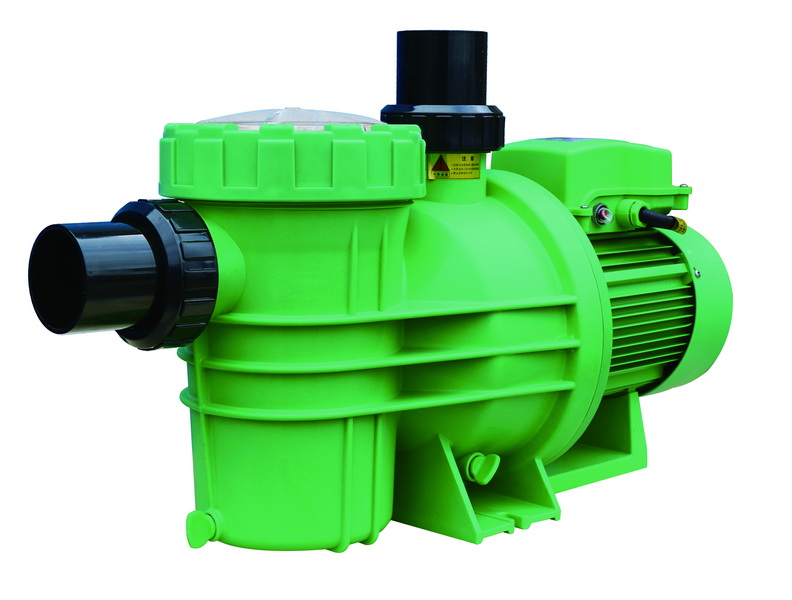
A pool pump is the heart of your swimming pool system. Its main purpose is to circulate water through the filter, skimmer, and cleaning systems, ensuring debris, dirt, and harmful microorganisms are removed. Without proper circulation, chemicals like chlorine cannot distribute evenly, making the water unsafe for swimming.
Key functions of a pool pump include:
- Maintaining water clarity and hygiene.
- Ensuring effective chemical balance.
- Preventing the growth of algae and bacteria.
- Extending the lifespan of your pool filter and equipment.
The golden rule for pool owners is to run the pump long enough to circulate all of the pool's water at least once per day. This process is known as a “turnover.”
- Standard recommendation: 8–12 hours daily.
- Variable speed pumps: May run longer at low speeds for energy efficiency.
- Smaller pools: May require only 6–8 hours.
- Larger or heavily used pools: Could require 12–16 hours.
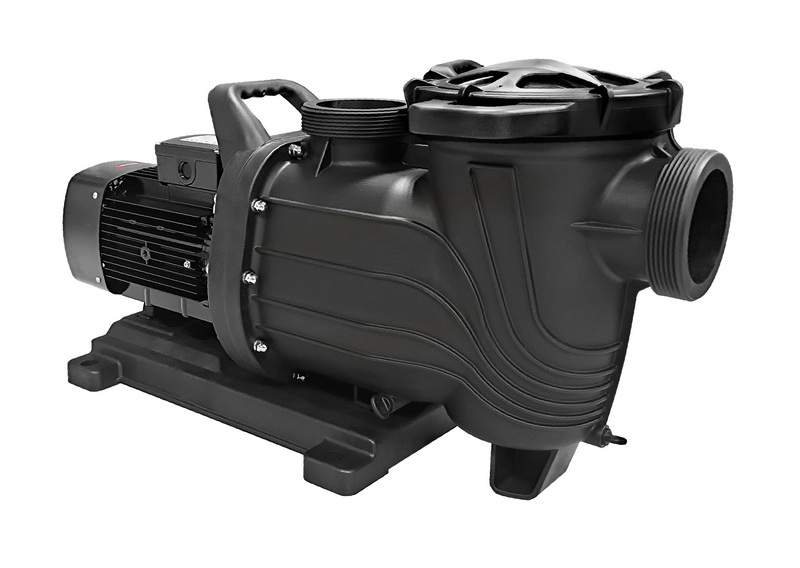
A larger pool requires longer pump operation to circulate all water efficiently.
- Single-speed pumps: Less efficient, may need 8–12 hours of operation.
- Variable-speed pumps (VSP): Can run 24 hours at lower speeds to save electricity.
- Hotter climates require longer pump cycles due to faster algae growth.
- In cooler months, runtime can be reduced.
- Heavy swimmer load or frequent pool parties demand more filtration.
- Pools with low usage can cut pump runtime.
- Leafy, dusty, or windy areas add more debris to water, requiring extended operation.
- Urban pools may need less filtration than rural ones exposed to natural elements.
| Pool Type | Suggested Runtime (hours) | Notes |
|---|---|---|
| Residential backyard pool | 8–12 | Ideal for average use |
| Heavily used community pool | 12–16 | Requires multiple turnovers |
| Indoor pool | 6–8 | Less debris and sunlight |
| Saltwater system pool | 10–12 | Ensures chlorine generation |
| Eco-efficient (VSP pump) | 24 (low RPM) | Saves energy while filtering |
1. Install a Variable-Speed Pump
These pumps reduce energy consumption up to 70%.
2. Use a Pool Timer
Automating pump cycles prevents overuse.
3. Maintain Your Filter
A clogged, dirty filter makes the pump work harder, wasting energy.
4. Run Pump at Off-Peak Hours
Electricity is cheaper during non-peak hours.
5. Combine with Solar Pool Covers
Keeping debris out of the pool reduces filtration needs.
- Summer: Run 10–12 hours, or even longer in tropical climates.
- Spring/Fall: 6–10 hours depending on activity.
- Winter: 4–6 hours is often sufficient, especially with lower outdoor temperatures.
- Running pump 24/7 unnecessarily with single-speed pumps.
- Ignoring filter maintenance, forcing the pump to overwork.
- Not adjusting runtime for seasonal changes.
- Overestimating usage requirements in low-debris environments.
- Daily turnover is essential. Running the pump too little allows contaminants to build up.
- Energy-efficient options like variable-speed pumps are worth the investment.
- Monitor water clarity. A crystal-clear pool suggests sufficient runtime, while cloudy water indicates the need for longer operation.
So, how often should you run your pool pump? For most residential pools, 8–12 hours per day ensures safe, clean, and sparkling water. However, factors like pool size, pump type, climate, and swimmer load play a role. With energy-efficient upgrades and smart scheduling, you can balance water quality and cost savings.
No, it's unnecessary for most pools. A daily turnover (8–12 hours) is enough. Only in very high-use or heavily contaminated pools should you consider extended runtimes.
Yes, you can run the pump in two cycles (e.g., 4 hours in the morning and 4 hours in the evening) to promote better circulation without straining electricity bills.
Signs include cloudy water, algae formation, and inconsistent chlorine levels. If these appear, increase runtime.
Running at night reduces energy costs if you're on off-peak electricity rates. It also helps in pools with saltwater generators since chlorine is better preserved without sunlight.
Excessive runtime wastes electricity and shortens pump lifespan. Strive for proper balance—circulation without waste.
Learn how to convert a frame pool ladder into a safe, professional deck ladder with proper planning, flanges, and anchors. This step‑by‑step guide covers tools, installation, safety checks, maintenance, and OEM opportunities for pool ladder and filtration system suppliers.
This detailed guide explains how to clean under a Confer pool ladder step by step, remove algae and stains, and keep the ladder and hidden areas safe and spotless. Learn tools, cleaners, shock routines, and ongoing maintenance tips to prevent algae from returning under any pool ladder.<br />
This in‑depth guide explains how to clean a resin pool ladder step by step, remove algae, stains, and scale, and protect the ladder from damage. Learn tools, cleaners, safety tips, and maintenance routines to keep every pool ladder safe, bright, and long‑lasting all season.<br />
This comprehensive guide explains how to clean a pool ladder step by step, remove scale, stains, and rust, and protect it from future damage. Learn tools, routines, seasonal tips, plus content ideas to keep every pool ladder safe, stable, and professional‑looking.<br />
Learn how to clean your aluminum pool ladder step by step, remove stains and oxidation, and protect it from corrosion. Discover easy maintenance tips to keep your pool ladder safe, shiny, and long‑lasting all season.<br />
Learn how to hook up pool filter hoses step by step for sand, cartridge, and DE systems. This detailed guide covers skimmer, pump, and pool filter connections, diagrams, leak‑prevention tips, and FAQs so your pool filter runs smoothly all season.<br />
Learn how to hide your pool filter and pump with smart screens, sheds, landscaping, and multi‑purpose furniture. Discover safety rules, noise‑reduction tricks, and design ideas to keep pool filter equipment quiet, accessible, and invisible in a clean, resort‑style backyard.<br />
Learn how to clean a pool filter pump impeller step by step, restore strong water flow, and protect your pool filter system. Discover warning signs, quick cleaning methods, deep disassembly tips, and preventive maintenance to keep your pool crystal clear and your pump running efficiently.<br />
Learn how to change a Bestway pool filter without losing water. Step‑by‑step methods for cartridge and sand filters, essential tools, safety tips, and maintenance advice to keep your Bestway above‑ground pool clear, efficient, and easy to manage all season.<br />
Learn how to change a Bestway pool filter step by step. This detailed guide covers cartridge and sand pool filter pumps, safety tips, backwash and rinse, maintenance schedules, troubleshooting, and FAQs to keep your above‑ground pool crystal clear all season.<br />
Learn how to backwash a Bestway pool filter step by step, including valve settings, backwash and rinse times, pressure‑gauge tips, and maintenance advice. Keep your sand pool filter efficient, protect your pump, and enjoy consistently clear, healthy pool water with simple, repeatable routines.<br />
Learn how to add diatomaceous earth to a pool filter step by step, including safety tips, DE dose calculations, backwashing, DE mixing and skimmer charging, pressure‑gauge checks, and maintenance advice for crystal‑clear pool water and long‑lasting DE pool filter performance.<br />
This in‑depth guide explains how often to clean a Pentair pool filter, with specific schedules for sand, cartridge, and DE systems, pressure‑based rules, seasonal adjustments, troubleshooting signs, and OEM‑level pool filter solutions for international brands and professional buyers.<br />
Learn how often to change an Intex pool filter, how to clean cartridge, sand, and DE filters, and how to keep above-ground pool water crystal clear with simple, effective maintenance habits.<br />
This in‑depth guide explains how often to run a pool filter for clear, healthy water. Learn ideal daily runtime for sand, cartridge, and DE pool filters, how turnover works, seasonal adjustments, energy‑saving tips, and OEM pool filter solutions for professional buyers.<br />
Learn how to safely reset a pool pump step by step, from basic power‑cycling and priming to keypad and factory resets for variable‑speed pool pumps. Avoid damage, restore circulation fast, and know when to call a professional.<br />
A pool pump is the heart of any swimming pool, circulating water through filters, heaters, and sanitizers to keep it clean, clear, and safe. Learn what a pool pump does, how it works, how long to run it, and how to choose efficient OEM pool pump solutions for residential and commercial pools.<br />
Learn how to hook up a swimming pool pump the right way with this 2,000‑plus word step‑by‑step guide. Discover planning tips, plumbing and wiring basics, priming advice, troubleshooting ideas, and essential pool pump FAQs for cleaner, clearer pool water.<br /> <p> </p> , and maintain a pool pump so your pool water st
This in‑depth 2026 guide explains how much for pool pump, covering typical prices by type, pool size, and brand, plus installation, repair, and energy costs, and OEM options for brands, wholesalers, and manufacturers seeking efficient, high‑value pool pump solutions.<br />
This detailed guide shows how to hide Pool pump equipment with fences, screens, landscaping, benches and rock features while preserving ventilation, safety and easy maintenance, so your Pool pump stays quiet, discreet and reliable.<br />