
Views: 222 Author: Tina Publish Time: 2025-12-12 Origin: Site


Content Menu
● What Does Pool Filter Sand Actually Do?
● Typical Replacement Interval: 3–7 Years
● Key Factors That Affect How Often You Change Sand
● Clear Warning Signs Your Sand Needs Changing
● How To Confirm If the Sand Is “Worn Out”
● Step‑By‑Step Overview: Changing Sand in a Pool Filter
● How To Extend the Life of Pool Filter Sand
● When a Complete Filter Upgrade Makes Sense
● How Your Factory Can Support OEM Sand Filter Projects
● FAQ: How Often Do You Change Sand in a Pool Filter?
>> 1. How often should I change the sand in my pool filter?
>> 2. What are the strongest signs that my sand needs to be replaced?
>> 3. Can I just deep clean the sand instead of replacing it?
>> 4. Does commercial pool sand need changing more often?
>> 5. Is it worth upgrading from sand to glass media?
>> 6. Should I replace the entire filter when I change the sand?
Most pool owners should plan to change the sand in a pool filter roughly every 3–7 years, with 5 years being a common recommended interval under normal residential use. However, heavy bather load, poor water chemistry, or neglected maintenance can make it necessary to change the sand sooner when performance problems appear.[1][2][3][5]
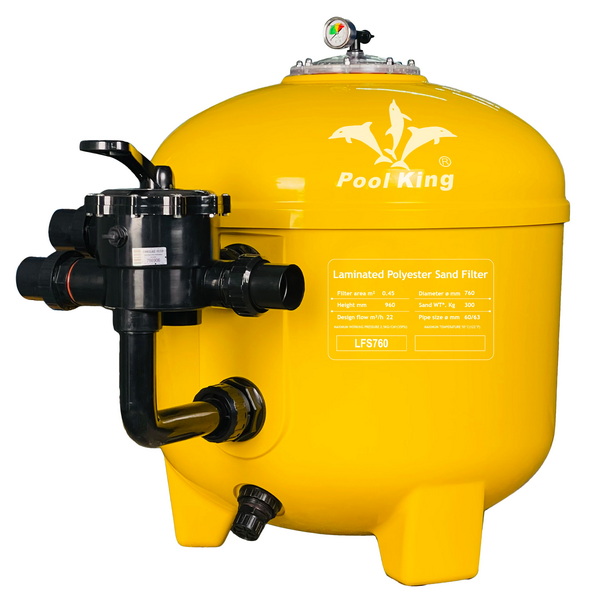
Pool filter sand is a carefully graded filtration media that traps dirt, oils, and debris as water passes through the sand bed inside the tank. The grains have a specific size and rough surface that helps catch particles while still allowing enough flow to keep the circulation system efficient.[4]
Over time the sand bed becomes compacted, clogged with fine debris, or “channeled,” meaning water cuts gaps through the sand and bypasses filtration. When this happens, the filter may technically still run, but the water no longer stays as clear and more chemicals and pump time are needed for the same result.[5][6][1]
Many pool service companies and filter manufacturers recommend changing sand every 3–5 years for average residential pools, especially when the system runs throughout a long swimming season. Other professionals suggest sand can last 5–7 years or more in well‑maintained pools with lighter use and good backwashing habits.[8][9][3][4][7][2]
Commercial pools, waterparks, and heavily used installations may need sand changes much more frequently, sometimes every 1–2 years, because of continuous operation and high bather load. In contrast, some experts argue that with proper chemical management and periodic deep cleaning, sand can last longer, and complete media replacement is only needed when there is scale, severe fouling, or an upgrade to glass media.[10][11][4][2]
Several practical factors determine how often the sand in a pool filter actually needs replacement in real-world conditions.[3][4][2]
- Pool usage
- Heavy bather load, frequent parties, and commercial use introduce more body oils, sunscreen, hair, and dirt, which all clog the sand faster.[1][2][3]
- Lightly used private pools can often run the same sand for longer if water balance is consistently controlled.[8]
- Water quality and chemistry
- Poorly balanced water can cause scale, oils, and organics to accumulate in the sand bed, increasing backwash frequency and reducing filtration efficiency.[11][1][2]
- Well‑maintained chemistry helps the sand stay cleaner, extending the useful life to the upper end of the 5–7‑year range.[9][4][2]
- Filter size and run time
- Undersized filters running under heavy load tend to clog and wear the media faster than properly sized, generously rated filters.[9][2]
- Continuous or near‑continuous pump operation pushes more debris through the sand bed, shortening the time before performance declines.[2]
- Maintenance practices
- Regular backwashing and occasional use of sand cleaning chemicals can restore performance and extend media life up to around 6–7 years in some pools.[1][2]
- Infrequent backwashing or ignoring high pressure readings causes dirt to compact inside the media, making early sand replacement more likely.[6][12][9]
Instead of relying only on calendar years, pool professionals look for specific symptoms that show the sand is no longer doing its job effectively.[13][5][6][1]
- Cloudy or dull water that never stays clear
- If water remains hazy even after correct chlorine levels and repeated backwashing, the filter media may be exhausted or badly fouled.[5][6][13][3][1]
- Frequent algae problems
- When algae returns quickly after brushing and treatment, and chemistry is within range, channeling or compacted sand may be allowing fine particles and spores to pass through.[6][5][3][1]
- Sand in the pool
- Visible sand on the pool floor can indicate damaged laterals or underdrain inside the filter, but it often appears together with old or degraded media.[13][1]
- Abnormal pressure readings
- If pressure climbs rapidly soon after backwashing and does not stay in the normal operating range (often around a few psi above clean baseline), the sand may be clogged.[14][5][6]
- Very low pressure with poor circulation can indicate serious internal issues, including channeling or internal damage.[15][12][13][1]
- Excessive chemical use
- If more and more chlorine and clarifier are needed to maintain similar water clarity, the filter may no longer be capturing fine debris effectively.[7][5][3]
There is some debate in the industry about whether sand truly “wears out” or mainly becomes dirty and channeled, but certain checks can help you decide if replacement is justified.[16][11][3][17]
- Visual inspection inside the tank
- After safely depressurizing and opening the filter, check whether the sand surface looks hard, clumped, or has visible channels and ridges rather than a uniform bed.[5][6][13][1]
- Sticky, gelatinous clumps or rock‑hard layers often indicate oils, biofilm, or scale, which basic backwashing cannot remove completely.[11][1]
- Feel of the sand granules
- New filter sand has sharp edges that help trap fine particles, but over long periods, those edges can round off, reducing the sand's ability to “lock” into a tight bed.[4][10][7][2]
- Response to deep cleaning
- Some operators restore performance using specialized cleaners, enzymes, and scale removers to refurbish the sand bed without replacing it.[7][2][11][1]
- If performance does not recover even after thorough chemical cleaning and proper backwashing, a full sand change is usually the most practical next step.[11][7]
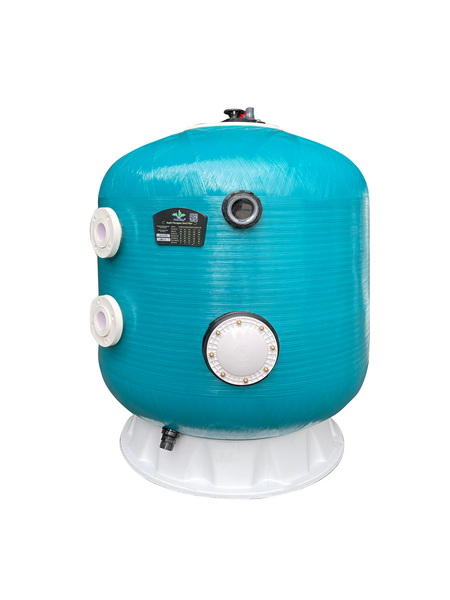
When the time comes to actually change the sand, following a careful process will protect both equipment and users while helping the new media perform at its best.[18][20]
- Preparation and safety
- Shut off power to the pump, close valves, and release pressure from the filter using the air relief or drain plug.[12][19][18]
- Wear gloves, eye protection, and a dust mask when handling old sand and new media, and follow local regulations for disposal.[19][18][7]
- Draining and opening the filter
- Remove the multiport valve or top cover as specified by the manufacturer, then drain water and access the sand chamber.[18][12][19]
- Carefully scoop, vacuum, or pump out old sand, avoiding damage to internal laterals and standpipe.[19][18][7]
- Inspecting internal parts
- Check laterals, standpipe, and internal fittings for cracks or wear; replace damaged parts before adding fresh media.[15][12][18][19]
- Adding new sand
- Fill the tank partway with water to cushion the fall of new sand and protect the laterals from impact.[18][19]
- Add the specified weight and grade of sand (or glass media) slowly and evenly, making sure the standpipe stays centered.[4][2][19][18]
- Final backwash and rinse
- Reassemble the valve, start the system on “Backwash” to flush dust and fines, then “Rinse” before returning to “Filter.”[12][19][21]
With good habits, many pool owners can safely run the same sand for more years while maintaining good filtration and clear water.[2][9][4][1]
- Backwash only when needed
- Use the pressure gauge as a guide and backwash when pressure rises by about 8–10 psi above the clean baseline rather than on a fixed schedule.[14][6][12][5]
- Avoid too‑frequent backwashing, which can waste water and energy without improving performance.[7]
- Use periodic sand cleaners
- Specialized filter cleaners or enzymes can break down oils, sunscreen, and organic films that cling to sand grains.[1][2][11]
- Some experts recommend one or two deep cleans per season for heavily used pools.[1]
- Control scale and metals
- A descaler at the start, middle, or end of the season can limit calcium deposits that harden the sand bed.[11][1][2]
- Maintain good water balance
- Proper pH, alkalinity, and sanitizer levels keep dirt and contaminants more manageable for the filter.[3][2]
Changing sand is not always the only – or best – option, especially for ageing filters or systems that no longer meet performance expectations.[16][9][2]
- Old tanks with structural wear
- If cracks, corrosion, or UV degradation are visible on the filter tank itself, replacing the entire filter may be safer than just changing sand in a compromised vessel.[15][9][12]
- Upgrading to glass or alternative media
- Some owners choose to replace old sand with advanced glass or other engineered media for finer filtration, improved backwash, and reduced run times.[4][2][11]
- System modernization
- When adding a variable‑speed pump, automation, or expanding circulation capacity, it can be efficient to upgrade to a larger or more efficient sand filter model at the same time.[9][2]
As a professional manufacturer of sand filters, DE filters, cartridge filters, pumps, LED pool lights, and accessories, your factory can tailor products for different sand‑change cycles and maintenance preferences across global markets. OEM customers often request specific tank sizes, valve configurations, pressure ratings, and media recommendations to match their brand positioning and local service norms.
By offering clearly documented sand‑change guidelines, replacement media options, and training content (including diagrams, images, and videos), your team can help foreign brands, wholesalers, and pool equipment producers reduce after‑sales issues and increase customer satisfaction. Consistent quality, smart designs for easy media changes, and complete system packages (filter + pump + LED + accessories) make your OEM solutions more attractive to international buyers focused on long‑term reliability and serviceability.
Most pool owners can use the 3–7‑year guideline as a starting point for changing sand in a pool filter, aiming for about 5 years under normal residential conditions. Real‑world timing, however, should always be adjusted based on water clarity, pressure behavior, algae history, and the results of regular maintenance and deep cleaning.[3][7][1][9][2]
When cloudy water, frequent algae, abnormal pressure, or compacted sand appear despite good chemistry and backwashing, a complete sand change or filter upgrade is usually the most efficient and reliable solution. For brands, wholesalers, and professional pool system builders, working with an experienced OEM manufacturer of sand filters and related equipment ensures that products are designed for easy sand replacement, clear maintenance schedules, and long‑term performance in diverse global installations.[1][9][2]
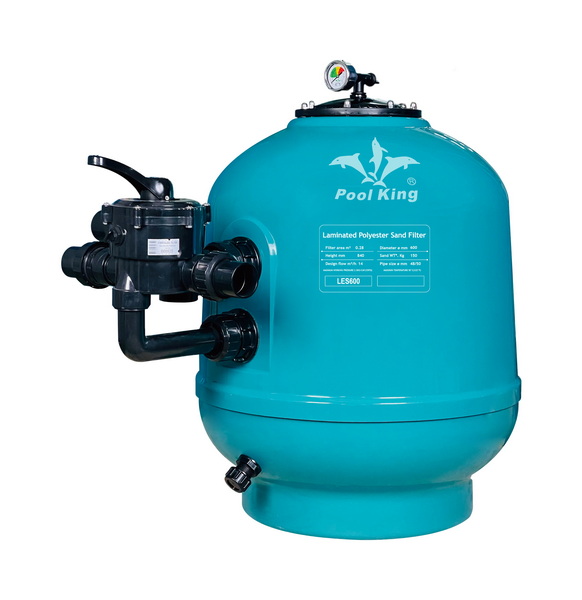
Most residential pool owners change sand every 3–5 years, and sometimes up to 5–7 years when the filter is well maintained and the pool is lightly used.[7][9][3][4][2]
Persistent cloudy water, recurring algae, sand in the pool, rapid pressure spikes after backwashing, and a need for more chemicals than usual all suggest that the sand bed is compacted, channeled, or fouled and should be replaced.[14][13][5][6][1]
In many cases, deep cleaning with specialized filter cleaners, enzymes, or scale removers restores performance and postpones full replacement for several seasons, especially in residential pools with good water balance. If cleaning does not fix cloudy water or pressure problems, a full sand change is usually the next step.[11][3][7][2]
Yes, commercial pools, resorts, and public facilities typically change sand more frequently, often every 1–3 years, because of continuous operation, high bather load, and strict clarity and hygiene standards.[10][3][2]
Many operators upgrade to glass media to improve fine particle capture, reduce channeling, and make backwashing more efficient, which can extend the interval between media changes and lower operating costs over time.[4][2]
If the tank is structurally sound and internal parts are in good condition, replacing only the sand is usually sufficient. When the tank shows cracks, corrosion, UV damage, or no longer meets system capacity needs, upgrading the entire filter may be safer and more economical in the long run.[15][9]
[1](https://www.groupebellemare.com/en/blog/change-pool-filtration-sand/)
[2](https://claritypoolmanagement.com.au/how-often-should-i-change-swimming-pool-filter-media/)
[3](https://southshorepoolsupply.com/should-i-change-my-pool-filter-sand/)
[4](https://www.zoteefilters.com/blogs/zotee-pro-1/how-often-should-you-replace-your-pool-filter-a-guide-by-filter-type)
[5](https://www.poolsoffun.com/4-signs-its-time-to-change-your-filter-sand/)
[6](https://poolsoffun.com/4-signs-its-time-to-change-your-filter-sand/)
[7](https://blog.royalswimmingpools.com/blog/changing-filter-media)
[8](https://www.1stdirectpools.com/blog/post/how-often-should-you-replace-swimming-pool-filter)
[9](https://www.jimspoolcare.com.au/equipment-sales/sand-filter-maintenance-for-swimming-pools/)
[10](https://www.reddit.com/r/swimmingpools/comments/o83dv5/when_do_i_change_sand_in_filter/)
[11](https://blog.orendatech.com/refurbishing-sand-filter-vs-sand-change)
[12](https://lesliespool.com/blog/how-to-troubleshoot-the-most-common-sand-pool-filter-problems.html)
[13](https://purepoollife.com/how-to-tell-if-pool-sand-filter-needs-changing/)
[14](https://www.youtube.com/watch?v=R4MxpyDOtuM)
[15](https://www.saharapoolbuilder.com/how-to-tell-if-your-sand-filter-is-bad-7-common-pool-filter-issues/)
[16](https://www.youtube.com/watch?v=MnMP2Awhwgo)
[17](https://www.perplexity.ai/search/f8e9303d-6e65-44c6-a62e-f462da646657)
[18](https://www.youtube.com/watch?v=VxIsKhGyZXQ)
[19](https://www.swimuniversity.com/change-pool-filter-sand/)
[20](https://www.perplexity.ai/search/2364ee40-9f61-47e8-a213-04cf605ef191)
[21](https://www.perplexity.ai/search/4902a1ce-0fc7-44eb-9560-012e3cbd3577)
[22](https://www.youtube.com/watch?v=KD7d-xN8JWw)
[23](https://splashfiberglasspoolcompany.com/a-guide-to-know-how-often-to-change-sand-in-pool-filter/)


