
Views: 222 Author: Tina Publish Time: 2025-12-09 Origin: Site


Content Menu
● What Does an Above Ground Pool Cartridge Filter Do?
● How Often Should You Clean an Above Ground Pool Filter Cartridge?
>> Time‑based cleaning guidelines
>> Pressure‑based cleaning guidelines
● How Long Does an Above Ground Pool Cartridge Last?
● Key Factors That Affect Replacement Frequency
>> 1. Pool usage and bather load
>> 2. Environmental conditions
>> 3. Water chemistry and algae history
>> 4. Cartridge quality and size
● Clear Signs It's Time to Replace the Cartridge (Not Just Clean It)
>> 1. Persistent high pressure or low flow after cleaning
>> 2. Visible damage to the cartridge
>> 3. Shortening time between required cleanings
● Practical Replacement Rules of Thumb for Above Ground Pools
● Step‑by‑Step: How to Inspect and Change an Above Ground Pool Filter Cartridge
>> Step 1: Switch off power and relieve pressure
>> Step 2: Open the filter housing
>> Step 3: Remove and inspect the cartridge
>> Step 5: Reassemble and restart
● How to Extend the Life of Your Cartridge
● OEM Above Ground Pool Filter Cartridge Solutions for Brands and Wholesalers
● FAQs About Above Ground Pool Filter Cartridge Replacement
>> 1. How often should I change my above ground pool filter cartridge?
>> 2. How do I know if my cartridge needs replacing instead of just cleaning?
>> 3. Can I clean and reuse a disposable above ground pool cartridge?
>> 4. Does running the pump longer mean I need to change the cartridge more often?
>> 5. Should I buy an oversized cartridge for my above ground pool?
>> 6. Are generic replacement cartridges as good as OEM?
How often you change an above ground pool filter cartridge depends on hours of use, water quality, and how well you clean it, but most residential owners replace cartridges about every 1–3 years and inspect/clean them every 1–4 weeks in season. For small above ground systems using disposable “Type I/II/III” style cartridges (Bestway, Intex, etc.), many brands advise cleaning or changing the cartridge every 1–2 weeks, and even every few days in very dirty water.[1][2][3][4]
Keeping an above ground pool clean is impossible without a healthy cartridge filter that traps fine debris before it reaches the water you swim in. Knowing how often to change and clean your cartridge can save money, extend equipment life, and keep the water crystal clear all season.[2][1]
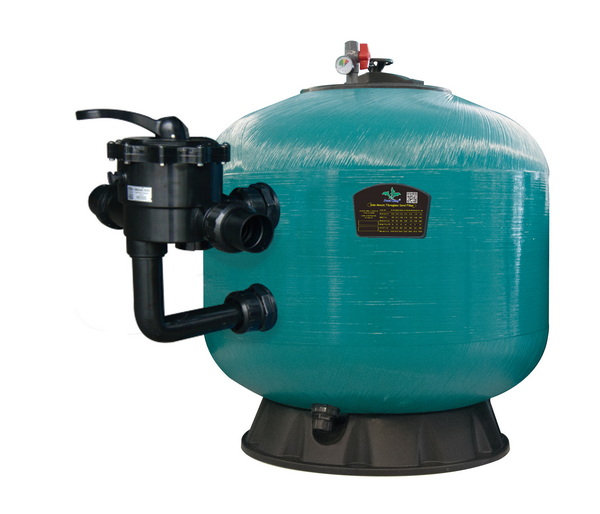
A cartridge filter uses a pleated polyester or paper‑like element housed in a small tank to strain dirt, leaves, body oils, cosmetics, and fine particles from your pool water. The pump forces water through the pleats, which trap debris while allowing clean water to return to the pool.[5][1]
- Above ground cartridge filters are common on soft‑sided and steel‑wall pools because they are compact, easy to install, and relatively low cost.[6]
- Compared with sand filters, cartridges usually capture finer particles and do not require backwashing, which saves water.[1]
There are two ways to look at frequency: a time‑based schedule and a performance‑based schedule. Both matter in real‑world pool maintenance.[7]
For typical domestic above ground pools:
- Rinse the cartridge with a garden hose every 1–4 weeks during the swimming season, depending on debris load and bather use.[8][7]
- Perform a deeper soak with a dedicated cartridge cleaner or mild detergent every 1–3 months in heavy‑use climates.[7]
Small cartridge pumps used on inflatable or frame pools often need even more frequent attention:
- Some consumer brands recommend cleaning or replacing the filter cartridge every 1–2 weeks to keep the pump running efficiently.[4]
Time alone is not enough; you should also monitor the pressure gauge if your filter has one.[5][1]
- Note the clean starting pressure right after installing a new or freshly cleaned cartridge (for example, 10 psi).
- Clean the cartridge whenever the gauge reads 8–10 psi higher than the starting pressure (for example, 18–20 psi).[5][7]
If your compact above ground system has no gauge, watch for these signs between regular cleanings:
- Weaker return jet flow or poor surface movement.
- Cloudy water that does not clear despite correct chemical balance.[9]
Manufacturers and service companies often express cartridge lifespan in working hours and years.[10][2]
- Many pool filter cartridges are rated for around 2,000 operating hours, which corresponds to roughly 1–3 seasons of typical residential use.[10][2]
- In practice, most owners replace cartridges about every 1–3 years, with some high‑quality units lasting up to 4–5 years under ideal conditions.[11][1][10]
Smaller, inexpensive cartridges on portable above ground pools often have a shorter useful life:
- Some guidance suggests 12–24 months for common above ground cartridges if water chemistry and cleaning routines are good.[12][13]
- Heavy sunscreen, body oils, fine dust, or algae can shorten this to a single season or less.[2][9]
Even with general rules, replacement timing is very pool‑specific. Several factors influence how often you need a new cartridge.[10][2]
- Pools used daily by families or parties introduce more sweat, skin cells, and cosmetics into the water, quickly clogging cartridges.[13][7]
- Light‑use above ground pools may allow a cartridge to last closer to the upper end of its expected lifespan.
- Trees, pollen, dust, and nearby construction sites increase fine debris and clog pleats faster.[14]
- Storms and heavy rain wash additional dirt into above ground pools, requiring more frequent cleaning or replacement.[7]
- Poorly balanced water, frequent algae blooms, or chronic cloudiness wear out cartridges faster because aggressive cleaning and chemicals are needed.[9][7]
- Maintaining correct sanitizer levels and pH helps protect the filter media and extend lifespan.[10]
- Oversized, premium cartridges usually last longer and maintain lower pressure for more hours than small entry‑level units.[13][1]
- Thin or low‑quality media can collapse, tear, or compress prematurely under normal pump pressure.[15]
Cleaning will not restore a cartridge forever. At some point, you must replace the element for effective filtration.[15][1]
- If the pressure gauge stays high even after a thorough cleaning, the internal pores are permanently clogged.[1][9]
- Weak return jet flow and difficulty maintaining water clarity despite repeated cleanings indicate the media is exhausted.[12]
Inspect the element during each cleaning:
- Cracks or breaks in the end caps mean the cartridge can no longer hold its shape or seal correctly.[16][17]
- Torn, frayed, or loose fabric, or flattened pleats, greatly reduces the effective surface area and filtration performance.[17][15]
Any of these issues means you should replace the cartridge immediately.
- When the interval between necessary cleanings becomes half of what it used to be, the cartridge has reached its effective “half‑life.”[1]
- For example, if the pressure used to rise 8–10 psi in 4 weeks but now rises within 1–2 weeks, the media is near the end of its service life.[9][1]
- Many service professionals recommend replacing residential pool cartridges about every 1–2 years, even if they appear visually acceptable, especially in demanding environments.[18][13]
- Others extend this to 3–5 years for oversized cartridges in clean, well‑maintained systems.[11][1]
To answer the core question in practical terms, here are simple guidelines for above ground pool owners.[4][2][1]
- Disposable above ground cartridges (small pumps, Bestway/Intex style)
- Rinse every 3–7 days during heavy use, or follow manufacturer schedule.[3][4]
- Replace every 2–8 weeks in very dirty water or when flow drops notably, and at least once per season.
- Standard residential cartridge systems on steel‑wall above ground pools
- Hose‑clean every 1–4 weeks in season; deep‑clean each quarter.[8][7]
- Replace every 1–3 years depending on bather load, environment, and water care.
- Premium, large‑surface cartridges
- Clean on pressure rise of 8–10 psi and at least several times per year.[5][7]
- Replace every 2–4+ years if performance and pressure remain stable and no visual damage exists.[11][10]
- Turn off the pump at the breaker or timer and close any valves if present.
- Open the air relief valve (if equipped) to release built‑up pressure from the tank.[5]
- Unscrew the locking ring or release the clamp holding the cartridge housing together.[5]
- Lift off the cover carefully, watching for remaining water or trapped air.
- Gently pull the cartridge straight up and out of the housing.
- Check for cracks in the end caps, loose or broken bands, torn pleats, and severe discoloration.[17][15]
If you see serious damage or if the element fails the performance tests discussed earlier, plan to replace it.
- For cleaning, use a garden hose with a fan nozzle angled at 45 degrees to rinse between pleats from top to bottom.[7]
- For replacement, insert a new OEM or high‑quality compatible cartridge that matches the model, length, and diameter specified by the manufacturer.[12][17]
Avoid high‑pressure washers or stiff brushes, which can tear or prematurely wear the filter media.[2]
- Reseat the cartridge in the housing and reinstall the lid and clamp or ring according to manufacturer torque or alignment marks.[5]
- Turn on the pump, bleed air from the system, then record the new clean starting pressure in your maintenance log.[7]
Good habits extend cartridge life and reduce how often you need replacements.[13][10]
- Maintain balanced pool chemistry and stable sanitizer levels to prevent algae and scaling on the media.[10]
- Use skimmer baskets, leaf nets, and robotic cleaners to reduce debris reaching the filter.[14]
- Rotate between two cartridges so each can dry fully between uses, helping maintain pleat shape and permeability.[9]
For overseas brands, importers, and pool equipment producers, partnering with a specialized cartridge and filtration system manufacturer helps you deliver reliable above ground pool packages to your customers.
A professional factory can support:
- Custom cartridge designs for above ground systems, including different diameters, lengths, and pleat areas to match your pump curves and target markets.
- Private‑label sand, DE, and cartridge filters, variable‑speed pumps, LED lights, and above ground accessories adapted to local electrical and safety standards.
- OEM packaging and documentation, allowing your brand to provide clear cartridge replacement and maintenance instructions in multiple languages to end users.
Above ground pool cartridge filters work hard every day to keep water clear, but no cartridge lasts forever. Most residential systems need cartridge cleaning every few weeks and replacement roughly every 1–3 years, sooner in harsh or high‑use conditions. Watching pressure, flow, water clarity, and visible cartridge condition gives a more reliable answer than time alone and protects both your pump and your swimmers.[2][1][7]
For brands, wholesalers, and pool equipment manufacturers, offering clear guidance on cleaning intervals and replacement timing—combined with well‑engineered OEM cartridge filters, sand filters, pumps, and LED lights—builds trust, reduces service issues, and improves the overall swimming experience for end users.
Most above ground pool owners replace cartridges about every 1–3 years, but heavy use, dirty environments, or poor water balance can shorten this to about 12–18 months. Small disposable cartridges on entry‑level systems may need replacement multiple times per season if the water is heavily loaded with debris.[3][4][1][9][10]
If pressure remains high, flow weak, or water cloudy even after a thorough cleaning, or if you see cracks in the end caps, torn pleats, or flattened areas, the cartridge should be replaced. Another red flag is when the time between required cleanings keeps getting shorter, indicating the media is permanently clogged.[16][15][1][9]
Yes, most above ground cartridges can be rinsed several times with a garden hose to extend life, but the thin media wears out faster than larger premium cartridges. Once the pleats stay stained, pressure builds quickly, or flow drops noticeably after each short run, replacement is more effective than repeated cleaning.[13][1][9][7]
Running the pump more hours increases total filtration time, so the cartridge accumulates debris faster and will reach its 2,000‑hour design life sooner. However, adequate runtime is essential for water clarity, so it is better to run the pump properly and budget for timely cartridge replacement than to under‑filter the pool.[2][10]
Oversized cartridges offer more surface area, lower operating pressure, and longer cleaning intervals, which can extend lifespan and improve clarity. Many pool professionals recommend using the largest cartridge your system and budget allow, especially for busy above ground pools exposed to heavy debris.[11][1]
Quality varies widely among generic cartridges; some match OEM performance, while others use thinner media, weaker end caps, or fewer pleats, leading to shorter life and poorer filtration. For critical applications or warranty compliance, many experts suggest using OEM or high‑quality branded cartridges that provide clear specifications and test data.[17][12]
[1](https://intheswim.com/blog/pool-filter-cartridges-when-to-clean-and-when-to-replace.html)
[2](https://www.flleisure.com/how-often-do-i-need-to-replace-the-cartridge-filter-element-on-my-pool)
[3](https://www.facebook.com/groups/637529959937311/posts/2306842489672708/)
[4](https://bestwayusa.com/blog/what-regular-maintenance-should-be-done-on-a-pool.html)
[5](https://lesliespool.com/blog/pro-tips-cartridge-filters-clean-replace.html)
[6](https://blog.watsons.com/blog/how-to-clean-above-ground-pool-filters)
[7](https://mrpoolman.com.au/blogs/news/how-often-should-i-clean-my-pool-filter-cartridge)
[8](https://naplespool.com/how-often-should-i-clean-my-pool-filter/)
[9](https://hurricane-pool-filters.com/blogs/insights/top-5-signs-its-time-to-replace-your-pool-filter-cartridge)
[10](https://www.1stdirectpools.com/blog/post/how-often-should-you-replace-swimming-pool-filter)
[11](https://hyclor.com.au/how-long-do-pool-filters-last/)
[12](https://aquapoolsupply.com/blogs/news/how-often-to-replace-your-hayward-pool-filter-cartridge)
[13](https://mrpoolman.com.au/blogs/news/how-long-does-a-cartridge-pool-filter-last)
[14](https://www.reddit.com/r/swimmingpools/comments/1by988d/how_often_do_you_clean_the_cartridge_filters/)
[15](https://diy.inyopools.com/article/5-signs-need-replace-filter-cartridge/)
[16](https://www.summerhillpools.com/pool-equipment/replace-filter-cartridges/)
[17](https://lesliespool.com/filter-cartridges/)
[18](https://www.reddit.com/r/pools/comments/168nydi/how_often_should_i_change_my_cartridge_filters/)
[19](https://www.youtube.com/watch?v=DPN7BQd3si0)
[20](https://www.youtube.com/watch?v=7j41LwqldS8)


