
Views: 222 Author: Tina Publish Time: 2025-08-02 Origin: Site


Content Menu
● Understanding Pool Sand Filters
>> How It Works
● How Much Sand Does a Pool Filter Need?
● Sand Quantity Chart by Filter Size
● Choosing the Right Pool Filter Sand
● How to Add or Replace Sand in Your Pool Filter
>> When To Replace Filter Sand:
>> Step-by-Step Guide to Replacing Sand:
● Pool Sand Filter Maintenance Tips
● Common Problems and Solutions
● Additional Tips to Maximize Your Sand Filter's Lifespan
>> 1. Can I use regular sand in my pool filter?
>> 2. How often should the sand be replaced?
>> 3. What signs indicate it's time to replace the sand?
>> 4. How do I estimate sand requirements if I lost the filter manual?
>> 5. Can I substitute sand with other media types?
Keeping your pool water crystal clear isn't just about chemicals—it starts with an efficient filtration system. The sand filter is the backbone of pool water clarity for millions of swimming pools worldwide, renowned for its reliability, ease of use, and cost-effectiveness. But the question remains: how much sand should be in a pool filter? In this comprehensive guide, we'll explore everything you need to know, from sand quantities for different filter sizes to media types, maintenance steps, troubleshooting, and frequently asked questions—complete with detailed explanations and practical tips to optimize your pool filtration system.
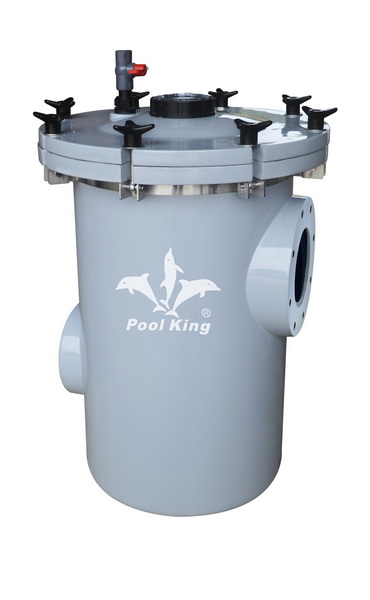
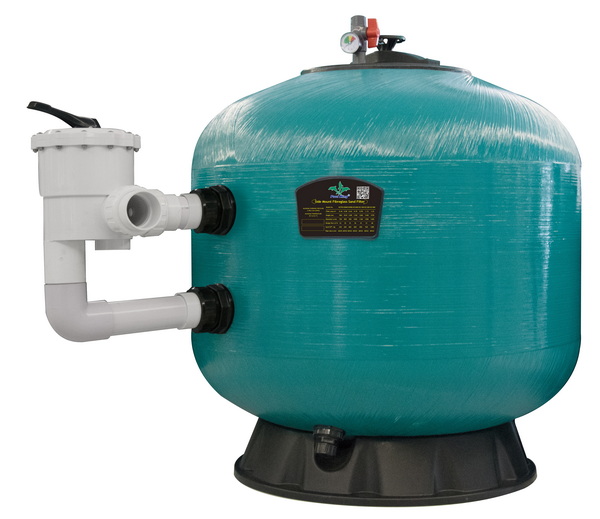
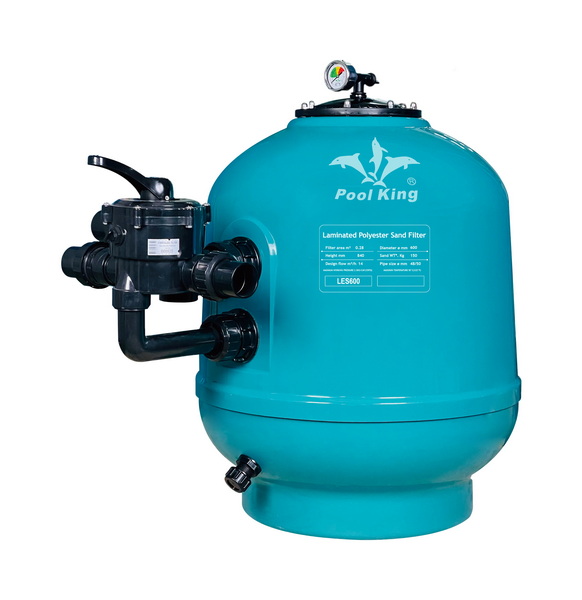
Sand filters are the most common filtration solution for both above-ground and in-ground pools. They function by forcing water through a large tank filled with a special kind of silica sand, which traps dirt and debris down to particles ranging from 20 to 40 microns in size—fine enough to keep your pool sparkling clear.
- Pool water is pumped into the filter tank, entering at the top and flowing downward.
- Water passes through a thick bed of sand, where debris and contaminants get trapped in the spaces between sand grains.
- Clean, filtered water exits through a lateral system at the bottom and returns to the swimming pool.
This simple yet effective mechanism requires the right amount and type of sand to ensure proper filtration without overworking the pump.
The correct amount of sand depends on the size of your filter tank, usually measured by its diameter in inches. A wide range exists—for residential pools it's commonly between 100 to 350 pounds, while commercial or large-scale pool filters may require as much as 700 pounds or more.
- Fill the filter to about two-thirds to three-quarters full of sand for optimal filtration efficiency.
- Too little sand causes incomplete filtration, resulting in cloudy water and potential algae blooms.
- Too much sand restricts water flow, putting excessive strain on the pump and risking filter damage.
- Always refer to your filter manufacturer's manual for precise sand quantities, as models vary.
- A 16-inch filter typically needs around 100 pounds of sand.
- A 24-inch filter generally requires about 300 pounds.
- Larger models like a 30-inch filter might use up to 500 pounds.
Here is a concise chart summarizing typical sand requirements for popular filter diameters. This serves as a general guideline—verify with your product manual.
Filter Diameter (inches) | Approximate Sand Needed (pounds) |
16 | 100 |
18 | 150 |
19 | 175 |
20 | 200 |
22 | 250 |
23 | 250 |
24 | 300 |
27 | 350 |
30 | 500 |
36 | 700 |
Rule of Thumb:
- Add roughly 25 pounds for every inch over 16" up to 20".
- For diameters 20" to 24", increase sand by about 50 pounds per 2 inches.
- Above 24", increments usually increase further.
Pool filters need specially graded sand to perform well. Using regular construction sand or beach sand is a common mistake that often leads to poor filtration or equipment damage.
- #20 Sila Sand: This is the most common filter sand, with a grain size between 0.45 to 0.55 mm. It's highly effective at trapping dirt particles while maintaining good water flow.
- Zeolite: An alternative filtration media that is porous and can remove ammonia compounds for enhanced water quality.
- Glass Media: Made from recycled crushed glass, this media offers finer filtration, resists bacterial growth, and reduces clumping compared to traditional sand.
- Always use pool-grade media, never construction sand.
- Check packaging for grain size specifications and suitability.
- If unsure, consult with your pool equipment supplier or manufacturer.
Replacing the sand in your pool filter may seem daunting, but with the right procedure, it can be a straightforward DIY task.
- Typically every 3 to 5 years depending on pool usage intensity and water conditions.
- Replace sooner if water remains cloudy despite treatments or if you notice poor filtration.
1. Turn Off Pool Pump: Ensure the pump and system valves are closed.
2. Relieve Pressure: Release air from the filter tank using the air relief valve.
3. Remove Multiport Valve or Top Cover: To access the sand, unscrew the top assembly carefully.
4. Remove Old Sand: Scoop out the sand manually or use a wet/dry vacuum. Dispose of old sand properly.
5. Clean Filter Tank: Rinse the interior thoroughly to remove debris and dirt.
6. Add New Sand: Pour in new filter sand carefully, using a deflector (such as a plastic cup or tarp) on the center standpipe to avoid sand clogging the internal laterals.
7. Fill to the Correct Level: Ensure sand fills to the manufacturer's recommended depth.
8. Reinstall the Valve Cover and Lubricate O-Rings: Prevent leaks with proper sealing.
9. Backwash the Filter: Run backwash for 2–3 minutes to clear any sand dust.
10. Resume Normal Operation: Open valves, turn on pump, and monitor pressure gauge.
Regular maintenance extends the life of your sand filter and keeps your pool water clean.
- Monitor Pressure Gauges: Rising pressure indicates your filter needs backwashing.
- Backwash Weekly: During heavy swimming season or high debris conditions, backwash more frequently.
- Check Water Clarity: Cloudy water often signals worn-out sand or incorrect media quantity.
- Inspect Multivalve and Seals: Tighten and replace worn O-rings to prevent leaks.
- Keep Area Clean: Remove leaves, bugs, and debris near the filter setup.
Problem | Possible Cause | Recommended Solution |
Sand returning to pool | Broken lateral pipe or too much sand | Replace laterals, reduce sand quantity to specified level |
Cloudy water | Old or insufficient sand, channeling | Replace sand, use correct grade & amount |
Loss of flow or pressure | Sand fine grains clogging or too much sand | Clean sand bed, verify media specifications |
Constant high pressure | Filter clogged, skipped backwashes | Backwash or replace sand as necessary |
Water leaks | Damaged O-rings, loose connections | Replace seals, tighten fittings |
1. Use Proper Backwashing Techniques: Follow manufacturer instructions carefully to avoid disturbing laterals.
2. Avoid Harsh Chemicals: Excessive use of certain chemicals can degrade sand or filter components.
3. Store Extra Sand Properly: Keep filter sand dry and covered, away from contaminants.
4. Install a Pre-Filter or Skimmer Basket: Reduce large debris entering the filter, extending sand life.
5. Professional Inspection: Schedule regular pool equipment checks to identify potential issues early.
The efficiency and longevity of your pool's filtration system directly depend on using the proper amount, type, and quality of sand or alternative filter media. Filling your sand filter to the correct level, choosing the right media, and performing regular maintenance will ensure consistently clear, healthy pool water and protect your equipment investment.
Always follow manufacturer guidelines, keep an eye on pressure levels, and don't hesitate to consult professionals if problems persist. With the knowledge and tips provided in this guide, you can confidently maintain your sand filter and enjoy a sparkling pool season after season.
No. Only use #20 silica sand or media specifically designed for pool filtration. Regular sand has inconsistent granule sizes that reduce filtration effectiveness and can damage the filter.
Typically every 3–5 years, depending on pool usage, water chemistry, and filter condition.
Cloudy water, persistent high filter pressure, sand returning to the pool, or slow filtration despite proper backwashing.
Measure the tank diameter and refer to the sand quantity chart above. Also, some filter tanks have sand level marking inside.
Yes, you can use zeolite or glass media to improve filtration but confirm compatibility with your filter model to avoid damage.


