
Views: 222 Author: Tina Publish Time: 2026-01-18 Origin: Site


Content Menu
● Typical Swimming Pool Pump Price Range
● Pump Type vs. Price and Running Cost
● Other Key Factors That Affect Pump Price
● Installation, Replacement, and Operating Costs
>> Installation and Replacement Labor
>> Electricity Cost to Run a Pump
● Example Price Ranges by Pump Category
● How to Size a Pool Pump Correctly
● Energy‑Saving Tips for Pool Pump Owners
● Noise Level and Comfort Around the Pool
● OEM and Wholesale Pool Pump Supply for Brands and Importers
● FAQs About Swimming Pool Pump Costs
>> 1. What is the cheapest type of pool pump?
>> 2. How much does it cost to replace a pool pump?
>> 3. Are variable‑speed pool pumps worth the higher price?
>> 4. How much does it cost per month to run a swimming pool pump?
>> 5. Do solar pool pumps really save money?
>> 6. How do I choose the right pump size for my pool?
How much a swimming pool pump costs depends on the pump type, horsepower, brand, and how complex your pool system is, with most homeowners paying somewhere between 800 and 2,000 USD for a complete replacement including installation. Over the life of the pool, electricity consumption often becomes more expensive than the pump itself, which is why energy‑efficient variable‑speed models are rapidly becoming the default choice.
A swimming pool pump is the heart of your circulation system, pushing water through the filter so your pool stays clean, clear, and safe to use. When you ask “how much is a swimming pool pump?”, you need to consider more than the price tag on the box: the true cost includes the purchase price, installation, and the energy required to run the pump for many hours every day over many years.
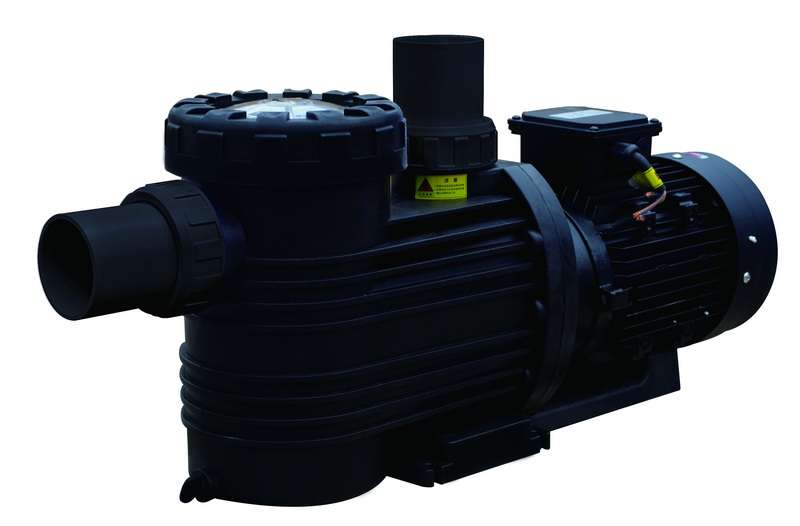
Most homeowners pay a few hundred to a few thousand dollars for a new pool pump, depending on whether it is a basic replacement or an upgraded system. In many residential cases, the combined cost of the pump unit and professional installation falls between about 800 and 2,000 USD, though very simple or very complex projects can sit outside that range.
As a general guide:
- Entry‑level residential pump units often start around 250–300 USD and climb to over 4,000 USD for larger, high‑performance models.
- Single‑speed pumps sit at the low end of the spectrum, while variable‑speed and specialty high‑head pumps sit at the higher end.
- If additional work is required (new valves, plumbing modifications, or electrical upgrades), the final invoice can easily be several hundred dollars higher than the pump price alone.
Choosing the right pump type is the single most important decision for both upfront and long‑term cost. Different technologies not only have different price tags, but also very different electricity usage patterns, noise levels, and lifespans.
Single‑speed pumps run at one constant speed whenever they are switched on. They are the traditional option and are usually the cheapest pumps to purchase.
- Typical unit prices for many residential single‑speed models fall roughly between 300 and 600 USD.
- Because they always run at full speed, they tend to consume more electricity than any other pump type, often becoming one of the largest energy users in a home with a pool.
- In some regions, new regulations are restricting or phasing out new single‑speed installations in favor of higher‑efficiency technologies.
Dual‑speed pumps offer a high‑speed and a low‑speed setting. They provide a middle ground between old single‑speed designs and modern variable‑speed models.
- Purchase prices commonly range from about 300 to 1,000 USD depending on brand and horsepower.
- Running the pump on the low‑speed setting for everyday filtration can cut energy use and noise, while high speed is used only when necessary (for example, for certain water features or vacuuming).
- Dual‑speed pumps are a sensible choice for owners who want to reduce energy bills without paying the full premium for a top‑tier variable‑speed unit.
Variable‑speed pumps use advanced motors (often permanent magnet or “ECM” motors) and electronic controls that allow a wide range of programmable speeds. This flexibility creates significant efficiency gains.
- Unit prices usually start around 800 USD and can reach 1,500–2,500 USD or more for large, feature‑rich models.
- When correctly programmed, many variable‑speed pumps operate most of the day at relatively low wattages, dramatically reducing energy consumption compared with single‑speed units.
- In real‑world scenarios, savings of 50–80% on pump electricity use are common, allowing many pool owners to recover the extra purchase price in about one to two years.
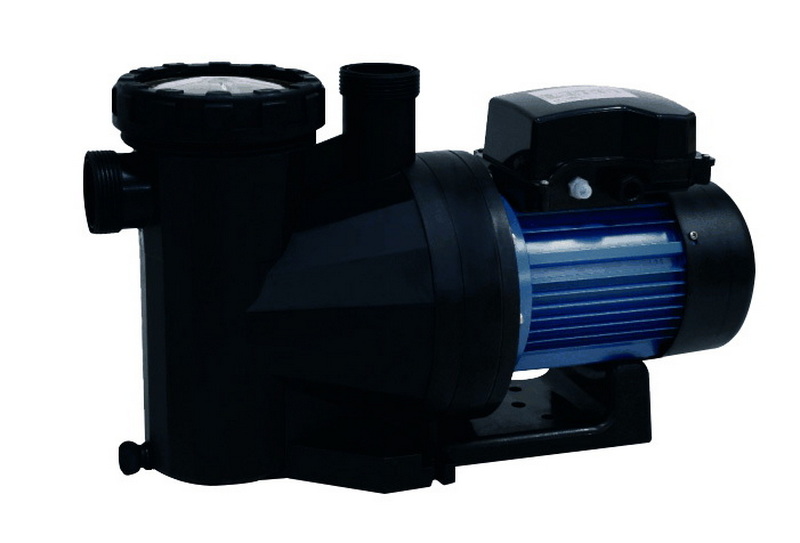
Beyond pump type, several technical and site‑specific variables influence how much your swimming pool pump will cost.
- Horsepower and flow rate: Higher horsepower, greater flow capacity, and higher head ratings usually mean higher prices. Large inground pools, complex plumbing, or built‑in water features often require more powerful, more expensive pumps.
- Pool size and plumbing layout: Long plumbing runs, many elbows, raised spas, and elevated features increase resistance and force the pump to work harder, which may require a larger model.
- Automation and smart control: Modern pumps often integrate with pool automation systems and smart‑home platforms. This adds convenience and efficiency, but also increases upfront cost.
- Brand, build quality, and warranty: Well‑known brands that invest in hydraulic design, quiet operation, and long warranties typically charge more, but the total cost of ownership can be lower thanks to reduced failures and better support.
- Local codes and efficiency standards: In some areas, building or energy codes require high‑efficiency or ENERGY STAR‑certified pumps, which can narrow your options and affect price.
The pump price is only one part of the budget. Labor and energy can easily exceed the initial hardware cost over time, so it is essential to look at the full ownership picture.
Labor costs depend on local rates, job complexity, and whether any re‑plumbing or rewiring is needed.
- For a straightforward like‑for‑like replacement, many pool owners see labor charges in the 100–400 USD range.
- A typical total replacement bill (pump plus labor) often starts around 800–1,000 USD and can reach 2,000 USD or more, especially for higher‑end variable‑speed or high‑head models.
- If the installer must move equipment, add shutoff valves, upgrade wiring, connect to automation, or swap from one pump type to another, expect additional labor fees.
Over the life of the pool, the electricity required to run the pump can cost more than the pump itself. That is why efficiency is so important.
- Pool pumps typically draw between about 500 and 2,500 watts depending on size, speed, and design.
- Monthly running costs often range from roughly 30 to 200 USD, depending on local electricity rates, pump efficiency, and how many hours per day the pump operates.
- An older single‑speed pump running at full power for 8 or more hours a day can consume around a couple of thousand kilowatt‑hours per year, while a correctly programmed variable‑speed pump may use only a fraction of that.
- Real‑world examples show that replacing a 1.5 HP single‑speed pump with a variable‑speed model can cut power draw from well over a kilowatt to just a few hundred watts during normal operation, saving tens of dollars per month and hundreds per year.
The table below summarizes realistic price brackets for typical residential pools. Actual prices vary by region, brand, and pool design, but these ranges provide a useful starting point.
| Pump category | Typical unit price (USD) | Installed cost range (USD) | Notes |
|---|---|---|---|
| Single‑speed | 300–600 | 300–1,000+ | Lowest upfront cost, highest energy use |
| Dual‑speed | 300–1,000 | 300–1,600+ | Moderate efficiency improvement |
| Variable‑speed | 800–2,000+ | 800–2,500+ | Highest efficiency, fastest payback |
| Medium‑head | 400–2,500 | 700–3,000+ | Typical inground pool applications |
| High‑head | 1,250–4,000+ | 1,500–4,500+ | Complex pools and strong water features |
| Solar pump systems | 1,500–4,500+ | 1,500–4,500+ | Includes pump, solar panels, and controls |
A correctly sized pump balances water clarity, energy use, and equipment lifespan. Oversizing and undersizing both create problems, so it is worth taking the time to size the pump properly.
- Know your pool volume: Calculate the volume of your pool in liters or gallons based on its dimensions and shape. Even simple approximations (length × width × average depth × a shape factor) give a useful starting point.
- Target a reasonable turnover time: Industry guidance commonly suggests that the entire volume of pool water should pass through the filtration system at least once every 6–8 hours for most residential pools.
- Convert volume to flow rate: Divide your pool volume by the desired turnover time to get the minimum flow rate required. This figure (usually expressed in gallons per minute or cubic meters per hour) helps you select an appropriate pump.
- Account for features and piping: If the pool includes waterfalls, spas, fountains, long plumbing runs, or many tight elbows and fittings, the pump must overcome higher resistance. In such cases, you may need a slightly more powerful pump or one designed for higher head.
- Consult performance curves: Reliable pump manufacturers publish performance curves showing flow versus head for each model. Match your required flow rate and estimated system head to a point on the curve to choose a pump that can handle your system without being excessively large.
Even the best pump can waste energy if operated incorrectly. Simple adjustments to speed, run time, and maintenance can significantly reduce operating costs.
- Run at the lowest effective speed: For variable‑speed pumps, programming a low speed for most of the day is one of the most powerful energy‑saving strategies. Reducing pump speed by half can cut power consumption dramatically because pump power scales roughly with the cube of speed.
- Optimize daily run time: Many residential pools do not need the pump to run 24 hours a day. Once the system can achieve at least one full turnover per day, additional run time often adds little benefit but increases your power bill. Depending on pool size and usage, 6–10 hours per day is enough in many climates.
- Use timers and off‑peak rates: Automatic timers, smart controllers, and utility off‑peak pricing can help you shift pump operation to cheaper hours, which saves money without sacrificing water quality.
- Keep filters and baskets clean: A dirty filter or clogged pump basket forces the pump to work harder. Regularly cleaning these components maintains strong flow at lower speeds, which lowers energy use and extends pump life.
- Consider ENERGY STAR‑certified pumps: Pumps that meet independent efficiency standards usually include optimized hydraulics and motors that deliver more circulation per watt. Over the life of the pump, these models can save hundreds of dollars in electricity.
Price and energy efficiency matter, but comfort and sound levels also play a big role in your overall experience. A quieter pump can make a backyard feel more relaxing and premium.
- Traditional single‑speed pumps can be surprisingly loud, especially when installed near patios, decks, or neighboring properties.
- Modern variable‑speed designs running at low RPM are much quieter and often blend into background noise, making conversations and outdoor activities more pleasant.
- For particularly noise‑sensitive installations, specialized “quiet” pump models, acoustic covers, and well‑planned equipment locations all help reduce sound without compromising performance.
For overseas brands, distributors, and project contractors, the important question is not just “how much is a swimming pool pump?” but also “how competitive and reliable is the supply chain behind it?”. Professional factories in China play a central role in this global market.
These factories use advanced injection molding machines, automated motor winding, and precision testing equipment to produce complete circulation and filtration systems at scale. Typical product lines include:
- Pool pumps for above‑ground and inground pools in single‑speed, dual‑speed, and variable‑speed configurations.
- Sand filters, DE filters, cartridge filters, and complete filter‑pump sets designed for easy installation and service.
- Supporting equipment such as pool water pumps, LED underwater lights, control boxes, and a wide range of plastic and metal accessories.
OEM and private‑label services allow foreign brands and wholesalers to customize:
- Pump appearance (housing color, handle design, label layout, and packaging).
- Technical parameters (voltage, frequency, horsepower, flow curve, motor type, and protection degree).
- Certification and documentation (CE, UKCA, SAA, ETL, CB, test reports, and installation manuals in local languages).
By working directly with a specialized factory, overseas partners can combine competitive ex‑works pricing with strong quality control and flexible order volumes. Matching high‑efficiency pumps with correctly sized sand filters also helps reduce warranty claims and improves end‑user satisfaction, which in turn strengthens the importer's brand reputation in local markets.
If you operate as a pool equipment brand owner, national distributor, or pool project company, partnering with a manufacturer that offers pump, filter, water pump, LED light, and accessory production under one roof can simplify your supply chain and ensure consistent product styling across your entire portfolio.
A swimming pool pump can cost anywhere from around 250 USD for a basic single‑speed unit to more than 4,000 USD for advanced high‑head or solar‑assisted systems, with most residential replacement projects ending up between about 800 and 2,000 USD once installation is included. While single‑speed pumps are the cheapest to buy, they are usually the most expensive to run, which is why dual‑speed and especially variable‑speed models have become the preferred choice for homeowners and professionals who want to reduce long‑term electricity costs. By carefully sizing the pump to your pool volume, plumbing, and special features, and by optimizing daily run time, speed settings, and maintenance, you can keep the water crystal clear while minimizing noise, energy consumption, and total cost of ownership over the life of the pool.
Contact us to get more information!
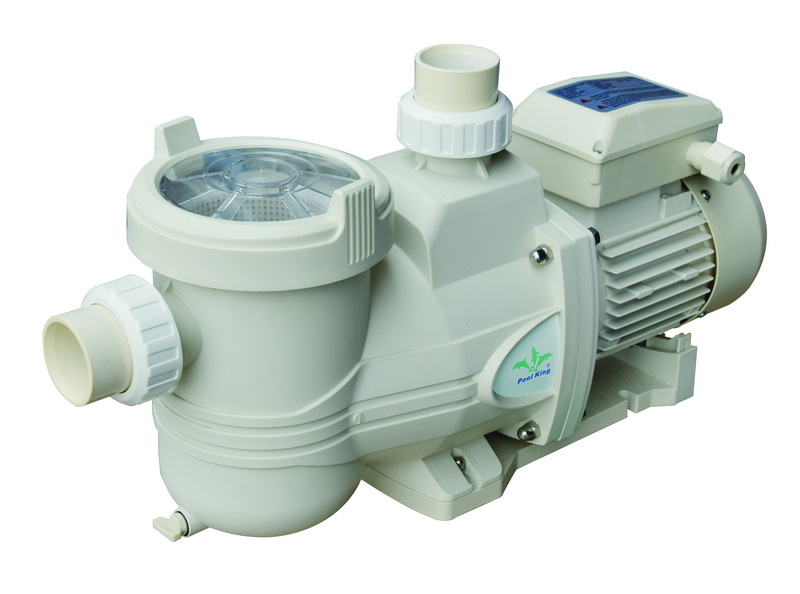
The cheapest type of pool pump to purchase is usually a basic single‑speed pump, with many residential models priced in the 300–600 USD range. However, these pumps tend to use the most electricity, so over several years they can cost more to own than a more efficient dual‑speed or variable‑speed pump.
For most homeowners, replacing a pool pump, including the new pump and professional installation, typically costs between about 800 and 2,000 USD. The final amount depends on the pump type, brand, horsepower, and whether any extra plumbing, electrical work, or automation integration is required.
Variable‑speed pumps usually cost more upfront, often starting around 800 USD and going upward from there, but they can cut pump energy use by 50–80% in many real‑world installations. In practice, this often means the extra purchase cost is recovered in one to two years through lower electricity bills, and the owner continues to save money every month afterward.
Monthly running costs depend on pump size, efficiency, daily run time, and local energy prices, but for many residential pools the pump adds roughly 30–200 USD per month to the electricity bill. Using a variable‑speed pump, reducing daily run time to the minimum needed for proper turnover, and scheduling operation during off‑peak hours can keep your costs toward the lower end of that range.
Solar pool pumps require a higher initial investment because the system includes the pump, solar panels, mounts, and sometimes a dedicated controller, with complete setups often costing from about 1,500 USD to well over 4,500 USD. In sunny regions, however, these systems can significantly reduce or even eliminate grid electricity use for circulation, making them attractive for eco‑conscious owners and for commercial projects that want to showcase sustainability.
To select the right pump size, calculate your pool volume, decide on a reasonable turnover time (commonly 6–8 hours for residential pools), and convert that into a required flow rate. Then, consider the resistance created by your plumbing and any water features, and choose a pump whose performance curve shows that it can deliver the needed flow at that system head without being excessively large.
1. https://www.homeadvisor.com/cost/swimming-pools-hot-tubs-and-saunas/install-replace-pool-pump/
2. https://www.homewyse.com/services/cost_to_replace_pool_pump.html
3. https://blogs.aiper.com/us/pool-pump-costs-analysis-2025/
4. https://www.jackery.com/blogs/knowledge/how-much-it-costs-to-run-a-pool-pump
5. https://solartechonline.com/blog/pool-pump-electricity-usage-cost-guide/
6. https://shastapoolsupply.com/blogs/news/variable-speed-pool-pumps-pool-efficiency-guide
7. https://www.waterlinecontrols.com/how-much-does-it-cost-to-replace-a-pool-pump/
8. https://intheswim.com/inground-pool-pumps/
9. https://guide.pge.com/products/pool_pumps
10. https://www.chooseenergy.com/energy-resources/pool-pump-settings-for-energy-savings/
11. https://www.energy.gov/energysaver/choosing-installing-and-operating-efficient-swimming-pool-pump
12. https://nonstopswim.com/blogs/news/how-much-do-pool-pumps-cost-to-run-your-complete-guide
13. https://www.rafsun.com/real-cost-rto-install-a-solar-pool-pump-system/
14. https://www.lesliespool.com/blog/pool-pump-sizing-101.html
15. https://liquiduspools.com/blog/run-your-pool-pump/


