
Views: 222 Author: Tina Publish Time: 2025-11-30 Origin: Site


Content Menu
● Typical price ranges for pool filter pumps
● Cost difference: above‑ground vs in‑ground
● Installation and labor costs
● Other factors that change “how much is a pool filter pump”
● How to choose the right pool filter pump for your budget
● Maintenance costs and service life
● Frequently Asked Questions about “how much is a pool filter pump”
>> 1. Why do variable‑speed pool filter pumps cost more?
>> 2. Is it cheaper to replace only the pump instead of the whole pump‑and‑filter system?
>> 3. Are above‑ground pool filter pumps always cheaper?
>> 4. How much can I save on electricity with an efficient pool filter pump?
>> 5. What extra costs should I expect when upgrading my pump and sand filter?
“How much is a pool filter pump” is a question with more than one answer: most residential pool owners pay roughly 300–1,600 USD for a pool filter pump including basic installation, with small above‑ground units at the low end and large variable‑speed in‑ground pumps at the high end. The exact price depends on pump type, pool size, brand, efficiency level, and whether you need only the pump, a full filter‑and‑pump set, or a complete equipment upgrade.[1][2][3][4][5]
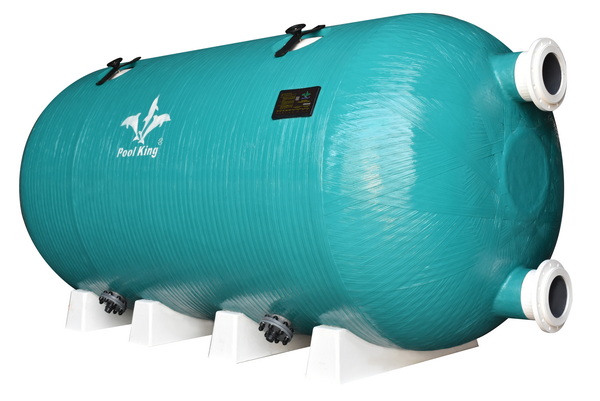
A pool filter pump is the “heart” of the circulation system, drawing water from the pool, pushing it through the filter, and returning clean, treated water back to the pool. Without a properly sized pump and filter working together, water quickly becomes cloudy, unsafe, and difficult to maintain.[5][6]
- The pump provides water flow and pressure.
- The filter (sand, cartridge, or DE) removes dirt, debris, and fine particles.
- Together, they determine water clarity, energy use, and overall operating cost.[2][6]
In modern pool systems, the pump is often integrated with timers, smart controls, and sometimes with full‑set filtration packages that include sand filters, valves, and accessories for easier installation.[7][8]
When customers ask “how much is a pool filter pump,” they usually mean the combined cost of the pump itself plus basic installation. The following ranges summarize current market prices for 2025 for residential applications.[3][9][4]
- Above‑ground pool filter pumps
- Pump unit: about 150–400 USD.
- With installation or upgrade work: around 300–700 USD in many markets.[9][4]
- Standard in‑ground single‑speed pumps
- Pump unit: roughly 200–800+ USD, depending on horsepower and brand.[3]
- Typical installed price: 300–900 USD including labor.[1][3]
- Dual‑speed pool pumps
- Unit price commonly 400–1,000 USD.
- Installed cost: around 400–1,200 USD, depending on wiring and plumbing complexity.[1][3]
- Variable‑speed (energy‑efficient) pumps
- Pump unit: usually 800–1,500 USD.[9]
- Installed price: about 800–2,000+ USD due to more advanced motors and controls.[3][1]
- High‑performance or light commercial pumps
- Unit price often 1,500–3,000+ USD.
- Full installed system for large/commercial pools may reach 2,000–5,000 USD or more.[5][9]
If a customer replaces the entire set—pump plus filter—the filtration system alone can add 300–1,700 USD, depending on filter type and size.[2][3]
Above‑ground pool pumps and filter systems are simpler, smaller, and usually much cheaper than in‑ground equipment. In‑ground systems handle higher heads, more complex plumbing, and larger volumes, so the hardware and installation cost more.[10][4][5]
- Above‑ground pump + filter: commonly in the low hundreds of dollars for basic sets.[7][9]
- In‑ground pump + filter: full systems often total 1,100–3,500+ USD, especially with sand filters, larger pipe sizes, and professional installation.[2][5]
For new in‑ground pools, pump and filter costs are only a small part of total project budgets, which can easily exceed 30,000 USD, but the correct choice here has a big impact on running costs.[11]
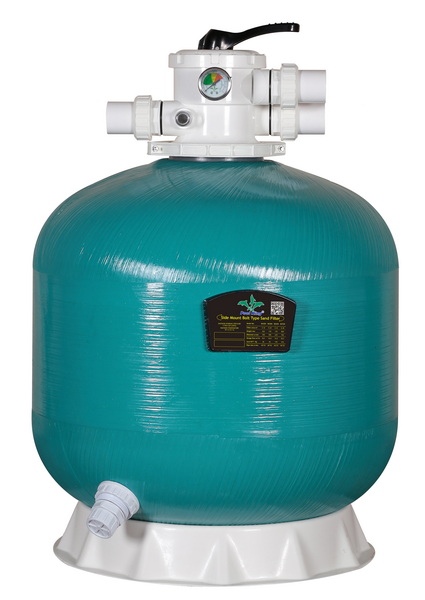
The type of pump is one of the main drivers of “how much is a pool filter pump” in real projects.[1][3]
- Single‑speed pumps
- Lowest purchase price.
- Typical installed cost: 300–900 USD.[3][1]
- Higher long‑term electricity costs because the motor always runs at full speed.[6]
- Dual‑speed pumps
- Medium upfront price, medium savings.
- Installed cost: 400–1,000+ USD in many regions.[1][3]
- Can run on low speed for normal filtration and high speed for backwashing or spa jets.
- Variable‑speed pumps (VS pumps)
- Highest initial investment, often 800–2,000 USD installed.[9][1]
- Use permanent‑magnet motors and electronics that can reduce energy use by 70–80% compared with single‑speed pumps when properly programmed.[12][13]
- In many cases pay for themselves in a few seasons through electricity savings, and in some markets are now effectively the default option due to efficiency regulations.[8][6]
Because electricity prices continue to rise in many countries, more homeowners accept higher initial cost for a VS pump to get lower monthly bills.[14][13][12]
Even if the pump price looks attractive, total cost depends heavily on installation.[4][1]
- A basic replacement, where the new pump matches the old plumbing and power supply, may cost 300–900 USD in total for standard single‑speed models.[3][1]
- National averages for pool pump installation (labor plus materials) are often listed between 700 and 4,000 USD, with complex in‑ground and variable‑speed setups at the high end.[15][4]
- Some cost guides show typical installation ranges around 717–877 USD, assuming no major plumbing changes.[1]
Extra work—such as moving the equipment pad, upgrading electrical lines, adding timers, or re‑piping to a new sand filter—can easily push labor costs much higher.[5][1]
When answering “how much is a pool filter pump,” many professionals also consider hidden or indirect costs.[6][5]
- Pool size and volume: Larger pools need higher‑horsepower pumps, which cost more to buy and run.[3][1]
- Filter type: Sand, cartridge, and DE filters have different purchase prices, backwash requirements, and maintenance needs, which influence total life‑cycle cost.[2][5]
- Energy efficiency: ENERGY STAR‑certified and high‑efficiency pumps cost more up front but use significantly less electricity and often receive local rebates.[8][6]
- Brand and warranty: Premium brands with longer warranties and strong service networks may charge more for pumps and full filter‑pump sets.[16][7]
- Automation and smart features: Integrated controls, Wi‑Fi, or complete smart‑pad kits add both value and price.[15][8]
For commercial clients and high‑end residential pools, life‑cycle cost over 5–10 years is usually more important than the cheapest possible initial price.[13][6]
When guiding homeowners or commercial buyers, it helps to connect price levels with practical selection rules.[6][5]
1. Clarify pool type and volume
- Above‑ground vs in‑ground, total water volume, and plumbing layout.
- These determine the minimum pump size and filter capacity required.[5][1]
2. Set a budget range
- Entry‑level above‑ground systems: a few hundred dollars.
- Quality in‑ground variable‑speed package with sand filter: easily over 1,500–2,000 USD installed.[4][9][2]
3. Decide on efficiency vs low initial price
- If the customer runs the pool many hours per day or pays high electricity rates, variable‑speed pumps quickly pay back.[14][12][8]
- For small seasonal above‑ground pools, a simpler single‑speed set can still make economic sense.[9]
4. Match pump to filter
- Oversized pumps with small filters increase pressure, waste energy, and can damage equipment.
- Correct pairing—such as a medium‑head pump with an appropriately sized sand filter—improves both water clarity and energy performance.[2][5]
5. Consider long‑term service and OEM options
- For brands, wholesalers, and manufacturers, stable OEM supply of sand filters, DE filters, cartridge filters, pumps, and LED accessories keeps lifecycle cost predictable and supports private‑label strategies in different markets.
The purchase price answers only part of “how much is a pool filter pump”; monthly electricity use can exceed the original pump cost over its life.[12][14]
- Variable‑speed and multi‑speed pumps can reduce energy consumption by around 70–80%, and in some estimates up to about 90%, compared with traditional single‑speed designs.[13][12][8]
- Certified high‑efficiency in‑ground pumps may use roughly 20% less energy than standard models even at similar flow outputs.[6]
- For heavy‑use pools, these savings often recover the higher pump cost within a couple of years, especially in regions with expensive electricity.[14][8]
When presenting quotes, it is effective to show buyers both the upfront price and a simple projection of annual energy savings between pump options.
Good information on “how much is a pool filter pump” should also mention maintenance and replacement frequency.[17][3]
- Average pumps can last many seasons, but bearings, seals, and motors eventually fail and require replacement components that may cost tens to hundreds of dollars.[3]
- Some cost studies show typical pump replacement totals in the 700–950+ USD range when both parts and labor are included.[17][15]
- Variable‑speed models, although more complex, often run at lower speeds for most of their life, which can reduce wear and extend service life.[13][8]
A well‑matched pump and sand filter combination, produced with precise machining and durable materials, helps reduce unplanned downtime and warranty claims for both end users and OEM partners.
“How much is a pool filter pump” depends on several interacting factors: pool type, pump technology, filter size, installation complexity, and energy efficiency. For most homeowners, total costs fall roughly between 300 and 1,600 USD for residential pump replacement, while complete high‑performance systems and smart variable‑speed sets can reach several thousand dollars but offer substantial long‑term energy savings. By clearly explaining these trade‑offs and offering well‑engineered sand filters, DE and cartridge filters, pumps, LED lights, and accessories, OEM manufacturers can help overseas brands, wholesalers, and pool builders select the best balance of price, performance, and lifetime value.[4][9][2][3]
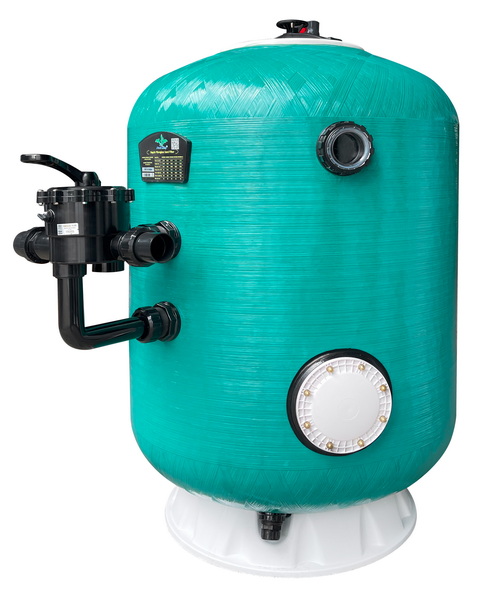
Variable‑speed pumps use advanced permanent‑magnet motors and electronic controls that allow precise speed adjustment, which increases production cost compared with simple single‑speed motors. However, they can cut energy consumption by 70–80% or more and often pay back the higher purchase price within a few seasons of operation.[12][8][14][13]
Replacing only the pump is usually cheaper in the short term, because a new filter can add 300–1,700 USD to the equipment bill plus extra labor. But if the existing filter is undersized, corroded, or mismatched to the new pump, upgrading both together can improve water quality, reduce strain, and lower energy use over the life of the system.[5][2][3]
Above‑ground pumps and filters are generally smaller and simpler, so their unit prices and installation costs are typically lower than in‑ground equipment. Still, some large or premium above‑ground sets with higher flow rates, better materials, or integrated controls can approach the price of basic in‑ground systems.[10][7][9]
Owners who switch from a conventional single‑speed pump to a properly programmed variable‑speed unit can often reduce electricity use by 70–80%, and some calculators estimate potential savings of up to around 90% in favorable conditions. These savings can translate into hundreds of dollars per year, depending on pool size and local energy prices.[8][14][12][13][6]
In addition to the pump and filter themselves, budgets should include labor, new valves or multiport heads, possible re‑piping, and any needed electrical upgrades or automation controls. For many residential projects, this can push total upgrade costs into the 700–2,000+ USD range, with larger, more complex in‑ground systems costing even more.[15][4][5][1]
[1](https://homegnome.com/blog/cost/pool-pump-installation-price/)
[2](https://www.homeadvisor.com/cost/swimming-pools-hot-tubs-and-saunas/pool-filters/)
[3](https://homeguide.com/costs/pool-pump-cost)
[4](https://www.homeadvisor.com/cost/swimming-pools-hot-tubs-and-saunas/install-replace-pool-pump/)
[5](https://poolfilterinfo.com/comparing-inground-and-above-ground-pool-pump-and-filter-systems/)
[6](https://www.energystar.gov/products/pool_pumps)
[7](https://swimmingpool.en.made-in-china.com/product-group/CqyEaMvPXUhf/Swimming-Pool-Full-Set-Equipment-catalog-1.html)
[8](https://www.pentair.com/en-us/pool-spa/education-support/homeowner-support/calculators/pool-pump-savings-calculator.html)
[9](https://www.waterlinecontrols.com/how-much-is-a-pool-pump/)
[10](https://www.poolsupplies.com/blog/post/6-differences-between-inground-and-above-ground-pool-pumps)
[11](https://pleasantpools.com/above-ground-vs-in-ground-pools-cost-and-benefits-guide/)
[12](https://waterco.com.sg/news-events/blog/2024/variable-speed-pool-pumps-guide)
[13](https://www.fluidra.com/commercial-solutions/inspiration/blog/variable-speed-pump/)
[14](https://www.cleanenergyconnection.org/article/variable-speed-pool-pumps-really-do-save-you-money-heres-how)
[15](https://blogs.aiper.com/us/pool-pump-costs-analysis-2025/)
[16](https://waterco.com.sg/pool-spa/pool-pumps)
[17](https://www.brianspoolcare.com/pool-pump-replacement-costs-2025/)
[18](https://www.angi.com/articles/pool-pump-cost.htm)
[19](https://www.reddit.com/r/pools/comments/1jc1mn2/what_would_you_choose_if_replacing_all_of_your/)
[20](https://www.reddit.com/r/pools/comments/1jbcrty/cheap_pumps_vs_expensive_pumps/)


