


Content Menu
● How Much DE Is Required in a Pool Filter?
>> Common Filter Sizes and DE Amounts
>> Why Proper Measurement Matters
● Detailed Steps to Add DE Powder to Your Pool Filter
>> 4. Add the DE Powder Safely
● Common Mistakes and How to Avoid Them
● Maintenance Tips for Long-lasting DE Pool Filters
>> Replace Components as Needed
● Safety Considerations When Handling DE Powder
● Frequently Asked Questions (FAQs)
>> 1. How often should I add DE powder to my pool filter?
>> 2. Can I add too much DE powder to the filter?
>> 3. Is it safe to breathe in DE powder during application?
>> 4. What does a high pressure reading on the filter gauge indicate after adding DE?
>> 5. Can I reuse DE powder from the previous cleaning?
Maintaining crystal clear and healthy pool water is a priority for every pool owner. Among the many elements involved in pool maintenance, the filtration system plays a vital role. One of the most effective filtration solutions is the Diatomaceous Earth (DE) pool filter, known for its superior ability to capture microscopic debris. But a common question arises: "How much DE should I add in my pool filter?"
This article provides a comprehensive guide specifying the proper amount of DE powder required based on filter size, detailed step-by-step instructions for adding DE, common pitfalls to avoid, maintenance best practices, and safety considerations. Moreover, it incorporates visual and practical insights to help pool owners optimize their DE filtration system's efficiency and extend its lifespan. This extensive guide will leave you confident in handling your pool filtration like a pro.

DE, or Diatomaceous Earth, filters are considered one of the highest quality pool filtration systems available on the market. Unlike sand or cartridge filters, DE filters use a fine white powder made from fossilized remains of microscopic aquatic organisms called diatoms.
When the DE powder coats the internal filter grids, it forms a thick, porous layer capable of trapping dirt, algae, and even particles as small as 3 to 5 microns in size. This means DE filters can capture much smaller debris compared to sand filters, which typically filter particles down to 20-40 microns.
- Filter Grids: Thin grids inside the filter are coated with the DE powder, which acts as the filtration medium.
- Pump and Valve System: Water is pumped through the grids, where debris is trapped in the DE layer.
- Pressure Gauge: Monitors the internal pressure to indicate when cleaning or backwashing is needed.
- Multi-port Valve: Controls the filtration settings, including filter, backwash, rinse, and waste options.
- Air Relief Valve: Allows air trapped inside the filter system to be safely released.
The exceptional filtration capability of DE filters comes with the responsibility of proper DE powder application and routine maintenance to ensure the system runs smoothly.
Knowing the correct amount of DE powder to add is critical. Too little DE compromises filtration effectiveness, while too much can clog the system and strain the pump.
Most DE filter manufacturers recommend 1 pound of DE powder for every 10 square feet of filter grid area during a full cleaning or new filter installation. After backwashing—which is a partial cleaning process—you typically need to add about 80% of the initial full cleaning amount, since some DE remains on the filter grids.
| Filter Area (sq. ft.) | DE Powder Needed After Full Cleaning (lbs) | Approximate DE Powder After Backwash (lbs) |
|---|---|---|
| 24 | 2.4 | 1.9 |
| 36 | 3.6 | 2.8 |
| 48 | 4.8 | 3.8 |
| 60 | 6.0 | 4.8 |
| 72 | 7.2 | 5.7 |
For example, a 36 sq. ft. filter requires 3.6 pounds of DE powder after a full cleaning and around 2.8 pounds after backwashing.
Adding the correct amount of DE powder balances filtration efficiency and water flow:
- Too much DE: Causes excessive pressure buildup, possible damage to filter grids, and clogged pipes.
- Too little DE: Results in poor filtration with dirt, algae, and fine particles bypassing the filter.
Some pool owners keep a scale or measuring cup handy for precise quantification of DE powder each time it needs replenishing.
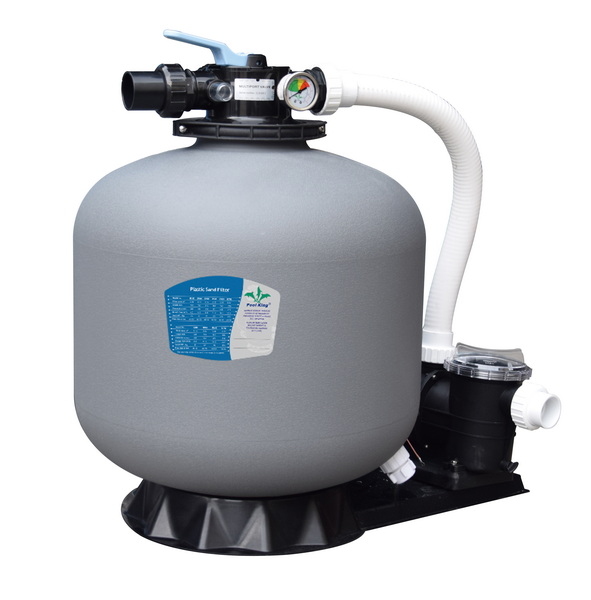
Following the recommended procedure is key to optimal DE filter performance and safety. Here's a detailed step-by-step guide:
- Turn off the pool pump completely at the circuit breaker to avoid accidental operation during handling.
- Set the multi-port valve to the “Filter” position to ensure all water passes through the filtration system.
- Open the air relief valve on the top of the filter to discharge any trapped air. This step reduces internal pressure and prevents airlock.
- Turn the pool pump back on and observe until it reaches a stable, steady flow.
- Once the water is flowing steadily from the air relief valve, close the valve securely.
- Wear a dust mask or respirator to protect your lungs from DE powder dust — which can be hazardous.
- Remove the skimmer basket cover closest to the pump.
- Slowly and gradually pour the DE powder directly into the skimmer with the pump running. The swirling water creates a cyclone effect, drawing DE into the filter and coating the grids evenly.
- Avoid dumping the powder all at once to prevent clumping and clogging inside the pipes.
- Keep an eye on the pressure gauge on the DE filter. Stop adding DE powder when the pressure reaches the typical operating range (usually 10-13 psi).
- High pressure indicates full powder coverage; adding more is unnecessary and may harm the system.
- Replace the skimmer cover tightly.
- Check the pool's water pressure and flow rate after DE addition to confirm normal operation.
Understanding common errors pool owners make when handling DE powder can save time, money, and hassle.
- Adding too much DE powder: Leads to clogging, increased filter pressure, and pump strain.
- Adding too little DE powder: Results in poor filtration and cloudy pool water.
- Pouring DE powder into the wrong inlet: Always pour it into the skimmer—never directly into the pump or return line.
- Not wearing protective gear: DE powder dust is harmful when inhaled.
- Ignoring pressure gauge readings: Neglecting pressure spike warnings can damage the filter system.
- Follow manufacturer recommendations precisely for your filter size.
- Measure DE powder carefully with a scale.
- Always add DE powder slowly with the pump running.
- Schedule regular maintenance to prevent dirt buildup and pressure issues.
- Use the pressure gauge as your maintenance guide.
Proper maintenance guarantees that your DE filter continues delivering crystal-clear water and extends the equipment's service life.
- Backwash the system when the pressure gauge reads 8-10 psi higher than the clean operating pressure.
- Backwashing flushes debris out of the grids, refreshing filter performance.
- Approximately once or twice a year, perform a full cleaning where you:
- Turn off equipment and release all water pressure.
- Open the filter and remove grids.
- Thoroughly clean the grids by hosing them down or soaking in a DE filter cleaner to remove oils and mineral stains.
- Inspect grids for cracks or wear; replace if damaged.
- Some mineral and oil buildup reduces DE powder adherence.
- Use specialized DE filter cleaning chemicals for stubborn stains to ensure full filtration efficiency.
- Grids, manifolds, and valves degrade over time and can lead to leaks or decreased performance.
- Schedule replacements early if you notice damaged parts or frequent pressure issues.
Diatomaceous Earth is a naturally occurring siliceous sediment composed mainly of fossilized diatoms. While effective in pool filtration, DE powder's fine dust can be hazardous if inhaled.
- Always wear a dust mask or respirator when handling or adding DE powder.
- Work in a well-ventilated area to avoid inhaling dust.
- Avoid skin and eye contact; consider gloves and protective eyewear.
- Store DE powder in a dry, sealed container to prevent airborne dust.
Following these precautions ensures safe and effective use of DE filters in your pool maintenance routine.
Proper maintenance and precise addition of Diatomaceous Earth powder are crucial for the optimal operation of a DE pool filter system. Following the foundational rule of 1 pound of DE powder per 10 square feet of filter area during full cleaning—and about 80% of that after backwashing—ensures your filter maximizes dirt removal without risking damage or clogging.
By adhering to detailed application steps, regularly monitoring pressure gauges, performing routine cleaning, and emphasizing safety precautions, you can enjoy crystal-clear pool water season after season. A well-maintained DE filter not only keeps your pool sparkling but prolongs your equipment's life, making it a sound investment in your pool's health and your family's enjoyment.

Add new DE powder each time you backwash your filter or perform a full cleaning. This typically occurs 1-2 times per year depending on pool usage and filter condition.
Yes, excess DE powder causes increased pressure, clogs, and potential filter damage. Always follow recommended dosages based on your filter's square footage.
No, DE powder dust is harmful to lungs if inhaled. Always wear appropriate protective masks or respirators while handling.
High pressure can mean too much DE, trapped debris, or partially clogged grids. It's a sign to backwash or clean the filter.
No, DE powder trapped in debris is washed away during backwashing or cleaning and should be replaced with fresh powder to maintain filtration efficiency.


