
Views: 222 Author: Tina Publish Time: 2025-12-18 Origin: Site


Content Menu
● What “Pump Runtime” Really Means
● General Daily Runtime Guidelines
● How to Calculate Your Ideal Pump Runtime
● Key Factors That Change How Long You Run the Pump
● Single‑Speed vs Variable Speed Pump Runtime
● Seasonal Adjustments: Summer vs Cooler Months
● Daytime vs Nighttime Pump Operation
● Signs You Need to Run the Pump Longer
● Equipment Choices and OEM Filtration Solutions
>> 1. Is it okay to run my pool pump 24 hours a day?
>> 2. Can I split my pump runtime into several shorter sessions?
>> 3. How long should I run my pump in summer?
>> 4. How do variable speed pumps change runtime recommendations?
>> 5. What if my water is still cloudy after 8 hours of runtime?
>> 6. Does pool size make a big difference to pump runtime?
Running your pool pump for the right amount of time each day is critical for clear, safe water and for keeping energy costs under control. With proper scheduling and an efficient sand, cartridge, or DE filter system, you can achieve at least one full water turnover daily without running the pump 24 hours a day.[2][3][5][1]
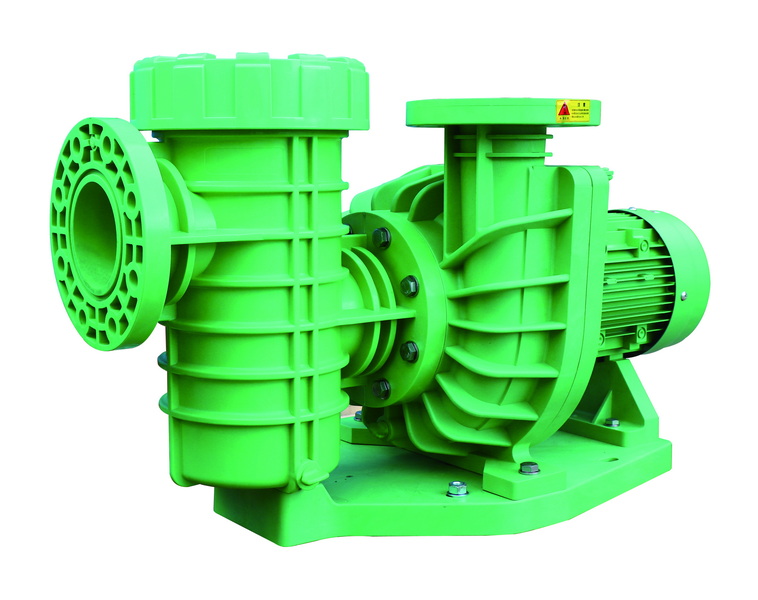
Pump runtime is the total number of hours per day your circulation system runs to pull water from the pool, push it through the filter and sanitizing equipment, and return it back clean. The main goal is to circulate the full volume of your pool at least once every 24 hours, known as one turnover.[3][4][1][2]
A correctly sized pump and filter combination can usually complete one turnover in about 8 hours of operation at normal speed for a typical residential pool. If the pump is undersized or the plumbing is restrictive, the system may need closer to 10–12 hours per day to achieve the same result.[6][1][2]
Most industry and expert sources recommend running a standard single‑speed pool pump 8–12 hours a day under normal conditions to complete at least one turnover. Many pool owners find that roughly 8 hours in cooler seasons and 10–12 hours in hot weather maintain clear water without wasting electricity.[7][8][1][2][3][6]
Variable speed pumps are usually run longer at lower RPM, with typical recommendations around 12 hours per day, often split into 3–4 hours at higher speed and 8–9 hours at low‑speed filtration. Because power consumption falls dramatically at lower speeds, a variable speed schedule of 12–18 hours per day can still use less energy than 8 hours on a traditional single‑speed unit.[9][10][11][4]
The most accurate way to decide how long to run your pump is to calculate turnover time using your pool volume and your pump's flow rate. Turnover time in hours is simply pool volume divided by the pump's real‑world flow in volume per hour, then adjusted for seasonal and water‑quality conditions.[12][4][1][2]
For example, if a 50,000‑liter pool is paired with a pump that effectively moves about 9,000 liters per hour through the filter, it needs roughly 5.5–6 hours to complete one turnover, but most professionals still recommend adding extra runtime as a safety margin. In practice, many owners of correctly sized systems choose a daily runtime slightly above the calculated minimum to help with debris removal, chemical distribution, and small variations in flow rate over time.[8][11][2][6]
Several real‑world factors affect daily runtime beyond basic turnover math, so a fixed number like “8 hours for every pool” is only a starting point. The main variables include pool size, bather load, water temperature, sun exposure, debris level, and the efficiency of the filter and pump equipment.[2][6][7][12]
In hotter weather and full‑sun conditions, algae grow faster and chlorine is consumed more quickly, so many experts recommend 12–16 hours per day in summer, especially in warm regions. After heavy storms, pool parties, or algae treatments, it is common to run the pump longer or even continuously for a short period until the water clears and chemical levels stabilize.[5][7][8][2]
Single‑speed pool pumps generally operate at one high RPM and therefore move water quickly but consume a lot of electricity, which is why 8–12 hours per day is often the practical limit for energy costs. When a single‑speed pump and filter are properly sized, that runtime is usually enough to maintain clean water, with occasional extensions in hot weather or after heavy use.[11][6][8][2]
Variable speed pumps let you adjust RPM and flow rate, enabling much longer runtimes at low speed with significantly lower power consumption per hour. Common guidance for variable speed units is to run 3–4 hours per day at a higher speed for vacuuming, skimming, or operating certain accessories and 8–9 hours or more at low speed to complete at least one turnover.[10][4][9][11]
In cooler months or in mild climates, one turnover per day is often achieved with about 6–8 hours of runtime, especially when the pool is used less and organic load is low. Some owners in cooler regions even reduce winter runtimes to as low as 3–6 hours per day while monitoring water clarity and chemistry closely.[7][8][2]
During hot summer months, especially when water temperatures and outdoor air temperatures are high, experts frequently suggest increasing runtime to around 12–16 hours per day to prevent algae and keep chlorine effective. If persistent cloudiness or algae appears even at these runtimes, additional filtration time or improved filtration equipment is often needed.[8][12][7]
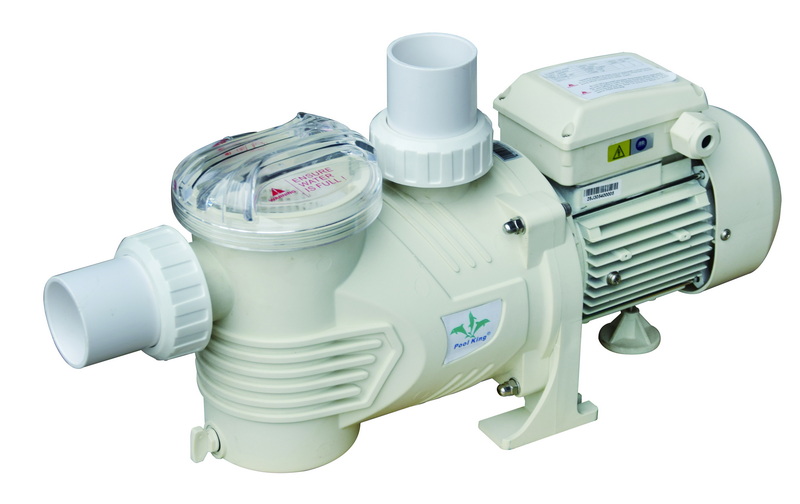
From a water‑quality perspective, running the pump during the day has advantages because sunlight drives algae growth and can deplete chlorine, so circulating and filtering water during peak sun hours helps keep conditions stable. However, many utilities offer cheaper off‑peak electricity at night, and some owners prefer to shift part of their runtime into those lower‑cost periods.[1][3][7][8]
A common approach is to split runtime into multiple blocks, such as several hours in the morning and several in the evening or night, as long as the total in each 24‑hour period meets or exceeds your target runtime. This split schedule can maintain water quality while reducing energy costs, particularly for large pools or long runtimes on variable speed pumps.[4][9][3][11][1][8]
Cloudy water, recurring algae, or difficulty maintaining sanitizer levels are strong indicators that the current pump schedule is too short or that filtration performance is insufficient. If debris remains on the surface or in suspension for many hours, or if there are “dead spots” where water seems stagnant, additional runtime or circulation improvements may be necessary.[3][12][5][2]
Pool owners often gradually increase pump runtime in one‑ or two‑hour increments until the water stays clear and chemical usage stabilizes, then treat that level as the new baseline for similar conditions. Installing a flow meter and keeping notes on runtimes and water clarity can help fine‑tune the schedule and reduce trial‑and‑error over time.[6][11][2][8]
High‑quality sand, cartridge, and DE filters combined with efficient pumps can reduce the number of hours required to maintain a given water quality level because they remove particles more effectively during each turnover. Clean pipework, appropriately sized plumbing, and well‑designed skimmers and returns also support better circulation, allowing for shorter runtimes without sacrificing clarity.[9][11][2][6]
For brands, wholesalers, and manufacturers, partnering with an OEM factory that supplies matched pump‑and‑filter systems makes it easier to publish clear runtime recommendations for end‑users based on tested flow and turnover data. Integrated systems and smart controls can provide programmable schedules, remote monitoring, and diagnostic alerts that help owners maintain optimal runtimes automatically across different seasons and usage patterns.[12][4][9]
In most residential pools, the pump should run at least long enough each day to turn over the entire volume of water once, which typically means around 8–12 hours for properly sized single‑speed pumps and 12–16 hours at reduced RPM for variable speed models. Real‑world adjustments for season, bather load, debris, and water temperature are essential, and owners should watch water clarity and sanitizer stability as feedback for fine‑tuning their schedule.[3][7][8][4][1][2][6]
By combining accurate turnover calculations with efficient filtration equipment and smart scheduling—often using split daytime and off‑peak runtime blocks—pool owners can maintain clear, safe water while controlling energy costs throughout the year. For brands and wholesalers, specifying matched pump‑and‑filter OEM systems with clear runtime guidance adds value for end customers and supports long‑term system performance.[9][4][1][3][6][12]
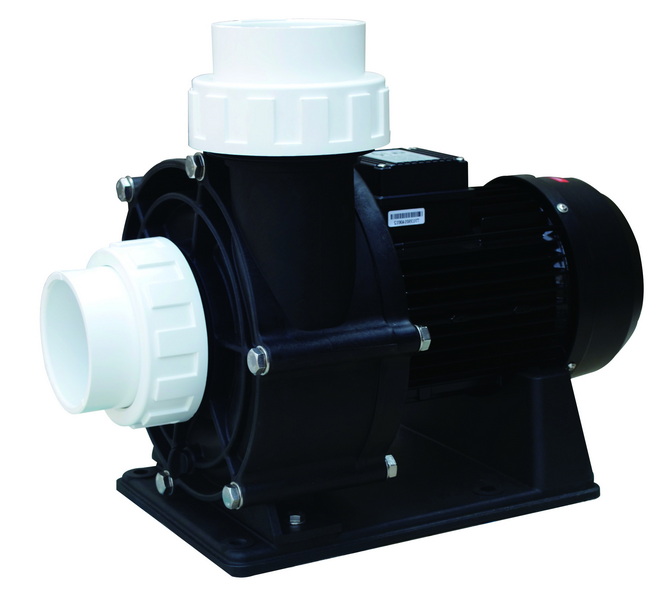
Running a pool pump 24/7 will usually keep water very clean, but it is often unnecessary and can significantly increase electricity bills, especially with single‑speed pumps. With a correctly sized system and a good filter, most pools stay clear with 8–12 hours of daily runtime, so continuous operation is generally reserved for short periods after algae shocks or major contamination.[5][2][3][6]
Yes, you can divide your daily runtime into multiple blocks as long as the total meets or exceeds your calculated requirement, and many experts encourage this approach to target off‑peak electricity hours. For example, three hours in the morning, several hours in the afternoon, and a few at night can still deliver one full turnover and maintain stable water chemistry.[8][1][3]
In warm seasons, many service companies recommend increasing pump runtime to about 12–16 hours per day, because higher temperatures accelerate algae growth and sanitizer consumption. Pools in very hot or high‑use environments may temporarily need near‑continuous operation after heavy bather loads or storms until water fully clears.[7][5][2][8]
Variable speed pumps usually run much longer at lower RPM—often 12 hours or more per day—because each hour consumes far less energy than a high‑speed single‑speed pump. A common recommendation is 3–4 hours at higher speed for cleaning accessories and 8–9 hours or longer at low speed for economical filtration and full turnover.[10][11][4][9]
Cloudy water after standard runtimes suggests that either the pump is not moving enough water, the filter is dirty or undersized, or the chemistry is imbalanced, so the first step is to check and clean or backwash the filter and confirm sanitizer and pH levels. If those are correct and water remains cloudy, gradually increasing daily runtime and improving circulation patterns—such as redirecting returns or upgrading equipment—usually resolves the problem.[2][6][12]
Larger pools require more total flow to achieve one turnover, so for a given pump size they typically need longer runtimes than smaller pools. Accurately estimating pool volume and matching it with a pump and filter sized to deliver at least one daily turnover is the basis for all reliable runtime recommendations.[4][6][12][2]
[1](https://www.swimmingpool.com/maintenance/pump&filter/how-long-to-run-pool-pump/)
[2](https://mrpoolman.com.au/blogs/news/how-long-should-i-run-my-pool-pump-every-day)
[3](https://www.swimuniversity.com/run-pool-pump/)
[4](https://lesliespool.com/blog/how-to-calculate-pool-pump-run-time.html)
[5](https://poolpartstogo.com/blogs/articles/should-you-run-a-pool-pump-24-hours-a-day)
[6](https://intheswim.com/blog/how-long-to-run-pool-pump.html)
[7](https://www.riverbendsandler.com/help-advice/pool-school-how-often-should-a-pool-pump-run-in-the-summer/)
[8](https://www.reddit.com/r/pools/comments/153sq0a/should_my_pool_pump_be_on_8_hoursday/)
[9](https://poolpartstogo.com/blogs/articles/ideal-schedule-for-your-variable-speed-pool-pump)
[10](https://www.aquagem.com/news/when-to-run-the-pool-pump-in-summer)
[11](https://www.youtube.com/watch?v=5SbEB44THW4)
[12](https://www.californiapools.com/blog/california-pools-blog/pool-maintenance-care/how-long-should-you-run-your-pool-pump-/)
[13](https://www.youtube.com/watch?v=u4ExnupI26o)
[14](https://www.youtube.com/watch?v=edm862QQ9mY)
[15](https://www.reddit.com/r/pools/comments/pbcz27/how_long_should_i_run_my_pool_pump_each_day_i/)
[16](https://www.youtube.com/watch?v=Oppm1lT94ps)
[17](https://www.reddit.com/r/pools/comments/15ysu79/new_pool_owner_here_how_long_do_you_run_your_pump/)
[18](https://www.youtube.com/watch?v=9ToRTbckeOw)
[19](https://www.youtube.com/watch?v=i44bmptMGgU)
[20](https://www.reddit.com/r/pools/comments/14p2e0j/variable_speed_pump_run_times/)


