
Views: 222 Author: Tina Publish Time: 2025-10-07 Origin: Site


Content Menu
● Why Is Running the Pool Pump Important in Winter?
>> How Pool Pumps Work in Winter
● Factors Affecting Winter Pool Pump Run Time
>> Climate and Local Temperature
>> Type of Pump
● Best Practices for Winter Pool Pump Operation
>> Set a Schedule Based on Temperature
>> Run Pumps During the Coldest Hours
● Advanced Guidance: For International Buyers & OEM Services
● Troubleshooting Common Winter Pool Pump Problems
● Maintaining Your Pool Pump During Winter
● Winter Pool Pump Operation: Step-by-Step Guide
>> 1. Assess Climate and Average Lows
>> 1. Can I turn my pool pump off all winter?
>> 2. Will a variable-speed pump save money in winter?
>> 3. Should I run my pool pump during a freeze?
>> 4. How do I know if my pool pump runtime is enough?
>> 5. Does a pool cover change how long to run my pump?
>> 6. What's the biggest mistake in winter pool pump maintenance?
Swimming pools are an investment that require year-round care, even when temperatures drop. A key component of winter pool maintenance is determining the optimal runtime for your pool pump. Whether you are a home user, a property manager, or an international buyer seeking OEM pool equipment from leading Chinese manufacturers, understanding the balance between energy savings and equipment protection is crucial for healthy, clear water and a long-lasting pool system.[1][2]
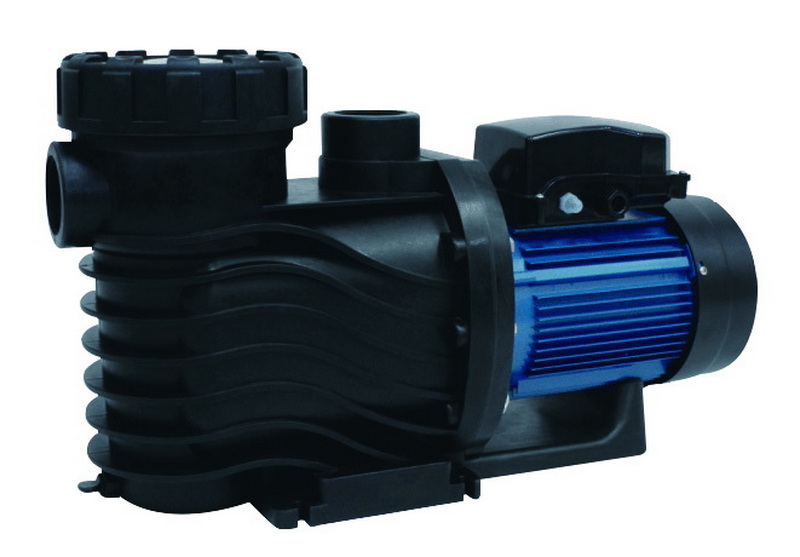
Keeping water circulating helps prevent stagnation, protects your pipes and filtration system from freeze damage, and supports chemical distribution. Pool water that sits still can develop algae even during the cold season, while ice in pool lines or pumps costs far more to fix than the power used for smart winter circulation. Modern pool pumps, whether sand filter, DE, or cartridge systems, work best when run strategically—even in low temperatures.[2][1]
Winterized pools benefit from reduced filtration cycles, but if your pool stays open all year, the pump needs to run daily to avoid costly repairs. When water temperatures fall below freezing, moving water prevents the formation of damaging ice in pipes, skimmers, pumps, and heaters. Furthermore, proper circulation ensures sanitizers like chlorine or salt stay active and effective.[2]
Determining runtime isn't “one size fits all.” Several variables influence the right schedule for your pool, especially in winter.
- Mild Winters (Above Freezing): 4-6 hours per day, enough for one full water turnover and chemical mixing.[3][4]
- Occasional Freezes: 8-10 hours daily provides extra protection against overnight temperature drops.
- Harsh, Prolonged Freezing: Run pumps continuously or at least during overnight low temperatures to prevent ice build-up.[2]
Larger pools with more gallons need longer runtimes to achieve at least one complete turnover of water. Consult your pump's flow rate and your pool size to calculate optimal hours.[2]
- Single-Speed Pumps: Run at full speed; need fewer hours if powerful, but consume more energy.[1]
- Variable-Speed Pumps: Can run longer at lower speeds, saving power while maintaining essential circulation. Adjusting speed lets you optimize for energy costs and water movement.[1]
- Timers and Freeze Protection: Modern pumps (especially OEM/ODM models from high-tech Chinese factories) may include freeze detection and programmable timers for automation.[5][2]
A common rule: Run the pump one hour for every 10°F (5°C) of daytime air temperature. For example, on a 40°F (4°C) day, run the pump for about 4 hours. If temperatures plunge at night, adjust to through-the-night operation.[6][1]
- Energy Conservation: Avoid running the pump all day in warmer climates. Timers help automate efficient schedules.[7]
In freezing regions, schedule the pump for late night/early morning when temperatures are lowest. This keeps water moving through critical equipment.[5]
A pool cover not only reduces debris inflow—meaning you can run the pump for shorter periods—but also traps heat and inhibits evaporation.[5]
Regardless of temperature, the pump's primary job is to circulate and mix chemicals. Ensure sanitizer levels are regularly checked, especially since lower winter demand can still lead to issues if ignored.[2]
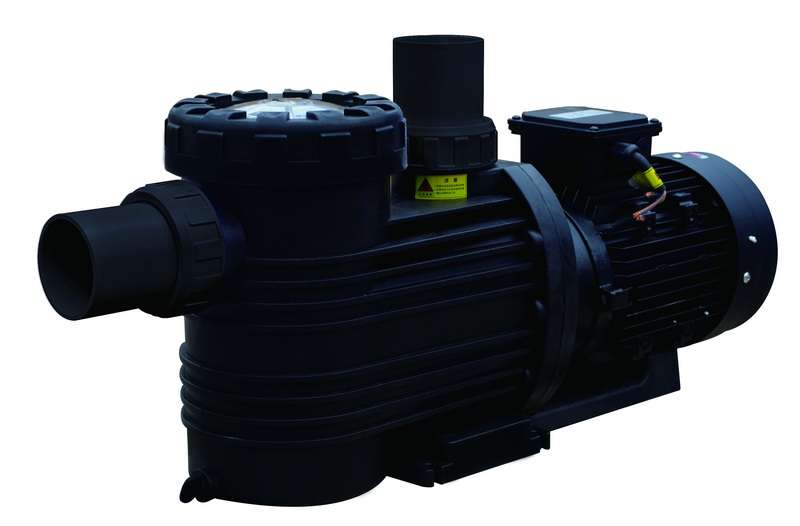
As a leading Chinese factory providing top-quality pool filtration systems and intelligent equipment, we support international brands, wholesalers, builders, and OEM/ODM projects.
- Customizable Pumps: Variable- and dual-speed options designed for global export; freeze protection features and multilingual instruction sets.
- Matching Accessories: Precision-matched sand filters, DE filters, water pumps, pool LED lights, and control panels—all production with smart automation.
- Energy-Efficient Design: Meeting the latest U.S., EU, and international standards for low energy consumption.
- Expert Consultation: Our engineers are available for technical support—ask us for remote setup assistance, or bulk procurement guides.
Even with circulation, prolonged extreme cold can lead to ice. Ensure the pump is functioning and consider insulation for exposed pipes.
If water appears green or cloudy, check pump runtime and chemical levels. Clear water generally means your filtration is working.
Upgrade to a variable-speed pump for efficient circulation, or use a timer to limit run times. Consider off-peak hour operation.[1]
Cold weather may contract certain parts, increasing noise. Perform regular inspections and maintenance.
- Inspect and Clean: Before winter, check for wear, remove debris, and clean baskets/impellers.[2]
- Protect Against Freezing: Install insulation sleeves or freeze guards. Our OEM product line offers built-in freeze sensor options.
- Cover When Not Used: Use a pump cover to keep out debris and moisture.
- Schedule Professional Checks: Regular maintenance, especially before and after the coldest months, ensures long-term reliability.
Check historical weather data; note the lowest nighttime temperatures for your region.
Verify pool volume and pump flow rate; consult manufacturer specs.
For most, 4–6 hours daily is enough in warm climates. Adjust upward as temperatures fall.
Observe water clarity, check chemical balance, and increase pump hours if frost or stagnation appears.
In case of extreme cold snaps, switch to continuous runtime or activate freeze protection.
Properly running your pool pump through winter protects equipment, keeps water clean, and prepares your pool for the next swimming season. Most pools in mild or moderate climates need 4–10 hours daily of circulation depending on local lows. Very cold climates may warrant running the pump overnight or continuously. Invest in timers, freeze protection devices, and high-quality filters for optimal results. As an OEM/ODM leader in pool filtration, we recommend a custom schedule tailored to your climate, pool volume, and pump type for best performance and cost savings in winter.[3][4][5][1][2]
Generally, no—you should always circulate water for at least a few hours daily unless you fully winterize and drain the pool.
Yes, variable-speed pumps use less energy at lower speeds, allowing for longer runtimes without high costs.[1]
Yes, run continuously during freezing periods. This prevents ice damage to pipes and pumps.[3][2]
Clear water and balanced chemical levels are good signals. If your pool is cloudy or green, or if ice forms, increase run time or seek maintenance.
Yes, covers reduce debris and heat loss, often allowing for a shorter pump runtime.[5][2]
Ignoring your equipment! Failing to check, clean, or adjust your pump can lead to expensive repairs.
[1](https://poolpartstogo.com/blogs/articles/how-long-should-i-run-my-pool-pump-in-winter)
[2](https://clearchoicepoolcaretx.com/how-long-do-you-run-a-pool-pump-in-winter/)
[3](https://coasttocoastpoolservices.com/blog/how-long-should-pool-pump-run-in-winter/)
[4](https://www.poolkingfilter.com/news/How-Many-Hours-Should-Pool-Pump-Run-In-Winter.html)
[5](https://gencopools.com/blog/run-pool-pump-in-winter-dilemma/)
[6](https://www.doheny.com/help/calculate-pool-pump-run-time)
[7](https://www.splashmobpools.com/blog/adjusting-pool-pump-schedules-in-the-winter)
[8](https://www.youtube.com/watch?v=LfEm6wKsKmo)
[9](https://www.reddit.com/r/pools/comments/189whkt/pool_pump_suggested_runtime_in_winter/)
[10](https://intheswim.com/blog/the-winter-pool-off-season-operation-tips.html)
[11](https://lesliespool.com/blog/how-to-calculate-pool-pump-run-time.html)
[12](https://www.zodiac.com.au/pool-and-spa-guides/top-question-our-customers-ask-how-long-should-i-run-my-pump-for)
[13](https://www.1stdirectpools.com/blog/post/when-run-pool-pump-ultimate-guide)
[14](https://texascooppower.com/pooling-winter-efficiency/)
[15](https://brucemackay.com/blog/pump-winterization-tips/)
[16](https://www.hayward-pool.co.uk/article/maintenance-of-my-pool/should-drain-pool-winter)
[17](https://www.reddit.com/r/pools/comments/188997p/standard_practice_for_winter/)
[18](https://poolgoods.com/blogs/news/ultimate-guide-to-pool-pump-freeze-protection-during-winter)
[19](https://www.swimmingpool.com/blog/winter-pool-maintenance/)
[20](https://www.bandbpoolsindy.com/common-winter-pool-repairs-and-how-to-prevent-them)


