
Views: 222 Author: Tina Publish Time: 2025-07-14 Origin: Site


Content Menu
● What Is a DE Filter Cartridge?
>> Key Features
● How Does a DE Filter Cartridge Work?
● Typical Lifespan of a DE Filter Cartridge
● Key Factors Affecting DE Filter Cartridge Longevity
>> 4. Environmental Conditions
>> 5. Quality of Replacement Parts
● Signs That Your DE Filter Cartridge Needs Replacement
>> 3. High Pressure Gauge Readings
>> 5. Frequent Cleaning Required
● Maintenance Tips for Prolonging Filter Life
>> 2. Proper DE Powder Application
>> 3. Inspect for Wear and Tear
● Step-by-Step Guide to Cleaning a DE Filter Cartridge
>> Step 3: Remove the Filter Cartridge
>> Step 5: Soak and Deep Clean
>> Step 8: Reassemble and Recharge
>> 1. What is the main advantage of a DE filter cartridge over other pool filters?
>> 2. How often should I clean my DE filter cartridge?
>> 3. Can I extend the life of my DE filter cartridge?
>> 4. What are the warning signs that my DE filter cartridge needs replacing?
>> 5. Is it safe to clean DE filter cartridges with household chemicals?
A sparkling, clean pool is the dream of every pool owner. At the heart of this clarity lies the pool's filtration system, and for many, the diatomaceous earth (DE) filter cartridge is the gold standard. But how long should a DE filter cartridge last? What factors influence its lifespan? How can you ensure your filter operates at peak performance year after year? This comprehensive guide answers these questions and more, providing expert advice, practical tips, and visual explanations to help you maintain your pool like a pro.
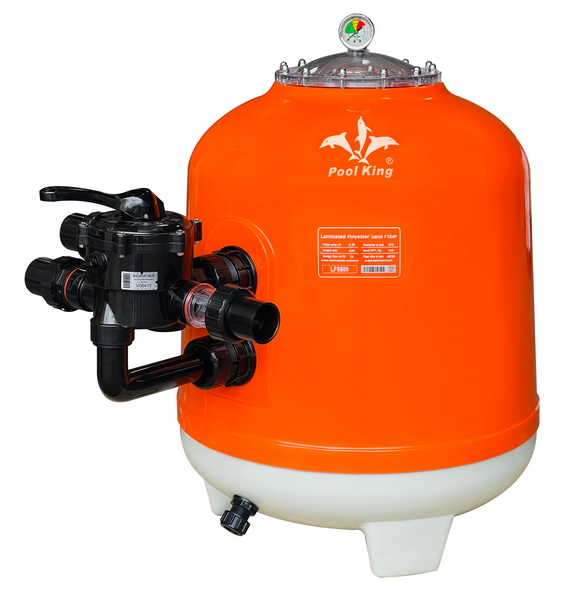
A DE filter cartridge is a crucial component in many pool filtration systems. It uses a fine, powdery substance called diatomaceous earth to trap even the smallest particles, ensuring that pool water remains crystal clear. The cartridge itself is made up of grids or elements that are coated with DE powder, which acts as the filtering medium.
- Superior Filtration: Captures particles as small as 2–5 microns.
- Efficient Water Flow: Maintains strong circulation and minimizes pump strain.
- Reusable Grids: The internal grids can be cleaned and reused multiple times before needing replacement.
When water is pumped through the DE filter, it passes over the grids coated with diatomaceous earth. The DE traps dirt, debris, and microscopic contaminants, allowing clean water to return to the pool. Over time, the DE layer becomes saturated with particles, requiring cleaning or replacement to maintain optimal performance.
1. Coating: DE powder is added to the filter and coats the grids.
2. Filtration: Pool water flows through the DE-coated grids, leaving dirt behind.
3. Backwashing: When pressure builds up, the filter is backwashed to remove trapped debris.
4. Recharging: Fresh DE powder is added to restore filtration efficiency.
On average, a DE filter cartridge (the grid assembly) lasts between 4 to 10 years, depending on usage, maintenance, and water conditions. The DE powder itself is replenished regularly, but the grids or cartridges are designed to withstand multiple cleanings before replacement becomes necessary.
| Filter Type | Expected Lifespan |
|---|---|
| DE Filter Grids | 4–10 years |
| DE Powder | Replaced monthly |
- Heavy usage: Pools used daily or by many swimmers may require more frequent cartridge replacement.
- Water quality: Hard water or high debris loads can shorten lifespan.
- Maintenance: Regular cleaning extends filter life.
- Frequent swimming increases debris and contaminants, causing the filter to work harder.
- Pools in dusty or leafy environments may clog filters faster.
- Imbalanced pH, high calcium, or excessive sanitizer levels can degrade filter materials.
- Regular water testing and adjustment protect the filter.
- Consistent backwashing and proper DE powder recharging are essential.
- Neglecting cleaning can lead to premature filter failure.
- Pools exposed to storms, wind, or heavy pollen may require more frequent filter attention.
- Covering your pool when not in use can reduce filter strain.
Using high-quality DE powder and genuine replacement grids from reputable manufacturers ensures compatibility and durability, which can significantly impact the lifespan of your filter cartridge.
Knowing when to replace your DE filter cartridge is crucial for maintaining water clarity and system efficiency. Look for these common indicators:
If your pool remains cloudy despite chemical balancing and cleaning, the filter may no longer be effective.
Weak return jets or decreased circulation often signal a clogged or worn-out filter cartridge.
A pressure gauge reading consistently 8–10 PSI above normal suggests the filter is struggling to push water through clogged grids.
Inspect the cartridge for tears, broken bands, or flattened pleats. Any physical damage means it's time for a replacement.
If you find yourself cleaning the filter more often with diminishing results, the cartridge may have reached the end of its lifespan.
If the filter system starts making unusual noises or leaks develop around the cartridge housing, it could indicate internal damage or worn seals, warranting inspection and possible replacement.
Proper care can significantly extend the life of your DE filter cartridge. Follow these tips to maximize performance and longevity:
- Backwash the filter whenever the pressure rises 8–10 PSI above baseline.
- Deep clean the grids at least twice a year to remove oils, scale, and stubborn debris.
- Always add the correct amount of DE powder after cleaning or backwashing.
- Refer to the manufacturer's instructions for dosage to avoid over or undercharging.
- Check grids for tears, cracks, or other damage during each cleaning.
- Replace damaged components immediately to prevent further system issues.
- Maintain proper pH (7.2–7.6), alkalinity, and sanitizer levels.
- Prevent scale buildup and corrosion, which can damage the filter and pool surfaces.
- Use a pool cover when not in use to reduce debris entering the pool.
- Skim leaves and debris regularly to reduce filter load and prolong cartridge life.
- Use pool-safe cleaning products for the filter.
- Avoid household chemicals that may degrade filter materials or harm pool water chemistry.
- Before winterizing your pool, thoroughly clean and inspect the filter cartridge.
- Store removable parts in a dry, protected area to prevent damage during off-season.
Keeping your DE filter cartridge clean is essential for optimal pool health. Here's a practical guide:
Always shut off the pool pump before servicing the filter to ensure safety.
Open the air relief valve to release any built-up pressure inside the filter housing.
Carefully disassemble the filter housing and extract the grid assembly without damaging the delicate grids.
Use a garden hose with a spray nozzle to remove loose debris from the grids. Spray between the pleats to ensure thorough cleaning.
Soak the grids in a mild acid solution or a specialized filter cleaner to dissolve oils, scale, and mineral deposits. Follow product instructions for soaking time.
After soaking, rinse the grids thoroughly to remove all cleaning agents and loosened debris.
Examine each grid carefully for tears, cracks, or broken bands. Replace any damaged parts before reassembling.
Place the grids back in the filter housing, secure all components, and add the correct amount of DE powder to recharge the filter.
Turn on the pump, check for leaks, and monitor the pressure gauge to ensure the filter is operating normally.
| Maintenance Task | Frequency |
|---|---|
| Backwash | Monthly or as needed |
| Deep Clean Grids | 2–4 times per year |
| Inspect for Damage | Every cleaning |
| Replace DE Powder | After each cleaning |
| Replace Cartridge | Every 4–10 years |
The DE filter cartridge is a vital component in maintaining a clean and healthy swimming pool. With proper care, most DE filter cartridges last between 4 and 10 years. Regular maintenance, balanced water chemistry, and timely replacement of worn parts ensure your pool remains a sparkling oasis. By understanding the signs of wear and following the recommended cleaning and maintenance routines, you can enjoy crystal-clear water and extend the life of your filtration system. Investing time and effort into your DE filter's upkeep will save you money and hassle in the long run, making your pool experience more enjoyable year after year.

DE filter cartridges provide the finest filtration, capturing particles as small as 2–5 microns, resulting in exceptionally clear water that surpasses sand or cartridge-only filters.
You should backwash your DE filter whenever the pressure gauge rises 8–10 PSI above normal and deep clean the grids 2–4 times a year, depending on pool usage and debris levels.
Yes, by maintaining balanced water chemistry, cleaning the filter regularly, protecting the pool from excessive debris, and using quality DE powder and parts, you can significantly extend the cartridge's lifespan.
Cloudy water, reduced water flow, high pressure readings, visible damage to the grids, frequent cleaning with poor results, and unusual noises or leaks are all signs that replacement is necessary.
It's best to use cleaners specifically designed for pool filters. Harsh household chemicals may damage the filter material or leave harmful residues that affect pool water quality.


