


Content Menu
● Calculating Your Pool's Filter Run Time
● Factors Affecting Filter Timing
● Optimizing Your Filter's Efficiency
● Seasonal Pool Filter Maintenance
● Weekly and Monthly Maintenance Tasks
● Filter Cleaning and Backwashing Guide
● Troubleshooting Common Filter Issues
● Pool Manufacturer's Maintenance Recommendations
>> 1. How often should I clean a sand filter?
>> 2. Can I run my pool filter at night?
>> 3. Does a variable-speed pump really save energy?
>> 4. How do I calculate my pool's filter turnover?
>> 5. When should I replace my filter media?
Running your pool filter the right amount of time each day safeguards water clarity, swimmer health, and equipment longevity. Most experts recommend eight to ten hours daily, but fine-tuning depends on pool volume, filter type, and climate conditions.[10][11][12]
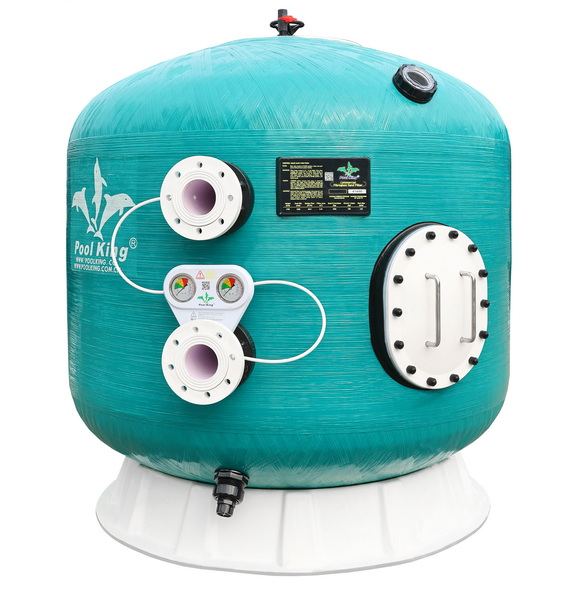
Effective filtration removes debris, algae, and bacteria, maintaining sparkling, safe water. Insufficient run time can result in murky water, unhealthy swimming conditions, and increased chemical costs. Pool filtration is especially critical during periods of heavy use and warm weather, where biological growth accelerates.[11][10]
To determine the specific time:
- Calculate pool volume (usually in gallons or liters).
- Identify pump flow rate (rate is shown in gallons/liters per hour).
- Divide total pool volume by pump flow rate—result is the hours needed for one complete turnover.
Pool Volume÷Pump Flow Rate=Turnover Time
A turnover ensures all water passes through the filter at least once daily. Larger pools with moderate pumps may require longer run times, while variable-speed pumps enhance efficiency.[14][15]
Pool size, climate, and usage patterns influence the ideal filtration duration:
- High bather loads and hot weather require 10–12 hours or more.
- Variable-speed pumps allow extended operation at lower cost.[15][16]
- The filter's condition and age can affect performance—worn media may force longer daily cycles.
- Water chemistry balance ensures efficient filtration and reduces excess workload on the filter.
| Filter Type | Recommended Run Time | Features |
|---|---|---|
| Sand Filter | 8–10 hrs/day | Robust, effortless backwash, low cost |
| DE Filter | 8–10 hrs/day | Finest filtration, regular backwash required |
| Cartridge Filter | 6–8 hrs/day | Easy maintenance, eco-friendly, quiet |
Modern pools often use variable-speed pumps, enabling long, low-energy filtration cycles.
Smart scheduling boosts clarity and saves energy:
- Use timers or intelligent pool automation systems for reliable operation.
- Target peak bather hours and sunny periods: filtration is most effective when sunlight could trigger algae growth.
- Solar panels can offset energy costs for long filtration cycles.
- Clean skimmers, pump baskets, and surrounding pool area regularly for best water flow.
Pool filter maintenance varies by season. In spring, inspect and prepare your equipment:
- Inspect O-rings and pump connections for wear.
- Clean or replace cartridges if needed.
- Check pressure gauge—replace if older than five years.[3]
In summer, increase filter attention:
- Clean when pressure rises 8–10 psi above normal.
- Rinse cartridge filters every 2–4 weeks.
- Deep clean cartridge filters monthly.[5][3]
- Backwash sand and DE filters as needed.
In autumn and winter, focus on preventive care:
- Replace sand media every 3–5 years.
- Monitor water chemistry monthly.[3]
- Remove fallen leaves and debris promptly.
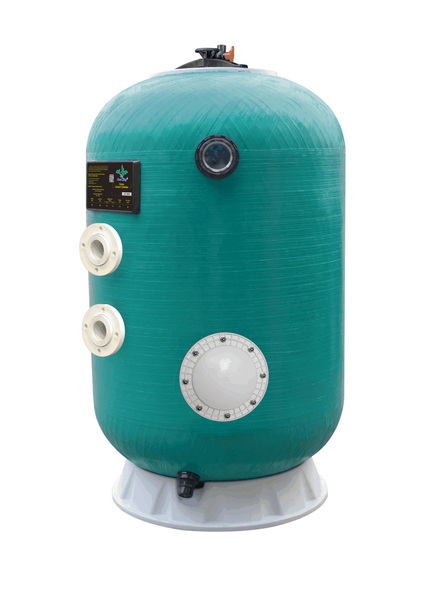
Routine cleaning and inspection keeps your system strong:
- Remove debris from skimmer basket weekly.
- Use test kit for monthly water analysis—balance pH, chlorine, and stabilizers.
- Inspect pump and filter for leaks, loose connections, and unusual noise.
Sand Filters:
- Backwash when pressure gauge reads 8–10 psi over normal.
- Push filter valve to “Backwash”; run pump for 2–5 minutes.
- Turn off, switch to “Rinse”; run 30 seconds; return to “Filter”.[5][3]
- Clean pump strainer and skimmer baskets weekly.
Cartridge Filters:
- Clean when pressure gauge hits red zone or quarterly minimum.
- Turn off pump, release air relief valve, remove cartridge.[5]
- Inspect for damage, rinse top to bottom with hose, deep-soak in filter cleaner if needed.
- Reinstall cartridges, secure lid, restart system.
DE (Diatomaceous Earth) Filters:
- Backwash monthly, open air relief valve, remove grid assembly.
- Rinse grids thoroughly—soak in cleaning solution for deep clean.[1][3]
- Reassemble, add fresh DE powder, run pump 30 minutes.
Inconsistent water clarity, unusual pressure readings, or persistent debris signal issues:
- Backwash or clean filter for high pressure.
- Look for clogs in return lines.
- Check pump impeller for damage.
- Balance water chemistry if cloudy water persists—consider a clarifier if needed.[1]
Protect your filter investment:
- Inspect and clean weekly—never skip skimmer basket cleaning.
- Use a pool cover: reduce debris during downtime.
- Trim overhanging vegetation.
- Track backwashing and cleaning frequency with a maintenance log.[5]
As a leading Chinese manufacturer specializing in premium sand filters and filtration solutions, OEM customers and pool owners benefit from:
- Advanced smart machinery for consistent filter media production.
- Support for all filter types (sand, DE, cartridge).
- Custom design options for overseas brands, wholesalers, and manufacturers.
- Ongoing technical guidance and after-sales support to maximize system life and performance.
Running your pool filter for at least one complete turnover every day—typically 8 to 10 hours—ensures clear, healthy water. The right schedule depends on your pool system, local climate, and bather load. Pairing the correct filter run time with seasonal maintenance and smart troubleshooting saves time, energy, and chemical expense, so your pool remains a sparkling centerpiece all season long.[12][10][11][1][3][5]
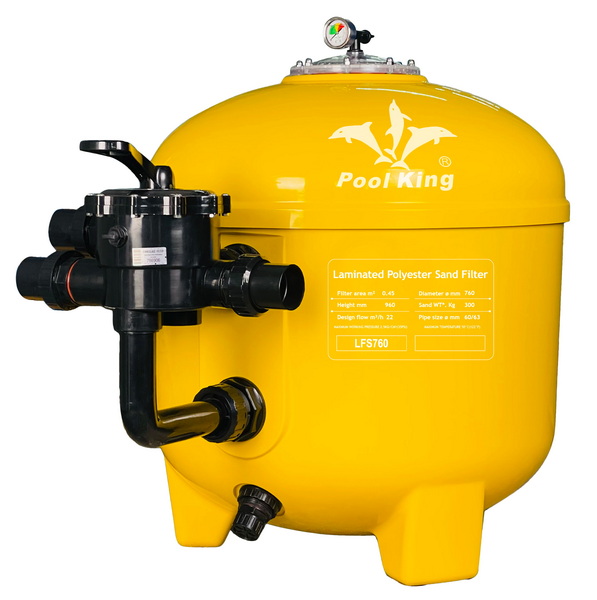
Backwash whenever pressure rises by 8–10 psi over its base reading—typically every few weeks. Replace sand every 3–5 years.[3][5]
Yes, filtration at night maintains water clarity, but daytime operation helps prevent algae during sunlight.[21][15]
Variable-speed models deliver significant savings by running longer at low speeds.[16][15]
Divide pool volume by your pump's hourly flow rate. That number gives the hours needed for one full cycle.[22][14]
Cartridge filters: every 2–3 years. Sand: every 3–5 years. DE grid: per manufacturer instructions or if broken.[3][5]
[1](https://envirowaste.com.au/mastering-pool-filter-maintenance/)
[2](https://pool.dreametech.com/blogs/blog/how-to-clean-a-pool-filter-a-comprehensive-guide)
[3](https://lesliespool.com/blog/the-ultimate-pool-filter-maintenance-guide.html)
[4](https://www.jimspoolcare.com.au/news-pool-cleaning/guide-to-pool-filter-maintenance/)
[5](https://www.masterpools.com.au/how-to-clean-your-pool-filter-tips-for-sand-or-cartridge-filters/)
[6](https://www.swimmingpool.com.sg/articles/guide-to-pool-maintenance-weekly-monthly-tips.html)
[7](https://ke.usembassy.gov/wp-content/uploads/sites/5/2024/07/Swimming-Pool-Operations-and-Maintenance-Guide-Attachment-2.pdf)
[8](https://www.compasspools.com.au/news/guide-to-swimming-pool-maintenance/)
[9](https://halogensupply.com/blog/guide-selecting-best-pool-filter/)
[10](https://www.swimmingpool.com/maintenance/pump&filter/how-long-to-run-pool-pump/)
[11](https://www.californiapools.com/blog/california-pools-blog/pool-maintenance-care/how-long-should-you-run-your-pool-pump-/)
[12](https://www.zodiac.com.au/pool-and-spa-guides/top-question-our-customers-ask-how-long-should-i-run-my-pump-for)
[13](https://create.vista.com/photos/pool-filtration-system/)
[14](https://www.youtube.com/watch?v=LvN8m1AsrHI)
[15](https://www.youtube.com/watch?v=u4ExnupI26o)
[16](https://lesliespool.com/blog/how-to-calculate-pool-pump-run-time.html)
[17](https://stock.adobe.com/search?k=pool+filter)
[18](https://www.istockphoto.com/photos/pool-filter)
[19](https://www.gettyimages.com/photos/pool-filter-system)
[20](https://www.youtube.com/watch?v=9ToRTbckeOw)
[21](https://www.facebook.com/groups/1407260559603442/posts/3837292623266878/)
[22](https://www.reddit.com/r/pools/comments/pbcz27/how_long_should_i_run_my_pool_pump_each_day_i/)


