
Views: 222 Author: Tina Publish Time: 2025-10-24 Origin: Site


Content Menu
● What Is a Pool Filter Cartridge?
● Typical Lifespan of Pool Filter Cartridges
>> Factors Affecting Filter Cartridge Lifespan
● Signs That Indicate Cartridge Replacement
● Extending Your Pool Filter Cartridge's Life
● Comparing Cartridge Filters with Other Filter Types
>> Sand Filters
>> DE (Diatomaceous Earth) Filters
● Cleaning and Maintenance Visual Guide
● Frequently Asked Questions (FAQs)
>> 1. How often should I clean my pool filter cartridge?
>> 2. What happens if I don't replace my pool filter cartridge on time?
>> 3. Can I extend the life of my pool filter cartridge?
>> 4. How do I know if my cartridge filter is worn out?
>> 5. Are cartridge filters better than sand filters?
Keeping your swimming pool clean and clear is essential for a safe and enjoyable swimming experience. One of the most critical parts of any pool maintenance system is the pool filter cartridge. This component traps dirt, debris, and contaminants, ensuring your pool water remains fresh and clear. But how long does a pool filter cartridge last? Understanding its lifespan, maintenance tips, and replacement signs can save you money and keep your pool in top shape.
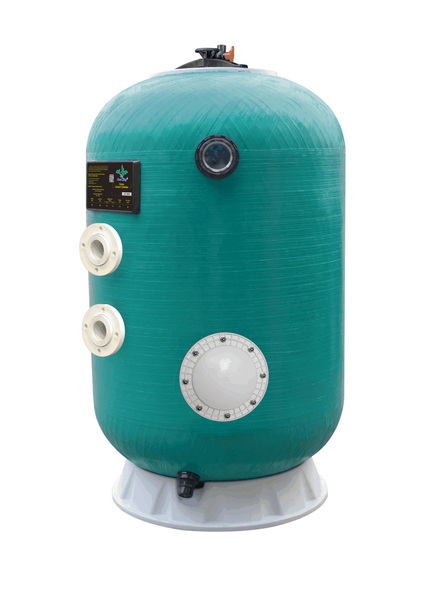
A pool filter cartridge is a pleated, cylindrical device usually made from polyester or other synthetic materials. Its primary function is to filter out particles from pool water as it circulates through the filtration system. Cartridge filters are popular for residential pools because of their ease of use, affordability, and efficient filtration capabilities.
Most manufacturers recommend replacing pool filter cartridges every 1 to 3 years, with the average falling between 12 to 18 months for residential pools. However, some high-quality cartridges and well-maintained systems can last up to 5 years.
This variation depends on several factors including pool size, usage frequency, environmental conditions, and maintenance routines.
- Pool Usage Intensity: Pools used daily or heated pools with spas require more frequent cartridge replacements, sometimes as often as every 6 months.
- Pool Environment: Pools near trees or in dusty areas accumulate debris faster, shortening cartridge life.
- Water Chemistry: Imbalanced pH levels, excess oils, sunscreen residues, and improper chemicals decrease filter efficiency and durability.
- Maintenance Frequency: Regular cleaning and chemical soaking extend cartridge life significantly.
Monitoring your pool and filter system can help you identify when a cartridge needs replacement:
- Cloudy or dirty pool water despite filtration.
- Increased pressure on the filter's gauge (8-10 PSI above normal).
- Visible wear such as cracking, tearing, or banding coming loose on the cartridge material.
- Reduced water flow or circulation in the pool.
- Persistent algae growth or foul smells.
While cartridges have a natural lifespan, you can maximize their utility with proper care:
- Rinse the cartridge monthly with a garden hose to remove surface dirt.
- Deep clean twice a year by soaking it in a specialized chemical solution for 24 hours to dissolve oils and minerals.
- Test your pool water weekly.
- Maintain pH between 7.2 and 7.8.
- Keep chlorine levels appropriate for algae control.
- During off-season, store cartridges in a cool, dry place away from direct sunlight.
- Ensure cartridges are completely dry before storage to prevent mold growth.
- Consider professional inspections and cleanings annually to detect issues early and use industrial-grade cleaning solutions.
- Easy to maintain and replace.
- Filter fine particles effectively down to 10-20 microns.
- Last between 1-5 years depending on care.
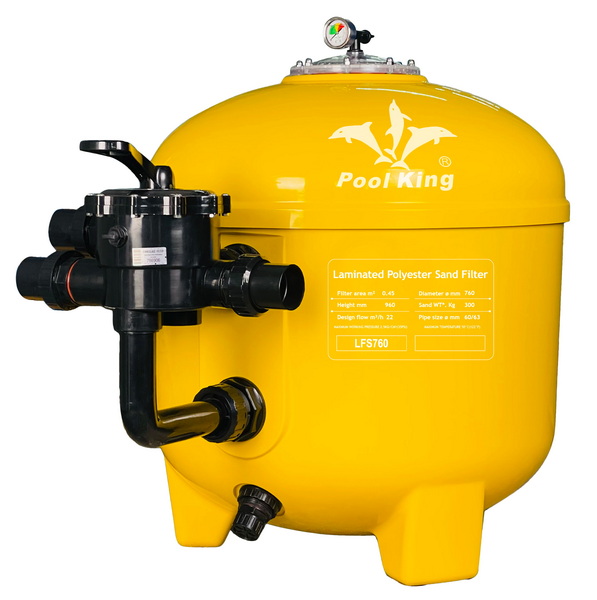
- Use sand media to filter water.
- Longer lifespan, typically 7-10 years for sand media.
- Require backwashing maintenance.
- Use fossilized diatom shells to capture smaller particles.
- Provide excellent filtration but require more maintenance.
While this article cannot embed images or videos directly, I recommend searching for terms like "pool filter cartridge cleaning video" or "how to replace a pool filter cartridge" on platforms like YouTube to find helpful step-by-step tutorials. These resources will visually guide you through proper cleaning and replacement procedures.
A pool filter cartridge plays a vital role in maintaining your pool's water quality. Its lifespan generally ranges from 1 to 3 years but can extend up to 5 years with diligent maintenance, proper water chemistry, and appropriate usage. Recognizing signs of wear or decreased performance helps ensure timely replacements, preserving your pool's cleanliness and efficiency. Investing in regular cleaning and professional maintenance will maximize your cartridge filter's effectiveness and longevity.
You should rinse your cartridge filter with a garden hose every month and perform a deep chemical cleaning twice a year for optimal performance.
Delaying replacement can cause cloudy water, reduced filtration efficiency, higher chemical usage, and potential damage to the pool pump.
Yes, by maintaining balanced water chemistry, performing regular cleanings, and storing the cartridge properly during off-season.
Look for physical damage, increased pressure on the gauge, cloudy water despite cleaning, and reduced water flow.
Cartridge filters capture finer particles and are easier to maintain but may require more frequent replacements than sand filters, which last longer but need backwashing.
[1](https://shastapoolsupply.com/blogs/news/warning-signs-you-need-a-new-pool-filter-cartridge)
[2](http://zh.greatpoolproject.com/project/stainless-steel-pool-filter-for-large-commercial-swimming-pool-filtration-system/)
[3](https://www.allfilters.com/blog/how-long-pool-filter-cartridges-last)
[4](https://www.vevor.com/zh-CN/diy-ideas/cartridge-vs-sand-filter-b_10134/)
[5](https://hyclor.com.au/how-long-do-pool-filters-last/)
[6](https://thesummerpools.com/zh/blogs/pool-maintenance/how-to-choose-the-best-pool-filter-for-pool)
[7](https://mrpoolman.com.au/blogs/news/how-long-does-a-cartridge-pool-filter-last)
[8](https://www.vevor.com/zh-CN/diy-ideas/types-of-pool-filters-b_10134/)
[9](https://www.reddit.com/r/pools/comments/xa1d0p/how_do_you_know_when_its_time_to_replace_filter/)
[10](https://www.vevor.com/zh-CN/diy-ideas/how-to-choose-the-best-above-ground-pool-cartridge-filter-system-of-2023-b_10134/)


