
Views: 222 Author: Tina Publish Time: 2025-11-24 Origin: Site


Content Menu
● What a Pool Pump Actually Does
● Key Parts of a Pool Pump System
● Internal Components of the Pump
● The Suction Side: How Water Enters
● Priming: Starting the Water Flow
● The Pressure Side and Filtration
● Sand, DE, and Cartridge Filters with a Pump
● The Circulation Cycle Step by Step
● Flow Rate, Turnover Time, and Efficiency
● Maintenance Tips for Long Pump Life
● FAQs About How a Swimming Pool Pump Works
>> 1. How long should a pool pump run each day?
>> 2. What is the difference between the suction side and the pressure side?
>> 3. Why is my pool pump losing prime?
>> 4. Does pump size affect water clarity?
>> 5. How often should I backwash or clean the filter?
>> 6. Can a variable‑speed pump replace a single‑speed pump?
A swimming pool pump is the “heart” of the circulation system, pulling water from the pool, pushing it through the filter (and other equipment), and returning it clean and clear. Understanding how a pool pump works helps pool owners choose better equipment, run it efficiently, and maintain crystal‑clear water.[1][2][3][4]
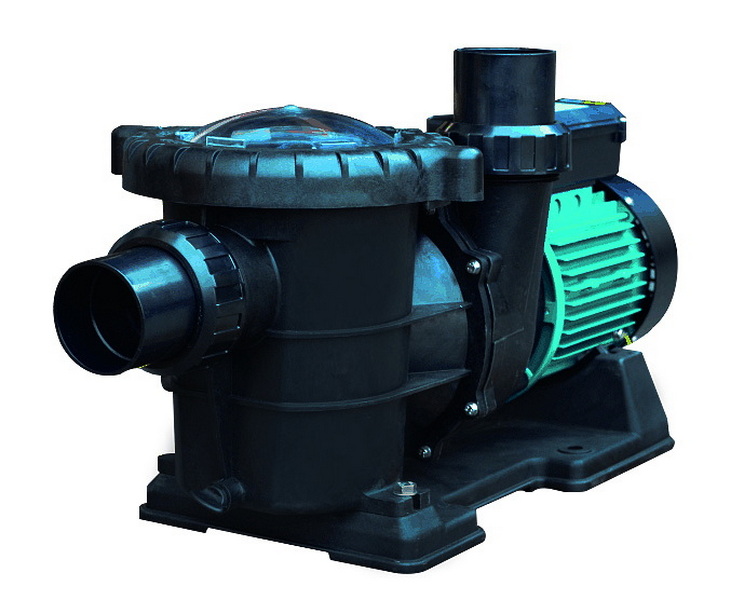
A pool pump's main job is to circulate water so that filtration, heating, and sanitizing can all happen effectively. Without circulation, water becomes stagnant, dirty, and unsafe to swim in.[5][6][7][4]
In simple terms, the pump pulls water from skimmers and main drains, pushes it through the filter and optional heater or chlorinator, then back into the pool through the return jets. This continuous circulation keeps debris moving toward the filter media and allows chemicals to mix evenly throughout the pool.[3][6][8][4]
A typical circulation system has several essential components that work together around the pump.[6][7]
- Skimmers and main drains that collect surface and bottom water
- Suction lines that carry water from the pool to the pump
- The pump itself (strainer pot, pump housing, motor, and impeller)
- A filter (sand, DE, or cartridge) to trap dirt and fine particles
- Return lines and jets that send treated water back into the pool[8][3]
These parts form a loop: suction side components sit before the pump, and pressure side components sit after it.[6][8]
Inside the pump housing, several parts handle water movement and sealing.[9][5]
- Strainer basket and clear lid: capture large debris and let users see water level and blockage.[7][8]
- Impeller and diffuser: spinning vanes create a low‑pressure area that draws water in and pushes it toward the outlet.[2][3]
- Seals, gaskets, and seal plate: keep the housing watertight and prevent leaks into the motor.[10][5]
Behind the wet end, the electric motor spins the shaft, which in turn spins the impeller at high speed to generate flow.[1][7]
On the suction side, water is pulled from the pool via skimmers, main drains, or dedicated suction lines. Suction lines, usually PVC, converge at valves that let the user control how much flow comes from each source.[11][8][7][6]
When the pump runs, pressure in the suction lines drops below atmospheric pressure, so outside pressure “pushes” water into the pipes and into the pump strainer. The strainer basket stops leaves, hair, and large debris from reaching the impeller and causing clogs or damage.[2][3][5]
Before a pump can move water efficiently, it must be “primed,” meaning the housing and suction lines are filled with water and most air is removed.[8][2]
On startup, water is added to the strainer pot, and as the impeller spins, it throws water outward, displacing trapped air and establishing continuous flow. If too much air is present (for example, from a loose lid O‑ring or suction leak), the pump will not prime and may run dry, risking overheating and seal damage.[12][5][2]
Once the impeller accelerates the water, it leaves the pump on the pressure side and enters the filter. Depending on the system design, water next may pass through a heater, chlorinator, or salt system before returning to the pool.[4][3][1]
The filter removes suspended particles such as fine dirt, body oils, and algae cells. After filtration, the clean water is pushed through return lines and exits the return jets, helping to create circulation patterns that move new debris toward the skimmers.[13][3][6][8]
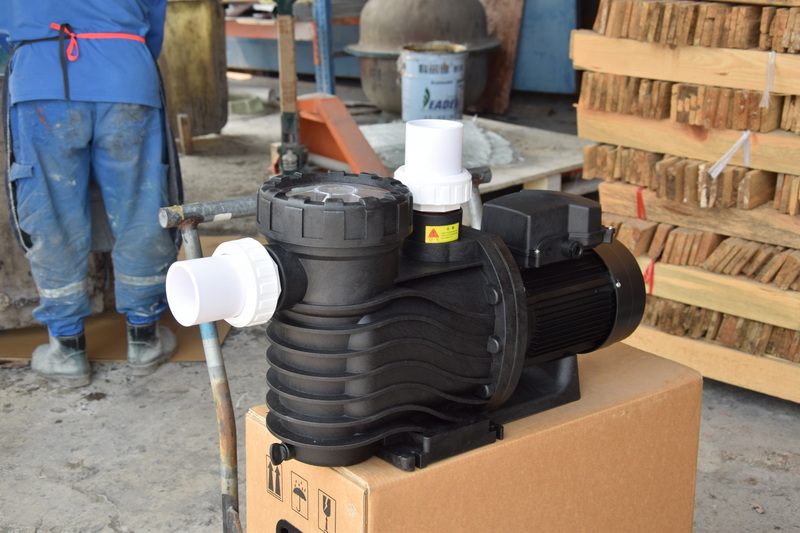
Although the pump works similarly with any filter type, the filtration method changes.[7][6]
- Sand filters use a bed of sand to trap particles as water flows from top to bottom, often controlled by a multiport valve with settings like Filter, Backwash, and Rinse.[14][13]
- DE filters coat internal grids with diatomaceous earth powder, which captures very fine particles and requires periodic backwashing and re‑charging with new DE.[15][16]
- Cartridge filters pass water through pleated cartridges that are removed and cleaned, eliminating the need for backwashing.[6][7]
In all three cases, the pump must provide enough flow and pressure for water to move through the filter media effectively.[5][6]
A typical circulation cycle for a residential pool pump can be summarized in several stages.[3][8]
1. Water enters the skimmers and main drains and moves into the suction lines.[11][6]
2. The pump pulls this water through the strainer basket, where large debris is trapped.[8][7]
3. The impeller increases water velocity and sends it into the filter.[1][2]
4. The filter captures dirt and contaminants as water passes through the media.[13][6]
5. Clean water flows through heaters or sanitizing equipment (if installed).[4][3]
6. Finally, water returns to the pool via return lines and jets.[3][8]
Running this full loop several times per day (called “turnovers”) helps maintain water clarity and hygiene.[4][6]
Choosing the right pump size and speed is critical for proper circulation and energy savings.[10][4]
Flow rate (often expressed in liters per hour or gallons per minute) determines how quickly the system can turn over the entire pool volume through the filter. Many modern pools use variable‑speed pumps that can run at lower speeds for longer periods, improving filtration, reducing power consumption, and cutting noise.[12][5][10][4]
For commercial and high‑end residential pools, matching pump curves to filter and pipe sizing ensures stable flow, lower resistance, and longer equipment life.[5][12]
Several common issues can reduce performance or damage a pool pump.[9][5]
- Clogged strainer basket or impeller caused by leaves, hair, or other debris
- Air leaks from worn lid O‑rings, loose unions, or cracked suction fittings
- Running dry, overheating, or cavitation due to low water level or blocked suction[2][5]
Over time, seals and bearings wear out, leading to leaks, noise, or motor failure, so regular inspection and timely replacement of these parts are essential.[10][5]
With basic care, a quality pump can run efficiently for many years.[7][5]
- Clean the pump basket and skimmer baskets regularly to prevent clogs and high pressure.[14][13]
- Check lid O‑rings, unions, and drain plugs for cracks or hardness, and lubricate or replace as needed to avoid air leaks.[2][10]
- Monitor filter pressure and backwash or clean the filter when the pressure rises 8–10 psi (or similar) above normal.[17][13]
Ensuring sufficient water level in the pool, correct valve positions, and stable electrical supply also protects the motor and seals.[5][8]
A swimming pool pump works by creating a low‑pressure zone on the suction side, drawing water from skimmers and drains, and then pushing that water through the filter and other equipment before sending it back into the pool. By understanding this circulation loop, as well as the role of each component and the basics of flow rate, priming, and maintenance, pool owners and professional buyers can select the right pump, operate it efficiently, and extend the life of the entire system.[1][4][3][5]
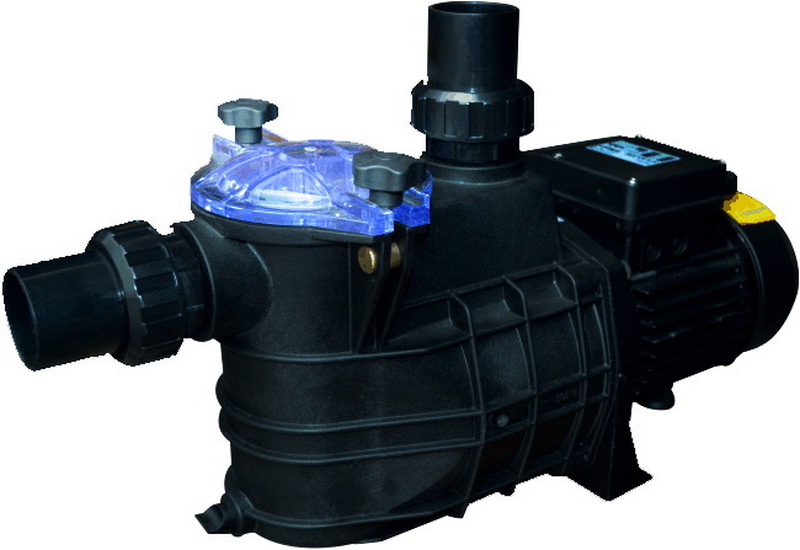
Most pools need enough run time to turn over the entire pool volume at least once or twice per day, which often translates to 8–12 hours depending on pump size and flow rate. Variable‑speed pumps may run longer at lower speeds to achieve better filtration with lower energy use.[12][6][4][10]
The suction side includes everything from the pool (skimmers, main drains, suction lines) up to the pump inlet, where pressure is lower than atmospheric to pull water in. The pressure side begins at the pump outlet and includes the filter, heater, chlorinator, and return lines that send pressurized water back into the pool.[6][8][3]
Common causes include low water level, air leaks at the lid O‑ring or unions, cracked fittings on the suction side, or a clogged pump basket that restricts flow. If air keeps entering the system, the pump cannot maintain a solid column of water, and priming fails.[8][2][5]
Yes. An undersized pump may not move enough water through the filter to achieve proper daily turnover, leading to cloudy water and poor chemical distribution. An oversized pump can create excessive pressure, raise energy costs, and potentially damage filters and plumbing if not matched to the system.[4][10][12][5]
For sand and DE filters, backwashing is generally recommended when the filter pressure rises around 8–10 psi above the clean starting pressure. Cartridge filters should be removed and rinsed when the pressure shows a similar increase or according to the manufacturer's guidelines.[15][13][7][6]
In many pools, a correctly sized variable‑speed pump can replace a traditional single‑speed model while providing quieter operation and significant energy savings. The ability to adjust speed allows better matching of flow to filtration, heating, and water features throughout the day.[10][5][4]
[1](https://home.howstuffworks.com/swimming-pool3.htm)
[2](https://lesliespool.com/blog/how-does-a-pool-pump-work.html)
[3](https://www.swimuniversity.com/pool-pumps-101/)
[4](https://hayward.com/tools/how-a-pool-works)
[5](https://poollogicsd.com/resources/how-pool-pumps-work-and-why-they-break-down/)
[6](https://www.swimuniversity.com/parts-of-pool/)
[7](https://www.epoolsupply.com/blogs/default-blog/pool-parts-equipment-and-chemical-news-poolinfloor-comfact-friday-what-are-the-parts-of-a-swimming-pool)
[8](https://www.riverpoolsandspas.com/blog/how-do-pool-pump-and-filter-systems-work)
[9](https://intheswim.com/blog/pool-pump-parts-explained.html)
[10](https://www.sunsationalswimschool.com/blog/the-anatomy-of-a-pool-pump)
[11](https://www.youtube.com/watch?v=k9DH_3EtA2I)
[12](https://aquatechnix.de/basiswissen/?lang=en)
[13](https://www.1stdirectpools.com/blog/post/backwashing-pool-filters)
[14](https://www.youtube.com/watch?v=id-zD7fbolE)
[15](https://blog.royalswimmingpools.com/how-to-backwash-pool-filter-guide)
[16](https://www.swimmingpool.com/maintenance/pump&filter/how-to-backwash-de-pool-filter/)
[17](https://mrpoolman.com.au/blogs/news/how-to-backwash-a-pool-sand-filter)
[18](https://www.youtube.com/watch?v=Ayk3co2KetE)
[19](https://www.youtube.com/watch?v=SPOzgmXgTlk)
[20](https://deependpools.co.uk/blogs/news/how-does-a-swimming-pool-pump-work)


