
Views: 222 Author: Tina Publish Time: 2025-11-25 Origin: Site


Content Menu
● Basic sand pool filter diagram
● How the sand actually filters water
● Internal parts: standpipe and laterals
● Multiport valve settings and flow paths
● Step-by-step: how water moves through the system
● Backwashing and cleaning the sand bed
● Advantages of sand pool filters
● Sand filter vs. cartridge vs. DE (visual comparison)
● OEM opportunities with sand pool filter diagrams
● FAQ
>> 1. What does the sand in a pool filter actually do?
>> 2. How often should a sand pool filter be backwashed?
>> 3. How long does sand last in a pool filter?
>> 4. Is a sand pool filter better than a cartridge or DE filter?
>> 5. What size sand filter is right for my pool?
A sand pool filter uses a tank full of special filter sand to trap dirt as water flows from the top of the tank down through the sand bed and back to the pool. Understanding the internal “diagram” of the tank, standpipe, laterals, and multiport valve makes it much easier for end users and your OEM customers to size, install, and maintain pool filtration systems.[1][2][3][4]
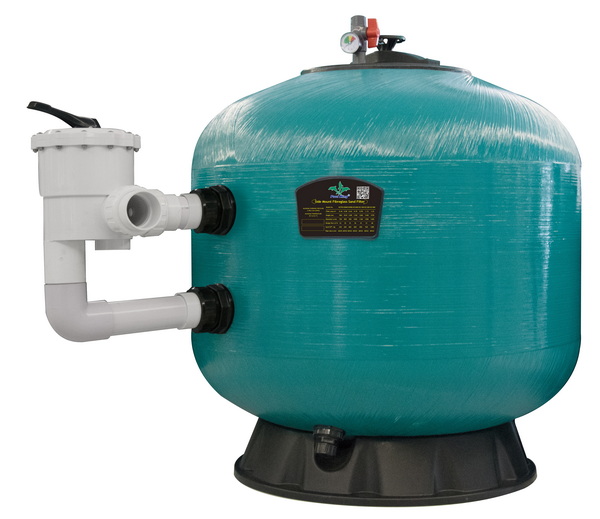
A typical sand pool filter system includes a pump, a sand-filled filter tank, a multiport valve on top or side, internal laterals at the bottom, and plumbing lines to and from the pool. The pump pushes dirty pool water into the filter tank, where the sand bed captures debris before the water exits via a central standpipe and returns clean to the pool.[2][3][4][1]
- Key components shown in a basic diagram image:
- Pump and pre-filter basket
- Filter tank body with sand bed
- Top-mounted or side-mounted multiport valve
- Vertical standpipe and radial laterals at the bottom
- Inlet line from skimmer/main drain and return line to pool[3][4]
Pool sand filters rely on a bed of graded sand (often quartz sand) whose rough, jagged grains physically trap dirt, oils, algae, and other particles as water passes through. Under normal operation, water enters the top of the tank under pressure, moves down through the sand, and fine debris is left behind while clarified water continues to the outlet.[8][1][2][3]
- The sand bed usually fills about two-thirds of the tank, leaving freeboard space above for proper water distribution.[4]
- Typical sand filters capture particles in the range of about 20–100 microns, which is sufficient for most residential pools and many commercial applications when paired with proper chemical treatment.[2]
Inside the tank, a central standpipe connects the multiport valve to a set of perforated arms called laterals arranged in a hub-and-spoke pattern at the base. When water is in FILTER mode, it passes down through the sand and into the laterals, then travels up the standpipe back to the multiport valve and out to the pool.[9][3][4]
- The laterals distribute suction evenly and prevent sand from escaping into the pool by using fine slotted openings sized so that water passes but sand does not.[4]
- A cutaway diagram of the standpipe-and-lateral assembly helps show OEM customers how the internal geometry supports efficient, uniform filtration.[4]
The multiport valve at the top or side of the tank redirects water through different flow paths for Filtration, Backwash, Rinse, Waste, Recirculate, and Closed modes. A “multiport valve diagram” shows the internal rotor and ports that send water either downward through the sand or upward to reverse the flow for cleaning.[10][11][12][3][9]
- Filter: Normal operation; water enters the valve, goes down through the sand, then returns to the pool.[11][9]
- Backwash: Flow is reversed; water is pushed from the bottom laterals up through the sand and out to the waste line, carrying dirt away.[12][9]
- Rinse: After backwashing, water flows top-to-bottom through the sand to settle the bed and flush remaining debris to waste for a short period.[13][9]
- Waste/Drain: Water bypasses the sand tank and is sent straight out to waste, useful for vacuuming heavy debris or lowering water level.[10][12]
- Recirculate: Water bypasses the filter media but still circulates through the plumbing, handy when you want to mix chemicals without filtration.[9][10]
From the pool owner's perspective, a typical circulation cycle can be visualized with a simple schematic running from pool to pump to filter and back. Diagrams that combine your pump, sand filter, and LED-lighted return fittings help OEM clients and installers visualize the complete system.[1][3][4]
1. Skimmer and main drain pull surface and bottom water, including debris and contaminants.[1][2]
2. Pump draws this water in, pushing it under pressure toward the multiport valve on the filter tank.[3]
3. In FILTER mode, the multiport sends water into the top of the tank, where it spreads out and flows down through the sand bed, which traps particles.[9][1]
4. Clean water collects in the laterals at the bottom, rises through the standpipe, passes back through the multiport valve, and returns to the pool via return jets and any in-wall light niches or water features.[8][1]
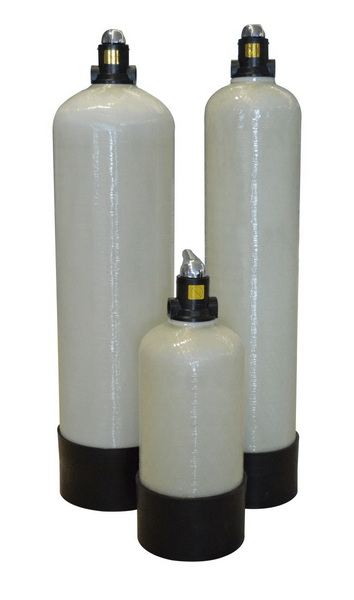
Over time, trapped debris builds up in the sand, increasing resistance and raising the pressure gauge reading, which indicates that it is time to backwash. Backwashing reverses the flow through the sand bed so that water carries loosened dirt out of the tank through the waste line.[14][2][3][9]
- During backwash, diagrams often show arrows moving from the laterals upward through the sand and then out a separate waste outlet instead of returning to the pool.[9]
- After backwashing, a short rinse cycle flushes residual debris and re-compacts the sand bed, preventing cloudy water from returning to the pool.[14][9]
Diagram-based explanations pair well with a simple list of performance benefits that you can highlight in your OEM marketing materials. Sand filters are widely chosen because they balance effective filtration, relatively low cost, and easy maintenance.[15][2][1]
- Long media life: the same sand charge can often be used for 3–5 years before replacement, depending on pool load and maintenance.[16][15]
- Easy cleaning: no cartridges to remove; just switch the valve to Backwash and then Rinse, following the indicated flow pathways.[3][9]
- Robust structure: the simple tank-lateral-standpipe design, clearly shown in exploded diagrams, is durable and reliable for both domestic and commercial pools.[1][4]
For OEM buyers and professional installers, a visual comparison chart or infographic is useful to position your sand filters against cartridge and diatomaceous earth (DE) filters. Each type has different internal diagrams and micron ratings, which helps customers choose the right solution.[2][4]
- Cartridge filters use pleated cartridges instead of sand; diagrams show water flowing through fabric media cylinders, leaving fine particles trapped on the surface.[4][2]
- DE filters use grids coated with DE powder, giving the finest filtration but requiring more complex valve and grid assemblies shown in more detailed schematics.[2][4]
Clear, branded “how does a sand pool filter work diagram” content is powerful support material when cooperating with international pool brands and distributors. By combining accurate cross-sectional drawings, flow direction arrows, and annotated component names, you help overseas partners integrate your filters, pumps, LED lights, and accessories into their own manuals and marketing.[15][3][4]
- Provide layered vector diagrams (for example, tank-only, tank-with-valve, full-system) so partners can adapt artwork to their own packaging, brochures, and websites.[3][4]
- Pair each diagram with QR codes that link to operation videos for FILTER, BACKWASH, and RINSE modes so end users can visualize the internal flow path in real time.[5][13][10]
A sand pool filter works by driving dirty pool water through a pressurized tank filled with filter sand, which traps suspended debris as water flows from top to bottom and then returns clean to the pool. Diagrams that show the pump, tank, standpipe, laterals, and multiport valve flow paths make the entire process easy to understand for homeowners, installers, and OEM partners, supporting your sales of premium sand filters, pumps, LED pool lights, and accessories to global markets.[1][3][4][9][2]
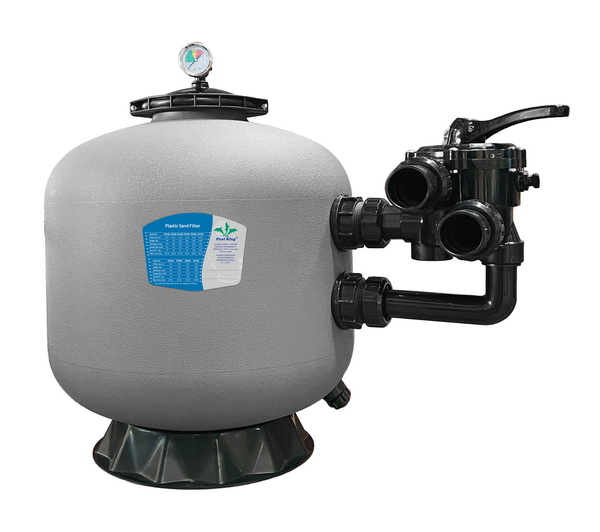
The sand in a pool filter forms a porous bed of sharp-edged grains that trap dirt, oils, and other particles as water passes through, leaving only clarified water to exit via the laterals. Over time, this trapped debris builds up until the pressure rises, signaling that the sand bed needs to be cleaned by backwashing.[14][3][2]
Backwashing is typically done when the pressure gauge shows a rise of about 8–10 psi above the clean starting pressure, which for many pools is every few weeks during peak season. Diagrams showing the pressure gauge location and backwash flow path can help users know when and how to perform this step correctly.[3][9][2]
With proper maintenance and normal bather load, filter sand can often be used for around 3–5 years before it becomes rounded and less effective at trapping debris. At that point, it should be replaced according to the manufacturer's instructions, usually by removing the multiport valve and vacuuming or scooping out the old sand.[16][15][4][1]
Sand filters are usually considered the easiest to maintain and most forgiving, making them very popular for residential pools and small commercial installations. Cartridge and DE filters can capture finer particles but require more frequent or more involved cleaning, so the best choice depends on required water clarity and maintenance preferences.[4][1][2]
The correct filter size depends on pool volume, pump flow rate, and desired turnover time, so most manufacturers publish sizing charts matching tank diameter and flow capacity to pool size. Oversizing the filter slightly compared to the pump rating usually improves water clarity and reduces how often the filter needs backwashing.[15][1][3]
[1](https://www.riverpoolsandspas.com/blog/pool-sand-filter-cost-maintenance-benefits)
[2](https://www.freshwatersystems.com/blogs/blog/how-does-a-pool-filter-work)
[3](https://www.streampumps.com/pump-introductions/how-does-a-sand-filter-pump-work.html)
[4](https://intheswim.com/blog/pool-filter-parts-all-you-need-to-know.html)
[5](https://www.youtube.com/watch?v=VmXdio44FTY)
[6](https://www.youtube.com/watch?v=IoumNs3gj7E)
[7](https://www.youtube.com/watch?v=HR96dFvz_yU)
[8](https://hyclor.com.au/how-does-a-pool-sand-filter-work/)
[9](https://intheswim.com/blog/multiport-valve-settings-demystified.html)
[10](https://www.youtube.com/watch?v=Bm-htvR-JCE)
[11](https://lesliespool.com/blog/how-to-use-a-multiport-valve.html)
[12](https://www.browningpools.com/blog/multiport-valve-101)
[13](https://www.youtube.com/watch?v=zXQbpJqhbmU)
[14](https://royalbrinkman.com/knowledge-center/technical-projects/water-filter-technologies-horticulture/sand-filter)
[15](https://greatbackyard.com/blogs/news/everything-you-need-to-know-about-your-pools-sand-filter)
[16](https://www.facebook.com/groups/637529959937311/posts/2644646712558949/)
[17](https://www.reddit.com/r/pools/comments/1d9ogxh/first_sand_filter_what_do_you_wish_youd_known/)
[18](https://btpoolparts.com/pages/filter-part-diagram)
[19](https://www.youtube.com/watch?v=S0-KKPjz9i8)
[20](https://www.poolzoom.com/diagram/starite-cristalflo-ii-aboveground-pool-sand-filter-system-parts-diagram)


