


Content Menu
● What Does “Priming a Pool Pump” Mean?
● Why Priming Your Pump Matters
● When Do You Need to Prime a Pool Pump?
● Safety Checks Before Priming
● Tools and Items You May Need
● Step‑by‑Step: How to Prime a Pool Pump
>> Step 1: Turn Off Power and Set Valves
>> Step 2: Open the Air Relief Valve
>> Step 3: Inspect and Clean the Pump Basket
>> Step 4: Fill the Pump Housing With Water
>> Step 5: Re‑seal the Lid Quickly
>> Step 7: Let the Pump Stabilize
● How Long Should Priming Take?
● Troubleshooting: Pump Still Won't Prime?
>> Check Water Level and Skimmers
>> Inspect for Suction‑Side Air Leaks
● How Priming Relates to Different Filter Types
● Maintenance Tips to Keep Your Pump Primed
>> 1. Do all pool pumps need to be primed?
>> 2. How often should I re‑prime my pool pump?
>> 3. Can running a pump dry really damage it?
>> 4. What if my pump keeps losing prime overnight?
>> 5. Is priming different for above‑ground pools?
>> 6. Should I prime with the filter on “Backwash” or “Recirculate”?
Priming a pool pump means filling the pump and suction lines with water so the pump can create suction and circulate water safely through your filter system. When the pump is properly primed, water flows continuously from the pool, through the filter, and back to the pool without sucking air.[1][2]
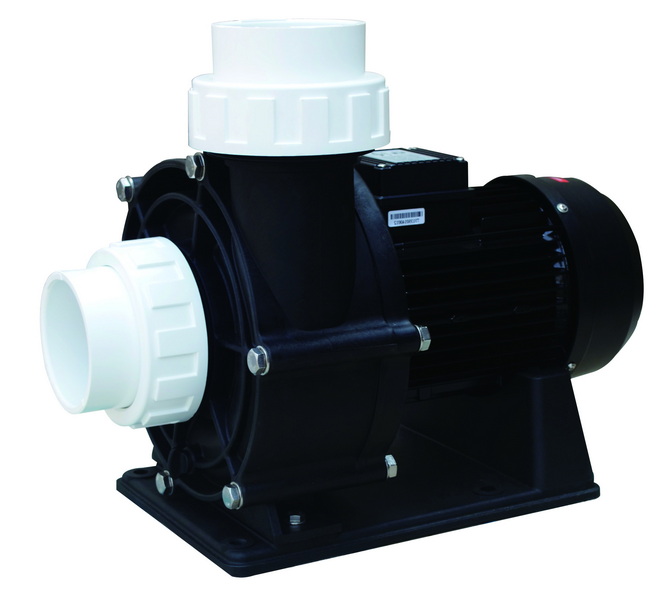
Priming a pool pump is the process of removing trapped air from the pump and plumbing and replacing it with water before running the pump at full speed. During priming, the pump basket is filled with water so the impeller does not run dry and overheat.[2][1]
A fully primed system has all components and pipes filled with water, which allows the pump to suck water from the pool and push it back through the returns. If air remains in the system, the pump may gurgle, fail to move water, or even burn out over time.[3][2]
Running a pool pump without water is one of the most common and serious mistakes pool owners make. When the pump loses prime and runs dry, it can overheat, damage seals, warp plastic components, and even melt internal parts.[4][5]
A pump that is not fully primed also reduces filtration efficiency because air pockets prevent stable water flow through the filter, which can lead to cloudy or dirty pool water. Proper priming protects the pump, improves filtration performance, and keeps chemicals circulating evenly in the pool.[6][3]
You typically need to prime or re‑prime your pool pump in the following situations.[7]
- After installing a new pump or filter system.[2]
- After opening the pool at the start of the season, especially if the plumbing was drained for winter.[3]
- After cleaning or opening the pump lid, strainer basket, or filter system.[8]
- After the pump runs dry due to low water level or a major air leak.[9]
- After significant maintenance that introduces air into the suction lines, such as adding a heater or changing valves.[2]
Any time you hear the pump running but see little or no water in the pump housing, you likely need to prime it.[1]
Before priming, always focus on safety first.[10]
- Turn off the power to the pump at the timer and at the circuit breaker to prevent accidental start‑up while you are working on the system.[8]
- Relieve pressure in the filter by opening the air relief valve until the pressure gauge reads zero.[2]
- Make sure the pool water level is at least halfway up the skimmer opening; low water levels make priming difficult or impossible.[10]
Inspect the area around the pump for leaks, damaged pipes, or loose unions, which can allow air to enter and cause priming problems.[9]
Having a few basic tools ready will make priming faster and easier.[10]
- Flat‑head or Phillips screwdriver (for clamp bands or lids).[2]
- Garden hose or bucket to fill the pump basket with water.[1]
- Pool‑safe lubricant for pump lid O‑rings.[8]
- Replacement O‑ring if the existing one is cracked, dry, or deformed.[11]
- Clean cloth or small brush to remove debris from the strainer basket.[8]
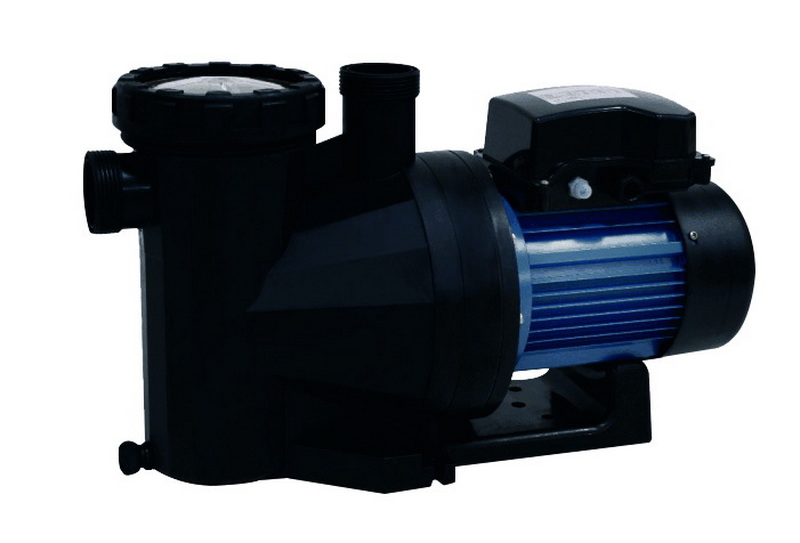
The exact layout of your equipment may vary, but the basic priming procedure is similar for most in‑ground pool systems.[7]
1. Shut off power to the pump at the breaker and at the control panel or timer.[8]
2. Set the suction valves so the pump mainly draws from the skimmer line, which usually has the most reliable water supply.[2]
3. If your system has a multiport valve on the filter, set it to “Recirculate” so water bypasses the filter and returns directly to the pool, reducing resistance while priming.[1]
This configuration helps the pump pull water more easily by keeping the suction path simple and short.[12]
Open the air relief valve on top of the filter to give trapped air in the system a way to escape as water starts to move. As you open it, you should hear air hissing out and see the pressure gauge drop to zero if there was pressure in the system.[8][2]
Leaving the air relief valve open during priming helps the pump fill with water instead of compressing air in the filter tank.[10]
Remove the pump lid carefully and pull out the strainer basket. Clean out leaves, hair, or debris that could restrict flow, then check the basket itself for cracks or broken sections and replace if damaged.[13][8]
Next, inspect the pump lid O‑ring for flat spots, cracks, or dryness; a bad O‑ring can allow air to leak into the pump and prevent priming. If the O‑ring looks good, apply a thin coat of pool‑grade lubricant to help it seal properly when you close the lid.[9][8]
Use a garden hose or bucket to fill the pump basket and housing completely with water. Allow water to run for at least one to two minutes so it can flow into the suction lines from the skimmer towards the pump, helping create an initial water column.[1]
If your pump is mounted higher than the water level in the pool or on an elevated pad, you may need to refill the housing more than once because gravity can drain water back towards the pool.[14]
Once the basket and housing are full, place the basket back inside (if you removed it), then position the lid and tighten it firmly by hand or by using the clamp system, depending on your pump design. Work quickly so you do not lose too much water before starting the pump, as an air gap can make priming harder.[1][8]
Ensure the lid is aligned properly and that the O‑ring sits flat in its groove; misalignment can cause a suction‑side air leak.[9]
With the filter's air relief valve still open and the multiport on “Recirculate”, restore power and turn the pump on. At first the pump may be noisy, gurgle, or push a mixture of air and water, but within 30–60 seconds you should see water begin to fill the pump housing and flow smoothly.[8][1]
Once a steady stream of water (rather than air) comes out of the air relief valve on the filter, close the valve by turning it clockwise.[8]
Allow the pump to run for several minutes in “Recirculate” mode so it can fully purge any remaining air from the suction lines and filter. Monitor the pressure gauge on the filter—when it stabilizes at the normal operating range and the pool returns show strong, consistent flow without bubbles, the pump is fully primed.[15][12]
If everything looks good, turn the pump off briefly and switch the multiport valve from “Recirculate” back to “Filter”, then restart the pump for normal operation.[8]
In most residential pools, priming should take between one and five minutes, depending on how dry the plumbing is and how far the pump sits from the pool. A brand‑new system with completely empty suction lines may require several priming attempts before it runs smoothly.[12][2]
If the pump has been off only briefly and plumbing remained full of water, it may restore prime within seconds of start‑up.[1]
If your pump refuses to prime even after following the steps, there are several common issues to investigate.[9]
- Make sure the pool water is at least halfway up the skimmer mouth; low water allows air to be drawn in through the skimmer.[16]
- Ensure skimmer baskets are not clogged with leaves or debris that could restrict flow.[9]
Most priming problems involve air leaks on the suction side between the pool and the pump.[13]
- Examine pump lid, O‑ring, and lid clamp for cracks or misalignment.[13]
- Check all unions, fittings, and valve stems on the suction line for gaps or worn gaskets.[11]
- While the pump is trying to prime, gently run water from a garden hose over suspected joints; if the pump suddenly catches prime when you do this, that fitting is likely drawing in air.[9]
Blockages in the suction line or impeller can also prevent priming.[11]
- Clean skimmer and pump baskets thoroughly.[9]
- If you suspect a clogged impeller, follow manufacturer or professional instructions to open the pump and clear debris from the impeller inlet.[13]
If you still cannot establish prime after several attempts and checks, contacting a qualified pool technician is recommended to avoid damaging the pump.[7]
Though the priming procedure is similar, your filter type slightly changes the details of the process.[6]
- Sand filter: Multiport valve usually has “Filter”, “Backwash”, “Rinse”, and “Recirculate”. Priming is easiest with the valve on “Recirculate” so water bypasses the sand bed.[1]
- DE filter: Air relief is very important because DE filter tanks trap air easily; always open the air relief while priming and make sure the tank fills fully with water before adding DE.[8]
- Cartridge filter: Priming is similar to sand filters, but there may not be a “Recirculate” mode; in that case, prime with the system on “Filter” while watching the pressure and air relief.[7]
As a manufacturer or OEM supplier of advanced sand filters, DE filters, and cartridge filters, emphasizing easy priming and good air‑relief design can be a selling point in your product descriptions.[3]
Avoiding a few simple mistakes can save your customers from premature pump failure.[5]
- Running the pump dry for more than a minute while “hoping it will catch” prime.[5]
- Forgetting to open the filter air relief, which traps air in the tank and disrupts prime.[8]
- Ignoring a damaged or flattened pump lid O‑ring, which allows small but constant air leaks.[9]
- Leaving suction valves in the wrong position, such as closed skimmer lines or partially closed main drain, reducing water supply.[2]
- Priming with very low pool water level where the skimmer is drawing in air.[16]
Educating customers about these mistakes also helps reduce warranty claims and support requests for your OEM pumps and filters.[3]
Good routine maintenance greatly reduces priming issues.[7]
- Maintain proper pool water level, especially during hot weather or periods of high bather load.[16]
- Clean skimmer and pump baskets regularly to prevent suction restrictions and cavitation.[9]
- Inspect and lubricate pump lid O‑rings several times per season, replacing them when they look worn, cracked, or flattened.[11]
- Periodically check unions and valves on the suction side for small leaks and tighten or replace gaskets as needed.[13]
- Schedule professional inspections if you notice recurring loss of prime, unusual noises, or frequent air bubbles at the return jets.[15]
Priming a pool pump is a simple but crucial task that protects the heart of the pool's circulation system and ensures clean, safe, and inviting water. By shutting off power, setting valves correctly, filling the pump housing with water, and using the air relief valve properly, most homeowners can successfully prime their pump in just a few minutes.[5][1][8]
Consistently maintaining water level, inspecting O‑rings, and checking for suction‑side air leaks will prevent most priming issues and extend the life of both pumps and advanced filtration systems such as sand, DE, and cartridge filters. For OEM pump and filter brands, clear priming instructions, integrated air‑relief features, and user‑friendly designs can significantly improve customer satisfaction and reduce technical support demands.[10][3][9]
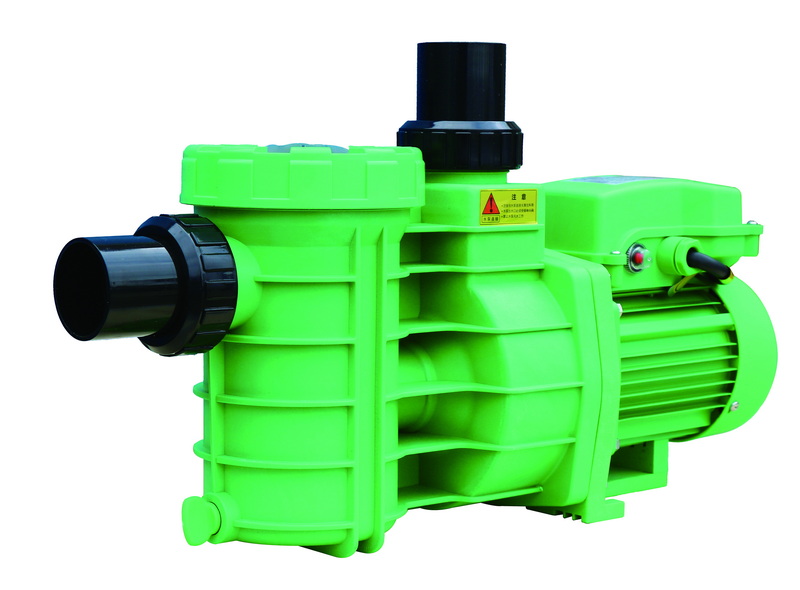
Yes. Even “self‑priming” pumps need an initial prime where the pump basket and suction lines are filled with water before the pump can reprime itself reliably. After the initial prime, a self‑priming pump can usually re‑establish prime on its own as long as there is no major air leak and the lines remain mostly full of water.[5][3]
Under normal conditions, you should not need to re‑prime frequently; a properly installed system holds water in the lines between pump cycles. You mainly need to prime after opening the pool for the season, after draining the system, after major plumbing changes, or if the pump has lost prime due to air leaks or low water level.[12][7]
Running a pool pump without water can quickly overheat the mechanical seal, impeller, and housing, sometimes causing permanent damage within minutes. Overheating can warp plastic components, crack pump lids, and melt seals, leading to leaks and expensive repairs or replacements.[4][5]
Repeated loss of prime, especially overnight when the pump is off, usually indicates a suction‑side air leak or very slow drain‑back of water to the pool. Check the pump lid O‑ring, suction unions, and valves for leaks, and confirm that the pool water level stays high enough to keep skimmers submerged.[16][9]
Above‑ground pools often use non‑self‑priming pumps mounted below the water level, so gravity keeps the pump housing full of water most of the time. However, if the system is drained or opened, you may still need to fill the pump and hoses with water manually and ensure all hose clamps and fittings are airtight.[3][7]
Priming is usually easiest in “Recirculate” because water bypasses the filter media and meets less resistance. “Backwash” is designed to push water backward through the filter and out the waste line, so it is not recommended for priming the circulation system.[6][1]
[1](https://www.swimuniversity.com/prime-pool-pump/)
[2](https://www.youtube.com/watch?v=aC1KGJ3Qoh8)
[3](https://www.aquagem.com/news/how-do-you-prime-the-pool-pump)
[4](https://www.youtube.com/watch?v=9JVApTiCQIg)
[5](https://diy.inyopools.com/article/5-biggest-pool-pump-mistakes/)
[6](https://www.swimmingpool.com/maintenance/pump&filter/when&how-to-prime-pool-pump/)
[7](https://poolshop.com.au/blogs/pool-supplies-and-equipment/how-to-prime-a-pool-pump)
[8](https://www.youtube.com/watch?v=Fer5zc8TE-Q)
[9](https://www.bluescience.com/swimming-pools/posts/what-to-do-if-your-pump-will-not-prime/)
[10](https://www.aquaticcouncil.com/news/how-to-prime-a-pool-pump/)
[11](https://www.youtube.com/watch?v=6VlN98spIpM)
[12](https://www.poolzonegc.com.au/post/how-to-prime-a-pool-pump)
[13](https://www.youtube.com/watch?v=UgXzHO16jxc)
[14](https://www.reddit.com/r/pools/comments/r5e6xk/dummy_tries_to_prime_pool_pump_question/)
[15](https://www.milleroutdoorsnola.com/blog/how-to-prime-a-pool-pump/)
[16](https://aquaclearpoolcare.com/why-wont-my-pool-pump-prime/)
[17](https://www.youtube.com/watch?v=Rok3I18bPPw)
[18](https://www.youtube.com/watch?v=hlz48dkxwAc)
[19](https://www.youtube.com/watch?v=PFuY0jGo8ts)
[20](https://www.youtube.com/watch?v=XI-OjzbbYEU)


