
Views: 222 Author: Tina Publish Time: 2025-08-09 Origin: Site


Content Menu
● What is a Pool Filter and Why is Sand Used?
● Why Sand Matters in Pool Filtration
● Types of Sand Used for Pool Filters
>> 1. Pool Filter Sand (Silica Sand)
>> 2. Alternative Media: Crushed Glass and Glass Beads
>> 3. Zeolite
● Why Play Sand is Not Suitable for Pool Filters
● Comparing Play Sand and Pool Filter Sand
● How to Properly Use Sand in Pool Filters
● Are There Alternatives to Sand for Pool Filtration?
>> Zeolite
● Environmental and Cost Considerations
● Frequently Asked Questions (FAQs)
>> 1. Can I use play sand instead of pool filter sand?
>> 2. What size of sand grains is ideal for pool filters?
>> 3. How often should I replace the sand in my pool filter?
>> 4. Are there environmentally friendly alternatives to sand for pool filtration?
>> 5. What happens if contaminated or incorrect sand is used in my pool filter?
When it comes to maintaining the cleanliness and safety of a swimming pool, the choice of filter media plays a crucial role. Among various types of filter media, sand filters have been widely used because of their affordability, efficiency, and relatively low maintenance requirements. However, a common question pool owners often ask is: can you use play sand for a pool filter? This article aims to provide a comprehensive answer, explaining the differences between play sand and pool filter sand, why specific sands are recommended, and the potential risks of using unsuitable sands like play sand. We will also explore alternatives to sand for pool filtration and proper maintenance tips, with detailed explanations and helpful insights throughout.
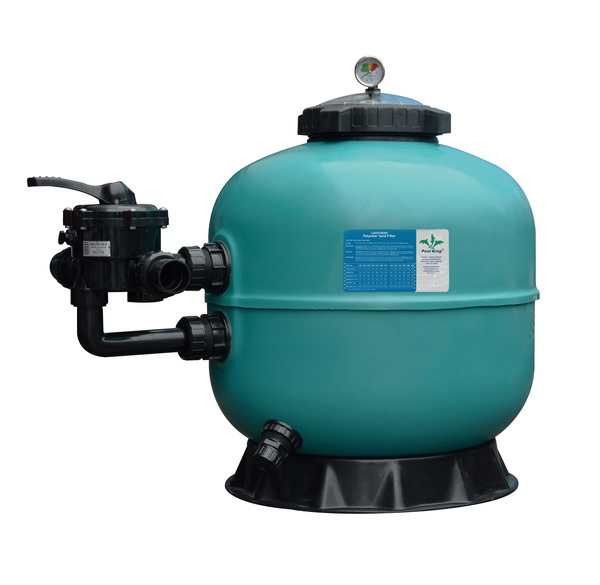
A pool filter is an essential part of any swimming pool system that removes dirt, debris, microscopic particles, and contaminants from the water, helping to maintain clear and safe water for swimmers. There are several types of pool filters including cartridge filters, diatomaceous earth (DE) filters, and sand filters.
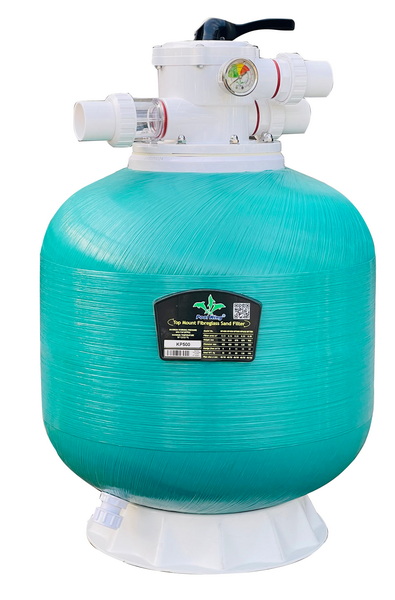
Sand filters are among the most popular due to their durability and cost-effectiveness. They consist of a large tank filled with sand through which pool water is pushed. The sand acts as a mechanical filter, trapping dirt and debris on and within its granules as water passes through. The effectiveness of sand filters depends heavily on the type and quality of the sand used.
The functionality of a sand filter relies on the sand's grain size, shape, and purity. Sand particles with the right angular shape and size create a porous bed that traps contaminants while allowing water to flow smoothly. Using the wrong type of sand can reduce filter efficiency, cause damage to the filter components, and even contaminate the pool water.
The industry standard is #20 Grade Sila Sand, often referred to as pool filter sand. It features small, angular grains sized between 0.45mm and 0.55mm, optimized for filtering microscopic particles without overly restricting water flow. This sand is specially cleaned to remove dust and impurities, making it safe and effective for pool use.
Some modern pool filters use crushed recycled glass or glass beads as alternatives. These have advantages like higher density and more effective filtering ability due to smoother, sharper edges. They also tend to last longer and require less frequent replacement than traditional sand.
Zeolite is a natural volcanic mineral increasingly popular as a filter media. It filters finer particles than sand and also helps reduce pool odors and chemical demands. Using zeolite can help reduce the frequency of backwashing by up to 50%, saving water and energy.
Despite the seemingly similar appearance, play sand is not recommended for pool filtration. Here's why:
- Inconsistent Grain Size and Shape
Play sand grains tend to be rounded, variable in size, and generally finer or coarser than pool filter sand. This irregularity leads to poor filtration efficiency, as the sand bed cannot trap debris effectively or may become compacted, leading to increased filter pressure and strain.
- Impurities and Organic Matter
Play sand is manufactured for play environments like sandboxes and may contain traces of dust, dirt, or organic matter. These impurities can cause microbial growth, cloudiness, or chemical imbalances in pool water.
- Chemical Composition Concerns
Unlike pool sand, play sand is not rigorously tested for chemical content. It may contain heavy metals or minerals such as lead or iron, which can leach into the water, causing discoloration and potential health hazards.
- Potential Damage to Filter Equipment
Using play sand may lead to clogging or damage of the pool filter system because of inconsistent grain size and impurities. This reduces filtration lifespan and increases maintenance costs.
- Impact on Water Clarity and Swimmer Safety
Poor filtration affects water clarity and quality, potentially leading to unsafe swimming conditions due to bacteria and algae buildup.
| Feature | Pool Filter Sand | Play Sand |
|---|---|---|
| Grain Size | Uniform, 0.45mm - 0.55mm | Variable, often smaller or rounded |
| Cleaning & Washing | Thoroughly washed and free of debris | Often contains dust and organic matter |
| Chemical Purity | High, safe for pools | Not guaranteed; may contain heavy metals |
| Filter Compatibility | Specifically designed for pool filters | Not designed for filtration |
| Cost | Generally higher | Typically cheaper |
| Filter Longevity | Longer; less frequent replacement | Shorter due to clogging and damage risks |
If you want optimal filtration performance and long filter life, it is essential to:
- Use only #20 Grade Sila Sand or sand products explicitly recommended for pool filters.
- Rinse new sand thoroughly before adding it to the filter to eliminate dust and fine particles.
- Regularly maintain and backwash the filter to remove trapped debris.
- Replace the sand approximately every 7 to 10 years or as recommended by your filter manufacturer.
- Follow exact manufacturer instructions regarding sand quantity and filter specifications.
Proper sand selection and maintenance safeguard your pool water quality and prevent costly repairs.
Yes. Besides standard silica sand, several alternatives are gaining popularity:
Glass filter beads or crushed glass are environmentally friendly options made from recycled materials. They provide better filtering capabilities due to smoother, sharper particle edges, and extend the life span of the filter media.
Zeolite's unique porous structure captures smaller particles than traditional sand, reduces chemical usage, and extends backwash intervals, making it an efficient and eco-friendly option.
Though not sand, DE is a fine powder made from fossilized diatoms. DE filters can remove extremely small particles and provide superior clarity, but require more maintenance and careful handling.
Choosing the right filter media affects not only pool performance but also water and energy usage. Filters with inefficient media such as play sand may clog faster, increasing the frequency of backwashing—wasting water and energy. Furthermore, contaminated water may require higher chemical input to maintain safety, adding to long-term costs.
While play sand is cheaper upfront, its potential to cause damage and poor water quality means it is a false economy. Investing in high-quality pool filter sand or suitable alternatives saves money and effort in the long run.
Using the correct sand for your pool filter is fundamental to maintaining clean, clear, and safe swimming water. Despite the temptation to use inexpensive and readily available play sand, it is not designed for filtration purposes. Its inconsistent grain size, presence of impurities, and potential chemical contaminants make it unsuitable and potentially damaging to the pool filter system.
#20 Gradeilica Sand remains the industry standard for pool filter media due to its optimal grain size, shape, purity, and filtration efficiency. Alternatives like glass media and zeolite provide environmentally friendly options with enhanced performance but may come at a higher cost.
By choosing the right filter media and following proper maintenance practices, pool owners can ensure maximum filter performance, reduce maintenance costs, and enjoy crystal-clear water. In the end, investing in the right sand safeguards your pool equipment's longevity and your family's health and safety.
No. Play sand is not manufactured or processed for pool filtration and may damage your filter and degrade water quality.
The ideal size is between 0.45mm and 0.55mm, commonly referred to as #20 Grade Silica Sand.
Generally, every 7 to 10 years. Frequent backwashing and proper maintenance can extend its life.
Yes. Glass filter media and zeolite are popular eco-friendly options that filter finer particles and often require less frequent replacement.
Contaminated sand can cause cloudiness, microbial growth, chemical leaching, increased filter pressure, and equipment damage.


