
Views: 222 Author: Tina Publish Time: 2025-12-22 Origin: Site


Content Menu
● Why Extension Cords Are a Problem
● When Is an Extension Cord Ever Acceptable?
● How to Choose a Safer Extension Cord (If You Must)
● GFCI Protection and Grounding
● Better Long‑Term Solutions Than Extension Cords
● How Professional OEM Manufacturers Help
● Practical Tips for Pool Owners
● FAQs About Extension Cords and Pool Pumps
>> 1. Is it ever legal to use an extension cord for a pool pump?
>> 2. What gauge extension cord is best for a small above‑ground pool pump?
>> 3. Why does the code require an outlet 6–20 ft from the pool?
>> 4. What happens if I ignore the manufacturer and use an extension cord anyway?
>> 5. How can OEM pump and filter systems reduce the need for extension cords?
>> 6. Should a pool pump always be on a GFCI?
Using an extension cord for a pool pump is generally not recommended, especially for permanent or in‑ground pools, because of serious shock, fire, and code‑compliance risks. In some temporary, above‑ground pool situations, a short, heavy‑duty outdoor cord on a GFCI‑protected circuit may be used only as a cautious, short‑term solution if local codes and the pump manufacturer allow it.[1][2][3][4]
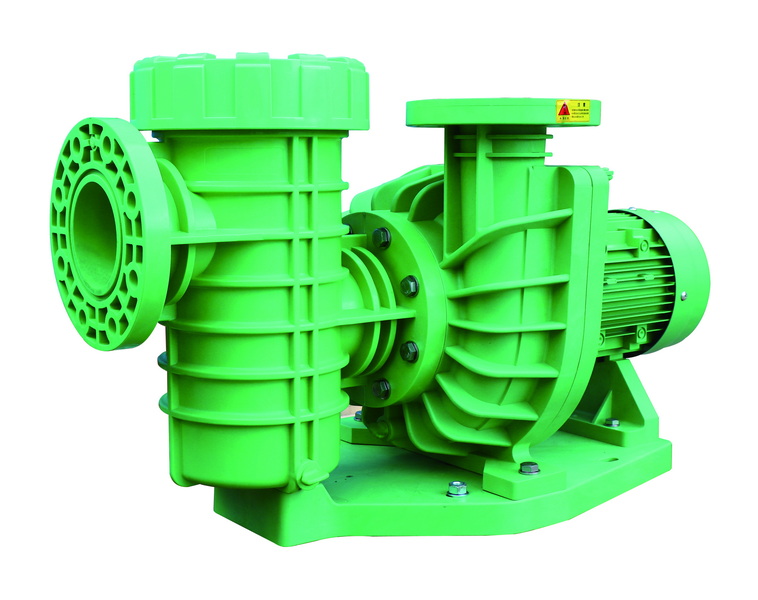
Extension cords around pools create multiple safety and reliability issues.
- Pool areas are wet, which drastically increases the risk of electric shock if a cord is damaged, undersized, or not properly protected by GFCI.[2][5]
- Cords on the ground can be tripping hazards, and damaged insulation can cause ground faults or electrocution if someone steps on or moves a live cord.[6][7]
- Many electrical codes explicitly aim to eliminate the need for extension cords by requiring a permanent, properly located outdoor receptacle within a set distance from the pool.[8][2]
Local rules often go further and clearly state that “extension cords shall not be used” for pool pumps, especially even for storable or temporary pools.[3][9]
Most modern electrical codes (such as the National Electrical Code Article 680 in the U.S.) are written to keep extension cords away from pools by design.[2]
- Codes require at least one 15‑ or 20‑amp GFCI‑protected receptacle between 6 ft and 20 ft from the pool, so owners do not need extension cords in the first place.[8][2]
- Pool pump motors must be connected per listing and manufacturer instructions, with GFCI protection whether they are cord‑and‑plug connected or hard‑wired.[10][2]
- Many local jurisdictions reinforce this by stating that storable pool pumps must plug directly into a weatherproof GFCI receptacle and that extension cords are prohibited.[3]
This means that even if an extension cord feels “safe” or works electrically, it may still violate your local electrical code and expose owners or installers to liability.[9][2]
For safety and code compliance, critical points must be respected when someone insists on using an extension cord for a small, temporary above‑ground pool.
- Some practical pool guides state that a properly sized heavy‑duty cord (typically 12 AWG or even 10 AWG, outdoor‑rated) can power a small 120 V above‑ground pool pump over moderate distances when connected to a GFCI receptacle.[6][1]
- These recommendations are always framed as short‑term or temporary solutions, not permanent installations, and usually limited to storable or seasonal pools.[4][1]
- The safest practice is still to install a dedicated, code‑compliant circuit and receptacle rather than rely on an extension cord, especially for in‑ground or permanently installed pools.[4][2]
If the manufacturer's manual states “do not use an extension cord,” then any cord use is considered misuse and may void the warranty and product listing.[1][2]
If a pool owner temporarily uses an extension cord, correct selection and installation are essential to reduce risk.
- Gauge and length: Heavy‑duty cords with 12 AWG or 10 AWG copper conductors are typically recommended for pool pumps; thinner cords (higher gauge numbers such as 14 or 16) can overheat, especially over long runs.[6][1]
- Keep the cord as short as possible, ideally under 50–100 ft, to limit voltage drop and heating; longer runs often require thicker wire (10 AWG) to stay within safe limits.[1][6]
- Use only cords rated for outdoor and “hard usage” applications (e.g., type S‑ or SJ‑series flexible cords) rather than light‑duty household cords.[11][2]
All cord connections should stay off the ground, be protected from puddles and physical damage, and never pass under doors or windows where pinching can damage insulation.[11]
Any pool pump circuit, with or without an extension cord, must be properly protected and grounded.
- Electrical codes require GFCI protection for nearly all pool‑related receptacles and for pool pump motors, both for cord‑connected and hard‑wired installations.[10][2]
- A 120 V pool pump plugged into an outdoor receptacle must use a GFCI‑protected outlet or breaker; many jurisdictions now require GFCI protection for all exterior outlets.[5][12]
- Proper equipment grounding and bonding of all conductive parts near the pool are required to prevent dangerous touch voltages around wet surfaces.[2]
An extension cord that removes or bypasses GFCI protection, or that uses a non‑grounding plug, is unsafe around any pool environment.[13][5]
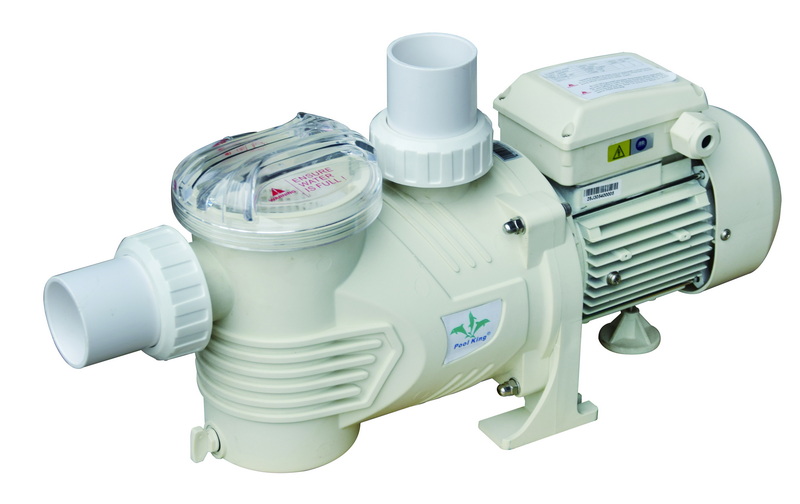
Instead of relying on an extension cord, safer permanent solutions are strongly preferred.
- Install a dedicated, GFCI‑protected 15‑ or 20‑amp outdoor receptacle 6–20 ft from the pool, with an in‑use weatherproof cover, sized and wired per Article 680.[8][2]
- For in‑ground pools, run wet‑location‑rated conduit and conductors from the main panel to a pool equipment pad, then hard‑wire the pump and filtration system per manufacturer instructions.[2]
- Use listed pool pumps with factory cords that are short, heavy‑duty, and specifically approved for pool use, rather than generic long cords.[10][2]
Professional pool and electrical contractors can design equipment pads with sand filters, cartridge or DE filters, pumps, and LED lighting laid out so that no extension cords are needed during normal operation.[2]
A well‑designed pump and filtration system from a professional OEM manufacturer can minimize electrical risks and simplify code compliance.
- Leading factories design pool pumps, sand filters, cartridge filters, and LED lighting systems to match regional electrical standards and support safe GFCI‑protected installations.[2]
- Pumps and control boxes can be supplied with correctly rated factory cords, clear installation diagrams, and labeling that instructs users not to use extension cords for permanent setups.[10][2]
- OEM partners can provide customized voltage, plug, and cable options (for example, 120 V or 230 V, different plug types, and specific cord lengths) for brands, wholesalers, and pool kit assemblers in different markets.[2]
For global customers—such as foreign pool brands, importers, and distributors—this reduces field wiring errors and improves both product safety and brand reputation.[2]
Owners who are unsure about their current setup can follow a few straightforward checks.
- Inspect how your pump is powered: if you see a long, household‑type extension cord running across the yard, plan to upgrade to a permanent outlet or have the pump hard‑wired.[4][6]
- Confirm that the outlet feeding the pump is GFCI‑protected and that all covers and boxes are rated for wet locations.[5][2]
- Follow the pump manufacturer's instructions strictly, especially any warnings against the use of extension cords, adapters, or multi‑plug taps.[1][2]
When in doubt, consult a licensed electrician or pool professional; unsafe improvisations can have severe consequences around water.[10][2]
Using an extension cord for a pool pump is usually a bad idea and may violate both the electrical code and the pump manufacturer's installation instructions. While a heavy‑duty, outdoor‑rated cord (such as 12 or 10 AWG) on a GFCI‑protected circuit can sometimes be used for a small, temporary above‑ground pool, this should only be a short‑term solution where local regulations clearly allow it.[3][6][1][2]
The safest approach is to eliminate extension cords by installing a dedicated, weatherproof, properly located GFCI receptacle or by hard‑wiring the pool pump and filtration system according to Article 680 and the manufacturer's requirements. Professional OEM pump and filter suppliers support this by delivering products designed for compliant, safe installations in different countries, helping brands, wholesalers, and installers avoid dangerous cord setups altogether.[8][10][2]
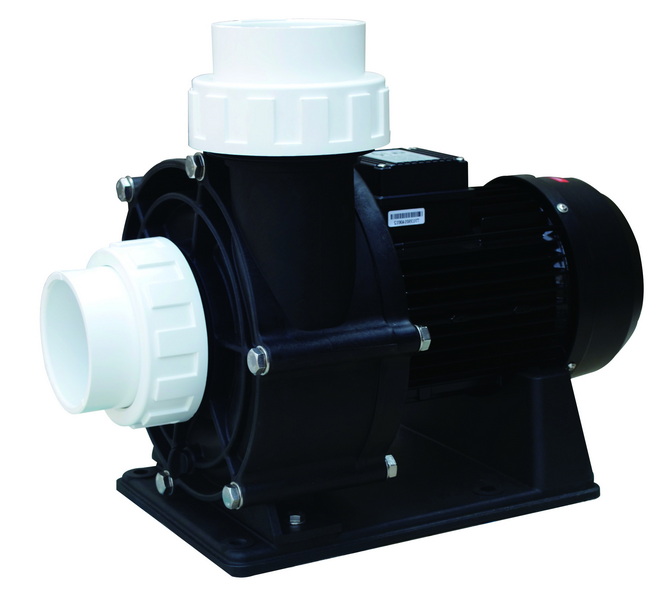
In many jurisdictions, codes strongly discourage or explicitly forbid extension cords for pool pumps, especially for permanent or in‑ground pools. Some areas tolerate a properly sized heavy‑duty cord for a small, storable above‑ground pool as a temporary measure, but local rules and manufacturer instructions must be checked first.[3][4][1][2]
Guides for above‑ground pools often recommend 12 AWG or even 10 AWG outdoor‑rated cords for typical 120 V pool pumps, with thicker wire for longer distances or higher amperage. Thin cords (14–16 AWG) are usually not acceptable for long runs because they can overheat and cause dangerous voltage drop.[6][1]
The code requires at least one GFCI‑protected receptacle between 6 ft and 20 ft from the pool to provide power without forcing owners to run cords close to the water. This spacing reduces trip hazards and keeps plugs and receptacles outside the immediate splash zone while still being convenient enough to discourage unsafe extension cords.[8][2]
If a pump manual prohibits extension cords, using one can void the warranty and may void the safety listing or certification. In the event of a fire, shock, or injury, non‑compliant wiring can also expose the owner, installer, or property manager to insurance problems and legal liability.[9][1][2]
OEM manufacturers can supply pumps and complete filtration sets with factory‑approved cords, junction boxes, and clear wiring diagrams that match local electrical standards. When brands and wholesalers specify cord length, plug type, and GFCI requirements in advance, end users can plug in or wire systems correctly without resorting to long, unsafe extension cords around the pool.[10][2]
Modern codes and industry recommendations expect pool pump motors and nearby outdoor receptacles to be GFCI‑protected for shock safety. Even when GFCI is not explicitly mandated by older codes in some regions, many professionals treat it as essential around water.[13][5][10][2]
[1](https://abovegroundpoolbuilder.com/can-you-use-an-extension-cord-for-a-pool-pump/)
[2](https://nassaunationalcable.com/blogs/blog/explaining-nec-article-680-on-pools-spas-and-water-based-installations)
[3](https://www.orangecityfl.gov/city/government/planning-department-permits-applications-pdf/above-ground-pool-requirements.pdf)
[4](https://forums.mikeholt.com/threads/question-about-swimming-pool-nec-680-22-a-1.2555189/)
[5](https://electricaleducator.com/for-homeowners/pool-heaters-gfci-protection/)
[6](https://www.reddit.com/r/pools/comments/ns6ydj/is_it_safe_to_run_a_pool_with_an_extension_cord/)
[7](https://www.youtube.com/watch?v=9AkB6lsQEjc)
[8](https://www.electricallicenserenewal.com/Electrical-Continuing-Education-Courses/NEC-Content.php?sectionID=170.0)
[9](https://www.facebook.com/groups/637529959937311/posts/2207829919573966/)
[10](https://captaincode2020.leviton.com/node/278)
[11](https://www.mikeholt.com/newsletters.php?action=display&letterID=2168)
[12](https://www.hawkinsserviceco.com/blog/gfci-breakers-and-swimming-pool-equipment-what-we-know-and-our-recommendations/)
[13](https://www.reddit.com/r/askanelectrician/comments/mkrm5r/240v_variable_speed_pool_pump_need_a_gfci/)
[14](https://www.youtube.com/watch?v=SVBnOlABqio)
[15](https://www.youtube.com/watch?v=H5JE5R4AyA0)
[16](https://forum.allaboutcircuits.com/threads/pool-pump-and-extension-cord-safety.169461/)
[17](https://www.electricallicenserenewal.com/Electrical-Continuing-Education-Courses/NEC-Content.php?sectionID=959)
[18](https://www.reddit.com/r/pools/comments/vlcjg0/pump_to_extension_cord/)
[19](https://www.reddit.com/r/Stocktankpools/comments/udau3z/is_running_a_50_foot_10_gauge_extension_cord_from/)
[20](https://www.reddit.com/r/AboveGroundPools/comments/1kfrs0p/pool_pump_power_cord/)


