
Views: 222 Author: Tina Publish Time: 2025-12-12 Origin: Site


Content Menu
● What Pool Sand Filters Are Designed For
● Why Play Sand Is Not Suitable
● Risks of Using Play Sand in a Pool Filter
● Pool Filter Sand vs Play Sand
● Better Alternatives to Play Sand
>> Glass Media
● How to Properly Change Pool Filter Sand
● Recommended Filters, Pumps, and Accessories (OEM/ODM)
● FAQ
>> 1. Can play sand be used in a pool filter if it is washed thoroughly?
>> 2. What happens if play sand is already in my sand filter?
>> 3. How often should pool filter sand be replaced?
>> 4. Is glass media worth the higher cost compared to silica sand?
>> 5. Do zeolite and glass media work in any sand filter?
>> 6. Can I mix different media types in the same filter?
Play sand should not be used in a pool sand filter because it does not meet the required grain size, shape, cleanliness, and safety standards that true pool filter sand or advanced media are designed to meet. Using play sand can reduce filtration efficiency, damage the filter internals, void warranties, and even introduce contaminants into the pool water.[1][2][3][4][5]
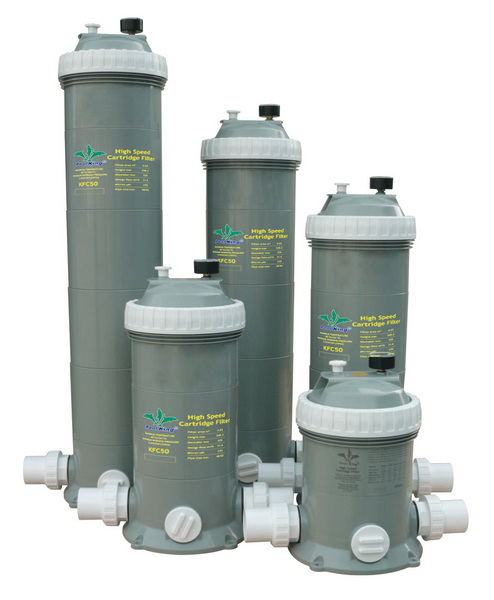
Pool sand filters are engineered to work with a very specific type of sand, typically labeled as “#20 silica pool filter sand.” This media consists of carefully graded quartz particles around 0.45–0.55 mm with angular edges, which allows them to trap debris down to about 20 microns while still maintaining proper flow.[6][7][5][1]
Because the hydraulic design of the filter tank, laterals, and valves assumes this grain size and density, using an incorrect media such as play sand disrupts both filtration performance and internal water distribution. Manufacturers of sand filters therefore specify exactly which media to use and warn that substitutes can cause malfunctions and warranty issues.[2][3][4][5]
Play sand is manufactured primarily for children's sandboxes and landscaping, not for fine water filtration under pressure. Its grain size distribution, shape, and cleanliness differ significantly from certified pool filter sand, which leads to several problems in a pool filtration system.[4][5][2]
Typical issues include:
- Wrong grain size and gradation that do not form a consistent filter bed
- Rounded or mixed particle shapes that trap fewer particles
- Higher levels of dust, fines, and organic debris
These characteristics make play sand much more likely to pass fine particles back into the pool, cause cloudy water, and stress the pump and filter.[5][2][4]
Using play sand in a pool filter is not just a performance downgrade; it can create real risks for equipment and swimmers.[3][1][2]
Key risks include:
- Reduced filtration quality: Improper sizing and shape mean the bed cannot reliably capture debris, so water may stay cloudy and require more chemicals to maintain clarity.[8][2]
- Channeling and poor circulation: Non‑uniform grains allow water to “tunnel” through the sand bed, bypassing most of the media and sharply reducing effective filtration surface area.[9][2]
- Filter damage: Oversized or irregular particles can stress laterals and internal plumbing, potentially causing cracks or blow‑by; mis-matched sand can also prevent proper backwashing.[7][2][9]
- Warranty and compliance issues: Many manufacturers clearly state that using non‑approved media such as play sand can void the filter warranty.[3][5]
- Contaminants and heavy metals: Some play sands may contain higher levels of impurities, including heavy metals like lead, which are unacceptable in a pool system.[2][4]
For these reasons, professional pool suppliers and media manufacturers consistently advise against using play sand in a pool filter.[1][4][5][2]
The following table summarizes the main differences relevant to pool owners and professionals:
| Feature | Pool Filter Sand | Play Sand |
|---|---|---|
| Primary purpose | Pressure filtration of pool/SPA watermrpoolman+1 | Children’s play areas and general landscapingsakrete |
| Typical grain size | About 0.45–0.55 mm, tightly gradedmrpoolman+1 | Mixed, often finer or more irregularhyclor+1 |
| Grain shape | Angular, “burrs” for trapping particlesmrpoolman+1 | More rounded, mixed shapeshyclor+1 |
| Filtration range | Around 20 micronsplatinumpoolservice+2 | Unspecified; not engineered for micron filtrationhyclor+1 |
| Cleanliness and washing | Pre‑processed for filtration usemrpoolman+1 | Often dusty, requires heavy rinsingreddit+2 |
| Suitability for sand filters | Recommended and specified by OEMsaquapalace+2 | Not recommended; may void warrantieshyclor+2 |
| Risk of contaminants | Controlled to pool standardshyclor+1 | May contain organics, heavy metals, debrishyclor+1 |
Instead of play sand, pool owners and commercial facilities can choose from several proven media options designed for sand filters.[12][6][8]
Silica filter sand remains the most widely used option due to its balance of cost and performance. It reliably filters down to roughly 20 microns, lasts 3–5 years in typical residential applications, and is readily available through professional pool suppliers.[6][7][5]
Zeolite is a volcanic mineral that provides significantly finer filtration—often in the 2–5 micron range—while also adsorbing ammonia and helping control chloramines. This can improve water clarity and swimmer comfort by reducing odor and irritation, though the media costs more than basic silica sand.[8][12][6]
Recycled glass media, made from processed glass cullet, is another high‑performance option for sand filters. It typically filters around 5–10 microns, requires less volume by weight than sand, backwashes more efficiently, and can last up to 7–10 years with proper care.[7][6][8]
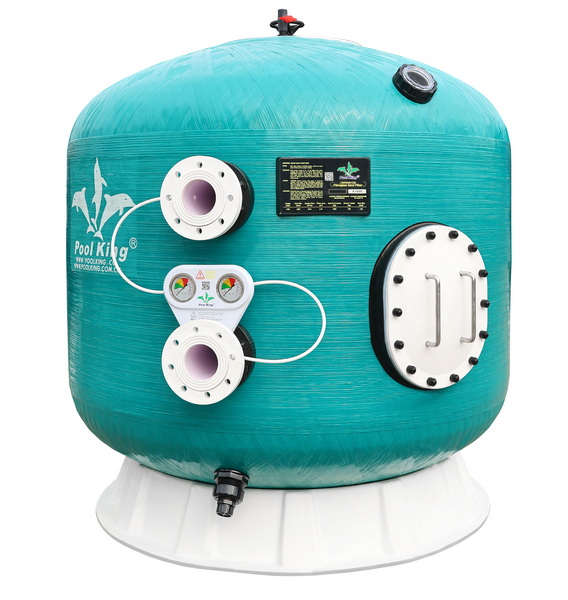
When upgrading or replacing existing media, follow basic best practices recommended across pool industry guides.[5][9][7]
Typical steps include:
1. Shut off power, close valves, and relieve pressure from the filter before opening the tank.[9][7]
2. Carefully remove old media, avoiding damage to laterals and internal pipework, then inspect components for cracks or wear.[7][9]
3. Add water to cover laterals, pour in the specified type and amount of new media slowly, and reassemble the filter according to the manufacturer's instructions.[5][9][7]
4. Backwash thoroughly until the water runs clear, then set the valve to “Filter” and resume normal operation.[7][5]
Using the correct media and replacement procedure ensures stable pressure, good flow, and clear water throughout the season.[6][5][7]
Professional sand filters manufactured with high‑precision molding and intelligent machining offer far better performance and reliability than generic low‑end equipment. High‑grade filter tanks paired with correctly selected silica, glass, or zeolite media can deliver efficient, low‑maintenance operation for both residential and commercial pools.[13][14][15][8][6]
For overseas brand owners, wholesalers, and pool equipment manufacturers, OEM/ODM cooperation with a specialized Chinese factory allows:
- Customized sand filters (top‑mount or side‑mount) engineered for #20 silica, glass, or zeolite media
- Matched circulation sets including energy‑efficient pool pumps, multi‑port valves, and plumbing manifolds
- Integrated solutions that combine sand filters, pumps, LED pool lights, and accessories under a unified brand specification
By combining strict quality control, automated production, and international performance standards, such factories can support private label projects for pool filters, DE filters, cartridge filters, and related systems.[14][15][13]
Play sand should not be used in a pool sand filter because it is not engineered for micron‑level filtration, has inconsistent grain size and shape, and may introduce unwanted contaminants or damage the filter. Instead, pool owners and professionals should choose dedicated filter media such as #20 silica sand, zeolite, or recycled glass that match the filter's design and the manufacturer's specifications. Working with a specialized OEM/ODM equipment supplier ensures that sand filters, pumps, and accessories are correctly matched, efficient, and reliable for long‑term operation in both residential and commercial pools.[15][13][4][14][1][3][8][2][6][5][7]
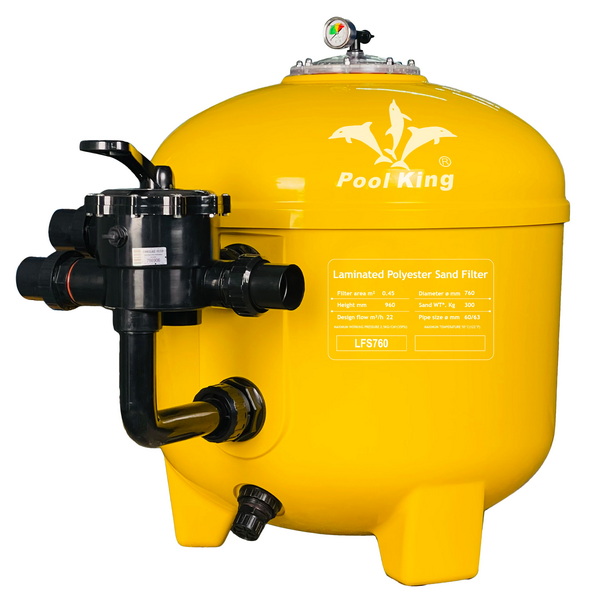
Even if heavily rinsed, play sand still does not meet the precise grain size and shape requirements for pool sand filters and can cause poor filtration and equipment problems.[4][2][5]
Expect cloudy water, possible channeling, irregular pressure, and higher chemical demand; the recommended solution is to remove the play sand and replace it with the specified filter media.[2][5][7]
Most guides recommend changing standard silica pool filter sand roughly every 3–5 years in residential pools, depending on bather load and maintenance practices.[6][5][7]
Glass media typically offers finer filtration, reduced backwash water use, and much longer service life, which can offset the higher purchase price over time.[8][6][7]
Most modern sand filters can use zeolite or glass, but it is important to follow the manufacturer's guidance on media type, fill weight, and setup to avoid flow or pressure issues.[12][8][6]
Some manufacturers allow media layering (such as coarse glass below fine glass), but mixing random combinations without guidance is discouraged because it can disrupt flow and backwashing.[9][8][7]
[1](https://www.aquapalace.com/blog/comments.cfm?page=Can_I_use_play_ground_sand_in_my_swimming_pool_filter)
[2](https://hyclor.com.au/best-sand-for-pool-filter/)
[3](https://www.poolkingfilter.com/can-you-use-play-sand-in-pool-filter.html)
[4](https://www.sakrete.com/blog/post/top-5-ways-to-use-sakrete-play-sand/)
[5](https://mrpoolman.com.au/blogs/news/the-definite-sand-filter-media-guide)
[6](https://platinumpoolservice.com/blog/what-is-the-best-filter-media-for-my-sand-filter/)
[7](https://mrpoolman.com.au/blogs/news/how-to-change-pool-filter-sand)
[8](https://beatbot.com/blogs/pool-cleaning-kits/different-types-of-sand-for-pool-filters-and-how-to-choose-the-right-one)
[9](https://www.pool.shop/blog/the-different-filter-media-options-and-their-pros-and-cons/)
[10](https://www.reddit.com/r/Goldfish/comments/kzzwjh/play_sand_or_pool_filter_sand_from_home_depot/)
[11](https://light.fish/blog/aquarium-safe-play-sand)
[12](https://lesliespool.com/blog/pool-filter-media-types-a-comparison-guide.html)
[13](https://www.poolkingfilter.com/news/Play-Sand-Vs-Pool-Filter-Sand.html)
[14](https://www.leisureindustries.ca/blog/keeping-your-pool-clean-the-importance-of-filter-media/)
[15](https://www.swimmerliving.com/36742/6-best-pool-filter-media-types-a-comparison/)
[16](https://www.facebook.com/groups/637529959937311/posts/2562928074064147/)
[17](https://www.youtube.com/watch?v=-0x7bGhi3Ns)
[18](http://www.turtleforum.com/forum/upload/index.php?%2Fforums%2Ftopic%2F157169-pool-filter-sand-vs-play-sand%2F)
[19](https://www.reddit.com/r/swimmingpools/comments/an8afa/sand_filter_media_alternatives/)
[20](https://www.reddit.com/r/pools/comments/1ec4x12/what_filter_media_do_you_recommend/)


