
Views: 222 Author: Tina Publish Time: 2025-07-15 Origin: Site


Content Menu
● Understanding Pool Pump Pressure
>> The Role of the Pump in Pool Filtration
● How to Recognize Low Pool Pump Pressure
● Common Causes of Low Pool Pump Pressure
>> 1. Low Water Level in the Pool
>> 2. Clogged Skimmer or Pump Baskets
>> 3. Clogged or Jammed Pump Impeller
>> 4. Air Leaks in the Suction Line or Pump Lid
>> 5. Blocked or Collapsed Suction Line
>> 6. Dirty or Faulty Filter Media
>> 7. Defective Pressure Gauge
>> 8. Pump or System Leaks and Mechanical Failures
>> 9. Insufficient Pump Size or Power
● Step-by-Step Troubleshooting
>> Step 1: Confirm Pool Water Level
>> Step 2: Clear Skimmer and Pump Baskets
>> Step 3: Examine the Pump Impeller
>> Step 4: Inspect for Air Leaks
>> Step 5: Clear or Inspect Suction Lines
>> Step 7: Verify the Pressure Gauge
>> Step 8: Look for Leaks or Mechanical Issues
>> Step 9: Consider Equipment Upgrade
● How To Prevent Low Pool Pressure
>> 1. What should my normal pool pump pressure be?
>> 2. Is it safe to run the pump with low pressure?
>> 3. How do I tell if the problem is suction or pressure side?
>> 4. How often should I clean the pump basket and filter?
>> 5. Do I need to replace my pool pump if pressure remains low after all fixes?
A swimming pool is a source of relaxation and recreation, but when equipment issues arise—such as low pump pressure—the enjoyment can quickly fade. Understanding the causes behind low pool pump pressure is essential for pool owners to maintain a clean, safe, and refreshing swimming environment throughout the season.
In this comprehensive guide, we'll explore the mechanics of pool pumps, unravel the common causes of low pressure, offer practical troubleshooting steps, showcase solutions with step-by-step visuals and video explanations, and answer pressing questions. Every section is crafted with detailed explanations and plenty of illustrations to ensure even beginners can diagnose and resolve their pool's low pressure issues.
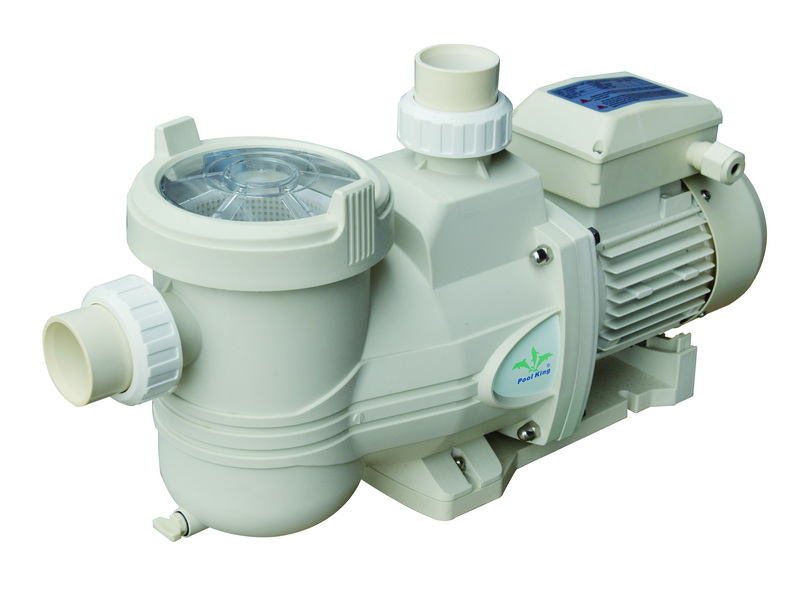
The pool pump acts as the heart of any pool's filtration system. It suctions water from the pool, pushes it through the filter, and returns clean water back to circulation. The pressure gauge mounted on your pump or filter system measures the force of water flowing through it, usually in pounds per square inch (PSI). This gauge provides a simple but crucial insight into how the system is performing.
- Normal pressure range: Most pool systems work best between 10 and 25 PSI, though this can vary based on pump model and pool size. For exact specifications, consult your pump's user manual.
- Pressure too high: Usually indicates a restriction after the pump, such as a dirty or clogged filter.
- Pressure too low: Suggests issues before or at the pump—commonly air leaks, low water levels, or blockages.
Pump pressure directly affects pool water circulation rate. A stable, ideal pressure ensures water is efficiently pulled from the pool, cleaned, and returned. Low pressure means less water flow, reducing filtration efficiency. This can lead to cloudy water, algae growth, increased chemical costs, and strain on the pump's motor.
Recognizing the symptoms of low pressure early can prevent longer-term damage or higher repair costs.
- Decreased Water Flow: Water jets or return lines deliver a noticeably weaker stream.
- Slow or Stalling Pool Cleaner: Automatic cleaners rely on water flow; sluggish movement often signals pressure problems.
- Reduced Water Features: Fountains, waterfalls, and spas will spurt or stop, indicating insufficient pressure.
- Visible Air Bubbles: Air bubbles at return jets or in the pump basket suggest air infiltration.
- Pressure Gauge Reading: Your system's pressure gauge reads significantly less than its normal operating pressure — often 5 or more PSI lower.
- Pumps Overheating: With inadequate water pressure, the pump may run hotter and noisier than usual.
These signs help you identify early issues before complete pump failure or water quality problems arise.
Many factors contribute to low pressure, often combining or overlapping. Below is a detailed list of common causes:
If your pool water drops below the skimmer's midpoint, the skimmer may begin drawing in air along with water, drastically reducing pump suction and pressure. This often happens during hot, dry weather or when backwashing filter media drains water out.
Skimmer and pump baskets capture leaves, twigs, and debris. When packed, water passage is restricted, choking pump suction and lowering pressure on the gauge.
If debris bypasses baskets and reaches the impeller, it can jam or slow it down significantly. This restricts water flow and reduces output pressure.
Large or small cracks in pump lids, worn or misplaced O-rings, loose unions, and damaged pipes can let air into the suction side, breaking the pump's prime and causing pressure to drop.
Obstructions or collapsed pipe sections between the pool skimmer and pump reduce water flow dramatically, causing pressure loss. Debris or objects inside pipes from kids playing, fallen leaves, or rodents are common culprits.
While dirty filters often cause high pressure, improperly maintained or damaged filter cartridges, sand, or DE grids can also disrupt flow, creating pressure fluctuations and sometimes causing abnormally low pressure readings.
A faulty or stuck pressure gauge can show a false low reading, inciting unnecessary alarm.
Leaks at couplings, cracked pump housings, or failing motor components reduce the pump's effectiveness by releasing pressure or causing mechanical drag.
Upgrading pool features or enlarging pool volume without upgrading the pump means the existing pump struggles to maintain pressure and flow.

Here is a practical roadmap to identify and fix low pool pump pressure issues.
- Check water level relative to the skimmer. If below midpoint, add water slowly to bring it back to the proper height.
- Avoid excessive addition that risks overflowing the pool.
- Turn off the pool pump and wait for the motor to stop.
- Open skimmer lid and pump basket lid.
- Remove baskets and rinse thoroughly; remove all debris.
- Replace baskets, ensuring they sit securely.
- Unplug the pump.
- Remove the pump basket housing.
- Inspect impeller for leaves, hair, string, or other debris wrapped around the blades.
- Use a hooked tool to remove obstructions carefully.
- Reassemble the pump.
- Start the pump.
- Spray a mixture of water and dish soap around all potential air-intake points: pump lid O-ring, pipe unions, gauge fittings.
- Look closely for bubbles indicating air being sucked in.
- Tighten fittings or replace worn O-rings as necessary.
- Apply silicone-based lubricant to O-rings to improve the seal.
- With the pump off, remove the skimmer basket.
- Use a hose bladder or a plumber's snake to push debris from the intake line back to the skimmer.
- Reassemble and test pump pressure.
- Backwash sand or DE filters if pressure is elevated or filtration is poor.
- For cartridge filters, remove and hose off cartridges; replace if worn or damaged.
- Check filter bypass valves are properly closed.
- Visually inspect the pressure gauge needle. It should move smoothly.
- Swap with a new or known good gauge if readings seem inconsistent with the system's performance.
- Visually inspect pump housing for cracks.
- Listen for unusual noises.
- Tighten all pump unions and motor bolts.
- If trouble persists, consider consulting a certified pool technician.
- If all troubleshooting fails and the pump struggles to maintain pressure with properly maintained system, upgrade to a higher-capacity pump that matches your new system demands.
Ongoing maintenance reduces the chances of facing low pressure surprises.
- Maintain Water Level: Check and refill pool water weekly, especially during hot or windy weather.
- Clean Baskets Regularly: Empty skimmer and pump baskets at least once per week, or more often with heavy debris.
- Inspect Seals and O-Rings: Monthly lubrication and checks prevent air leaks.
- Keep Filters Maintained: Follow manufacturer schedules for backwashing and cartridge replacement.
- Monitor Pressure Gauge: Record readings weekly to recognize trends or abrupt changes.
- Upgrade When Needed: Align pump size with pool demands, particularly if adding new water features.
- Protect From Debris: Use pool covers or leaf traps to reduce organic matter ingress.
Maintaining optimal pool pump pressure ensures efficient filtration, sparkling clean water, and a healthy swimming environment. By understanding both the symptoms and causes of low pressure, you're equipped to diagnose and resolve issues promptly—whether it's a quick water top-up, thorough cleaning, sealing air leaks, or replacement of worn parts.
Regular upkeep, detailed troubleshooting, and guidance from visual aids and videos transform previously intimidating maintenance into manageable tasks. If problems persist beyond your skill level, professional assistance can safeguard your pool's longevity and performance.
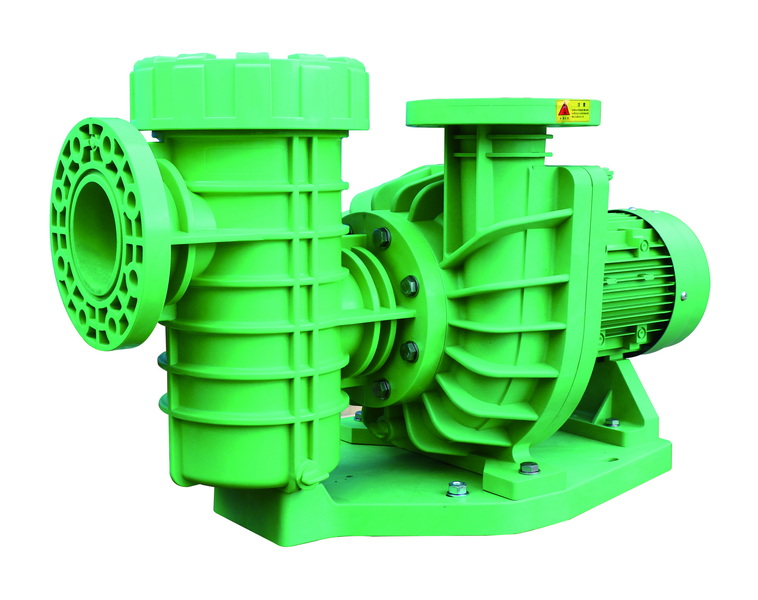
Your pool pump's normal pressure varies by system but generally falls between 10 and 25 PSI. Check your pump or filter manufacturer's manual to determine exact recommended operating pressures.
Running the pump with low pressure is not advisable. Without sufficient pressure, water flow is inadequate, reducing filtration efficacy and potentially causing pump overheating and damage.
Low pressure readings typically indicate suction-side issues (before the pump), such as air leaks or blockages. Conversely, high pressure readings suggest pressure-side issues (after the pump), often linked to a dirty or clogged filter.
Ideally, clean pump and skimmer baskets weekly during heavy use or shedding seasons. Filters require maintenance every few weeks or as indicated by rising pressure readings above your usual baseline.
If none of the maintenance or troubleshooting steps restore pressure, the pump may be failing or undersized. Consult a pool professional to evaluate if replacement or upgrade is necessary.


