
Views: 222 Author: Tina Publish Time: 2025-12-10 Origin: Site


Content Menu
● How a Pool Pump Circuit Works
● Main Reasons Your Pump Breaker Trips
● Overloaded or Undersized Circuit
● Wrong Breaker Size or Wiring
● GFCI Sensitivity and Ground Faults
● Failing Motor Windings or Bearings
● Faulty Capacitor and Hard Starting
● Dirty, Clogged, or Blocked Pump
● Moisture, Rust, and Corrosion
● Voltage Problems and Power Quality
● How to Troubleshoot a Tripping Pool Pump Breaker (Step‑by‑Step)
● Safety Tips Before You Touch Anything
● When to Repair vs Replace the Pump
● How High‑Quality Pumps and Filters Help
● FAQs About Pool Pump Breakers
>> 1. Why does my pool pump breaker trip immediately when I turn it on?
>> 2. Why does my pool pump run for a while and then trip the breaker?
>> 3. Can a bad capacitor cause my pool pump breaker to trip?
>> 4. How do I know if my GFCI is tripping for safety or just nuisance tripping?
>> 5. Do I need a dedicated breaker for my pool pump?
>> 6. Is it safe to use a higher‑amp breaker so it stops tripping?
A pool pump circuit breaker that keeps tripping usually points to an electrical or mechanical problem such as an overloaded circuit, a failing motor, moisture or corrosion, or a GFCI/ breaker sizing issue. Understanding these causes and troubleshooting them step by step helps protect your equipment, your family's safety, and your pool investment.[1][2][3]
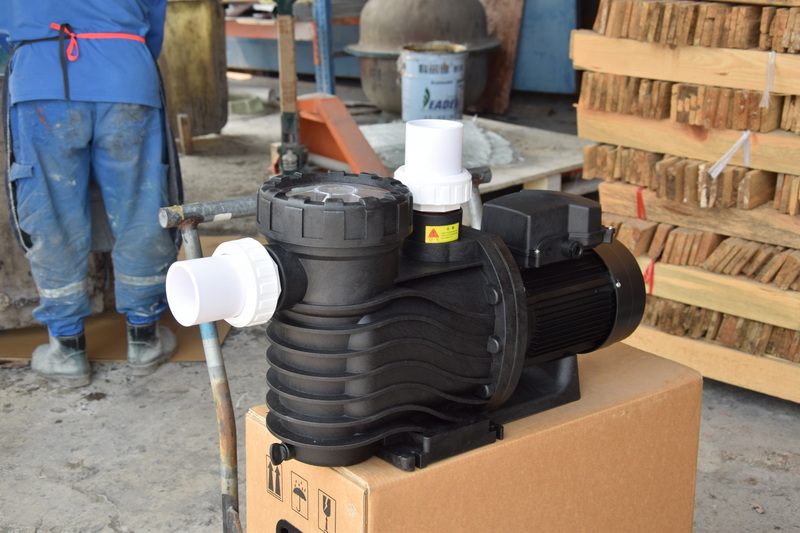
A pool pump is an electric motor that pulls water from the skimmer and main drain, pushes it through the filter (sand, cartridge, or DE), and returns clean water to the pool. This motor is fed by a dedicated electrical circuit with a breaker (usually GFCI) sized to match the pump's voltage and amperage.[2][4][3][1]
When current exceeds the breaker rating or a fault to ground is detected, the breaker trips and cuts power to prevent overheating, fire, or electric shock. Modern codes generally require GFCI protection for pool pumps, which means the breaker can trip on very small leakage currents that a standard breaker would ignore.[4][1]
Several recurring patterns explain why a pool pump trips its breaker:
- Overloaded or undersized circuit
- Short circuits or ground faults
- Failing pump motor (windings, bearings, or capacitor)
- Dirty or clogged pump overworking the motor
- Moisture, rust, or corrosion
- Incorrect voltage or wrong breaker size
Each cause has specific symptoms and fixes, and often more than one issue is present at the same time.[3][1][2]
An overloaded circuit is one of the most common reasons for a pool pump to trip the breaker. This happens when the motor draws more current than the breaker can safely carry, especially if other high‑power devices (heater, lights, blower, outlets) share the same line.[1][3]
- If the breaker trips after the pump has been running for a while, the load may be too high or close to the breaker limit, causing heat buildup and eventual trip.[3][1]
- Electrical guidelines recommend not loading a breaker above about 80% of its rating for continuous duty motors to avoid nuisance tripping.[5][6]
If a new pump or motor has been installed without checking its electrical requirements, the breaker could be undersized or wired incorrectly. For example, replacing a 1 HP motor with a higher‑HP or variable‑speed model but leaving the old breaker may cause frequent trips even when the pump seems to run normally.[2][5]
- Pump motors list their voltage and amperage; the breaker and wire gauge must be chosen to support those values with some safety margin.[6][5]
- A breaker that is too small will trip regularly; one that is too large can become unsafe because it may not trip when needed.[7][5]
Most pool pumps now must be protected by a GFCI breaker, which watches for current leaking to ground as small as a few milliamps and trips quickly to prevent electric shock. This GFCI can trip for two broad reasons:[8][4]
1. Real ground faults
- Moisture intrusion into the motor housing, wiring junction boxes, or conduit can create small leakage paths to ground, which a GFCI will detect and shut down.[4][3]
- Damaged insulation, loose connections, or corroded terminals can also allow tiny leakage currents that are safe for regular breakers but enough to trip a GFCI.[4][3]
2. Nuisance tripping
- GFCI devices can age or drift out of spec, becoming overly sensitive and tripping even when there is no dangerous fault.[9][4]
- Large motor startup currents and electrical “noise” can sometimes cause marginal GFCIs to trip.[10][9]
If the pump motor itself is failing, internal components can overheat or short, causing high current draw and repeated trips.[1][2][3]
Typical signs of a failing motor include:
- Breaker trips after the pump runs for a while and the motor feels unusually hot or has a burning smell.[11][1]
- The pump hums but does not start, then the breaker trips almost immediately, which may indicate a seized motor or bad start capacitor.[12][13]
- Bearings that are rusted or worn create friction, making the motor work harder, draw more current, and overheat.[3][1]
In many cases, if motor windings are shorting or severely overheated, replacement of the entire motor is more practical than repair.[2][1]
Induction motors in pool pumps use a capacitor to provide the extra torque needed at startup. When the capacitor goes bad, the motor may draw excessive current while trying to start, immediately tripping the breaker or GFCI.[9][12][2]
- Symptoms include a loud humming noise, the pump not getting up to speed, and instantaneous breaker trips when the pump tries to start.[13][12]
- Testing and replacing capacitors involves live electrical work and stored charge, so most homeowners should let a qualified technician handle it.[12][2]
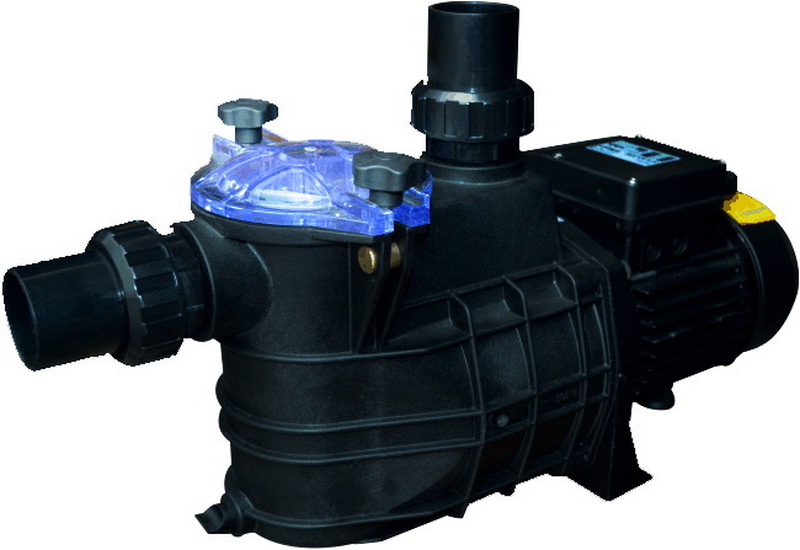
When a pump is starved for water (due to clogged skimmer baskets, blocked impeller, or dirty filter), the motor can run hotter and draw extra current, especially under high head pressure. Over time this overheating can cause breaker trips and permanent damage to the motor.[1][3]
Common scenarios include:
- A clogged impeller that prevents the motor from spinning freely; the motor may hum and trip quickly.[11][12]
- Severely dirty filter media, forcing the pump to work against excessive pressure, especially when valves are incorrectly positioned.[3][1]
Regular cleaning of baskets, backwashing sand filters, rinsing cartridge elements, and checking for obstructions keeps the pump operating within normal load limits.[1][3]
Pool equipment lives in a harsh environment: sun, rain, chlorinated water, and humidity. Moisture can enter junction boxes, conduits, or the motor, leading to corrosion, short circuits, or ground leakage that repeatedly trip breakers.[4][3][1]
- Rusted breaker terminals, corroded lugs, or evidence of water in the panel are red flags that an electrician should inspect immediately.[4][1]
- A pump that sits in puddles or below grade in a poorly drained pad area is much more likely to develop moisture‑related faults.[3][4]
Incorrect voltage or unstable power can also trip your breaker and stress the pump.[2][1][3]
Key points include:
- Many replacement motors ship preset for a particular voltage (often 230 V); if they are wired to the wrong supply (115 V vs 230 V), they can behave erratically and trip breakers.[2]
- Significant voltage drops due to undersized wire or long runs can cause the motor to draw higher current, overheat, and trip the breaker over time.[5][7]
Only trained professionals should open panels and use a multimeter on live circuits; improper testing can be dangerous.[2][4]
> Always prioritize safety. If you are not comfortable working around electricity, call a licensed electrician or qualified pool technician.
1. Observe when the breaker trips
- Immediately at startup: think capacitor, seized motor, short circuit, wrong wiring, or serious ground fault.[13][12]
- After running for a while: think overload, high temperature, clogged pump, or failing breaker.[11][1]
2. Check for obvious mechanical issues
- With power off, clean skimmer and pump baskets, inspect for debris in the impeller, and confirm valves are set correctly for normal filtration.[1][3]
- Feel the motor housing after it has run; excessive heat or a burnt smell indicates a motor problem.[11][1]
3. Inspect the environment and equipment pad
- Look for signs of water, mud, rust, or corrosion around the pump, wiring, and breaker panel.[4][1]
- Ensure the equipment area is not flooded and has basic weather protection and ventilation.[3][4]
4. Confirm dedicated circuit and approximate loading
- Determine whether other high‑draw devices are on the same breaker as the pump.[1][3]
- If multiple loads share the circuit, ask an electrician about moving the pump to a dedicated breaker rated for motor duty.[5][1]
5. Have a professional check electrical components
- A licensed electrician or pool tech can test the GFCI breaker, pump capacitor, wiring continuity, and look for ground faults or shorts.[2][4]
- If the motor windings test bad or insulation is compromised, replacement of the motor (or entire pump) may be recommended.[3][1]
Working on pool electrical systems can be dangerous because they are near water and often outdoors.[4][3]
Basic safety guidelines:
- Turn off power at the main breaker and verify it is off before touching any wiring or opening junction boxes.[2][4]
- Never bypass a GFCI or use an oversized breaker to “stop” trips; this removes critical protection and can lead to shock or fire.[8][4]
- Limit DIY work to visual checks, cleaning baskets and filters, and basic mechanical inspections; leave electrical diagnostics and rewiring to licensed professionals.[4][2]
Not every breaker‑tripping pump needs full replacement, but some signs indicate the motor is nearing the end of its life.[1][3]
Consider replacement when:
- The pump is old, noisy, leaking, and has a long history of trips or repairs.[1]
- Motor tests show failing windings, severe insulation breakdown, or multiple components (bearings, capacitor, seals) needing work at once.[2][1]
In many retrofit projects, upgrading to a modern, energy‑efficient variable‑speed pump plus correctly sized GFCI breaker and new wiring improves reliability and cuts energy costs.[3][4]
A well‑engineered pump, matched with a correctly sized sand, cartridge, or DE filter and good hydraulic design, runs cooler and more efficiently, reducing the chance of nuisance tripping. Low‑friction internals, corrosion‑resistant housings, and good motor insulation add extra safety margin against common electrical issues.[3][1]
For OEM buyers and installers, specifying pumps and filtration systems that meet regional electrical codes, include clear wiring diagrams, and are compatible with GFCI protection makes both installation and long‑term maintenance easier.[4][2]
A pool pump circuit breaker that keeps tripping is not just an annoyance; it is a warning that something in the electrical or mechanical system is not right. The most common causes include overloaded or undersized circuits, GFCI‑detected ground faults, failing motor components (windings, bearings, capacitors), moisture and corrosion, and incorrect breaker sizing or voltage. By observing when the breaker trips, checking for simple mechanical issues, keeping the pump and filter clean, and involving a licensed electrician or pool professional for electrical diagnostics, most homeowners can resolve the problem safely and protect their investment in their pool.[1][2][4][3]
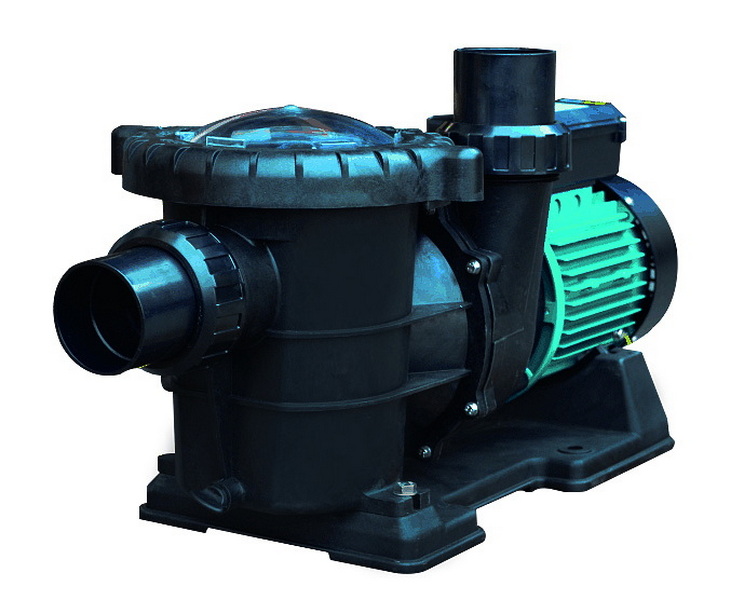
Instant tripping usually points to a hard fault such as a short circuit, severe ground fault, seized motor, or failed start capacitor that causes a surge in current the breaker cannot handle. In this situation, shut the system off and have a professional check the wiring, GFCI breaker, and motor before attempting repeated restarts.[12][13][2][4]
If the pump runs normally at first but trips after several minutes or hours, the cause is often overheating from overload, clogged flow paths, failing bearings, or a weak breaker that trips as it warms up. Cleaning baskets and filters, ensuring good ventilation, and having a technician test the motor and breaker can pinpoint whether the motor is overworking or the breaker is failing.[11][2][4][3][1]
Yes, a bad start capacitor can prevent the motor from reaching full speed, causing it to draw high current while just humming, which often trips the breaker or GFCI. Because capacitors store energy and involve live circuits, safe replacement is best handled by a qualified technician.[9][12][2]
If the GFCI trips especially during wet weather, when there is standing water, or when you see signs of corrosion, it may be reacting to genuine ground leakage and doing its job. If it trips randomly under light load and inspection shows dry, clean equipment, the device itself may be overly sensitive or deteriorating, and an electrician can test or replace it.[9][4][3]
Industry best practice and many electrical guidelines recommend a dedicated circuit and properly sized breaker for the pool pump to avoid overloads and nuisance trips caused by other equipment. Putting heaters, general outlets, or heavy lighting loads on the same breaker as the pump can push the circuit over its safe continuous rating, causing frequent trips and reducing safety margins.[8][5][3][1]
No, replacing a tripping breaker with a larger‑amp model without adjusting wiring and verifying the motor's rated load can be dangerous because it may allow excessive current without tripping. The correct solution is to identify and fix the underlying cause or resize the entire circuit (wire, breaker, and pump) according to electrical standards, not just “upsize” the breaker.[7][5][8]
[1](https://poolresearch.com/pump-tripping-breaker/)
[2](https://diy.inyopools.com/article/pool-pump-trips-breaker-gfci/)
[3](https://aquaticpros.org/common-pool-pump-electrical-issues/)
[4](https://www.hawkinsserviceco.com/blog/gfci-breakers-and-swimming-pool-equipment-what-we-know-and-our-recommendations/)
[5](https://www.rpswaterpumps.com/blogs/water-pump-faqs/what-size-breaker-do-i-need-for-my-pump)
[6](https://www.reddit.com/r/AskElectricians/comments/1533020/what_size_circuit_breaker_and_wires_do_i_need_for/)
[7](https://www.youtube.com/watch?v=DZg0_Kxbd6M)
[8](https://forums.mikeholt.com/threads/breaker-requirements-for-swimming-pool-equipment.2567901/)
[9](https://www.reddit.com/r/DIY/comments/13pqq4d/gfci_keeps_tripping/)
[10](https://forums.mikeholt.com/threads/ground-fault-tripping-on-house-related-to-pool-pump-turn-on-how-to-fix.141216/)
[11](https://www.youtube.com/watch?v=UTeDtNkRnhQ)
[12](https://www.youtube.com/watch?v=mmJtmnuPWTQ)
[13](https://www.reddit.com/r/pools/comments/1765zrs/pool_pump_motor_tripping_breaker_immediately/)
[14](https://www.reddit.com/r/pools/comments/15hyw8t/pool_pump_tripping_breaker_every_time_i_start_it/)
[15](https://www.youtube.com/watch?v=wq1ZFPORKcc)
[16](http://www.poolhelpforum.com/viewtopic.php?t=7959)
[17](https://www.youtube.com/watch?v=Z5N_BYbRiGo)
[18](http://forums.pelicanparts.com/off-topic-discussions/1139533-breaker-pool-pump-tripping-occasionally.html)
[19](https://archive.stmarys-ca.edu/archive-library-602/pool-pump-electrical-wiring.pdf)
[20](https://www.reddit.com/r/pools/comments/1lgybtj/pool_pump_keeps_tripping/)


