
Views: 222 Author: Tina Publish Time: 2025-12-17 Origin: Site


Content Menu
● How a Sand Pool Filter Works
● Typical Timeframe for Changing Sand
● Key Signs It's Time to Change Sand
>> 1. Persistent Cloudy or Murky Water
>> 2. High Pressure That Won't Reset
>> 3. Increasing Chemical Consumption
>> 4. Sand in the Pool or Around Returns
>> 5. Slow Circulation and Poor Flow
● When Cleaning Is Enough vs. When Sand Must Be Replaced
● Recommended Image Ideas for This Topic
● How Backwashing Frequency Affects Sand Life
● Maintenance Tips to Extend Sand Life
● Choosing the Right Replacement Sand or Media
● When to Consider Upgrading the Entire Filter
● OEM Sand Filters, Pumps, and Accessories for Brands and Wholesalers
>> 1. How often should I change pool filter sand?
>> 2. What are the main signs that pool filter sand needs to be replaced?
>> 3. Can I just keep backwashing instead of changing the sand?
>> 4. Does the type of filter media affect how often it must be changed?
>> 5. Is it better to upgrade the whole filter instead of just changing sand?
Knowing when to change pool filter sand is critical for keeping water crystal clear, protecting the pump and filter, and avoiding unnecessary chemical and energy costs. Most residential pools need new sand every 3–5 years, while heavily used or commercial pools may need media changes as often as every 1–2 years depending on bather load and maintenance.[1][2][3]
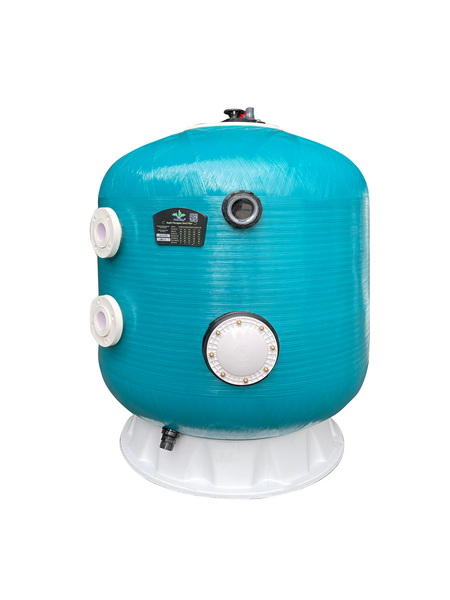
Inside a sand filter, pool water is pushed through a bed of specially graded silica sand (typically 16/20 grade) that traps dirt, oils, algae, and organic debris down to around 20–30 microns. As the sand captures more contaminants, the bed becomes clogged, pressure rises, and flow decreases until backwashing or a full sand change restores performance.[2][4]
To clean the sand, the filter is backwashed: water flows in reverse, lifting the sand bed and flushing dirt out to waste until the backwash water runs clear. Over years of operation, the sharp edges of the grains round off, the media compacts, and “channels” form that allow water to bypass the sand, which is when a complete sand replacement becomes necessary.[5][6][7][2]
For most residential pools with normal use and good maintenance, experts commonly recommend changing sand approximately every 3–5 years. Some service professionals and owners extend this to 5–7 years when bather load is low and water chemistry is well controlled, because the sand wears more slowly in those conditions.[8][9][1][2]
In contrast, commercial or heavily used pools often need sand changes about every 1–2 years due to higher bather load, more sunscreen and body oils, and longer daily run times. If the pool sees extreme use or frequent contamination events, sand may need to be replaced even sooner based on performance symptoms rather than the calendar.[10][3][11][5]
Time-based guidelines are helpful, but real-world warning signs are more reliable indicators that the sand has reached the end of its useful life. If any of the issues below appear and do not improve after proper backwashing and water balancing, it is likely time to replace the sand.[12][1][5][8]
One of the most common signs is water that stays hazy or cloudy even though sanitizer, pH, alkalinity, and other chemical levels are in range. Old or worn sand loses its ability to trap fine particles, so contaminants keep circulating and the pool never achieves the usual sparkling clarity.[4][11][8][12]
A properly sized sand filter has a normal “clean” pressure, and the gauge usually rises about 8–10 psi above that when the filter needs backwashing. If pressure remains high shortly after a thorough backwash or climbs back up very quickly, the sand bed may be compacted, clogged, or channeling, indicating the media should be changed.[13][11][4][8]
If more chlorine, shock, or algaecide is needed to maintain the same water quality, poor filtration is often part of the problem. When sand no longer captures fine debris and organics efficiently, sanitizer is consumed faster, and the pool becomes more prone to algae and recurring cloudiness.[11][1][8][12]
Noticing sand accumulating on the floor of the pool or blowing out of the return jets is another red flag. This can indicate damaged internal laterals or standpipe, but heavily worn sand that has become too fine can also pass through the laterals and escape into the pool, often prompting a full media change and internal inspection.[7][1][5]
If the pump and plumbing are functioning properly but the water flow feels weak at the returns, the sand bed may be severely clogged or compacted. When backwashing no longer restores normal circulation, the filter media is likely at the end of its life.[5][4][8][12]
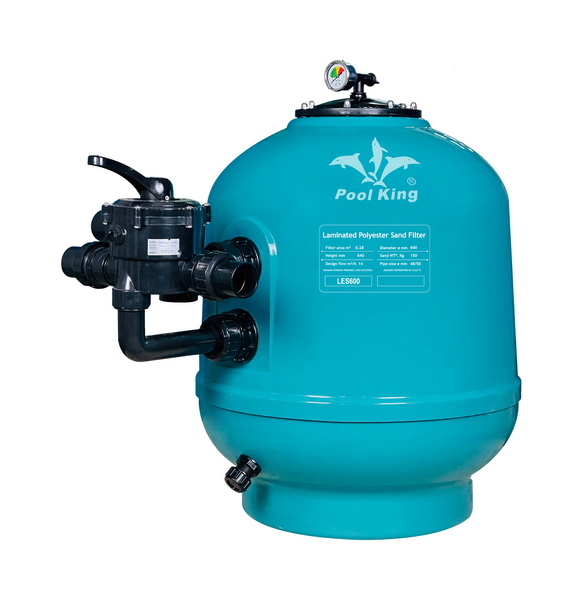
Backwashing and rinsing restore performance by removing trapped debris, but they do not renew the original surface texture of the sand itself. Regular backwashing when pressure rises 8–10 psi above clean pressure, plus occasional use of sand-cleaning solutions, can extend media life and delay the need for replacement.[6][2][7]
However, once the sand grains are rounded and channeling has developed, no amount of backwashing or chemical cleaning will fully recover filtration efficiency. At that point, changing the sand is the only effective way to restore the filter's original performance and water clarity.[9][2][8][5]
To create a rich, engaging article layout, consider including multiple types of images throughout the content. Below are visual ideas that can be shot in your factory, at a test pool, or sourced as high‑quality illustrations.[5][4]
- Factory shot of fully assembled sand filters, with labels for key components.
- Cutaway diagram of a sand filter showing water flow, sand bed depth, and laterals.
- Before‑and‑after photo set of a cloudy pool vs. a clear pool after sand replacement.
- Close‑up of new filter sand versus old, rounded, dirty sand in separate containers.
- Photo sequence of pressure gauge readings: clean, dirty (high), and restored after sand change.
- Technician checking the sand filter during backwash, with arrows indicating flow direction.
- Image of different pool filter products together: sand filter, pump, LED pool light, and accessories from your OEM range.
Backwashing is necessary whenever pressure rises significantly above the clean baseline, but backwashing too often or for too long can actually reduce filter efficiency. Many pool guides suggest backwashing about once every one to two weeks during the swimming season, or whenever the pressure gauge climbs roughly 8–10 psi above its normal reading.[6][8][15]
Because sand filters operate most efficiently in the middle of the filtration cycle, constantly running long backwashes may waste water without improving clarity. A balanced routine of timely but not excessive backwashing helps maintain performance while avoiding premature wear or unnecessary disturbance of the sand bed.[6][4][15]
Several best practices help extend the service life of pool filter sand and keep the system running efficiently. By combining good filtration habits with quality equipment, owners can minimize downtime and operating costs.[2][4]
- Maintain balanced water chemistry (pH, alkalinity, calcium, and sanitizer) to reduce scale and organic buildup in the sand.[8][4]
- Avoid over‑using flocculants or clarifiers that can gum up the sand bed and shorten its life.[12][4]
- Use recommended filter sand only and follow the manufacturer's specified fill level to avoid channeling and internal stress.[2][5]
- Check and clean pump baskets and skimmer baskets regularly so large debris does not overload the sand filter.[4][8]
- Inspect the pressure gauge, air relief, and multiport valve for proper operation at least once per season.[11][5]
When replacement time arrives, using the correct media is crucial to performance and warranty. Standard pool filter sand is a tightly controlled silica product with a specific particle size range; using play sand or construction sand can lead to poor filtration and internal damage.[5][2]
Some pools now use alternative media such as glass or engineered polymeric materials, which can last longer and filter finer particles than traditional sand. These premium options may have different replacement intervals—often beyond 5–7 years—so following the media manufacturer's recommendations and monitoring performance signs is essential.[9][8]
If the filter tank is very old, corroded, or cracked, it may be more cost‑effective to upgrade the entire unit rather than just changing sand. Persistent problems such as leaking multiport valves, damaged laterals, or repeated internal failures often indicate that a new filter will perform better and cost less over the long term than repeated repairs.[14][12][5]
Pool owners who struggle with stubborn algae or very fine debris may also choose to upgrade from a sand filter to a high‑performance cartridge or DE system. In these cases, switching filter type can dramatically improve clarity and reduce manual cleaning, especially when paired with a properly sized pump and modern automation controls.[16][12][4]
Professional buyers, importers, and private‑label pool brands typically look for sand filters that are easy to service, with robust internals and clear replacement guidelines. Filters engineered with generous sand capacity, high‑quality laterals, and accurate pressure gauges make it easier for end users to know when to backwash and when to change sand.[11][4][5]
A Chinese factory specializing in premium sand filters, DE filters, cartridge filters, water pumps, LED pool lights, and accessories can design OEM solutions tailored to each market's requirements, from residential pools to commercial facilities. Smart production lines, pressure testing, and leak testing ensure consistent quality, while customized housings, logos, packaging, and manuals help foreign brands and wholesalers enter new markets efficiently.
Changing pool filter sand is not an every‑season task, but it is essential every few years to keep water clean, clear, and healthy. Most residential pools should plan for a sand change about every 3–5 years and monitor real‑world warning signs such as persistent cloudiness, high pressure after backwashing, slow circulation, and increasing chemical use to decide the exact timing.[1][8][2]
Proper backwashing, balanced water chemistry, and the correct filter media can extend sand life and reduce operating costs, while timely sand changes restore filtration performance and protect pumps and plumbing. For brands, wholesalers, and professional pool builders, partnering with an OEM manufacturer of sand filters, pumps, and LED pool lights ensures that end users receive robust, easy‑to‑maintain systems with clear guidance on when to change the media.[4][2]
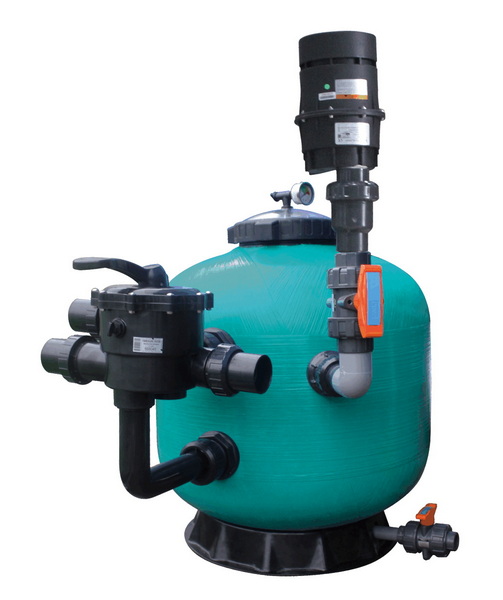
Most residential pools should change sand every 3–5 years, while heavily used or commercial pools often need changes every 1–2 years. The exact interval depends on bather load, run time, water quality, and whether signs like cloudiness or high pressure appear earlier.[3][1][8]
Key signs include persistent cloudy or green water, high pressure that stays elevated after backwashing, weak water flow, frequent backwashing needs, and sand appearing in the pool. If chemistry is balanced but clarity remains poor, worn sand is often the cause.[8][12][11][5]
Backwashing removes trapped debris and restores flow but does not repair worn or rounded sand grains. When sand has lost its sharp edges or developed channels, only a full media change will restore original filtration efficiency.[7][2][5]
Yes, standard silica filter sand typically needs replacement about every 3–5 years, while some glass or advanced media products can last longer if maintained properly. Always follow the media manufacturer's guidelines and monitor real‑world performance symptoms.[9][8][2]
If the filter tank, valve, or laterals are in poor condition, upgrading the entire filter can be more economical than repeated repairs and sand changes. Owners seeking finer filtration may also choose to switch to cartridge or DE systems for better water clarity and lower manual cleaning.[16][14][4][5]
[1](https://www.groupebellemare.com/en/blog/change-pool-filtration-sand/)
[2](https://hollandiagardens.com/how-often-should-you-change-the-sand-in-your-sand-filter/)
[3](https://www.reddit.com/r/swimmingpools/comments/o83dv5/when_do_i_change_sand_in_filter/)
[4](https://poolie.com/blog/maintenance/pool-sand-filter/)
[5](https://castawaypoolservice.com/pool-sand-filter/)
[6](https://mrpoolman.com.au/blogs/news/how-to-backwash-a-pool-sand-filter)
[7](https://boutique.piscinehippocampe.ca/en/blogs/guide-piscine/changer-sable-filtreur-piscine-guide)
[8](https://platinumpoolservice.com/blog/how-often-should-i-backwash-my-pool-filter/)
[9](https://blog.orendatech.com/refurbishing-sand-filter-vs-sand-change)
[10](https://www.reddit.com/r/swimmingpools/comments/jkzlhj/how_often_to_change_filter_sand/)
[11](https://waterworx-pools.com/signs-its-time-to-change-the-sand-in-your-pool-filter/)
[12](https://poolpurefilter.com/blog/if-my-pool-filter-needs-changing/)
[13](https://poolsoffun.com/4-signs-its-time-to-change-your-filter-sand/)
[14](https://www.youtube.com/watch?v=MnMP2Awhwgo)
[15](https://www.youtube.com/watch?v=r8soaqt1Pn0)
[16](https://www.reddit.com/r/pools/comments/1equkna/how_long_do_you_run_backwash_on_your_sand_filter/)
[17](https://www.poolsoffun.com/4-signs-its-time-to-change-your-filter-sand/)
[18](https://splashfiberglasspoolcompany.com/a-guide-to-know-how-often-to-change-sand-in-pool-filter/)
[19](https://www.reddit.com/r/pools/comments/ty71dn/how_often_backwash_sand_filter/)
[20](https://www.vevor.com/diy-ideas/how-often-do-you-change-sand-in-the-pool-filter-h_11090/)


