
Views: 222 Author: Tina Publish Time: 2025-10-15 Origin: Site


Content Menu
● Understanding Pool Pump Pressure
● Typical Pressure Range for Pool Pumps
● How to Read Your Pool Filter Pressure Gauge
● What Happens When Pressure Is Too High?
● Common Causes of High Pressure
● The Role of Pool Filters in Pressure
● Optimizing Pump Pressure for Circulation
● Tips for Maintaining Ideal Pressure
● Pool Pump Pressure and Energy Efficiency
● Troubleshooting Low Pressure
>> Step-by-Step Solutions to Increase Pool Pump Pressure
>> 1. What is the normal pressure range for a pool pump?
>> 2. What should I do if my pool pump pressure is too high?
>> 3. How often should I check my pool pump pressure?
>> 4. Can I run a pool pump if the pressure gauge reads above 30 PSI?
>> 5. How do different pool filters affect pump pressure?
Maintaining the correct pressure on your pool pump is crucial for the efficient operation of your pool's filtration system. Proper pressure ensures clean water circulation, protects your equipment, and optimizes energy use. This article will explore ideal pressure ranges for different types of pool pumps and filters, signs of abnormal pressure, and tips to maintain optimum pressure.
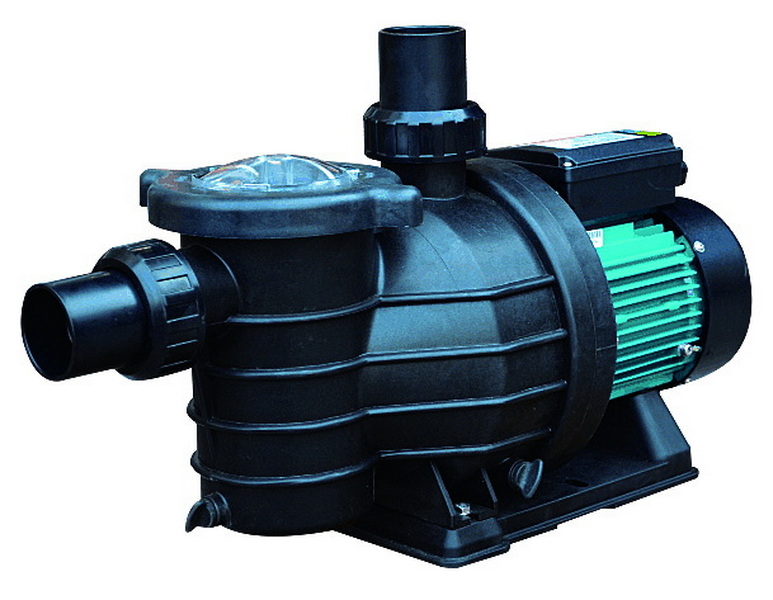
Pressure in a pool pump system is measured in pounds per square inch (PSI) and reflects the resistance against water flow through the system. A pressure gauge attached to your pool filter provides real-time feedback on this pressure. The gauge is typically located on the top or side of the filter tank and should be checked regularly to ensure the system is functioning properly.[10]
When the filter is clean and the system is operating normally, the pressure reading should be at its lowest stable point. This baseline reading is essential for future comparisons. For example, if your sand filter reads 15 PSI when clean, any significant increase—such as reaching 20–25 PSI—indicates it's time to backwash the filter.[3]
Generally, a healthy pool pump pressure ranges from 10 to 25 PSI, but this can vary depending on pump size, filter type, plumbing, and pool setup. A common rule is that lower pressure indicates less resistance and better flow, which is desirable. For instance, cartridge filters often operate at slightly higher pressures than sand filters due to their finer filtration media.[3]
- When you first install a filter and the media is clean, take note of the pressure reading; this is your baseline.
- After cleaning or replacing filter media, take a second reading to establish a pressure range.
- Monitor this gauge weekly to detect changes that may indicate filter clogging or pump issues.[4]
If the pressure gauge remains at zero when the pump is running, the gauge itself may be faulty or the air bleeder assembly could be clogged. Similarly, if the needle doesn't return to zero when the pump is off, the gauge may need replacement.[4]
Pressure readings exceeding 30 PSI are a warning sign. Excessive pressure typically means restricted water flow due to a clogged filter, blocked pipes, or malfunctioning equipment. Running your pump above this pressure can cause damage and inefficient filtration.[4]
If the pressure spikes too high, it can cause a filter to rupture, leading to water leaks and potential safety hazards. Therefore, if you notice a sudden spike in pressure, turn off the pump immediately and inspect the system.[4]
- Dirty or clogged filter media
- Obstructed return lines or skimmer baskets
- Closed valves on return lines
- Air trapped in the pump or plumbing
For sand filters, failure to backwash regularly is the most common cause of high pressure. For cartridge filters, dirt buildup on the pleats restricts flow. DE (diatomaceous earth) filters can also experience high pressure if the grids are clogged or the DE powder is not properly distributed.[3]
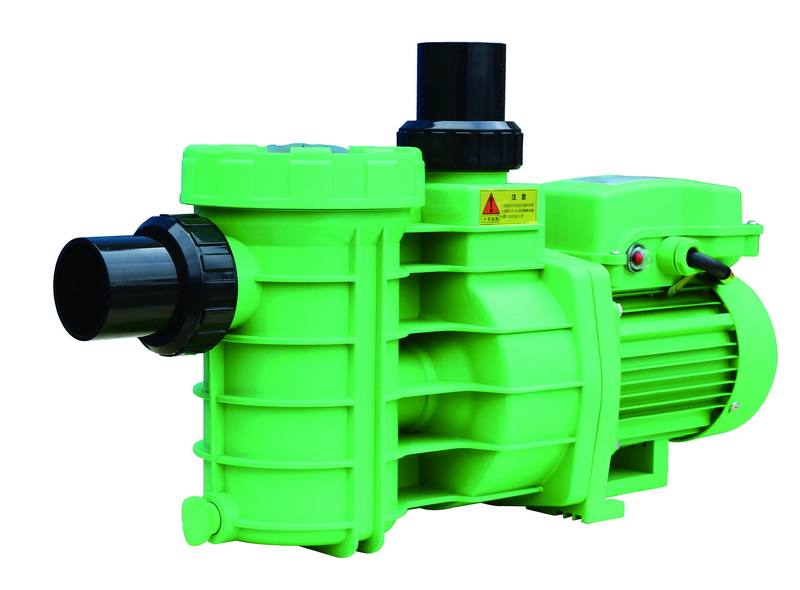
- Backwash or replace the filter media
- Clean skimmer and pump baskets
- Open any closed valves fully
- Ensure air is purged from the system
To backwash a sand filter, set the multiport valve to the "Backwash" position, run the pump for 2–3 minutes until the sight glass shows clear water, then switch to "Rinse" for 30 seconds before returning to "Filter" mode.[6]
Different filter types (sand, diatomaceous earth, cartridge) have varying normal pressure ranges. For example, sand filters often operate around 10–20 PSI when clean, while cartridge filters may run between 15–25 PSI. DE filters typically operate at lower pressures, around 10–15 PSI, due to their high-efficiency filtration.[3]
Each filter type has its own maintenance schedule. Sand filters should be backwashed every 4–6 weeks, while cartridge filters should be cleaned every 3–6 months. DE filters require regular backwashing and periodic grid cleaning.[6]
Proper pressure ensures full water turnover in your pool at least once every 8 hours, vital to prevent dead spots where debris collects and algae can grow. The pump must move enough water to circulate through the entire volume of the pool within this timeframe.
To calculate turnover rate, divide your pool's volume (in gallons) by the pump's flow rate (in gallons per minute, GPM). For example, a 20,000-gallon pool with a 50 GPM pump will turnover in about 6.7 hours.[6]
- Schedule regular filter cleaning
- Perform weekly pressure checks
- Maintain proper water levels
- Use quality pump and filter equipment from reputable manufacturers
Keeping the water level at the midpoint of the skimmer opening ensures optimal suction and prevents air from entering the system.[2]
Lowering resistance can reduce pump energy consumption, saving costs and extending equipment life. Variable-speed pumps are particularly effective, as they allow you to adjust flow rates based on demand, reducing pressure and energy use during off-peak hours.[6]
If your pool filter pressure gauge reads 5 PSI or lower than normal, it means water isn't reaching the filter quickly enough. The most common cause is a blockage before the filter, such as in the skimmer, pump basket, or impeller.[2]
1. Clean the Skimmer and Pump Baskets
Turn off the pump, remove the skimmer basket, and empty debris. Open the pump lid, remove the pump basket, and rinse thoroughly. Check the O-ring for damage and lubricate it before reassembly.[6]
2. Service or Replace the Pool Filter
Backwash sand filters, clean cartridge filters with a hose or soaking solution, and recharge DE filters with fresh powder.[6]
3. Check for Air Leaks in the Suction System
Inspect the pump lid, drain plugs, and plumbing connections. Use soapy water to detect leaks—bubbles will form where air is being sucked in.[6]
4. Clear Blockages in Suction Lines
Check for kinks or collapses in hoses. For underground lines, professional hydro-jetting may be required.[6]
5. Inspect and Clear the Impeller
Turn off power, remove the pump basket, and use pliers to remove debris from the impeller. Spin it by hand to ensure it moves freely.[6]
6. Verify Pump Sizing
If all else fails, your pump may be undersized. Consult manufacturer specs to ensure compatibility with your pool volume and plumbing.[6]
Maintaining the correct pressure on your pool pump is essential to keep your pool water clean and equipment running efficiently. Regularly check and record your filter pressure gauge readings, clean filters promptly, and address high-pressure warnings immediately to avoid costly repairs. Using high-quality pumps and filters and following a maintenance routine ensures optimal pool health and enjoyment.
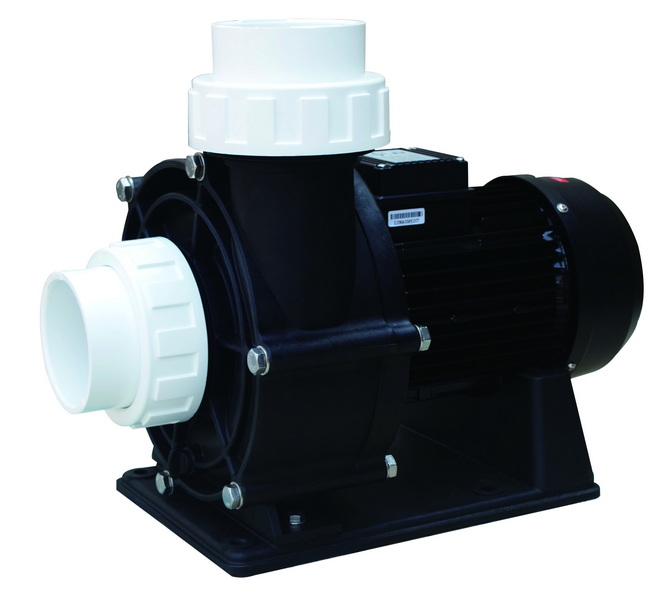
Normal operating pressure typically ranges from 10 to 25 PSI, depending on your system.[3]
Check and clean your filter, open any closed valves, and purge air from the system.[4]
Weekly checks are recommended to catch issues early.[4]
No, running above 30 PSI can damage equipment. Turn off and troubleshoot immediately.[4]
Different types have unique pressure ranges; sand filters generally run lower pressure than cartridge or DE filters.[3]
[1](https://mrpoolman.com.au/blogs/news/diagnosing-and-fixing-pool-filter-pressure-problems)
[2](https://www.youtube.com/watch?v=KS8QpFBdc4Q)
[3](https://lesliespool.com/blog/pool-pump-troubleshooting-guide.html)
[4](https://www.thepoolbutler.net/resource/how-to-deal-with-pool-filter-pressure-problems/)
[5](https://dolphinpacific.co.nz/pool-pump-troubleshooting/)
[6](https://907heatingplumbing.com/how-to-increase-pool-pump-pressure/)
[7](https://www.inyopools.com/HowToPage/how_to_correct_low_pressure_in_your_pool_system.aspx?CommentPage=1)
[8](https://www.mypoolrx.com/pool-care-blog/pool-pump-losing-pressure)
[9](https://www.artistic-development.com/wp-content/uploads/2021/01/Trouble20Shooting20Guide.pdf)
[10](https://www.swimuniversity.com/pool-filter-pressure-gauge/)


