
Views: 222 Author: Tina Publish Time: 2025-10-23 Origin: Site


Content Menu
● Understanding Pool Pump Pressure
● Why Is Correct Pool Pump Pressure Important?
● How to Measure Pool Pump Pressure
>> Steps to Take a Baseline Measurement
● Factors Influencing Pump Pressure
● Types of Pool Filters and Their Effect on Pressure
● Common Pressure Readings and What They Mean
● Troubleshooting High Pool Pump Pressure
>> Solutions:
● Troubleshooting Low Pool Pump Pressure
● Maintaining Your Pool Pump Pressure
>> 1. What does it mean if my pool pump pressure is too high?
>> 2. How often should I check my pool pump pressure?
>> 3. Can low pressure damage my pool pump?
>> 4. How do I know if my pump is the right size for my pool filter?
>> 5. What type of filter causes the highest pressure?
Maintaining the correct pressure in a pool pump is essential for keeping your swimming pool clean, safe, and efficient. This comprehensive guide will help you understand what pool pump pressure should be, why it matters, how to monitor it, and how to troubleshoot common issues. We also cover the types of filters and pumps that affect pressure and provide practical tips for maintaining your equipment.
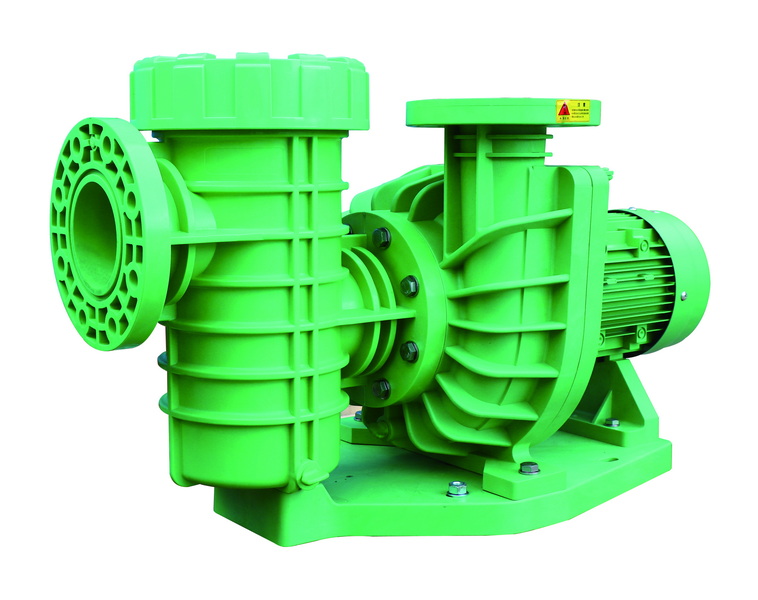
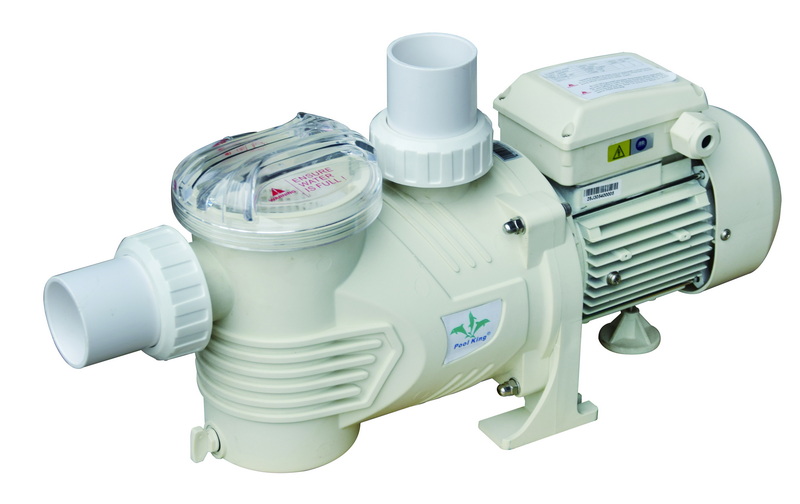
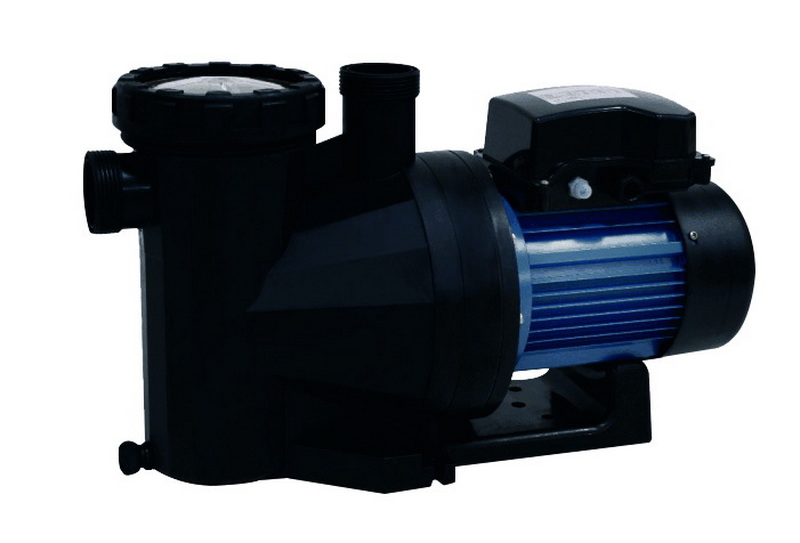
Pool pump pressure, measured in pounds per square inch (PSI), reflects how hard the pump is working to circulate water through the pool's filtration system. Ideal pressure ensures water flows properly through filters, removing dirt and debris.
Typical pressure ranges for pool pumps are generally between 10 and 20 PSI, but the exact ideal pressure depends on factors like the pump's design, filter type, pool size, plumbing, and manufacturer's recommendations.[1][3][5]
- Efficient Filtration: Proper pressure ensures the filter traps dirt without overworking.
- Energy Savings: Pumps running at the correct pressure consume less energy.
- Equipment Longevity: Correct pressure reduces wear on the pump and filter components.
- Water Quality: Maintaining the right pressure keeps water clean and safe.
Most pool pumps have a PSI pressure gauge attached near the filter. This gauge shows the current pressure in the system.
1. Clean or backwash your filter thoroughly.
2. Remove debris from the pump and skimmer baskets.
3. Turn on the pump and let it stabilize.
4. Note the pressure reading on the gauge — this is your "clean" or baseline pressure.[3][5][7]
Monitoring this baseline regularly (weekly or biweekly) helps you notice pressure changes that indicate problems.
- Filter Condition: Dirty filters increase pressure as water flow is obstructed.
- Pump Size & Power: Horsepower affects flow rate and pressure.
- Pool Plumbing: Pipe size, length, and configuration influence resistance.
- Water Chemistry & Debris: Chemicals, oils, and dirt can impact filter function.
Different filtration systems create varying pressure levels:
- Sand Filters: Use sand to trap particles; need periodic backwashing to relieve pressure buildup.
- DE (Diatomaceous Earth) Filters: Use fine powder for filtration; require powder addition and cleaning.
- Cartridge Filters: Use fabric cartridges; easier to maintain but need cartridge cleaning/replacement.
Each filter type has specific pressure ranges and maintenance protocols.[6][10]
| Pressure (PSI) | Meaning | Action Needed |
|---|---|---|
| 10–20 PSI | Normal operating pressure | Regular monitoring |
| +5–10 PSI over baseline | Filter clogged or dirty | Clean or backwash filter |
| Below baseline | Possible flow restriction or leak | Check for clogs or air leaks |
If the pressure gauge reads significantly above baseline (+5 to +10 PSI), it indicates the filter is clogged. This situation can strain the pump and reduce water circulation efficiency.
- Dirty or clogged filter media
- Closed or partially closed valves
- Blocked skimmer or pump baskets
- Internal damage to filter
- Clean or backwash filter per manufacturer's instructions
- Inspect and open valves fully
- Remove debris from baskets
- Check equipment for damage and repair as needed.[7][3]
Pressure below baseline usually indicates a flow problem, commonly caused by:
- Clogged pump or skimmer baskets
- Air leaks in suction lines
- Closed or partially closed valves
- Pump impeller obstructions
Resolving these will usually restore normal pressure levels.[7]
- Check the pressure gauge weekly
- Clean or replace filter media regularly
- Clear pump and skimmer baskets
- Inspect valves and pipes for leaks or blockages
- Match pump horsepower with filter capacity to avoid overpressure
The ideal pool pump pressure typically falls between 10 and 20 PSI, but the exact optimal range depends on your pool's specific equipment and configuration. Regularly monitoring your pump's pressure gauge is crucial for maintaining water quality, filter efficiency, and equipment longevity. Addressing pressure variations promptly by cleaning filters, checking valves, and inspecting pump parts can prevent costly repairs and ensure your pool remains a clean, inviting oasis.
When pressure is much higher than normal (usually 5-10 PSI above baseline), your filter is likely clogged, needing cleaning or backwashing.
You should check your pool pump pressure at least once a week as part of routine maintenance.
Low pressure usually signals flow restriction; while it may not directly damage the pump, it indicates problems that could cause operational inefficiencies.
Consult manufacturer guidelines for compatible pump horsepower and filter size; mismatches can lead to incorrect pressure.
Typically, Diatomaceous Earth (DE) filters operate at higher pressures due to their fine filtration media compared to sand or cartridge filters.
[1](https://nexusengineering.com.pk/learn-what-should-pool-pump-pressure-be-a-guide-to-understanding-appropriate-pool-pump-pressure/)
[2](https://www.archiexpo.cn/cat/chi-shui-liao-spa/chi-guo-lu-qi-JB-1955-_2.html)
[3](https://tameson.com/pages/pool-filter-pressure-gauge)
[4](https://www.jd.com/chanpin/460605.html)
[5](https://www.swimuniversity.com/pool-filter-pressure-gauge/)
[6](https://www.vevor.com/zh-CN/diy-ideas/how-to-choose-the-best-above-ground-pool-cartridge-filter-system-of-2023-b_10134/?srsltid=AfmBOoow82my7lddzF6HwsQa7ZOJ6ue1zWgkiXbjAx4LiHPY2ucENtxD)
[7](https://www.pelicanbaypools.com/blog/why-your-pool-may-have-low-filter-pressure)
[8](https://www.vevor.com/zh-CN/diy-ideas/complete-guide-to-swimming-pool-filter-pump/)
[9](https://www.swimmingpool.com/maintenance/pump&filter/guide-to-filter-pressure-gauges/)
[10](https://www.vevor.com/zh-CN/diy-ideas/types-of-pool-filters-b_10134/?srsltid=AfmBOoo1SarAZbypLcTq5e9yviEnB3_in4BLKgzK850Vzx2lKYEmIOPk)


