
Views: 222 Author: Tina Publish Time: 2025-12-26 Origin: Site


Content Menu
● What the Winterize Setting Actually Does
● Winterize vs Filter, Closed, and Other Settings
● How the Winterize Setting Protects Your Equipment
● When Should You Use the Winterize Setting?
● How to Use the Winterize Setting Step by Step
● What If My Valve Has No Winterize Setting?
● OEM Options: Designing Better Winter‑Ready Systems
● FAQ: Winterize Setting on Pool Filter
>> Q1: Can I run my pump with the valve on winterize?
>> Q2: Is winterize the same as closed?
>> Q3: Do all multiport valves have a winterize setting?
>> Q4: What happens if I forget to use winterize during pool closing?
>> Q5: Can I just drain the filter without using the winterize position?
>> Q6: Does the winterize setting replace blowing out lines and using plugs?
>> Q7: Are cartridge filters affected by the winterize setting?
The winterize (or winter) setting on a pool filter multiport valve is a special position used when closing the pool for cold weather, designed to prevent trapped water from cracking the valve or filter when it freezes. It is not meant for normal filtration and should only be used after the system is drained and shut down for the season.[1][2][3][4]
As a professional Chinese manufacturer of premium sand filters, DE filters, cartridge filters, pool pumps, LED lights, and accessories, using intelligent production lines, this guide explains exactly what the winterize setting does and how brands, wholesalers, and OEM partners can use it to protect pool systems in freezing climates.
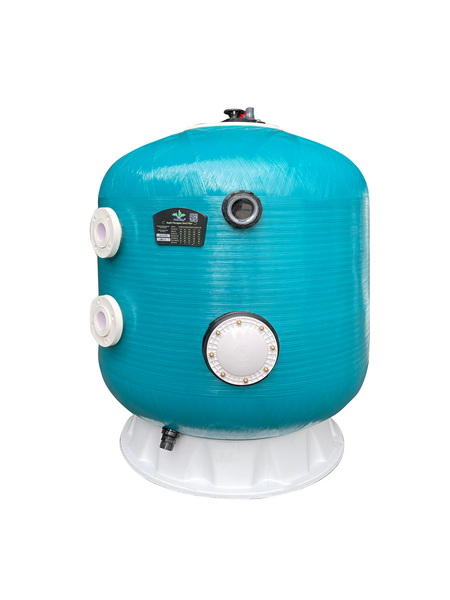
On most sand and DE filters, the winterize setting is found on the multiport valve, sometimes labeled “Winter” or “Winterize.” Unlike normal positions such as Filter, Backwash, Rinse, or Waste, winterize is not used while the pump is running and water is circulating.[3][1]
- The winterize position holds the internal diverter slightly above the ports inside the valve body, leaving extra space for any remaining water to expand if it freezes.[1][3]
- By suspending the diverter and opening internal passages, it helps avoid internal pressure points that could crack the plastic valve housing during freeze–thaw cycles.[2][1]
Understanding how winterize differs from other modes helps prevent misuse and equipment damage.[2][1]
- Filter: Normal daily operation mode, where water is pumped from the pool, through the filter media, and back to the pool for regular cleaning.[2]
- Backwash / Rinse: Used to clean sand or DE media by reversing flow and flushing dirt to waste, then resetting the bed.[3][1]
- Waste / Recirculate: Waste bypasses the filter to drain dirty water, while recirculate bypasses the media but keeps circulation within the pool loop.[1][3]
- Closed: Blocks water flow through the valve entirely, and is rarely used because running the pump with the valve on Closed can damage the pump and plumbing.[5][2]
- Winter / Winterize: A non‑locking “in‑between positions” setting that lets internal passages stay open for drainage and ice expansion, not for circulation.[3][1]
Important: In winter mode there should be no active water flow; using the winterize position with the pump running can lead to poor circulation, leaks, or internal damage.[3]
The main purpose of the winterize setting is freeze protection for the multiport valve and filter head.[1][3]
- When water freezes, it expands; if water is trapped in tight spaces inside the valve or filter head, the expansion can crack the body or break internal components.[8][9]
- By lifting the diverter and allowing water to drain away or move freely, the winterize position reduces the risk of pressure buildup from ice, protecting the valve, filter tank neck, and attached plumbing.[2][1]
Many manufacturers also recommend combining the winterize setting with complete drainage of the filtration system, including removing drain plugs and possibly storing above‑ground filters and pumps indoors.[10][8]
Use the winterize setting only when you are closing the pool for winter in areas where temperatures are expected to fall near or below freezing for extended periods.[11][9]
Typical use cases include:
- Seasonal pool closing in cold climates: Homeowners or commercial operators who shut down their pools for several months should winterize to prevent freeze damage.[4][11]
- Above‑ground pools with removable systems: Systems where the filter and pump sit outside on a pad are especially exposed to cold and benefit from proper winterization and indoor storage.[10][4]
- In‑ground pools with equipment pads: Even heavy, permanent filters and pumps can crack if water freezes inside them, so the valve should be set to winterize after draining.[9][8]
If your region rarely experiences freezing temperatures, you may not need full winterization, but partial closing and freeze‑protection features (such as freeze‑guard automation) can still be useful.[12][11]
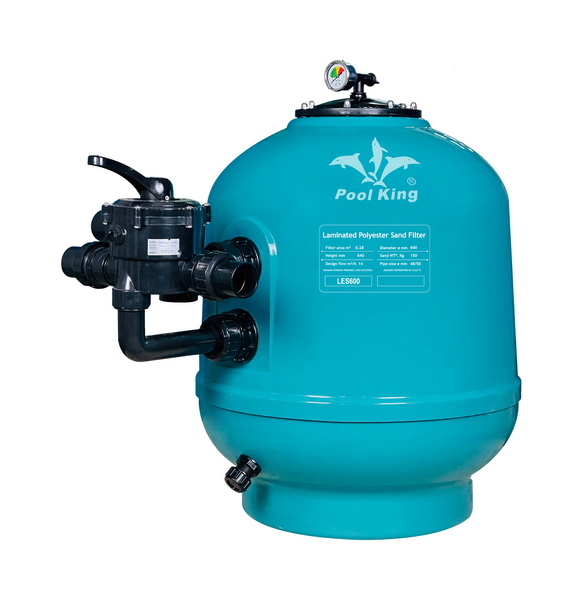
Here is a simple procedure for using the winterize setting correctly on a typical sand filter multiport valve.[4][10]
1. Shut off the pump and power
- Turn off the pump at the timer or breaker and verify there is no water flowing before touching the valve.[3]
2. Backwash and rinse the filter (for sand or DE)
- Backwash until the water runs clear, then rinse briefly to resettle the media, which removes debris before storage.[10]
3. Lower the pool water level if needed
- Most closing guides recommend lowering water to just below the skimmer level to keep water out of the skimmer lines in freezing climates.[8][9]
4. Drain the filter tank and pump
- Remove the drain plug(s) at the bottom of the filter and pump housing so all water can escape, and leave them open until fully drained.[8][10]
5. Blow out the lines (if required)
- Use an air compressor or blower to push water out of suction and return lines, then install expansion plugs to keep water out.[4][8]
6. Turn the valve handle to Winterize
- With the pump off, press down gently on the handle, rotate it so the pointer rests in the “Winter,” “Winterize,” or between two positions if no groove exists, then let it pop up slightly so the diverter is suspended.[1][2]
7. Disconnect and store hoses or unions
- Remove flexible hoses or loosen unions, let any remaining water drain, and store the pump, filter, and accessories in a dry, sheltered place if possible.[10][8]
8. Cover and secure the pool
- Install your winter cover, add winter chemicals as directed, and verify that all equipment is protected from snow, ice, and direct exposure.[11][8]
Some multiport valves do not have a clearly labeled winter or winterize notch, especially older models or certain compact designs. Fortunately, the same effect can be achieved manually.[14][2]
- If there is no winter setting, manufacturers often recommend placing the handle between any two normal positions after draining the system, so the diverter is not sealing against any specific port.[14][3]
- This “between positions” placement allows any remaining water in the valve body to drain and gives expansion room if a little water stays behind and freezes.[14][2]
In other words, winterize essentially means: pump off, system drained, and the handle resting between positions, not locked into Filter, Backwash, or Closed.[14][1]
For international brands, wholesalers, and pool equipment manufacturers, selecting or developing winter‑ready filtration systems is a strong selling point in cold‑climate markets.
- Integrated winterize labels and icons: Clear markings on the multiport valve make it easy for homeowners and service technicians to use the winter setting correctly.
- Reinforced valve bodies and cold‑resistant plastics: Materials formulated for low temperatures reduce stress cracking when exposed to freeze–thaw cycles.
- Quick‑drain filter tanks and pumps: Oversized drain ports and sloped tank bottoms help ensure complete drainage, minimizing trapped water.
- Freeze‑guard compatible pumps and controls: Pairing filters with variable‑speed pumps and smart controllers that include freeze‑protection modes gives additional security.
Our factory in China offers OEM sand filters, DE filters, cartridge filters, pumps, LED lights, and accessories that can be customized with winterize‑friendly valves, cold‑resistant materials, and private‑label branding for global partners. This enables distributors and brands to deliver complete, winter‑ready pool solutions with their own logo and packaging.
The winterize setting on a pool filter is a protective position on the multiport valve designed for off‑season storage, not for everyday filtration. By suspending the internal diverter and allowing drainage and expansion, it helps prevent freeze damage to the valve and filter head when temperatures drop below freezing.[2][1][3]
Used correctly—along with draining the filter and pump, blowing out lines, lowering the pool water level, and covering the pool—the winterize mode significantly reduces the risk of cracks, leaks, and costly repairs at spring opening. For brands, wholesalers, and OEM partners, offering winter‑ready filters, pumps, and accessories from a professional Chinese manufacturer creates strong value in cold‑climate markets and builds long‑term customer trust.[8][10]
A: No. The winterize setting is not designed for active water flow and should only be used when the system is off and drained; running the pump in this position can cause poor circulation or damage.[1][3]
A: No. The Closed position blocks flow and can trap water, while Winterize leaves the diverter lifted and ports more open to allow drainage and safe ice expansion.[5][2]
A: Some valves include a dedicated Winter or Winterize label, but others do not; for those without, manufacturers recommend placing the handle between two positions to simulate winterize.[14][2]
A: If water is trapped inside a valve or filter and freezes, the expansion can crack the valve body, damage seals, or even split the filter neck, leading to leaks and expensive replacements.[15][8]
A: Fully draining the filter and pump is essential, but using the winterize position (or between‑positions method) adds extra protection by ensuring the diverter is not clamped tight against any port where water might remain.[10][1]
A: No. The winterize setting protects the valve and head, but plumbing lines still need to be blown out and plugged, especially in cold regions, to prevent underground pipe damage.[8][4]
A: Cartridge systems may use a different style of valve or unions, but when they include a multiport, the winterize concept is similar: drain the tank, remove the cartridge, and set the valve or unions so no water is trapped.[4][2]
[1](https://intheswim.com/blog/multiport-valve-settings-demystified.html)
[2](https://hayward.com/knowledge-base/what-are-the-functions-on-the-multi-port-valve/)
[3](https://lesliespool.com/blog/how-to-use-a-multiport-valve.html)
[4](https://www.liquidluxurypools.com/how-to-close-winterize-an-in-ground-pool/)
[5](https://www.aquagem.com/news/how-to-use-multiport-valve-on-pool-filter)
[6](https://www.youtube.com/watch?v=797yuSTdpq4)
[7](https://www.youtube.com/watch?v=vVMCrOTb3QQ)
[8](https://www.pvcfittingsonline.com/blogs/resource-center/the-proper-steps-to-winterizing-your-pool-filtration-system-to-prevent-damage)
[9](https://www.lathampool.com/blog/maintain/what-to-expect-the-difference-between-closing-a-pool-and-winterizing/)
[10](https://www.thepoolfactory.com/blogs/pool-care/sand-filter-system-how-to-winterize-for-pool-closing)
[11](https://www.pentair.com/en-us/education-support/water-education-center/pool-and-spa-education/how-to-winterize-a-pool.html)
[12](https://www.youtube.com/watch?v=jfQ3fyB2drk)
[13](https://www.youtube.com/watch?v=OeOUKFF5_d4)
[14](https://www.inyopools.com/HowToPage/how_a_multiport_valve_operates.aspx?CommentPage=1)
[15](https://www.reddit.com/r/pools/comments/19ensn5/reddit_settle_this_debate/)
[16](https://www.youtube.com/shorts/e4SUp_hWYPU)
[17](https://www.reddit.com/r/swimmingpools/comments/261tz0/opening_my_pool_this_year_i_accidentally_left/)
[18](https://www.facebook.com/groups/637529959937311/posts/2335249910165299/)
[19](https://www.facebook.com/groups/637529959937311/posts/2088703811486578/)
[20](https://www.facebook.com/groups/1407260559603442/posts/4060025057660299/)


