
Views: 222 Author: Tina Publish Time: 2026-01-18 Origin: Site


Content Menu
● What A Pool Pump Actually Does
● Main Types Of Swimming Pool Pumps
● How To Size The Best Pump For Your Pool
>> 1. Calculate your pool volume
>> 2. Determine target turnover and flow rate
>> 3. Match horsepower (HP) and hydraulic conditions
● Key Features Of The Best Pool Pump
● Popular Pump Options And Typical Use Cases
● Matching Pump, Filter, And Pool Accessories
>> Heaters, spas, and water features
● Why Variable‑Speed Pumps Are Often “Best”
● Installation Best Practices For A New Pool Pump
● Essential Pool Pump Maintenance Tips
● Common Pool Pump Problems And Basic Troubleshooting
● How To Choose The Best Swimming Pool Pump – Quick Checklist
>> 1. How many hours per day should a pool pump run?
>> 2. Is a bigger horsepower pump always better?
>> 3. Are variable‑speed pumps worth the higher initial cost?
>> 4. Can one pump handle both the pool and spa or water features?
>> 5. What are the most important pump maintenance tasks?
The best swimming pool pump is not a single universal model, but the pump that is correctly sized for your pool, highly energy‑efficient, quiet, and compatible with your filtration and plumbing system. When those factors are matched properly, the pump will keep your water crystal clear, reduce chemical use, and cut operating costs season after season.
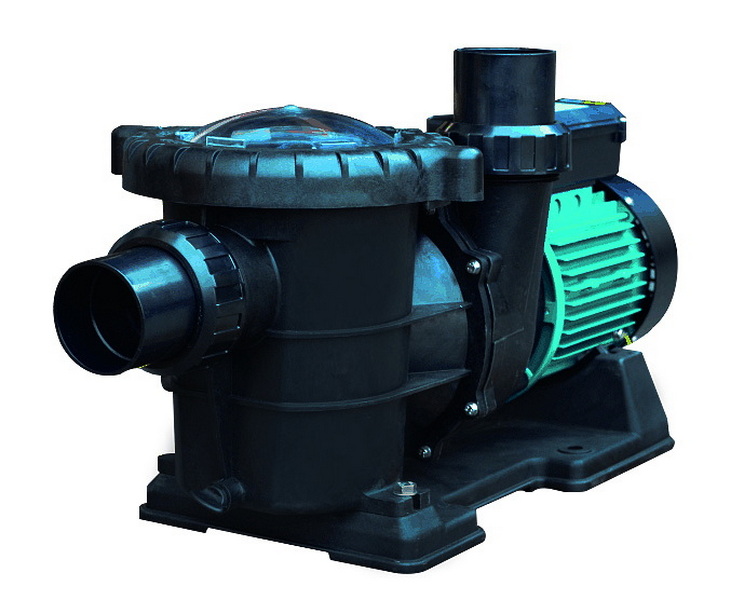
A swimming pool pump is the heart of the circulation system. It pulls water from skimmers and main drains, pushes it through the filter, and returns clean, treated water to the pool. This continuous movement removes debris, evenly distributes sanitizers like chlorine, and helps prevent algae growth.
Inside the pump housing, an electric motor spins an impeller that creates suction at the inlet and pressure at the outlet. As long as the pump is primed and the water level is correct, the system maintains steady flow through the filter, heater, salt chlorinator, and any additional equipment such as solar panels or water features.
Choosing the best swimming pool pump starts with understanding the three main types: single‑speed, dual‑speed, and variable‑speed. Each has a different balance of purchase price, energy efficiency, and flexibility.
- Single‑speed pumps
- Run at one fixed high speed whenever they are on.
- Usually have the lowest upfront cost but the highest electricity consumption and are being phased out or restricted in many regions.
- Dual‑speed pumps
- Offer a low speed for everyday filtration and a high speed for tasks like vacuuming or backwashing.
- Provide moderate energy savings compared with single‑speed pumps at a mid‑range purchase price.
- Variable‑speed (VS) pumps
- Use advanced motors that can run at many different speeds (RPMs), programmed for specific tasks.
- Typically deliver the best combination of energy savings, quiet operation, and control, which is why they are now considered the top choice for most residential pools.
Even the most advanced pump will underperform if it is incorrectly sized. A pump that is too small cannot keep water clean, while an oversized pump wastes energy and may stress your filter and plumbing.
To size a pump, start by estimating your pool's total volume of water:
- Rectangular pools: Length × Width × Average Depth × 7.5 (for gallons).
- Other shapes: Use suitable volume formulas or an online pool volume calculator based on dimensions and shape.
Knowing your pool volume allows you to determine how much water must be moved in a specific period, usually expressed as a “turnover” time.
Most residential pools are sized so that the pump can turn over all the water in about 6–8 hours.
- Required flow (gallons per minute, GPM) = Pool volume (gallons) ÷ (Turnover time in minutes).
- The selected pump should supply this GPM without exceeding the maximum flow rating of the filter to avoid damage or poor filtration.
Horsepower alone does not tell the full story, but it is an important indicator when combined with hydraulic design.
- Typical residential pump sizes range from about 0.5 HP to 2.5–3.0 HP depending on pool volume and system resistance.
- Total Dynamic Head (TDH) — the combined resistance caused by pipe length, height differences, elbows, valves, and equipment — must be considered. Manufacturer pump curves show how much flow each model can deliver at a given TDH.
Beyond type and size, the best swimming pool pump will include features that improve performance, convenience, and long‑term reliability.
- High energy efficiency
- Variable‑speed motors or high‑efficiency designs drastically lower power consumption compared with older single‑speed pumps.
- In many cases, the extra upfront cost of an efficient pump is recovered within a few seasons via lower electricity bills.
- Quiet operation
- Quality pumps use enclosed motors, advanced fans, and vibration‑damping bases to keep noise levels low.
- A quiet pump is especially important in dense neighborhoods or for pools located close to living spaces or bedrooms.
- Durable construction
- Corrosion‑resistant housings, stainless steel hardware, and high‑quality shaft seals stand up to harsh chemical and weather exposure.
- A large, easy‑to‑open strainer basket helps trap debris and protect the impeller, extending pump life.
- Smart control and programmability
- Digital control panels allow users to set daily schedules, speeds, and modes for filtration, heating, cleaning, and water features.
- Many modern pumps can be integrated with automation systems or controlled via mobile apps, making operation far more convenient.
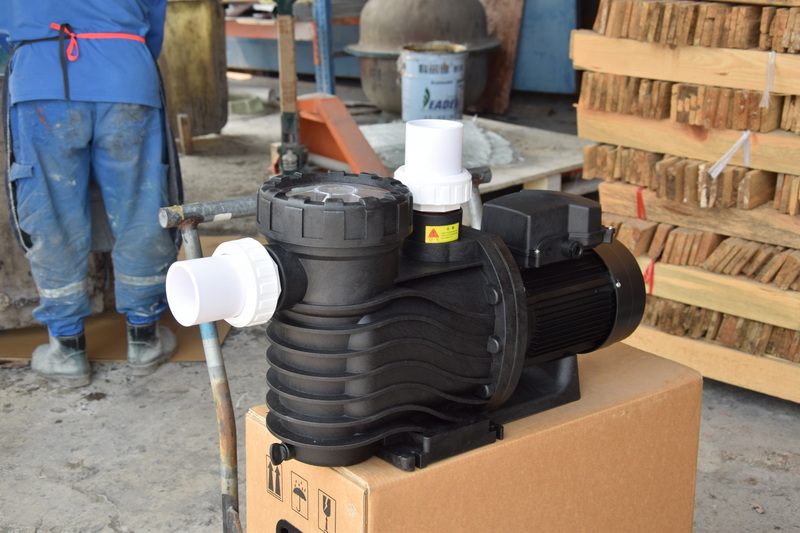
Specific model recommendations vary by region and electrical standards, but buyer guides often highlight similar patterns in what makes a pump popular.
- For small to medium residential pools, compact variable‑speed pumps with 0.85–1.5 HP equivalents are common. They offer enough flow for filtration and basic heaters without excessive energy use.
- For large inground pools or pools with attached spas or multiple water features, higher‑capacity pumps (or multiple pumps) are often used to meet the required GPM at realistic TDH values.
- In budget‑sensitive installations, a dual‑speed pump can be a practical upgrade from an old single‑speed unit, providing basic energy savings while keeping the initial investment modest.
If your business supplies OEM pool equipment, these use‑case categories are ideal for positioning multiple product lines: entry‑level, performance, and premium smart variable‑speed series.
The best swimming pool pump always works as part of a balanced system. Pump, filter, heater, and accessories must be considered together.
Each filter type — sand, DE (diatomaceous earth), and cartridge — has specific flow recommendations.
- Sand filters handle moderate flow but can suffer from channeling if water is pushed through too quickly.
- DE and cartridge filters usually deliver finer filtration but can be damaged or wear out faster if the pump is oversized and flow is too high.
Always verify that the pump's expected GPM at your system's TDH does not exceed the filter's maximum rating.
Plumbing design affects how much usable flow a pump can deliver.
- Long pipe runs, many elbows, tees, and valves, or undersized pipe diameter increase head loss.
- Good practice includes minimizing sharp 90‑degree turns near the pump and keeping straight runs where possible. Manufacturer installation guidelines often specify minimum lengths of straight pipe before and after the pump.
Many pools operate more than just a simple filter loop.
- Solar heaters, gas or electric heaters, in‑floor cleaners, fountains, and spa jets all require specific flows or pressures.
- Variable‑speed pumps excel in these systems because different speed programs can be assigned to different operating modes (e.g., low‑speed filtration, mid‑speed heating, high‑speed spa jets).
For most modern pools, a high‑quality variable‑speed pump is widely considered the best overall solution. It combines flexibility, operating efficiency, and system protection better than older technologies.
- Major energy savings
- Reducing pump speed dramatically cuts power draw; lowering RPM by half can reduce energy use by roughly 75% or more, even if run times are extended.
- Over one to three seasons of daily use, many pool owners find that the energy savings offset the higher initial purchase price.
- Improved water quality and equipment life
- Running longer at lower speeds increases filtration contact time, often resulting in clearer water and more stable chemical levels.
- Gentle, sustained flow reduces stress on filters, heaters, and plumbing, helping them last longer and decreasing the likelihood of leaks and cracks.
- Quiet, comfortable pool environment
- Most variable‑speed pumps are significantly quieter at low to medium speeds than older single‑speed units at full power.
- This makes it feasible to run the pump at night or early morning without disturbing neighbors or household members.
Correct installation is essential to get the best performance and lifespan from your pump. Poor installation can lead to noisy operation, cavitation, leaks, and premature failure.
- Location and base
- Place the pump on a solid, level base close to the pool equipment, with enough space for ventilation and maintenance access.
- Ensure adequate drainage so rainwater does not collect around the motor.
- Plumbing connections
- Use pipe sizes that match or exceed the pump's inlet and outlet specifications. Avoid tight 90‑degree elbows directly at the pump; instead, include a straight run of pipe before and after where possible.
- Use fresh PVC primer and cement, and allow proper curing time before running the pump.
- Electrical and priming
- All wiring must match local codes and the pump's electrical requirements (voltage, phase, and breaker size).
- Before first startup, fill the pump strainer housing with water and ensure valves are open so the pump can prime quickly.
Even the best swimming pool pump needs regular care. A simple maintenance routine preserves efficiency, avoids breakdowns, and protects the rest of the circulation system.
- Skim leaves and large debris from the pool surface so they do not overload the skimmer and pump basket.
- Check the water level; it should usually be about halfway up the skimmer opening to maintain proper suction.
- Empty the skimmer and pump strainer baskets regularly to prevent blockages and high motor load.
- Inspect and clean the filter according to its type: backwash sand and DE filters when pressure rises significantly, or hose off and soak cartridge elements as recommended.
- Examine O‑rings and gaskets on lids and unions. Keep them clean and lubricated with a silicone‑based lubricant to prevent air leaks.
- Inspect the impeller and pump housing for scale buildup or debris and clean them as needed.
- Listen for unusual noises such as grinding, rattling, or loud humming that may signal worn bearings or electrical issues.
- Consider professional inspection before or after the main swim season, especially for older pumps or systems with persistent issues.
Understanding a few common problems helps pool owners and technicians quickly decide whether a simple fix is possible or professional service is needed.
- Pump will not prime or loses prime
- Possible causes include low water level, air leaks at fittings or lid O‑rings, blocked suction lines, or the pump being installed too far above the water level.
- Solutions include raising the water level, tightening or replacing seals, checking for debris, and ensuring the pump is properly primed.
- Low or no pressure at the filter gauge
- Causes often involve clogged skimmer or pump baskets, a dirty filter, closed valves, or a blocked return line.
- Clearing debris, backwashing or cleaning the filter, and verifying valve positions typically resolves the issue.
- Noisy pump
- Grinding and shrieking sounds may indicate worn bearings; rattling and vibration can result from loose mounting or partial blockages.
- Basic steps include checking that the pump is securely bolted down, inspecting for air in the system, and cleaning the impeller. Persistent mechanical noise usually requires professional repair or motor replacement.
- Pump hums but does not start
- This can be a sign of a seized impeller, debris lodged near the diffuser, or a failing start capacitor in the motor.
- After turning off power, the impeller area can be inspected for obstructions. Electrical issues should be handled by a qualified technician for safety.
Use this simple checklist when deciding which pump is truly “best” for your pool:
- Confirm pool volume and desired turnover time.
- Calculate target flow rate in GPM and check it against the filter's maximum rating.
- Evaluate your plumbing layout and any additional equipment such as heaters, cleaners, or water features.
- Prefer a variable‑speed (or at least dual‑speed) pump for modern energy‑efficient installations.
- Compare warranties, material quality, and ease of programming among candidate models.
- Consider noise level, local regulations, and compatibility with your existing or planned automation system.
The best swimming pool pump is the one that fits your pool's unique requirements: correct hydraulic sizing, compatibility with your filter and plumbing, and enough flexibility to support heaters, cleaners, and water features without wasting energy. For most residential pools today, a properly sized variable‑speed pump offers the greatest long‑term value because it delivers exceptional energy efficiency, quiet operation, and customizable performance for different operating modes. By combining smart sizing, careful installation, regular maintenance, and modern control features, pool owners and professionals can enjoy consistently clear water, lower electricity bills, and longer‑lasting equipment from a single, well‑chosen pump.
Contact us to get more information!
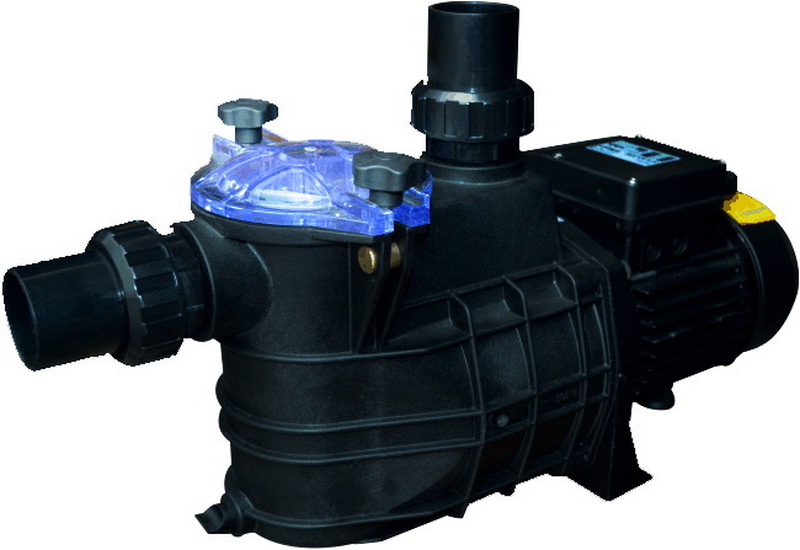
Most pools need enough pump run time to achieve at least one full turnover of water per day, which usually translates to 8–12 hours of operation depending on pool size and pump speed. Many owners run variable‑speed pumps longer at lower speeds to improve filtration and energy efficiency while maintaining quiet operation.
No, an oversized pump can cause excessive pressure, waste power, and potentially damage filters and plumbing. The best pump horsepower is the one that supplies the required flow at your system's total dynamic head without exceeding the filter's recommended range.
In most cases, yes. Variable‑speed pumps significantly reduce electricity consumption and typically pay back their price difference within a few seasons of regular use. They also run more quietly, offer better control, and help extend the service life of filters and heaters by avoiding constant full‑speed operation.
Often a single, well‑sized variable‑speed pump can serve the main pool, attached spa, and modest water features using different programmed speed modes. However, very demanding spa jet systems or large feature sets may require dedicated pumps to deliver the necessary flow and pressure without compromising filtration.
Key tasks include keeping skimmer and pump baskets clear of debris, monitoring and cleaning the filter, checking for leaks and air in the system, and inspecting seals, O‑rings, and the impeller regularly. Establishing a daily, weekly, and seasonal maintenance schedule prevents most common pump problems and helps keep energy use and repair costs under control.
1. https://www.swimuniversity.com/pool-pump/
2. https://www.xiandai-pump.com/blog/2025-guide-choose-best-pool-pump-needs/
3. https://blog.royalswimmingpools.com/blog/what-horse-power-pump-should-i-get-for-my-pool
4. https://noisypool.com/best-swimming-pool-pump-for-2025/
5. https://mrpoolman.com.au/blogs/news/best-swimming-pool-pumps
6. https://pool.dreametech.com/blogs/blog/what-size-pool-pump-do-you-need-an-easy-sizing-guide
7. https://clearcomfort.com/variable-speed-pump-vs-single-speed-a-comparison/
8. https://fslandscapingcontractors.com/how-to-choose-a-pool-pump-efficiency/
9. https://lesliespool.com/blog/pool-pump-sizing-101.html
10. https://bndpools.com/blog/single-speed-vs-variable-speed-pumps/
11. https://www.youtube.com/watch?v=u3T_otpZ_aQ
12. https://www.aquagem.com/news/pool-pump-sizing-guide-for-your-swimming-pool
13. https://www.cleanenergyconnection.org/article/variable-speed-pool-pumps-really-do-save-you-money-heres-how
14. https://pinchapenny.com/pool-life/pool-pump-guide
15. https://poolpartstogo.com/blogs/articles/how-to-tell-if-your-pool-pump-is-improperly-sized
16. https://starwatersystems.com/2025/08/04/pool-pump-maintenance/
17. https://poolpartstogo.com/blogs/articles/installation-and-maintenance-tips-for-pool-pump
18. https://www.youtube.com/watch?v=Ayk3co2KetE
19. https://lesliespool.com/blog/the-ultimate-pool-pump-maintenance-guide.html
20. https://greatbackyard.com/blogs/news/your-above-ground-pool-pump-installation-priming-and-maintenance
21. https://www.aquamagazine.com/service/article/15737288/the-key-to-proper-pool-pump-installation
22. https://pleasantpools.com/5-most-common-pool-pump-problems-and-solutions/
23. https://pooloperationmanagement.com/common-issues-pool-pump-motor/
24. https://mrpoolman.com.au/blogs/news/how-to-install-and-prime-a-pool-pump
25. https://naplespool.com/cleaning-a-pool-pump/
26. https://poolpartstogo.com/blogs/articles/troubleshooting-common-inground-pool-pump-problems


