


Content Menu
● Key Functions Of The Pool Pump
● Circulation: Keeping Water Moving
● Filtration: Removing Dirt And Debris
● Chemical Distribution And Water Quality
● Skimming And Surface Cleaning
● Supporting Heaters, Chlorinators, And Features
● Main Components Of A Pool Pump
● Single‑Speed, Two‑Speed, And Variable‑Speed Pumps
● How Long Should A Pool Pump Run?
● Typical Problems When The Pump Fails
● Why A Quality Pump Matters For OEM Buyers
● Related Questions And Answers (FAQ)
>> 1. What is the difference between a pool pump and a pool filter?
>> 2. Can a pool run without a pump?
>> 3. How do I know if my pool pump is the right size?
>> 4. Why is my pool pump losing prime or full of air?
>> 5. Are variable‑speed pool pumps worth the extra cost?
>> 6. How often should I clean the pump basket?
The pool pump is the “heart” of your swimming pool system, pulling water from the pool, pushing it through the filter and treatment equipment, and sending clean water back to the pool. Without a properly working pump, water becomes stagnant, dirty, and unsafe to swim in.[1][2][3][4]
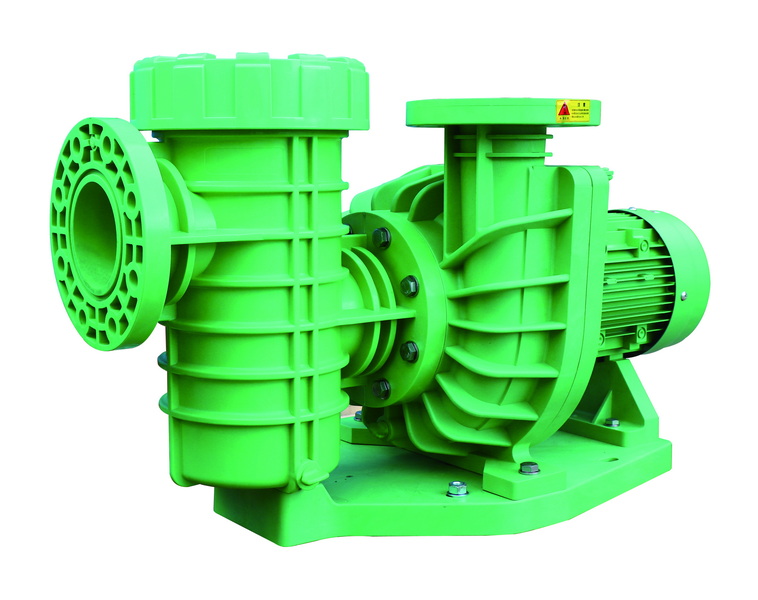
A pool pump uses an electric motor to spin an impeller, creating centrifugal force that draws water in from the skimmers and main drain and pushes it out through the filter and other equipment. The water then returns to the pool through the return jets, completing a continuous circulation loop.[5][6][7][1]
The pool pump performs several critical functions that directly affect water clarity, hygiene, and swimmer comfort. Understanding these roles helps owners and professionals size, run, and maintain pumps correctly.[3][8][9][5]
- It drives water circulation so every part of the pool eventually passes through the filter and sanitizing system.[10][5]
- It enables filtration by pushing water through the sand filter, cartridge filter, or DE filter where dirt and contaminants are captured.[11][3]
- It distributes chemicals like chlorine, pH adjusters, and algaecides evenly so there are no “dead zones” with poor sanitation.[4][3]
- It supports heating and water features by moving water through heaters, solar systems, spa jets, and waterfalls.[8][5]
Good circulation is the foundation of a clean, healthy pool, and the pump is what keeps the water constantly moving. Stationary water quickly turns cloudy, encourages algae growth, and becomes more difficult and expensive to sanitize.[9][5][4][10]
- The pump pulls water from the surface via the skimmer(s) and from depth via the main drain(s).[6][5]
- It pushes water back through multiple return jets positioned to “sweep” the entire pool, helping prevent dead spots in corners, steps, and along walls.[10][9]
The pump does not filter water by itself, but it is responsible for moving water through the filter where cleaning actually happens. Without enough flow from the pump, even the best filter cannot keep water clear.[3][4][11][10]
- Sand filters trap particles as water passes through a bed of specially graded filter sand inside a sealed tank.[11][10]
- Cartridge filters rely on pleated filter elements that capture fine debris as water flows through the media.[3][11]
- DE (diatomaceous earth) filters coat internal grids with a thin layer of DE powder that can remove extremely small particles for very clear water.[5][11]
Most sanitizing and balancing chemicals depend on circulation from the pump to work properly. When the pump runs, chemicals are mixed throughout the pool volume, maintaining stable and consistent water chemistry.[6][4][8][3]
- Chlorine and other sanitizers are spread evenly, improving disinfection and preventing local overdosing or underdosing.[8][3]
- pH and alkalinity adjustments reach all areas of the pool, reducing scale, corrosion, and irritated eyes or skin.[4][9]
The pump powers the skimmer system that cleans the water surface. As water flows into the skimmer, leaves, insects, and floating debris are trapped in the skimmer basket before they sink.[5][10][3]
- Strong, steady pump suction improves skimming efficiency and reduces the amount of debris that reaches the main filter.[4][3]
- Regularly emptied skimmer baskets help maintain good flow and protect the pump from blockages.[2][8]
Modern pools often include heaters, salt systems, and water features that all depend on the pump's water flow. When sizing and selecting a pump, these extra components must be considered to ensure adequate performance.[1][8][5]
- Gas, electric, or solar heaters require a specific flow range to heat water safely and efficiently before returning it to the pool.[11][5]
- Inline chlorinators and saltwater chlorine generators need consistent flow to generate and deliver sanitizer correctly.[6][10]
- Waterfalls, deck jets, bubblers, and spa jets are often driven by either the main circulation pump or a dedicated booster pump.[9][5]
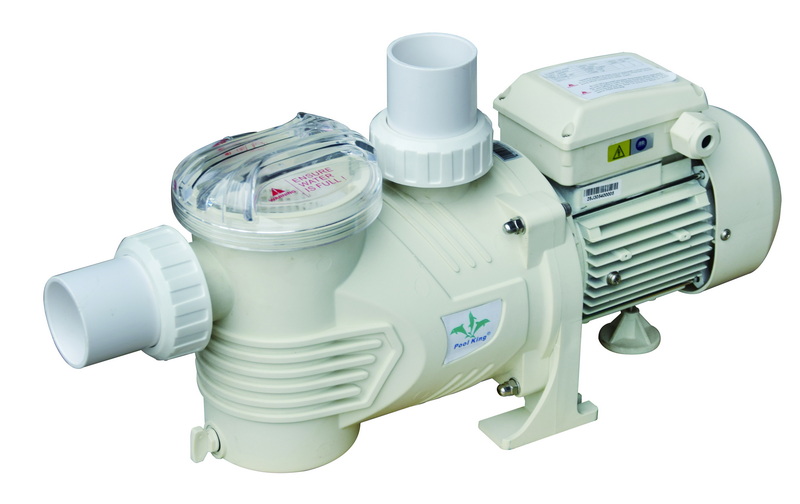
Understanding the basic parts of a pump helps with troubleshooting and maintenance. Although designs vary, most pool pumps share several core components.[7][2][1][6]
- Motor: The electric motor provides the rotational power needed to spin the impeller.[2][7]
- Impeller: A wheel with vanes inside the wet end that uses centrifugal force to move water.[12][7]
- Pump housing (wet end): The casing that holds water, the impeller, and the diffuser.[7][2]
- Strainer pot / hair and lint trap: A chamber with a basket that catches larger debris before it reaches the impeller.[2][6]
- Lid and O‑ring: A transparent lid and gasket that seal the strainer pot while allowing inspection.[7][2]
Different pump technologies affect energy use, noise levels, and control options. Many regions now encourage or require variable‑speed pumps for better efficiency.[13][1][6]
| Pump Type | How It Runs | Main Advantages | Typical Users |
|---|---|---|---|
| Single‑speed | Runs at one fixed, high speed whenever it is on.pentair | Lower upfront cost; simple operation.pentair | Older pools; budget‑focused owners.pentair |
| Two‑speed | Has a high and low speed option.pentair | Can run on low to save energy; high for cleaning.pentair | Pools needing flexibility without full variable‑speed.pentair |
| Variable‑speed | Motor speed is fully adjustable across a wide range.pentair+1 | Significant energy savings; quieter; programmable.pentair+1 | Modern residential and commercial pools.pentair+1 |
The right run time depends on pool size, pump flow rate, climate, bather load, and equipment layout. The goal is usually to achieve at least one complete “turnover,” meaning the full pool volume passes through the filtration system.[14][9][5]
- Many residential pools run the pump 8–12 hours per day during the swimming season, often split between day and night.[14][13]
- Variable‑speed pumps can run longer at lower speeds to improve filtration while reducing electricity costs.[1][6]
When the pump stops working properly, water quality declines quickly and other equipment may suffer damage. Recognizing early warning signals prevents bigger repairs and protects your investment.[8][3][5][7]
Common issues include:
- Cloudy water, algae growth, or strong chemical smells caused by inadequate circulation and filtration.[3][4]
- Air bubbles in the returns, noisy operation, or loss of prime due to suction leaks or low water level.[5][7]
- Overheating motor or tripped breakers from mechanical wear, debris, or incorrect wiring.[12][7]
For brands, wholesalers, and manufacturers looking for private‑label equipment, pump quality directly affects customer satisfaction and long‑term maintenance costs. Combining a durable, energy‑efficient pump with high‑performance sand, DE, or cartridge filters creates a complete, reliable circulation system.[1][8][11][3]
- Smart manufacturing with precision tooling and testing ensures consistent flow performance, low noise, and long service life for OEM pool pumps.[6][1]
- Matching pumps with compatible sand filters, high‑efficiency water pumps, LED pool lights, and accessories helps partners offer turnkey filtration and circulation packages for residential and commercial pools.[3][5]
The pool pump is the central engine of any swimming pool, responsible for pulling water from the pool, pushing it through the filter and treatment systems, and returning it clean and safe for swimmers. Correct pump selection, installation, and operation protect the rest of the equipment, improve water quality, and reduce energy and chemical costs for pool owners and commercial operators alike.[1][5][6][3]
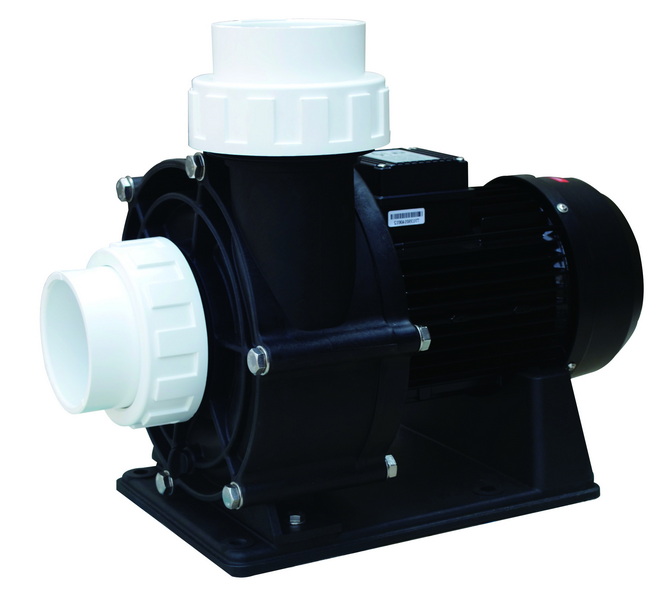
A pool pump moves water through the system, while the filter is the component that actually traps and removes dirt and debris from the water.[8][3]
Without a pump, water does not circulate through the filter or sanitizing equipment, so it quickly becomes cloudy, unbalanced, and potentially unsafe to swim in.[4][3]
The pump should be sized to achieve at least one full turnover of your pool volume within the daily runtime while matching the flow limits of your filter, plumbing, and heater.[7][5]
Common causes include low pool water level, loose pump lid, damaged O‑rings, or air leaks on the suction side plumbing before the pump.[5][7]
Variable‑speed pumps typically use much less electricity, run more quietly, and offer better control, which often repays the higher purchase price over time through energy savings.[6][1]
The pump basket should be inspected and cleaned regularly, especially during leaf seasons, to prevent clogs, protect the impeller, and maintain proper water flow.[2][8]
[1](https://www.pentair.com/en-us/education-support/water-education-center/pool-and-spa-education/pool-pump-information-guide.html)
[2](https://paradisepool.com/pool-care-guide-the-pump.htm)
[3](https://dingmanpools.com/2023/07/24/understanding-the-functions-of-a-pool-filter-and-pump/)
[4](https://poolpartstogo.com/blogs/articles/pool-circulation-101-what-it-is-how-it-works-and-how-to-make-yours-better)
[5](https://www.riverpoolsandspas.com/blog/how-do-pool-pump-and-filter-systems-work)
[6](https://www.swimuniversity.com/pool-pumps-101/)
[7](https://lesliespool.com/blog/how-does-a-pool-pump-work.html)
[8](https://www.zodiac.com.au/pool-and-spa-guides/top-question-our-customers-ask-what-is-the-difference-between-a-pump-and-a-filter)
[9](https://naked-pools.com/the-importance-of-circulation-in-your-swimming-pool/)
[10](https://www.swimuniversity.com/pool-circulation/)
[11](https://www.capitolpool.com/service/operating-poolcirculation)
[12](https://lesliespool.com/blog/how-does-a-pool-pump-work.html?srsltid=AfmBOoqhXG1bsrx9-IH8ein-DfKELFnGRyc4wdRH-4zZqsPVcsyBFNIn)
[13](https://www.funcenterpools.com/en/help/pool-pump/purpose/what-is-the-primary-function-of-a-swimming-pool-pump)
[14](https://home.howstuffworks.com/swimming-pool-pumps-run-all-the-time.htm)
[15](https://www.youtube.com/watch?v=Ayk3co2KetE)
[16](https://www.getskimmer.com/blog/seo-for-pool-businesses)
[17](https://poolbuildergrowth.com/blog/best-seo-keywords-for-pool-builders)
[18](https://www.cactusmailing.com/blog/pool-service-website)
[19](https://serpsgrowth.com/blog/seo-strategies-for-pool-companies/)
[20](https://www.bruceclay.com/seo/industry/home-improvement/pools/)


