
Views: 222 Author: Tina Publish Time: 2025-08-14 Origin: Site


Content Menu
● Common Pool Filter Settings Overview
● What Does "Recirculate" Mean on a Pool Filter?
● How Does the Recirculate Setting Work?
● When and Why Should You Use Recirculate?
>> 1. Chemical Mixing and Distribution
>> 2. Cloudy Water and Clarifier Treatments
>> 3. Filter Maintenance or Repairs
>> 4. Temperature Equalization
>> 6. Balancing Chemical Levels
● Benefits of Using Recirculation
● Comparing Filter and Recirculate Modes
● Step-by-Step Guide to Using Recirculate Effectively
● Additional Practical Tips for Pool Filter Maintenance
● Frequently Asked Questions (FAQs)
>> Q1: Can I leave my pool filter on recirculate all the time?
>> Q2: How long should I run the pump on recirculate after adding chemicals?
>> Q3: Will recirculate mode save me energy?
>> Q4: What happens if I forget to switch back from recirculate to filter?
>> Q5: Can recirculate mode help with algae control?
For pool owners and maintenance professionals alike, proper care of a swimming pool ensures clear, safe, and enjoyable water throughout the swimming season. Among the vital components of pool care is understanding the pool filter system and its settings. One setting often encountered but less fully understood is the "recirculate" option on a pool filter valve. While many focus on "filter" and "backwash," the recirculate function plays a unique and important role in specific pool maintenance scenarios.
This article provides a comprehensive explanation of the recirculate setting on pool filters — what it means, how it works, when to use it, and why it matters. We will also delve into different types of pool filters, compare recirculate with other modes, and include practical tips for maximizing pool system efficiency. Illustrative explanations and real-world application advice are included to help pool owners and technicians better manage their water systems.
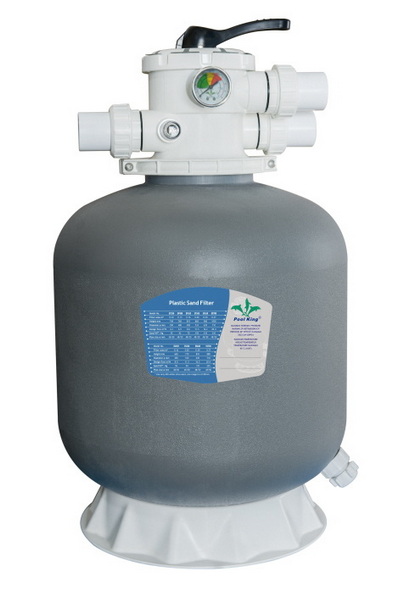
A pool filter is a critical piece of pool equipment designed to keep the swimming water clean by removing contaminants such as dirt, debris, algae spores, and microscopic particles. It is part of the broader circulation system that draws in water, filters it, and returns clean water to the pool.
The three main types of pool filters popular in residential and commercial pools are:
- Sand Filters: Use a special grade of sand layered in the filter tank. Contaminants are trapped as water passes through the sand bed. Sand filters are durable and easy to maintain by "backwashing."
- Diatomaceous Earth (DE) Filters: Use powder made from fossilized remains of diatoms to provide ultra-fine filtration, capturing smaller particles than sand filters. They require careful handling and periodic powder replacement.
- Cartridge Filters: Contain a replaceable pleated cartridge that physically traps debris. Cartridge filters provide fine filtration and are cleanable by rinsing.
The filter's purpose is to continuously remove solids from water, helping keep the pool water sparkling clean, safe for swimmers, and chemically balanced.
Most pool filters come with a multi-port valve (also called a multiport valve or 6-way valve) that allows the operator to change the flow path of water through the system. Common settings provide different functions:
- Filter: Normal operational mode. Water is pumped through the filter medium to remove contaminants.
- Backwash: Reverses water flow through the filter to flush trapped debris out of the filter media, typically sent to waste.
- Rinse: After backwashing, rinses remaining dirt from the valve and filter before returning to filter mode.
- Waste: Bypasses the filter entirely and sends water directly out of the pool system, useful for lowering water level or vacuuming heavy debris.
- Recirculate: Water bypasses the filter media but continues to circulate back to the pool, keeping water moving but not filtered.
- Closed: Shuts off water flow to the filter, usually for maintenance or repairs.
Understanding these settings empowers pool operators and technicians to maintain water quality and prolong equipment life.
The recirculate valve setting means that water drawn from the pool is pumped through the system but bypasses the filter media entirely. The water passes through the pump basket (where larger debris collects) but skips the main filtering stage. Instead, it flows directly back into the pool.
This function keeps water moving around the pool and through the circulation system without actually cleaning it through sand, DE powder, or cartridges.
In practical terms, while water is continuously moved and mixed, no fine particles or impurities are removed because the filter is bypassed.
The typical water flow through a pool filter system when set to recirculate is as follows:
1. Water Intakes: Water is withdrawn from pool skimmers and main drains.
2. Pump Basket: Water passes through the pump's strainer basket, where large debris like leaves and twigs are trapped.
3. Bypassing the Filter: Instead of flowing into the filter tank, the water is redirected around the filter media via the multi-port valve's recirculate path.
4. Return to Pool: The water is sent back into the pool through the return jets, undiminished but not physically cleaned.
This ensures water movement and circulation continue while the filter system is partially or fully offline.
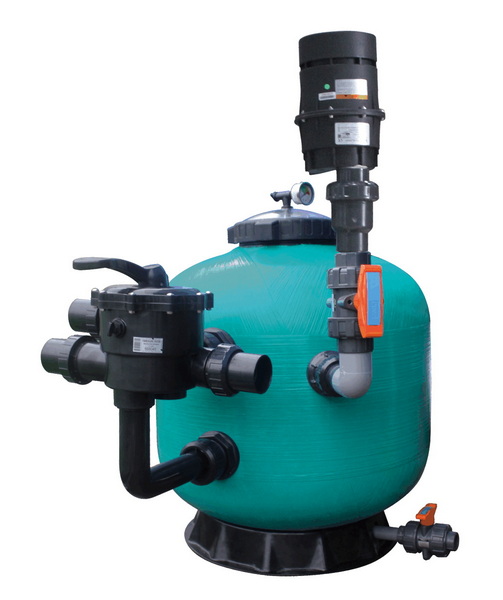
The recirculate setting is typically not used during everyday pool operation. However, it serves important purposes in various situations:
After adding pool chemicals like chlorine, algaecides, clarifiers, or pH adjusters, the recirculate mode helps mix these chemicals uniformly throughout the pool water. Since the water bypasses the filter during recirculation, these chemicals are not trapped or filtered out prematurely. This improves treatment effectiveness and speeds balanced chemical distribution.
If the pool water is cloudy and you have added a clarifier to help remove microscopic particles, running the pump on recirculate lets the clarifier work without immediately clogging the filter. This helps prolong filter life during treatments and reduces backwash frequency.
While performing maintenance, cleaning, or repairing the filter, use recirculate mode to keep water moving in the system. This prevents water stagnation, reduces algae or bacteria growth risks in stagnant water, and keeps the pool environment fresh without full filtration.
Recirculation helps distribute heated or cooled water evenly throughout the pool after installation of solar heaters, heat pumps, or cooling devices. This avoids hot or cold spots by circulating the water continuously without filtration interference.
If the pool water contains very heavy debris or sediment that clogs sand or cartridge filters quickly, running on recirculate allows the pool owner to move water and possibly vacuum without overloading the filter. Water will not be cleaned but circulation continues.
In situations needing careful chemical balancing, recirculate mode ensures even chemical mixing across the pool volume before switching back to full filtration.
Using the recirculate mode strategically offers several practical benefits:
- Prevents stagnation in the pool water and circulation system during filter downtime.
- Speeds up chemical distribution and treatment efficiency without trapping chemicals prematurely.
- Reduces filter strain by bypassing it when heavy particulates might overload filter media.
- Helps distribute temperature evenly after heating or cooling installation.
- Facilitates quick water movement during temporary system maintenance or repairs.
- Extends filter life and performance by reducing unnecessary backwashing when chemicals need time to work.
| Feature | Filter Mode | Recirculate Mode |
|---|---|---|
| Water passes through filter media | Yes (sand, DE, cartridge) | No |
| Removes dirt, debris | Yes | No |
| Moves water | Yes | Yes |
| Chemical distribution speed | Slower (chemicals can be trapped in filter) | Faster (chemicals remain in water) |
| Use case | Daily cleaning and purification | Chemical mixing, maintenance, temp control |
1. Turn Off Pump First: Always switch off the pump before changing the multi-port valve to avoid damage or pressure surges.
2. Change Valve Position to Recirculate: Rotate the valve handle firmly to the "Recirculate" position.
3. Turn Pump Back On: Restart the pump and monitor water flow.
4. Duration: Run the pump on recirculate for 2 to 4 hours after chemical addition or during maintenance.
5. Monitor Water Clarity: Keep an eye on water clarity—recirculate does not clean water.
6. Switch Back to Filter Mode: Once chemicals are evenly distributed or maintenance is complete, switch valve back to "Filter" for routine cleaning.
7. Inspect Filter System: After recirculation, check and clean the filter basket and media as necessary.
- Regularly check and clean pump basket and remove large debris to protect pump and flow rate.
- Schedule backwashing for sand and DE filters as indicated by pressure gauge rises.
- Replace cartridge filters as recommended by manufacturers or when visibly dirty.
- Inspect the multi-port valve seals and gaskets regularly to prevent leaks.
- Use the recirculate mode as a temporary measure rather than a permanent operating mode.
- Monitor pool chemical levels and balance regularly for optimal water quality.
- Keep a maintenance log detailing dates of backwash, recirculation use, chemical additions, and filter servicing.
Understanding the recirculate setting on a pool filter is invaluable for effective pool maintenance. It is a specialized valve position that bypasses filtration media but maintains water movement throughout the circulation system. Though it does not clean the water itself, recirculation is ideal for mixing chemicals, preventing stagnation during filter downtime, and promoting even temperature distribution.
Proper use of recirculate can protect and extend the life of your filter system, enhance chemical efficiency, and keep your pool water balanced in critical treatment phases. However, it should not substitute for daily filtration but rather serve as a complementary tool in your pool care routine.
With this knowledge, pool owners and technicians can optimize their equipment and enjoy cleaner, clearer, and safer swimming pools year-round.
A1: No, recirculate mode bypasses filtration and will not remove pollutants. It should be used temporarily for chemical mixing, maintenance, or specific treatments only.
A2: Typically, 2 to 4 hours is sufficient to evenly distribute chemicals before switching back to filter mode for purification.
A3: Not significantly. The pump runs similarly, but water bypasses the filter. The main benefit is circulation, not power savings.
A4: The pool water will not be cleaned, leading to accumulation of contaminants and possible cloudy water or algae growth.
A5: While it helps distribute algaecides evenly, physical removal of algae requires filtration and chemical treatment combined.


