
Views: 222 Author: Tina Publish Time: 2025-09-29 Origin: Site


Content Menu
● Why Placing Something Under a Pool Ladder Matters
● Types of Pool Ladders and Their Needs
● The Best Options for Under Pool Ladders
>> Ladder Mats
>> Foam Padding and Carpet Squares
● What NOT To Put Under Pool Ladders
● Step-by-Step: How to Install a Ladder Mat
● Maintenance and Cleaning Tips
● Extra Ladder Safety Accessories
● Common Situations and Best Choices
● Professional Tips From Pool Technicians
● FAQs
>> 1. Can I put nothing under my pool ladder?
>> 2. What's the cheapest solution for under a pool ladder?
>> 3. Are commercial mats better than DIY alternatives?
>> 4. How often should I clean under the ladder?
>> 5. Do inground pools always need mats?
>> 6. Can I use sandbags or bricks under my ladder?
Owning a pool is both a luxury and a responsibility. From water chemistry to pool cleaning, there are many details to manage, and one often-overlooked issue is what to place under the pool ladder. At first glance, a pool ladder seems straightforward: step in, step out, enjoy the water. But in practice, a poorly supported ladder can damage vinyl liners, scrape pool floors, create slippery conditions, and even reduce the ladder's stability.
Many pool owners learn the hard way—after spots and tears appear on their liner or algae forms under trapped corners—that the ladder needs a protective base. Selecting the right solution saves money, extends pool life, and makes swimming safer.
This article explores the different choices of what you can put under your pool ladder, why they matter, and how to install, clean, and maintain them. Whether you use an above-ground pool with a soft vinyl floor or a solid inground pool, the following options and techniques will help.
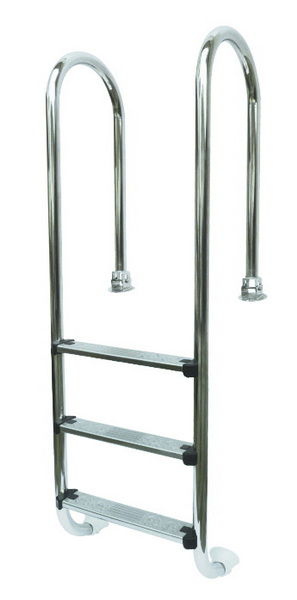
Putting something under your pool ladder is about *prevention and protection*.
- Protects the liner: Above-ground pools typically have delicate liners that risk puncturing under concentrated weight points. A ladder's sharp edges or even flat bases can grind over time.
- Improves safety: The right base prevents slipping, wobbling, or shifting under pressure.
- Reduces algae growth: When water circulation is blocked beneath a solid ladder base, dirt accumulates, creating a breeding ground for algae.
- Extends ladder lifespan: By reducing friction and direct moisture contact, mats and pads reduce rust, chipping, or wear.
Ignoring this small step could lead to bigger repair costs or even replacement of your liner.
Not every ladder is the same, and understanding its design helps determine proper support.
These ladders typically rest directly on vinyl liners. The pressure points need cushioned mats or rubber padding to prevent punctures.
Many in-ground pools have stainless steel ladders that anchor into concrete. While more stable structurally, the bases touching the pool floor can still slip or scratch surfaces. They benefit from grip mats or anti-slip pads.
Freestanding ladders for above-ground pools distribute weight but may shift without a stable base. They require weighted pads, step mats, or water/sand-filled stabilizers.
Specially designed pool ladder mats are top recommendations. These mats are:
- Constructed of heavy-duty vinyl or rubber.
- Large enough to spread load pressure.
- Textured for non-slip grip.
- Resistant to algae, chlorine, and sun exposure.
Rubber pads are inexpensive and versatile. Even industrial anti-fatigue mats cut to size can help. Benefits include:
- Durable and flexible.
- Weather and chemical resistant.
- Thicker versions provide excellent cushioning.
They are especially good for pool owners who prefer *DIY modifications*.
Many modern pool ladders come with compartments designed to be filled with water or sand. By weighting the structure itself, it sits firmly on the pool floor without sharp pressure points.
- Great for larger pools or communities.
- Eliminates the shifting or slipping problem.
- Doesn't always require an additional mat.
For budget-conscious pool owners, foam mats or carpet remnants work well:
- Old yoga mats or exercise foam tiles are easy to cut and replace.
- Carpet squares covered in vinyl can provide additional padding.
- Best for seasonal use when ladders are removed at the end of summer.
Note: Replace these annually, as foam compresses and loses resilience.
Some creative pool owners craft their own ladder bases:
- Gym flooring tiles secured together.
- Upcycled vinyl flooring cut into customized pieces.
- Old boat flooring mats repurposed with waterproof adhesive.
DIY options offer flexibility but must resist chlorine damage.
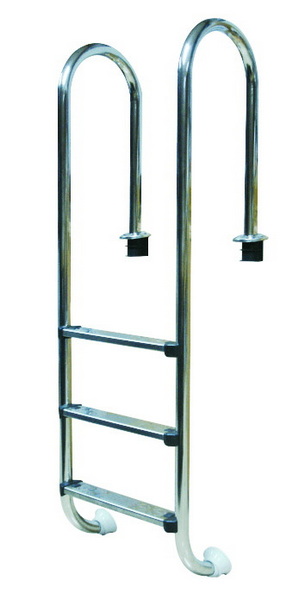
Certain materials may seem helpful but are harmful:
- Metal sheets: Can rust and tear liners.
- Wood planks: Absorb water, rot, and warp.
- Thin textiles: Soak water, creating mold and odor.
- Concrete blocks: Create hard pressure points and crack liners.
Here's a quick comparison for clarity:
| Option | Durability | Cost | Suitability | Maintenance |
|---|---|---|---|---|
| Ladder Mat | High | Moderate | Above/inground pools | Easy to clean |
| Rubber Pad | High | Low | All pool types | Minimal care |
| Weighted Base Steps | High | Higher | Large pools, community pools | Very stable |
| Foam/Carpet Squares | Low-Med | Very Low | Seasonal or budget users | Replace yearly |
| DIY Vinyl Flooring | Medium | Low | Above-ground liner pools | Needs trimming |
1. Clean the pool floor: Use a vacuum to remove dirt where the mat will sit.
2. Soak the mat: Submerge the mat fully to displace air.
3. Position carefully: Align directly where ladder feet will rest.
4. Lower ladder onto mat: Do this slowly to avoid air bubbles shifting it.
5. Test stability: Step gradually and ensure no sliding occurs.
Mats and pads last longer with maintenance.
- Weekly check-ups: Lift the ladder and inspect underneath.
- Brush clean: Use pool-safe brushes to remove algae or scale.
- Rinse and dry in off-season: Store mats in a shaded, dry location to extend service life.
To further improve pool ladder stability and user safety:
- Handrail grips for ease of entry.
- Step covers with anti-slip surfaces.
- Anchor kits to secure freestanding ladders.
- Child locks or barriers for safety when pool is unsupervised.
Eco-conscious families often look for sustainable pool solutions.
- Recycled rubber mats made from tire material resist chlorine and sun.
- Upcycled carpet tiles give new use to old flooring and reduce landfill waste.
- Biodegradable foam options (though less durable) offer seasonal use without heavy plastic reliance.
Different pool setups demand different solutions:
- Above-ground liner pool: Vinyl ladder mats or thick foam squares.
- Heavy-use backyard pool: Weighted ladder with rubber pad for stability.
- Community or hotel pool: Permanent weighted base ladder anchored with rubber feet.
- Budget DIY setup: Old yoga mat trimmed under ladder feet for temporary use.
Through years of installation experience, pool service experts recommend:
- Selecting dark-colored mats: They are less likely to show algae stains.
- Buying mats sized larger than ladder feet: More coverage ensures durability.
- Cleaning mats in shade, not sunlight: Prevents sun damage and brittleness.
- Always choosing chlorine-resistant materials, as ordinary rubber may deteriorate quickly when submerged for long periods.
Placing something under your pool ladder is a small investment that prevents major damage. Without protection, ladders exert concentrated pressure that can cause punctures in vinyl liners, foster algae growth, and reduce lifespan of both liners and ladders.
The safest options include ladder mats, rubber pads, weighted bases, or foam padding solutions depending on your setup. DIY alternatives like yoga mats or vinyl cuttings provide temporary solutions but should be replaced yearly. Avoid harmful materials like wood, fabric, or metal that can rot or rust.
Remember to clean the area under your ladder weekly and check for algae buildup. With proper protection, your pool ladder will remain stable, safe, and liner-friendly, ensuring you get the most from your swimming season.
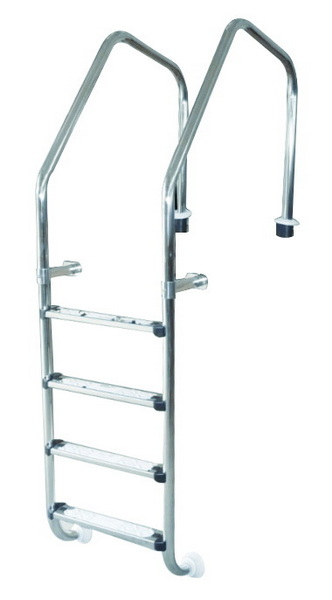
No. A ladder without protection risks tearing liners and creating algae-prone areas.
Old yoga mats or carpet squares provide inexpensive cushioning, though they may not last more than one season.
Yes. Ladder mats are specifically designed for chlorine resistance, durability, and anti-slip features.
At least once per week during pool use. Lift the ladder, scrub mildew, and vacuum debris.
Not always, but rubber anti-slip pads are recommended to maintain grip and prevent scuffing.
No. Hard materials damage liners, while porous items like sandbags promote mold growth.


