
Views: 222 Author: Tina Publish Time: 2025-11-05 Origin: Site


Content Menu
● Why Germany leads in underwater pool lighting
>> Engineering heritage and precision manufacturing
>> IP68 readiness and durability
>> Design for architectural integration
● Key German players and capabilities (OEM-focused)
● OEM/ODM collaboration opportunities
● Technical considerations for pool lighting systems
● How to evaluate German underwater light partners for OEM
● Conclusion and call to action
● FAQ
>> Q1: What OEM/ODM services are typically offered?
>> Q2: What are typical minimum order quantities and sample policies?
>> Q3: What certifications and quality systems are common?
>> Q4: What customization options are feasible (finishes, IP ratings, control protocols)?
>> Q5: What are typical lead times and after-sales support terms?
German engineering excellence underpins a reputation for reliability and precision in underwater pool lighting. For foreign brands, wholesalers, and manufacturers seeking OEM partnerships, Germany represents a source of high-performance fixtures, robust housings, and advanced LED technology designed to endure harsh aquatic environments. This article explores how Pool Underwater Light Manufacturers and Suppliers in Germany deliver premium luminaires, from recessed and surface-mounted underwater lights to complete lighting ecosystems for pools, spas, and decorative installations. The emphasis throughout is on OEM-friendly capabilities, stringent quality controls, and seamless integration with filtration systems, pumps, and control networks. Pool Underwater Light Manufacturers and Suppliers Germany are distinguished by meticulous material choices, IP68 sealing, corrosion resistance, and modular design approaches that support rapid customization for international markets.

- Germany's long-standing tradition of high-precision manufacturing translates into underwater lighting fixtures built to exacting tolerances. This translates into consistent performance across temperature ranges, long service life, and predictable installation outcomes. For brands seeking dependable supply chains, German facilities provide traceability, repeatable quality, and rigorous testing regimes that minimize field failures. Pool Underwater Light Manufacturers and Suppliers in Germany often publish detailed material specifications (e.g., marine-grade stainless steel, anodized aluminum, impact-resistant optical lenses) and document batch-level quality data, enabling OEM partners to certify products quickly for export markets. This reliability is a core selling point for international buyers evaluating Pool Underwater Light Manufacturers and Suppliers Germany options.[1][2]
- Underwater lighting must withstand continuous immersion, chemical exposure from pool sanitizers, and mechanical wear. German luminaires commonly employ IP68 ratings, with seals and gaskets designed for long-term waterproof integrity. Many fixtures use corrosion-resistant stainless steel (such as 316L or higher grades) and encapsulated LED engines that minimize moisture ingress. For OEM collaborations, this translates into predictable performance in outdoor environments, coastal installations, and architectural pools. The emphasis on ruggedness combined with sleek aesthetic design is a hallmark of leading German Pool Underwater Light Manufacturers and Suppliers.[2][1]
- German manufacturers often position underwater lights as integral elements of architectural water features. This means thoughtful housing geometries, glare-control optics, and color-tuning capabilities that support ambient and accent lighting schemes. For OEM clients, the design language is modular: standardized mounting footprints, interchangeable lenses, and finishes (stainless steel, powder-coated aluminum, corrosion-resistant alloys) that speed customization without sacrificing consistency. Such capabilities align with the needs of foreign brands seeking Pool Underwater Light Manufacturers and Suppliers Germany for turnkey lighting solutions.[1][2]
- While the market includes many established players, notable OEM-friendly strengths often lie in:
- In-house toolmaking and rapid prototyping to accommodate small-batch customization.
- Integrated supply chains for components (LED engines, drivers, seals, housings) to ensure lead-time reliability.
- Certification readiness for international markets (CE, UL, RoHS, IP ratings, and product safety evaluations).
- Flexible production lines capable of producing both high-volume standard models and customized iterations for specific brand requirements.
- For potential partnerships, identify manufacturers with documented OEM case studies, modular product families, and transparent quality management systems. These signals indicate readiness to collaborate with foreign brands on Pool Underwater Light Manufacturers and Suppliers Germany-focused projects.[5][9]
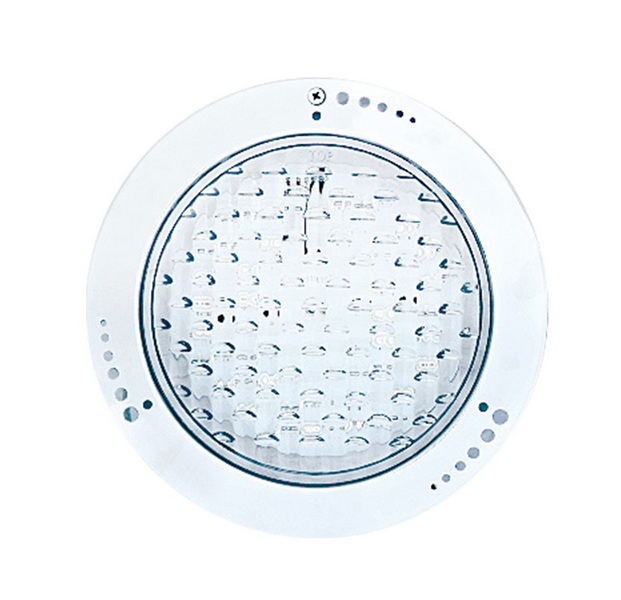
Understanding the pathways for OEM (original equipment manufacturing) and ODM (original design manufacturing) is essential when engaging with German Pool Underwater Light Manufacturers and Suppliers.
Customization scope
- Housing finishes: brushed stainless steel, anodized aluminum, or polymer composites compatible with UV resistance and pool chemical exposure.
- Light engines and optics: selectable color temperatures (e.g., 2700K–6500K), tunable white or RGBW options, beam angles, and lens materials with anti-reflective coatings.
- Mounting styles: recessed niches, surface-mounted trims, wall washers, and niche-less designs tailored to architectural plans.
- Control interfaces: DC12V/24V operation, dimming protocols, wireless control (BLE, Wi-Fi, or proprietary RF), and compatibility with pool automation systems.
Quality assurance and certifications
- Expect documented ISO 9001 quality management, material certificates (e.g., stainless steel grades), IP68 certification verification, and electrical safety attestations (CE/UL as applicable). These credentials support OEM claims in overseas markets and reduce downstream compliance hurdles.[3][1]
Lead times, tooling, and MOQ considerations
- OEM inquiries should clarify tooling readiness, sample policies, NPI timelines, and minimum order quantities. German manufacturers often offer scalable production runs with shorter retooling times for standardized models, while customizing may require upfront tooling investments and longer lead times. Transparent discussions on these parameters help establish a reliable supply relationship for Pool Underwater Light Manufacturers and Suppliers.[2][5]
Electrical and safety alignment
- Typical configurations for pool luminaires include low-voltage DC systems (12V/24V) to minimize shock risk in wet environments. OEM collaborations should confirm insulation standards, cable ratings, and documentation for electrical installations in various jurisdictions.
Color temperature, CRI, and lighting quality
- For high-end pools and architectural features, a high color rendering index (CRI) and stable color output over temperature variations are valued. Being able to supply a range of color temperatures and, optionally, RGBW or tunable white capabilities, helps foreign brands craft compelling product stories for their markets.[3]
Durability under operational conditions
- Materials selection (316L stainless steel, toughened glass or polycarbonate lenses, and corrosion-resistant fasteners) and robust sealing strategies contribute to long service lives in chlorinated or saline environments. Partnering with a German manufacturer that emphasizes durability supports the OEM narrative of reliability.[1][2]
Integration with filtration and control systems
- Lighting systems should be designed to integrate with pool pumps, filtration units, and dosing systems. Compatibility with common pool automation standards and driver electronics simplifies installation and post-sale support for international customers. This cross-system harmony is a practical reason to consider German Pool Underwater Light Manufacturers and Suppliers as OEM partners.[6][1]
Evaluate engineering credentials and R&D investment
- Look for in-house R&D teams, access to prototyping facilities, and a track record of product iterations responsive to customer feedback.
Inspect manufacturing scalability
- Confirm production capacity, supplier diversification, and the ability to handle both prototypes and larger runs efficiently.
Assess quality management and traceability
- Require QMS documentation, batch traceability, and defect-rate reporting.
Confirm certifications and export readiness
- Verify CE/UL certifications, IP ratings, and product safety test reports.
Consider post-sale support
- Review warranty terms, spare-parts availability, and technical support channels for OEM partners.
- If a German manufacturer demonstrates these capabilities, they are strong candidates for Pool Underwater Light Manufacturers and Suppliers Germany-focused OEM partnerships.[2][3][1]
German expertise in underwater pool lighting offers OEM-friendly pathways for foreign brands, wholesalers, and manufacturers seeking reliable, high-quality Pool Underwater Light Manufacturers and Suppliers. By partnering with German OEMs, brands gain access to robust lighting solutions, durable materials, rigorous quality controls, and design flexibility that supports international market success. Potential partners should initiate concrete discussions around customization options, certifications, sample programs, and production timelines to establish a productive collaboration. To begin, reach out with your product brief, target specifications, and anticipated order volumes to schedule a technical review and factory assessment.
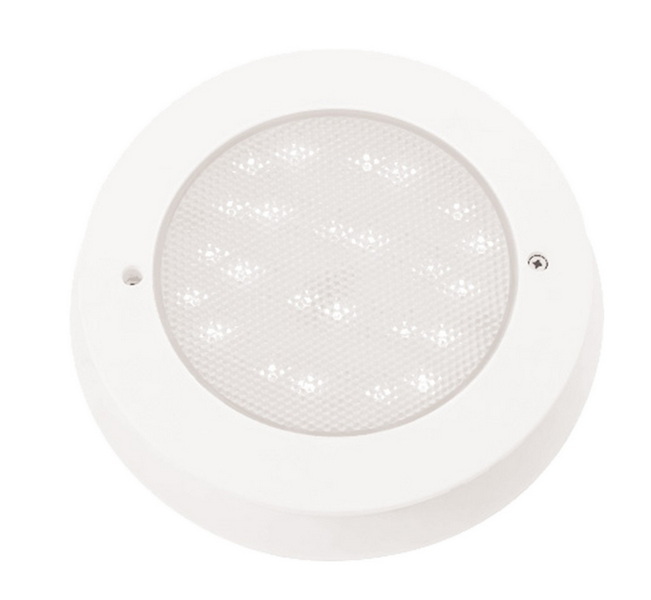
- Typical offerings include custom housing finishes, multiple LED engine options, optics and lens choices, interchangeable mounting systems, and integration with control protocols or pool automation platforms. Documentation and product samples are usually provided during the early collaboration phase.[2]
- MOQs vary by manufacturer and project scope but many German OEM partners offer low-volume prototypes or pilot runs to validate designs, followed by scalable production. Sample availability is commonly offered at a nominal cost or free with subsequent orders.[1]
- Expect ISO 9001 quality management, IP68 ingress protection, and electrical safety certifications (CE, UL where applicable). Documentation for materials (e.g., stainless steel grade) and environmental testing is common.[1][2]
- Finishes include stainless steel, anodized aluminum, and polymer housings; IP68 is standard for underwater use; control options cover wired dimming, BLE/Wi-Fi, and compatibility with major pool automation protocols.[3][1]
- Lead times depend on complexity and tooling, with prototypes typically shorter and mass production longer. Warranties and spare-parts policies vary; confirm these terms in the contract and ensure access to technical support.[2]
[1](https://www.wibre.de/en/swimming-areas-and-pools.html)
[2](https://www.wibre.de/de/)
[3](https://evaoptic.com/swimming-pool-lighting/eva-led-underwater-lighting/)
[4](https://www.swimtech.in/under-water-lights-illumination/)
[5](https://heguang.en.made-in-china.com/product/bwiQfshMnDVY/China-12W-DC24V-VDE-German-Standard-Outgoing-316L-Stainless-Steel-LED-Underwater-Swimming-Pool-Light.html)
[6](https://www.hofergroup.com/en/pool-lighting)
[7](https://www.poolking.co/underwater-pool-lights.html)
[8](https://www.creativepools.in/underwater-light.html)
[9](https://www.industrystock.com/en/companies/Civil-Engineering-And-Building-Construction/Swimming-Pool-Technology/Swimming-Pool-Lighting)
[10](https://rclite.com/swimming-pool-lights/)


