
Views: 222 Author: Tina Publish Time: 2025-07-15 Origin: Site


Content Menu
● Understanding Pool Pumps: Their Role and Importance
● How Rain Affects Your Swimming Pool
● Should You Run Your Pool Pump During Rain?
>> The Case for Keeping Your Pump On
>> Everyday Rain vs. Severe Storms
● Electrical Safety and Storm Precautions
>> Lightning and Electrical Hazards
>> Pump Location and Protection
● Flooding, Drainage, and Pump Protection
>> What to Do If Your Pump Floods
● Best Practices: What to Do Before, During, and After Rain
>> Before Rain
>> During Rain
>> After Rain
● Additional Considerations for Pool Owners
>> Impact of Rainwater on Pool Chemistry
>> Using Pool Covers Effectively
>> Energy Efficiency During Rainy Weather
>> 1: Is it safe to run my pool pump during rain?
>> 2: What should I do if my pump area floods?
>> 3: Can rainwater damage my pool's chemical balance?
>> 4: Should I cover my pool during rain?
>> 5: How long should I run my pool pump after it rains?
Owning a swimming pool is both a joy and a responsibility. Among the many questions pool owners face, one stands out during every rainy season: Should you turn off your pool pump when it's raining? This comprehensive guide explores the science, safety, and best practices behind pool pump operation during wet weather. You'll find expert insights, visual aids, and real-world advice to keep your pool sparkling and safe, no matter the forecast.

A pool pump is the heart of your swimming pool's circulation system. Its primary functions include:
- Circulating water to prevent stagnation and algae growth.
- Filtering out debris such as leaves, insects, and dirt.
- Distributing chemicals evenly to maintain water quality.
Without a functioning pump, your pool quickly becomes a breeding ground for bacteria and algae, leading to cloudy, unsafe water and expensive maintenance issues.
The pump draws water from the pool through the skimmer and main drain, pushes it through the filter, and returns clean, treated water back to the pool. This continuous cycle is essential for maintaining a healthy swimming environment.
Rain brings more than just water to your pool. It introduces:
- Dirt and debris: Leaves, soil, and other materials are washed into the pool.
- Chemical dilution: Rainwater can lower chlorine and pH levels, disrupting the pool's balance.
- Contaminants: Pollutants from the atmosphere and surrounding environment can enter the water.
- Temperature changes: Rainwater is often cooler, which can affect the pool's overall temperature.
- Algae growth risk: The combination of diluted chemicals and organic debris creates a perfect environment for algae to thrive.
Rainwater is typically slightly acidic, which can lower the pool's pH, making the water more corrosive to pool surfaces and equipment if left uncorrected. Additionally, heavy rain can cause the pool water level to rise, sometimes overflowing the skimmer and affecting the pump's suction.
- Rain introduces contaminants: Running the pump helps filter out new debris and keeps chemicals circulating, preventing algae and bacteria buildup.
- Maintains chemical balance: Circulation ensures rainwater is mixed thoroughly, minimizing chemical imbalances.
- Prevents debris from settling: Active filtration stops leaves and dirt from sinking to the bottom, making post-storm cleanup easier.
- Protects pool surfaces: Proper circulation prevents staining and scaling caused by stagnant water.
- Avoids equipment damage: Running the pump prevents the motor from overheating and ensures the filter media remains effective.
- Electrical storms: If there's lightning, turn off and unplug the pump to avoid electrical hazards or damage from power surges.
- Flood risk: If your pump area is prone to flooding, shut off the pump to prevent water damage or short-circuiting.
- Manufacturer's advice: Always follow the guidelines specific to your pump model, especially regarding water exposure.
- Power outages: During outages, running the pump is impossible and attempting to restart it immediately after power returns can cause damage if water levels or conditions are unstable.
- Light or moderate rain: Generally safe and even beneficial to keep the pump running.
- Heavy rain or thunderstorms: Exercise caution—safety comes first. Turn off the pump during lightning and unplug it to avoid electrical hazards.
Electrical safety is paramount when operating pool equipment during adverse weather. Lightning poses a serious risk, and pool pumps are electrical devices connected to power sources that can be damaged or cause injury if mishandled.
- Turn off and unplug all pool equipment during thunderstorms.
- Avoid handling electrical components when wet or during rain.
- Install surge protectors to safeguard your pump and control systems.
- Use Ground Fault Circuit Interrupters (GFCIs) on all pool-related electrical outlets to reduce shock risk.
- Elevate your pump if the equipment pad is prone to flooding.
- Use weatherproof covers for exposed electrical connections.
- Regularly inspect for leaks, standing water, and wear.
- Ensure proper grounding of all electrical equipment to prevent shocks.
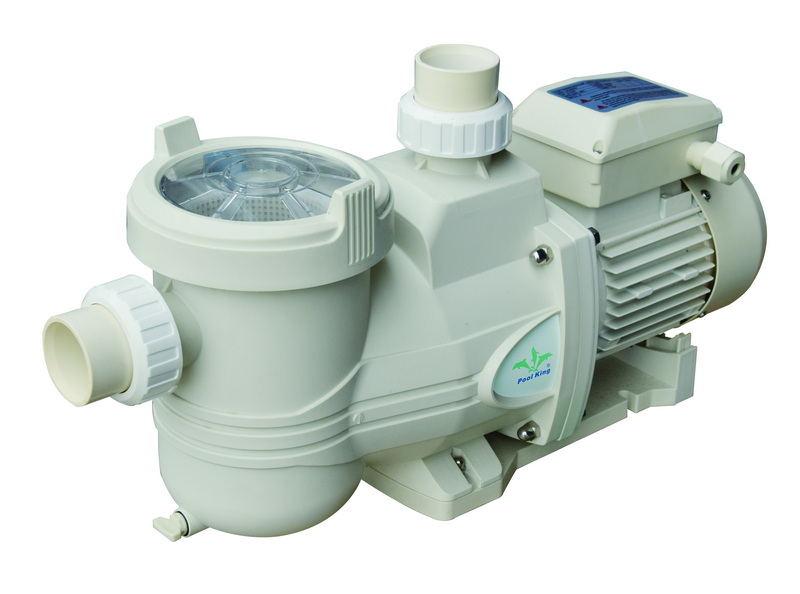
- Pumps are water-resistant, not waterproof: Submersion can cause irreparable damage.
- Check drainage around your pump pad to ensure water flows away from equipment.
- After heavy rain, inspect for standing water before restarting the pump.
- Flooding can cause suction loss: If the water level rises above the skimmer, the pump can lose prime, leading to overheating and damage.
- Do not turn on a wet or submerged pump.
- Allow equipment to dry thoroughly.
- Consult a professional if you suspect water damage.
- Check electrical components for corrosion or damage before restarting.
- Consider replacing damaged seals and gaskets to prevent future leaks.
- Clean skimmer and pump baskets to ensure free water flow.
- Check chemical levels and balance as needed.
- Cover your pool if possible to reduce debris.
- Inspect pump and filter for any signs of wear or leaks.
- Secure loose items around the pool area to prevent them from blowing into the water.
- Keep the pump running during light or moderate rain.
- Monitor for flooding and shut off the pump if water levels rise near equipment.
- Stay indoors during lightning; do not adjust pool equipment.
- Avoid opening electrical panels or handling wiring during wet conditions.
- Clear debris from the pool surface and baskets.
- Test and rebalance chemicals to restore water quality.
- Run the pump and filter for several hours to clean the water.
- Inspect equipment for any signs of water intrusion or damage.
- Backwash the filter if necessary to remove trapped contaminants.
- Check water level and adjust if it rose significantly.
- Shock the pool if heavy rain introduced a large amount of organic material.
Rainwater can significantly alter the chemical balance of your pool. Because it is often slightly acidic, it can lower the pH and alkalinity, which affects chlorine efficiency and can lead to corrosion of metal parts or etching of pool surfaces. Regular testing after rain events is essential.
Heavy rain can cause your pool to overflow, leading to water loss and potential damage to landscaping or pool decking. Installing an automatic water leveler or drain can help manage excess water.
A pool cover can be a valuable tool to reduce debris and chemical dilution during rain. However, it requires maintenance to remove standing water and debris accumulation on top of the cover to prevent damage.
Running your pump continuously during long rainy periods can increase energy costs. Consider using a variable-speed pump or timer to optimize run times without compromising water quality.
In regions prone to hurricanes or severe storms, additional precautions such as securing pool furniture, draining excess water, and protecting electrical equipment are necessary to minimize damage.
Operating your pool pump during rain is usually safe and even recommended, as it helps maintain water clarity and chemical balance. The main exceptions are during electrical storms and flooding, when safety should take priority. By following best practices and staying vigilant, you can protect your pool, equipment, and loved ones—rain or shine.
Remember to test and rebalance your pool water after every significant rain event, inspect your equipment regularly, and take necessary safety precautions during storms. With proper care, your pool will remain a refreshing oasis regardless of the weather.

Yes, in most cases, it is safe and beneficial to run your pool pump during light or moderate rain. This helps filter out debris and maintain chemical balance. However, turn off the pump during electrical storms or if there's a risk of flooding.
Immediately turn off and unplug the pump. Do not operate it until the area is dry and the equipment has been inspected for damage. Consider improving drainage or elevating your pump to prevent future issues.
Yes, rainwater dilutes chlorine and can lower the pool's pH, making it more susceptible to algae and bacteria. Test and rebalance your pool water after every significant rain event.
Using a pool cover can help keep out debris and minimize chemical dilution. However, you'll still need to clean the cover and test your pool water after the rain.
Run your pump for at least 8–12 hours after heavy rain to ensure thorough filtration and chemical distribution. Adjust as needed based on pool size and contamination level.


