
Views: 222 Author: Tina Publish Time: 2025-10-15 Origin: Site


Content Menu
● Why Winterize Your Pool Pump?
● Preparing Your Pool for Winter
● Backwash and Rinse Your Sand Filter
● Disconnect and Drain Your Pump
● Winterize Plumbing and Return Lines
● Use Air Pillows and Pool Covers
● Additional Winter Pool Accessories Care
● Store Equipment Safely Indoors
● Frequently Asked Questions (FAQs)
>> 1. When should I start winterizing my above ground pool pump?
>> 2. Can I leave the pool pump outside during winter?
>> 3. What happens if water is left inside the pump during winter?
>> 4. Should I remove the sand from my sand filter for winterization?
>> 5. Is pool antifreeze the same as automotive antifreeze?
Winterizing your above ground pool pump is essential to protect your equipment from damage caused by freezing temperatures during the winter season. Proper winterization not only extends the lifespan of your pool pump and filter system but also makes reopening the pool in the spring hassle-free. This comprehensive guide covers all you need to know, from preparing your pool and equipment, draining and disconnecting your pump, to storing your gear safely. Along the way, practical visual content such as videos and pictures are recommended to illustrate key steps.
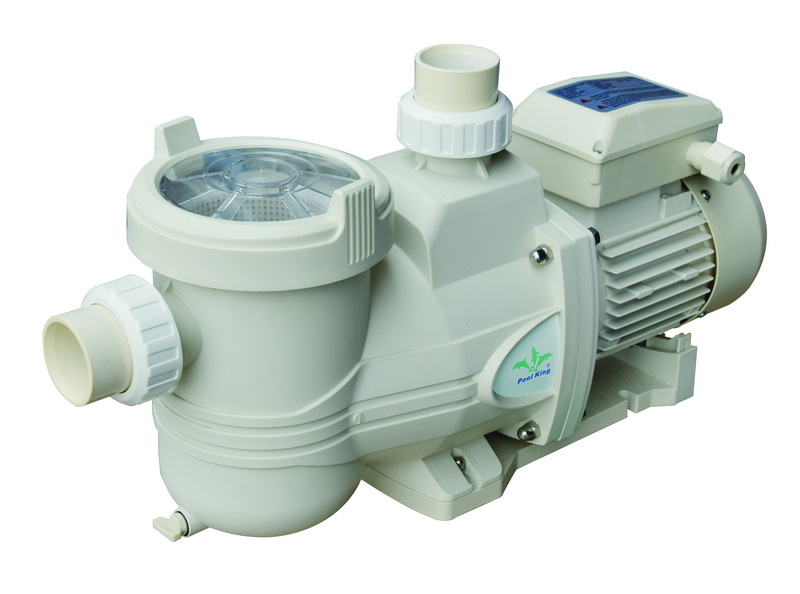
When water is left inside your pool pump, filter, and plumbing lines during cold months, it can freeze, expand, and crack components, leading to costly repairs or replacements. Winterizing ensures your pump housing, filter tanks, and pipes remain intact. Additionally, proper winter care keeps your pool water balanced and prevents algae or stain buildup during the off-season. Investing time in winterization helps preserve your pool equipment and saves money over the long term.
1. Clean the Pool Thoroughly
Remove leaves, dirt, and debris using a pool net, brush, and vacuum. Make sure to clean the skimmer basket and pump strainer basket as well. Removing organic matter prevents algae growth and staining during winter.[3][4][6]
2. Balance Pool Chemistry
Test and adjust water chemistry before closing. Ensure pH is between 7.2 - 7.6, alkalinity 80-120 ppm, and chlorine levels are appropriate. Balanced water helps avoid corrosion, scaling, and bacteria growth.[6][3]
3. Remove Pool Accessories
Take out ladders, skimmer baskets, toys, lighting, and other accessories. Clean and store these indoors to protect them from freeze damage.[3][6]
Properly cleaning your sand filter before winter is critical for its maintenance.
- Set the multiport valve to "Backwash" and run the pump until the discharge water is clear (about 2-3 minutes).
- Turn off the pump, set the valve to "Rinse," and run for 30 seconds.
- Turn off the pump again.
This process removes trapped impurities and preps your filter for winter.[9][10]
- Move the multiport valve to the "Winterize" position to drain water from the valve.
- Remove the drain plug at the bottom of the sand filter tank to drain residual water.
- Remove the sight glass and bleeder valve to avoid trapped water freezing.
- Keep the sand in the filter; it typically lasts 4-5 years without replacement.
- Turn off power to the pump.
- Remove all hoses connected to the pump and filter.
- Remove the drain plugs or caps from the pump to drain water.
- Clean and dry the pump basket and lid.
- Store pump and hoses indoors in a dry, frost-free location to prevent freeze damage.[11][6][3]
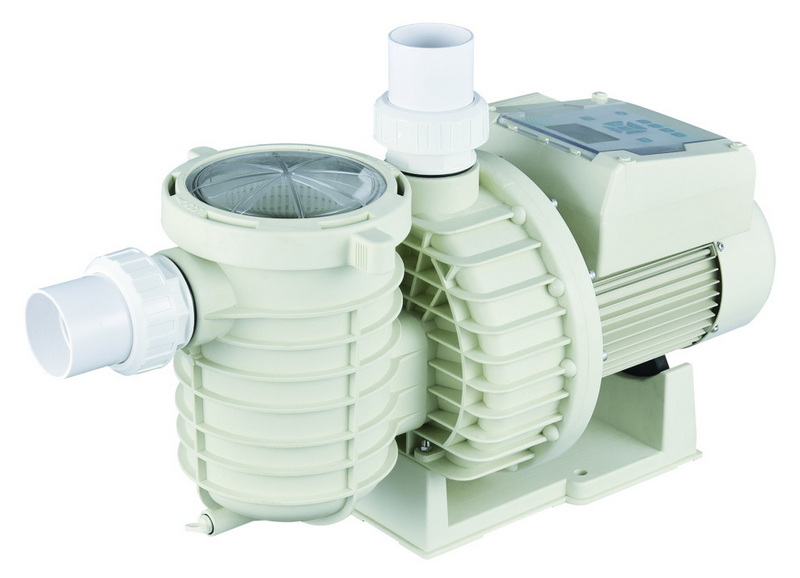
- Blow out suction and return lines using a shop vac or air blower.
- Insert winterizing plugs (gizmos) into skimmer and return lines to prevent water ingress.
- Add non-toxic pool antifreeze into the plumbing lines for added freeze protection if desired.[2][3]
- Inflate an air pillow to about 60-70% capacity and place it in the center of the pool to absorb ice pressure against pool walls.
- Cover the pool with a high-quality winter cover, securing it tightly using cables, winches, or weighted straps.
- Adding 1-2 inches of water atop the cover can help weigh it down and reduce wind damage.[2][6][3]
- Remove and store return jets, eyeballs, or pool lighting fixtures.
- Seal all openings with appropriate plugs to avoid water infiltration.
- Periodically check pool cover condition during winter to remove excess water or debris buildup.[6][2]
- Store the pump, filter accessories, hoses, plugs, and small parts in a dry, frost-free environment like a garage or basement.
- Coil cords and hoses loosely to avoid damages.
- Label and keep all small parts together for easy spring reopening.[2][6]
Winterizing your above ground pool pump and filtration system is a crucial maintenance step that protects your equipment from freeze damage and costly repairs. By thoroughly cleaning your pool, balancing water chemistry, backwashing and draining your sand filter, disconnecting and draining your pump, protecting plumbing lines, and securely covering your pool, you ensure your pool is ready to withstand winter weather. Safely storing your pump and accessories indoors further prolongs the lifespan of your equipment. Following these detailed steps and utilizing recommended visual guides will help make your winterization process effective and your pool reopening smooth and hassle-free.
Begin winterizing when nightly temperatures consistently drop below 50-65°F (10-18°C) and swimming season has ended.[6]
It is best to store the pump indoors in a dry, frost-free place. If left outside, ensure it is completely drained and well-covered to prevent freeze damage.[6]
Water inside the pump housing can freeze, expand, and crack the pump casing or damage internal parts, leading to expensive repairs or replacement.[6]
No, there is no need to remove the sand; it generally lasts 4-5 years and performs better when left inside the filter.[9]
No, only use pool-grade, non-toxic antifreeze designed specifically for pool plumbing to avoid damaging your equipment.[6]
[1](https://www.risingsunpools.com/wp-content/uploads/2022/03/Winterizing-Guide-Aboveground-Pools.pdf)
[2](https://www.poolweb.com/blogs/expert-advice/winterizing-pools-a-step-by-step-guide-to-winterizing-you-pool)
[3](https://www.youtube.com/watch?v=mc5GLp-lJy8)
[4](https://www.thepoolfactory.com/blogs/pool-care/preparing-your-pool-for-winter-the-ultimate-guide)
[5](https://ndpremiumdesign.com/en/blogs/infos/preparation-de-votre-piscine-hors-terre-pour-lhiver-guide-complet)
[6](https://www.poolkingfilter.com/how-to-winterize-above-ground-pool-pump.html)
[7](https://homewarranty.firstam.com/blog/how-to-winterize-your-pool)
[8](https://www.poolsuppliescanada.ca/closing-your-above-ground-pool-guide.html)
[9](https://www.youtube.com/watch?v=hUu35AiWl10)
[10](https://www.thepoolfactory.com/blogs/pool-care/sand-filter-system-how-to-winterize-for-pool-closing)
[11](https://greatbackyard.com/blogs/news/10-steps-to-winterizing-your-above-ground-pool)


