
Views: 222 Author: Tina Publish Time: 2025-07-12 Origin: Site


Content Menu
● What Is Teflon Tape and Why Use It?
● Understanding Pool Fittings and Thread Types
>> Thread Types
● Step-by-Step Guide: Applying Teflon Tape to Pool Fittings
>> 2. Choose the Right Teflon Tape
>> 3. Identify the Thread Direction
● Common Mistakes and How to Avoid Them
● Maintenance Tips for Leak-Free Pool Fittings
● Advanced Tips for Pool Plumbing
● Safety Considerations and Best Practices
>> Environmental Considerations
>> 1. What is the purpose of Teflon tape in pool plumbing?
>> 2. How many wraps of Teflon tape should I use on pool fittings?
>> 3. Can I use Teflon tape on all pool fittings?
>> 4. How do I know if I've overtightened a pool fitting?
>> 5. What should I do if my pool fitting still leaks after using Teflon tape?
Teflon tape, also known as plumber's tape or PTFE tape, is an essential tool for anyone involved in pool maintenance or plumbing. Its primary purpose is to create a watertight seal on threaded connections, preventing leaks and ensuring your pool system operates efficiently. Whether you're a pool owner, a DIY enthusiast, or a professional installer, mastering the use of Teflon tape on pool fittings is crucial for leak-free, long-lasting plumbing.
This comprehensive guide covers everything you need to know about using Teflon tape on pool fittings. You'll learn about the materials required, the different types of pool fittings and threads, step-by-step application techniques, troubleshooting tips, and advanced advice for maintaining your pool plumbing. The article is structured for easy navigation, with clear headings and practical tips throughout.

Teflon tape is a thin, white tape made from polytetrafluoroethylene (PTFE). It is designed to be wrapped around the threads of pipes and fittings to fill gaps, lubricate connections, and create a watertight seal. In pool plumbing, Teflon tape is used on threaded connections such as PVC male adapters, drain plugs, pressure gauges, and valves.
- Prevents leaks at threaded joints by filling gaps.
- Eases assembly and disassembly of fittings by lubricating threads.
- Protects threads from corrosion and seizing.
- Resists pool chemicals and temperature variations, ensuring durability.
Before starting, gather the following items:
- Teflon tape (PTFE tape, typically white for water lines)
- Clean, dry cloth or rag
- Adjustable wrench or channel locks (for tightening)
- Pool fitting(s) with threaded connections
- Optional: silicone sealant (for extra leak protection)
- PVC Male/Female Adapters: Used to connect pipes in pool systems.
- Drain Plugs: Found on filters and pumps.
- Pressure Gauges: Require a leak-free seal to function properly.
- Valves and Unions: Often have threaded ends that need sealing.
- NPT (National Pipe Thread): Tapered threads, most common in pool plumbing.
- Straight Threads: Less common, may require different sealing methods.
> Always apply Teflon tape to the male (external) threads, not the female (internal) threads, to avoid tape entering the system.
- Clean the male threads with a dry cloth to remove dirt, debris, or old tape.
- Ensure the threads are dry for optimal adhesion.
- Use standard white PTFE tape for water lines.
- For high-pressure or chemical lines, consider thicker or specialty tapes.
- Most pool fittings use right-handed threads (tighten clockwise).
- Always wrap tape in the same direction the fitting will be tightened.
- Hold the fitting in one hand and the tape in the other.
- Start at the end of the threads (but not overhanging the edge).
- Wrap the tape around the threads in a clockwise direction.
- Overlap each layer by about half the tape's width.
- Apply 3–6 wraps, depending on tape thickness and thread depth.
- Keep the tape taut so it molds into the threads without bunching.
- Tear the tape cleanly and press it into the threads.
- The threads should still be visible but well covered.
- Avoid excess tape, which can cause difficulty in tightening or block the pipe.
- Screw the male fitting into the female fitting by hand.
- Tighten further with a wrench or channel locks, but do not overtighten (hand tight plus 1–2 turns).
- Check for leaks after assembly by running water through the system.

- Wrapping in the Wrong Direction: Always wrap in the direction the fitting tightens (usually clockwise).
- Using Too Much Tape: Excess tape can prevent proper tightening or block the pipe.
- Covering the End of the Threads: This can allow tape to enter the pool system and cause blockages.
- Not Cleaning Threads: Dirt or old tape prevents proper sealing.
- Overtightening Fittings: Can crack PVC fittings or strip threads.
- Regular Inspection: Check all threaded connections for leaks or drips.
- Replace Tape as Needed: If you see leaks, remove the fitting, clean the threads, and reapply fresh tape.
- Avoid Pipe Dope on Plastic: Many pipe dopes are acidic and can weaken plastic fittings. Stick to Teflon tape and, if needed, silicone sealant.
- Hand-Tighten, Then Wrench: Tighten by hand, then use a wrench for 1–2 extra turns. Do not overtighten.
- Use the Right Fittings: Use deep socket pressure fittings for pool plumbing.
- Plan Your Plumbing Layout: Minimize sharp turns and unnecessary fittings to reduce resistance.
- Support Pipes: Secure above-ground pipes to prevent movement and leaks.
- Pressure-Test Your System: After assembly, pressure-test all plumbing for leaks before backfilling or finishing installation.
- Maintain Water Chemistry: Balanced water chemistry prevents corrosion and extends the life of your fittings.
- Store Teflon tape in a cool, dry place to preserve its integrity.
- Keep tape away from direct sunlight and chemicals that could degrade PTFE.
- Dispose of used Teflon tape properly, as it is not biodegradable.
- Avoid flushing tape fragments into the pool or plumbing system.
- Ensure the tape you use is rated for potable water if your pool system connects to drinking water lines.
- For systems exposed to extreme temperatures or aggressive chemicals, use specialty PTFE tapes designed for those conditions.
- For very large-diameter fittings, consider using both Teflon tape and a compatible thread sealant for extra protection.
- When working with metal threads, use yellow or pink PTFE tape, which is thicker and better suited for heavy-duty applications.
- Always check manufacturer recommendations for both fittings and tape to ensure compatibility.
Using Teflon tape on pool fittings is a simple yet crucial skill for pool owners and professionals. Proper application ensures leak-free, durable connections that withstand the rigors of pool chemicals and water pressure. By following the step-by-step process outlined in this guide, you can confidently tackle pool plumbing projects, avoid common pitfalls, and maintain a pristine pool system. Regular inspection and maintenance will keep your fittings leak-free for years to come.
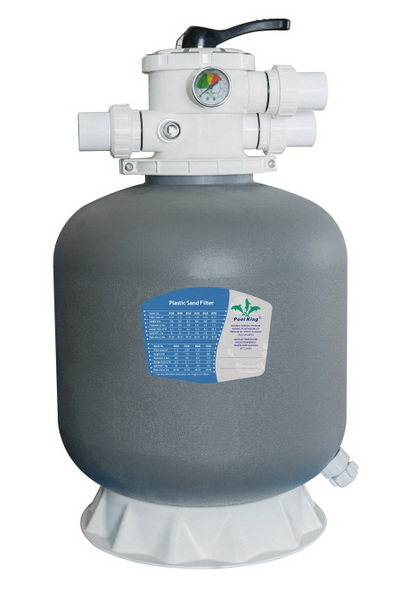
Teflon tape fills gaps in threaded connections, creating a watertight seal and preventing leaks. It also lubricates the threads, making fittings easier to assemble and disassemble.
Generally, 3–6 wraps are sufficient. For standard PTFE tape, 4–6 wraps ensure a good seal without making the fitting difficult to tighten.
Teflon tape is suitable for all threaded (male) connections in pool plumbing, including PVC, metal, and composite fittings. Do not use it on compression or slip fittings.
If the fitting becomes very hard to turn, or if you hear cracking, you may have overtightened. For PVC, tighten by hand and then add 1–2 turns with a wrench.
Disassemble the fitting, clean both sets of threads, and reapply new tape. If leaks persist, check for damaged threads or cracks in the fitting.


