


Content Menu
● How a Pool Pump Works and Why It Clogs
● Safety First Before Touching the Pool Pump
● Tools and Materials You May Need
● Step 1: Check and Clean Skimmer Baskets
● Step 2: Open and Clean the Pool Pump Basket
● Step 3: Inspect and Clear the Pool Pump Impeller
● Step 4: Check Suction Lines Feeding the Pool Pump
● Step 5: Inspect for Air Leaks on the Suction Side
● Step 6: Reassemble and Prime the Pool Pump
● Step 7: Coordinate With Filter Maintenance
● Preventive Maintenance Tips to Avoid Future Pool Pump Clogs
● When to Call a Professional Instead of DIY
● OEM and Brand Positioning for Pool Pumps and Filtration
● FAQ About Unclogging a Pool Pump
>> (1) How do I know if my Pool pump is clogged?
>> (2) Can running a clogged Pool pump damage the motor?
>> (3) How often should I check for Pool pump clogs?
>> (4) Do I need special tools to unclog a Pool pump impeller?
>> (5) When is replacing the Pool pump better than repairing it?
As a professional OEM factory in China manufacturing premium sand filters, DE filters, cartridge filters, Pool pump units, LED lights, and accessories, this guide is written so that overseas brands, wholesalers, and pool professionals can easily adapt it for their own customers.
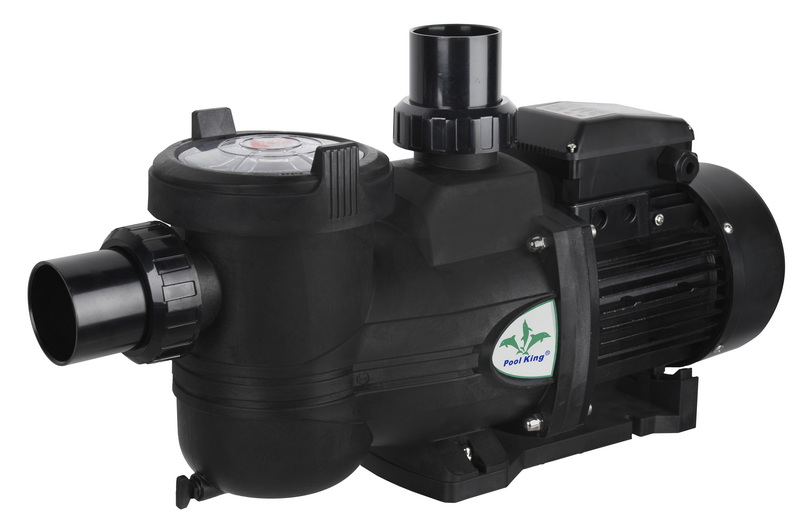
A Pool pump pulls water from the skimmer and main drain, pushes it through the filter, and returns it to the pool, so any blockage in this path quickly shows up as weak flow or noisy operation. When leaves, hair, sand, toys, or scale collect in the pump basket, impeller, or suction lines, the Pool pump struggles, overheats, and may fail prematurely.
Clogs usually build up gradually, starting with skimmer baskets, then the Pool pump basket, and finally the impeller or suction lines. Understanding this path makes it easier to explain to customers why basic Pool pump maintenance is essential, not optional.
Before touching any Pool pump or plumbing, always shut off power at the electrical breaker, not just at the timer or controller. This prevents accidental start‑up while the Pool pump lid is off or while hands are inside the system.
Next, close any suction and return valves so water does not rush unexpectedly when you open the Pool pump housing. If a filter is present, open the air relief valve on top of the tank and wait until the pressure gauge drops to zero before working on the Pool pump or filter.
Having the right tools ready makes unclogging a Pool pump much smoother:
- Flat‑head and Phillips screwdrivers for pump lid clamps, motor covers, and unions
- Adjustable wrench or socket set for unions and mounting bolts on the Pool pump housing
- Soft brush or old toothbrush for cleaning the Pool pump impeller openings and basket
- Wet/dry vacuum or a garden hose with a drain‑flusher for clearing suction lines
- Silicone‑based lubricant for the Pool pump lid O‑ring to prevent future air leaks
- Protective gloves and safety glasses when handling dirty water or sharp debris
OEM partners can recommend tool kits and branded spare parts (baskets, lids, O‑rings, impellers) specifically matched to each Pool pump model. This not only helps end‑users but also supports after‑sales revenue for distributors and dealers.
The first place to look when a Pool pump is weak is the skimmer basket. If the skimmer basket is packed with leaves and debris, the Pool pump can starve for water even if the pump itself is fine.
1. Make sure power to the Pool pump is off at the breaker.
2. Open the skimmer lid and carefully lift out the skimmer basket.
3. Dump debris into a trash bag away from the pool so it cannot blow back into the water.
4. Rinse the basket with a hose and reinstall it firmly so it does not float or tilt.
If skimmer baskets are clean but you still have poor flow, the next step is to inspect the Pool pump basket. This basket catches debris before it reaches the impeller.
1. Confirm the Pool pump is off and the filter pressure is at zero.
2. Release the pump lid clamp, knobs, or bolts according to the model design.
3. Gently lift off the Pool pump lid, taking care not to damage the O‑ring.
4. Remove the pump basket and empty all leaves, insects, hair, and small stones.
5. Rinse the basket thoroughly and inspect for cracks or broken mesh. Replace if damaged.
6. Reach into the space below the basket and feel for any loose debris that could move into the impeller opening.
If baskets are clean but the Pool pump still has weak flow, low filter pressure, or difficulty priming, the impeller may be clogged. The impeller is the rotating component inside the Pool pump that actually moves water, and even a small amount of debris can reduce its performance.
Basic inspection method (without full disassembly):
1. With the pump basket removed, shine a flashlight into the opening leading toward the motor.
2. Look for visible debris such as seeds, pine needles, or hair wrapped around the impeller vanes.
3. Use a plastic zip tie, small wooden stick, or soft brush to gently loosen debris in the impeller openings.
4. Avoid metal tools that can scratch or chip the impeller.
5. Rotate the motor shaft slightly by hand (according to the manufacturer's instructions) to confirm the impeller spins smoothly.
For heavy clogs, the wet end of the Pool pump may need to be separated from the motor so the impeller can be removed and cleaned on a bench. This is a more advanced operation and typically involves:
- Disconnecting power and labeling wires
- Removing pump housing bolts from the motor flange
- Separating the housing to expose the impeller and diffuser
- Unscrewing the impeller from the motor shaft
- Cleaning and reassembling with correct seals and gaskets
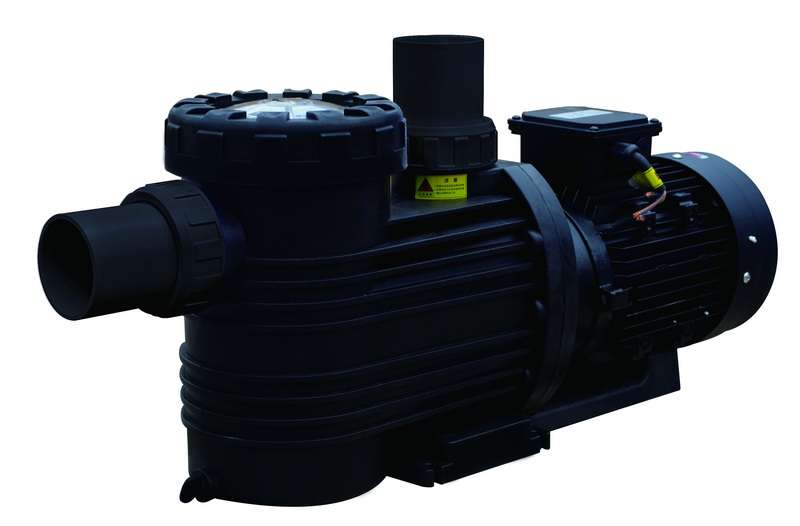
Sometimes the problem is not inside the Pool pump at all but in the suction lines leading to it. Heavily clogged vacuum hoses, blocked skimmer lines, or partially collapsed underground pipes can all limit flow.
Useful diagnostic steps:
- Use valve positions to test each suction source. Close the main drain and run the Pool pump on skimmer only; then do the opposite. If performance is much better on one line, the other line may be restricted.
- Disconnect and inspect suction cleaner hoses for blockages such as toys, rocks, or large leaves.
- If a skimmer line seems blocked, you can try a drain‑flusher attached to a garden hose from the equipment side or skimmer side to push the clog out.
- For persistent line clogs, consider using a wet/dry vacuum to pull debris from the line while the Pool pump is off.
This section works very well with a simple plumbing diagram showing water moving from skimmer and main drain to the Pool pump, then on to the filter and back to the pool. An animated line flow graphic makes it easy for beginners to follow.
Not all Pool pump problems are caused by physical debris. Air leaks on the suction side can mimic the symptoms of a clogged Pool pump because air reduces the pump's ability to draw water.
Common suction‑side leak points:
- Cracked or dried‑out Pool pump lid O‑rings
- Loose pump lid clamps or knobs
- Loose unions on the suction side of the Pool pump
- Tiny cracks in suction pipes or fittings above water level
- Poorly sealed threaded fittings into the front of the Pool pump
Once baskets, impeller, suction lines, and seals have been checked or cleaned, it is time to reassemble and prime the Pool pump so it can run normally again.
1. Place the cleaned pump basket back into the Pool pump housing in the correct orientation.
2. Inspect the lid O‑ring, wipe off any dirt, and apply a thin layer of silicone lubricant.
3. Carefully seat the lid on the Pool pump and secure the clamp or knobs evenly, without over‑tightening.
4. Open all suction and return valves to restore normal water pathways.
5. If the Pool pump is above water level, fill the pump basket area with water from a hose before closing the lid.
6. Restore power at the breaker and start the Pool pump.
Watch the Pool pump for several minutes: the basket should fill with water, large air pockets should disappear, and the filter pressure should rise to its typical operating range. If the Pool pump loses prime or runs mostly full of air, turn it off and repeat the priming process, and re‑check for suction‑side leaks or remaining clogs.
Unclogging a Pool pump is most effective when the filter is clean and working properly. Even with a perfect Pool pump, a heavily clogged filter will cause poor circulation.
- Sand filters: Backwash the filter until the backwash water runs clear, then rinse and return to filter mode.
- Cartridge filters: Remove cartridges, hose them off thoroughly from top to bottom, and replace if the pleats are damaged or excessively stained.
- DE filters: Backwash and then recharge with the correct amount of DE powder after re‑establishing full flow.
Educating customers that a Pool pump and filter work as a single circulation system helps OEM brands position complete equipment sets. When a new Pool pump is installed, recommending the correct filter size and type at the same time improves performance and satisfaction.
Preventing clogs is easier than dealing with an emergency shutdown. With a few simple habits, Pool pump problems become rare:
- Empty skimmer and Pool pump baskets before they are more than two‑thirds full, especially in heavy leaf season.
- Use leaf canisters on suction cleaners to trap large debris before it reaches the Pool pump.
- Install or use a pool cover during storms or long periods without use to keep debris out of the water.
- Skim the water surface regularly and vacuum the floor to reduce the amount of debris reaching the Pool pump and filter.
- Keep trees and shrubs near the pool trimmed, reducing leaves and seeds that can reach the Pool pump.
- Maintain water chemistry properly so scale and organic film do not build up inside the Pool pump and piping.
For OEM and brand partners, these tips can be presented as a seasonal checklist that dealers share with end‑users. This encourages regular contact and keeps customers thinking about upgrades, replacement parts, and higher‑efficiency Pool pump models.
While many Pool pump clogs can be cleared at home, some situations call for a professional technician:
- The Pool pump trips breakers, hums without starting, or overheats even after cleaning.
- Underground suction lines seem blocked and DIY flushing does not restore flow.
- The Pool pump housing, unions, or pipes are cracked, leaking heavily, or show signs of severe corrosion.
- Electrical wiring looks damaged, spliced, or unsafe.
In these cases, replacing or professionally repairing the Pool pump is safer and may be more economical than repeated DIY attempts. This is also an opportunity to upgrade to an energy‑efficient variable‑speed Pool pump that meets modern standards and saves on electricity costs.
Because the Pool pump is at the centre of every circulation system, it is a key product for OEM factories and international brands. By combining:
- High‑efficiency Pool pump designs with large, easy‑to‑clean baskets
- Well‑matched sand, DE, or cartridge filters
brands can deliver complete solutions instead of just single pieces of hardware. This reduces warranty issues, builds trust with installers, and gives homeowners more confidence in professional‑grade Pool pump equipment.
For distributors, this article can be embedded in product pages, support sections, and email campaigns, helping customers solve real problems while subtly promoting the reliability and performance of your Pool pump and filter lines.
A clean, properly primed Pool pump is the heart of any reliable pool circulation system, and unclogging it is usually a straightforward process when you follow a clear, safe sequence. By checking skimmer and pump baskets, clearing the Pool pump impeller, inspecting suction lines and air leaks, and coordinating with filter maintenance, most homeowners and professionals can restore strong water flow without replacing equipment.
For OEM partners, combining robust Pool pump designs with clear visual guides and preventive maintenance tips reduces service calls, improves water clarity, and strengthens brand reputation in competitive global markets. Offering complete Pool pump and filter packages, supported by practical step‑by‑step content like this guide, helps your customers keep pools cleaner, safer, and more enjoyable all season long.
Contact us to get more information!
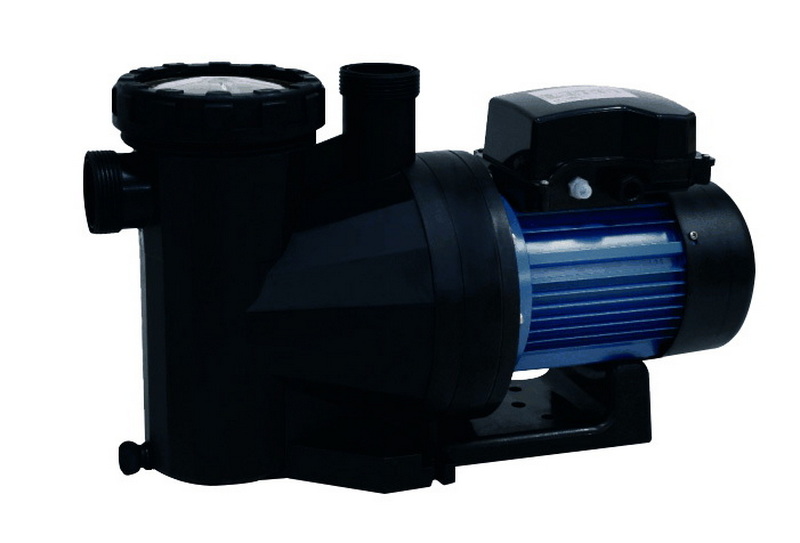
Typical signs of a clogged Pool pump include weak return‑jet flow, low or fluctuating filter pressure, a pump basket that never fills completely with water, and loud rattling or cavitation noises from the pump area. If the skimmer and pump baskets are clean but these symptoms remain, the impeller or suction line may be partially blocked.
Yes. When a Pool pump is clogged, water flow drops and the motor may run hotter than normal because it is working harder with less cooling. Over time this can damage bearings, seals, and windings, shortening the life of the Pool pump and increasing the risk of leaks or complete failure.
During heavy leaf or pollen seasons, it is wise to check skimmer and Pool pump baskets several times per week, or even daily for small or heavily used pools. In quieter seasons, a weekly inspection combined with monitoring filter pressure is usually enough to catch most Pool pump clogs early before they become serious.
Most light clogs in a Pool pump impeller can be cleared with basic tools like a flashlight, a soft brush, and a plastic zip tie or wooden stick. More stubborn clogs that require disassembling the wet end from the motor may need a screwdriver set and wrenches, and these jobs are best attempted by confident DIYers or professional technicians familiar with Pool pump construction.
If a Pool pump has repeated clogs, frequent overheating, loud grinding or squealing noises, visible cracks in the housing, or serious electrical problems, replacing the entire unit is often more cost‑effective than continued repairs. Upgrading to a modern, energy‑efficient Pool pump that is correctly sized for the pool and filter can greatly improve performance, reduce power bills, and minimise future clogging issues.
1. https://intheswim.com/blog/clogged-pool-pump-impeller.html
2. https://poolpartstogo.com/blogs/articles/debris-clogging-your-pool-here-s-how-to-fix-it
3. https://www.mavaquadoc.com/blogs/pool-maintenance-blog/how-do-i-prevent-debris-from-clogging-my-pool-pump
4. https://beatbot.com/blogs/robotic-pool-cleaner/how-to-clean-a-pool-pump-impeller
5. https://www.youtube.com/watch?v=GD2WDU_VJo0
6. https://www.youtube.com/watch?v=vsqdOuQQZs8
7. https://www.youtube.com/watch?v=6nT8JQ3U51A
8. https://www.youtube.com/watch?v=aFcNIoQDf4s


