
Views: 222 Author: Tina Publish Time: 2025-08-15 Origin: Site


Content Menu
● Why Would You Need to Run a Pool Pump Without Filtering?
● Understanding Pool Filtration Systems
● Methods to Run a Pool Pump Without Filtering
>> Method 1: Using the Recirculate Setting on Multiport Valves
>> Method 2: Temporarily Removing Cartridge Filters
>> Method 3: Using the Waste/Drain Setting for Heavy Debris Removal
>> Method 4: Adjusting Return Valves or Bypass Valves
>> Additional Method: Using a Separate Circulation Pump
● Important Considerations When Running Without Filtering
>> 2. Mechanical Damage and Wear Risk
>> 3. Increased Chemical Demand
>> 5. Energy Efficiency and Equipment Stress
● Best Practices for Running Pool Pumps Without Filtering
● Maintaining Your Pool Filter for Optimal Efficiency
● Frequently Asked Questions (FAQ)
>> Q1: Can I run my pool pump without a filter cartridge?
>> Q2: What does the recirculate setting on a multiport valve do?
>> Q3: Is vacuuming without the filter on safe?
>> Q4: How long can I run the pump without filtering?
>> Q5: Why might my pool pump lose prime, and how does running without filtering help?
Maintaining a swimming pool requires careful attention to water circulation, filtration, and regular cleaning. The pool pump and filter form the heart of the pool's circulation system, working together to ensure that water is cleaned and debris-free. Yet, there are crucial occasions when it is necessary to run the pool pump without the filtering process engaged.
This article explores in detail how to safely run your pool pump without filtering, the different techniques available, their appropriate applications, potential risks, and best maintenance practices for pool filtration systems. By the end, you will have a comprehensive understanding of when and how to bypass filtering without damaging your pool system or compromising water quality.
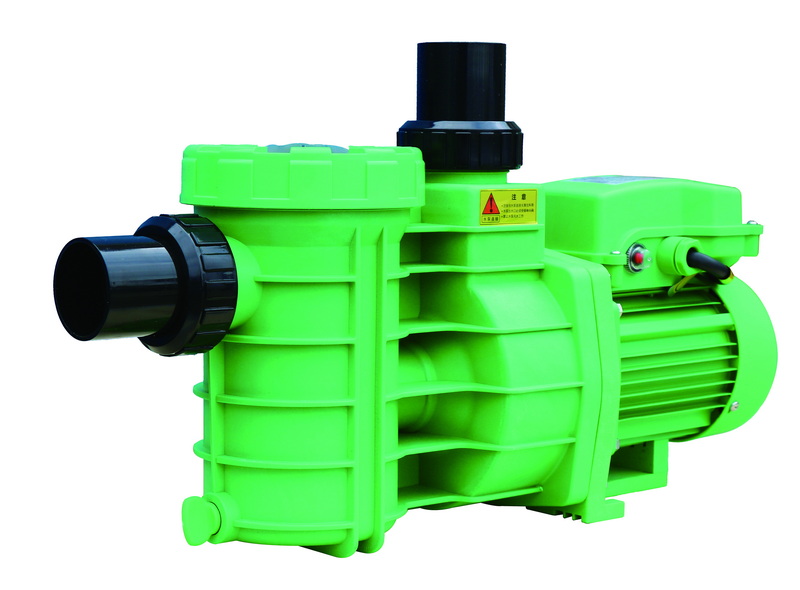
Understanding the purpose behind running the pump without filtering helps you select the correct procedure and timeframe:
- Chemical Distribution: Certain pool treatments such as chlorine, algaecides, and shock chemicals need rapid and even circulation. Running the pump without the filter allows chemicals to move freely without immediate clogging of the filter media.
- Troubleshooting and Maintenance: When facing filter blockages, leaks, or while servicing equipment, temporarily bypassing the filter maintains water movement and pump operation without strain on the filtration components.
- Vacuuming to Waste: Pools suffering from heavy debris loads, algae blooms, or sediment buildup require vacuuming that directs dirty water straight out, bypassing the filter to avoid clogging and preserve filter efficiency.
- Winterization or Draining: When preparing the pool for off-season storage or draining for repairs, circulation without filtration speeds water evacuation and reduces pressure on filtration parts.
- Priming the Pump: After maintenance shutdowns or power outages, running the pump bypassing the filter can help restore water flow before re-engaging filtration.
Before diving into methods of running the pump without filtering, it's important to understand the common types of pool filtration systems:
- Sand Filters: Water passes through a sand bed where particles are trapped.
- DE (Diatomaceous Earth) Filters: Use fine powder media that captures very small particulates.
- Cartridge Filters: Employ a replaceable cartridge element that physically traps debris.
Each filter type has specific mechanical parts like multiport valves or cartridges that determine how and whether the filtration can be bypassed safely.
Many sand and DE filter systems come equipped with a multiport valve, which regulates water flow through various pathways.
How it works:
- The “Recirculate” setting directs water through the pump and back into the pool without passing through filter media.
- This bypass mode speeds chemical circulation and avoids strain if the filter is dirty or clogged.
Steps:
1. Turn off the pump.
2. Rotate the multiport valve handle to the “Recirculate” position.
3. Turn the pump back on.
4. Monitor water flow to confirm proper circulation.
For pools with cartridge filters, the cartridge itself can be removed to allow unfiltered water flow.
Steps:
1. Turn off the pump and release any built-up pressure.
2. Open the filter housing carefully.
3. Take out the cartridge element.
4. Reassemble the housing securely to prevent leaks.
5. Restart the pump.
The multiport valve's “Waste” or “Drain” setting allows water to bypass both the filter and return line, sending dirty water directly out of the system.
Steps:
1. Turn off your pump.
2. Switch the multiport valve to “Waste.”
3. Turn the pump on.
4. Keep an eye on pool water levels to avoid excessive drainage.
Some pool systems incorporate adjustable return valves or bypass valves that can temporarily divert water away from filtration.
Steps:
1. Identify the return valves on your pool's plumbing.
2. Adjust the valves to partially or fully bypass the filter system.
3. Start the pump while observing water flow.
In advanced pool setups, a separate circulation pump can run independently from the filtration system. This allows water circulation for chemical distribution or heating without using the filter.
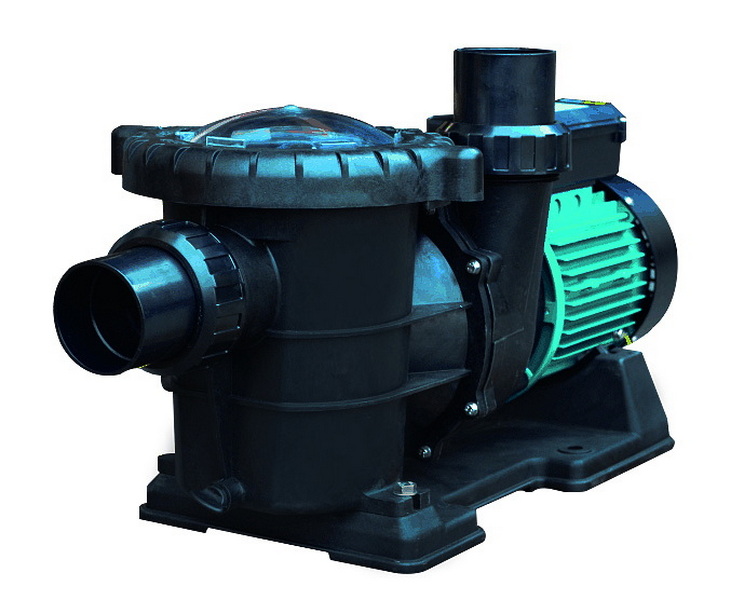
While these methods provide flexibility, running your pump without filtering introduces risks that pool owners must manage carefully.
Without filtration, suspended particles, algae, bacteria, and debris accumulate rapidly, leading to cloudy and unsafe water conditions. It is crucial to limit unfiltered operation time to protect swimmers and maintain clarity.
Pool pumps are designed with the assumption that water entering the impeller is free from abrasive debris. Without filtration, particulates can cause impeller damage, imbalance, or wear, potentially shortening pump lifespan.
Unfiltered water requires more aggressive chemical treatments to combat algae and bacteria, increasing chemical cost and complexity.
Bacterial contamination increases with stagnant, unfiltered water, creating potential health hazards like skin infections or respiratory issues.
Dirty or clogged filters create extra system resistance, increasing pump energy consumption. Ironically, running without filtering for prolonged periods can mean returning to a heavily contaminated pool requiring longer filtration cycles later, negating energy savings.
To minimize risks, pool operators should follow these guidelines:
- Limit Duration: Keep the pump running without filtration only as long as necessary.
- Monitor Water Levels: Especially when using waste modes to prevent pool drainage below safe operating limits.
- Ensure Proper Priming: Confirm water intake to prevent pump cavitation or overheating.
- Maintain Seals and Valve Integrity: Avoid leaks causing air intrusion or water loss.
- Resume Normal Filtration Quickly: After completing maintenance or chemical circulation, return multiport valves and filters to service immediately.
- Keep Spare Filter Elements: This enables quick replacement rather than prolonged unfiltered operation.
Proper pool filter maintenance reduces the need to bypass filtration:
- Regular Cleaning: Backwash sand and DE filters per manufacturer guidelines; rinse and clean cartridge filters frequently.
- Timely Media Replacement: Replace filter sand every 3-5 years and DE powder after each cleaning cycle.
- Inspect Components: Check O-rings, multiport valves, and housings for leaks or wear.
- Install Pre-Filters or Skimmers: Catch large debris before it reaches the filter.
- Use Pool Covers: Minimize debris entering the pool to ease filter workload.
Running a pool pump without filtering is sometimes necessary for chemical circulation, maintenance, or heavy debris removal. Understanding the proper methods—such as using the recirculate or waste valve settings, temporarily removing cartridges, or adjusting return valves—ensures smooth operation without damaging equipment or compromising safety. However, this practice should only be temporary due to risks of water quality degradation and pump wear. Regularly maintaining your filtration system is the best way to sustain a healthy, clear, and inviting pool while protecting your investment.
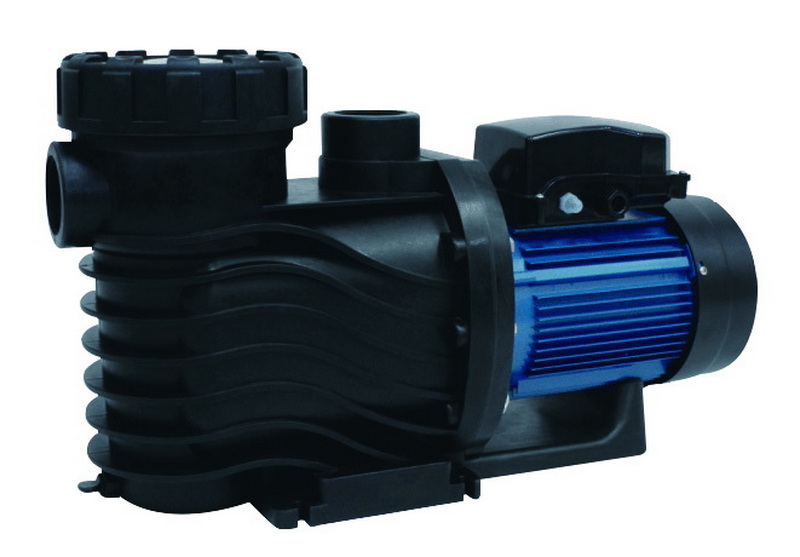
A1: It's possible but only temporarily. Prolonged operation without filtration risks debris damage and water contamination.
A2: It bypasses the filter media and sends water directly back to the pool, speeding chemical circulation and preventing strain on clogged filters.
A3: Yes, vacuuming to waste is a safe way to remove dirt without clogging your filter, but monitor water levels carefully.
A4: Only for short periods — typically minutes to a few hours, depending on the situation — to avoid water quality issues and pump damage.
A5: Air leaks or low water levels cause loss of prime. Running the pump on recirculate or with filter bypass can help restore flow while you fix the underlying issue.


