
Views: 222 Author: Tina Publish Time: 2025-11-25 Origin: Site


Content Menu
● When to replace sand in a swimming pool filter
● Step‑by‑step: how to replace sand in swimming pool filter
>> 1. Shut down and depressurize the system
>> 2. Remove the multiport valve or top cover
>> 3. Vacuum or scoop out the old sand
>> 4. Expose and inspect the laterals
>> 6. Reassemble and prepare for new sand
>> 7. Add new pool‑grade filter sand
>> 8. Reinstall the multiport valve and reconnect plumbing
>> 9. Backwash, rinse, then start filtering
● Tips to extend the life of your new sand
● When to call a professional instead
● FAQs about how to replace sand in swimming pool filter
>> 1. How often should I replace sand in a swimming pool filter?
>> 2. How do I know it is time to change the sand?
>> 3. Can I use any type of sand in my pool filter?
>> 4. How long does it take to replace sand in a swimming pool filter?
>> 5. Is it safe to reuse old filter sand after cleaning it?
>> 6. What are the risks of changing sand too often?
Replacing the sand in a swimming pool filter is a straightforward DIY job if you follow the correct steps, use genuine pool‑grade filter sand, and protect the internal laterals and standpipe from damage. Done properly, it restores water clarity, reduces the load on the pump, and keeps your pool safe and comfortable to swim in.[1][2][3][4]
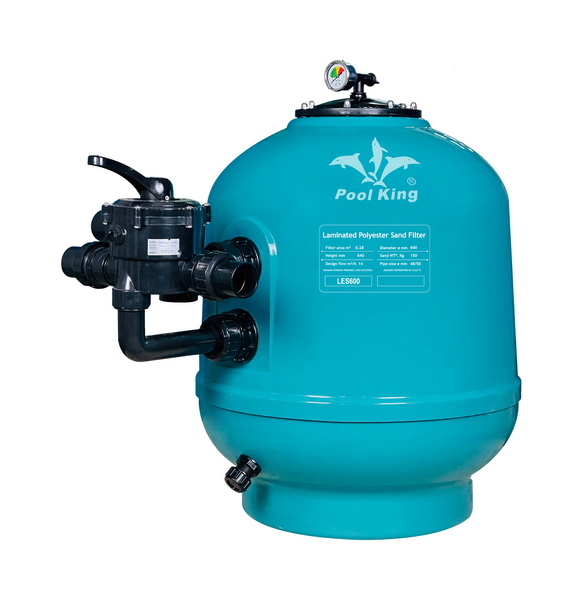
Pool‑grade filter sand traps dirt, dead algae, body oils, and other contaminants as water is pushed through the sand bed under pressure. Over several years the grains become rounded and clogged, so they can no longer catch debris effectively.[2][5][4]
- As sand wears out, you start to see cloudy water and need more chemicals to keep water clear.[4][6]
- A worn or clogged sand bed makes your pump work harder, increasing energy use and the risk of equipment damage.[7][4]
Most residential pools need the sand replaced roughly every 3–5 years, depending on bather load, debris, and how often the system runs. Some professional and heavily used commercial pools may need new sand as often as every 1–2 years.[8][5][9][2]
Common signs that it is time to replace sand in a swimming pool filter include:[3][4]
- Persistent cloudy or hazy water even though your chemicals test correctly
- Filter pressure that quickly rises after backwashing and returns to “high” again very fast
- Needing to backwash significantly more often than in the past
- Sand older than 3–5 seasons, even if problems are not yet obvious
Before starting, turn off power at the breaker and close valves to isolate the filter so you can work safely. Allow enough time; for a typical residential sand filter this project can take 2–4 hours depending on the size and accessibility.[10][11][6][1]
Basic tools and supplies:[1][3][4]
- Correct amount of pool‑grade filter sand (check the label or manual)
- Screwdriver or wrench for unions, clamps, and band rings
- Shop vacuum or small scoop and bucket to remove old sand
- Garden hose for rinsing the inside of the tank
- New O‑ring or gasket for the valve/tank joint (recommended)
- Teflon tape and silicone‑based lubricant for seals and threads
- Safety glasses, dust mask, and gloves when handling old sand
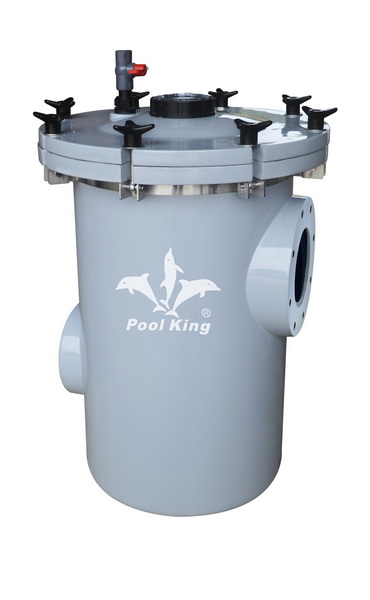
Switch the pump off and shut power off at the breaker to prevent accidental starting while you work. Set the multiport valve to “Closed” or close the isolation valves on the plumbing so water cannot flow through the filter.[11][6][4]
Open the filter's air relief valve (if present) and remove the drain plug near the bottom of the tank to let water drain out. This relieves pressure inside the filter and makes the tank lighter and easier to handle.[12][13][11]
Most top‑mount sand filters have a multiport valve on top, secured by a clamp band or bolts and connected to the plumbing with unions. Loosen the clamp carefully and disconnect unions or flexible hoses so the valve can be lifted straight up.[10][11][1]
Inside the tank is a vertical standpipe connected to the valve; take care not to crack or bend this pipe as you remove the valve. On side‑mount models, remove the large top lid or manhole cover according to the manufacturer's instructions.[6][1][10]
Once the valve or lid is off, you will see the top of the sand bed inside the filter tank. Use a wet/dry shop vacuum to suck out the sand, or scoop it out by hand with a small container if a vacuum is not available.[11][1][10]
Remove sand carefully around the laterals at the bottom of the filter so you do not bend or crack them. Wear gloves because old sand may contain bacteria and fine debris that you do not want on your skin.[2][3][1][10]
With most of the sand removed, gently brush and vacuum around the bottom until the laterals and hub are fully visible. On many filters the lateral assembly can be lifted out once the sand is cleared and the standpipe is free.[12][3][1]
Check each lateral for cracks, deformation, or clogged slots; any damaged pieces should be replaced before you reassemble the filter. If laterals are just dirty, soak them in a bucket with a filter cleaning solution, then rinse thoroughly with clean water.[3][1]
Once the laterals and standpipe are inspected and reinstalled (if removed), thoroughly rinse the inside of the filter tank with a garden hose. Flush out all remaining sand, dirt, and scale through the open drain at the bottom until the water runs clear.[13][12][3][10]
Look inside the tank for any signs of corrosion, cracks, or worn internal fittings, and replace parts as needed before adding new sand in a swimming pool filter. Make sure the drain plug and O‑ring are clean and ready to be reinstalled.[13][1][12]
Re‑fit the lateral assembly firmly onto the standpipe hub and ensure every lateral is locked into its working position, pointing outward and level. Replace or lubricate O‑rings on the drain plug and any internal connections as specified in your product's manual.[1][12][3]
Install the drain plug securely so water and sand will not leak out once the tank is refilled. For many models, it is helpful to fill the tank about halfway with water before pouring in sand to cushion the impact and protect the laterals.[14][12][3][13]
Tape or cover the open top of the standpipe so no sand can fall inside and block the valve ports. Use only the manufacturer‑recommended type and grade of sand—typically pool‑grade silica sand of a specific mesh size.[17][3][1]
Carefully pour sand into the tank using a small bucket or funnel, keeping the standpipe centered and avoiding impact on the laterals. Continue adding until the sand level reaches the fill line indicated on the tank label or in the manual; do not overfill or underfill, as this will affect filtration and pressure.[17][2][3][1]
Once the correct amount of sand is in place and the top of the standpipe is clear of sand, remove the tape from the standpipe opening. Carefully lower the multiport valve straight down onto the standpipe, ensuring it seats fully and evenly on the tank lip.[3][10][1]
Install the clamp band or bolts loosely at first, align the valve ports with the plumbing, then tighten the clamp evenly all the way around to prevent leaks. Reconnect any unions, hoses, or rigid pipes using Teflon tape and appropriate tightening torque.[4][10][11][1]
Before sending water back to the pool, set the valve handle to “Backwash” and open any closed valves. Restore power to the pump and run the system in backwash mode until the sight glass or discharge water runs clear—usually a few minutes for new sand.[4][17][1]
Then switch the valve to “Rinse” for about 20–30 seconds to settle the sand bed and prevent fine particles from blowing into the pool. Finally, set the valve to “Filter,” start the pump, and note the clean‑filter pressure reading on the gauge for future reference.[6][7][1][4]
Good maintenance can extend the effective life of the sand in a swimming pool filter from the standard 3–5 years up to 6–7 years in some situations. The goal is to prevent heavy fouling and scaling so the sand bed keeps its structure and efficiency.[5][7][2]
- Backwash only when the pressure rises about 7–10 psi above the clean‑filter reading, not on a fixed schedule.[2][4]
- Use specialized sand‑cleaning or descaling products once or twice per season if recommended by your equipment supplier.[5][17]
- Keep your pool chemistry balanced so oils, calcium scale, and metals do not bind quickly to the sand surface.[7][4]
Replacing sand in a swimming pool filter is within reach for many pool owners, but there are times when hiring a professional service makes sense. Very large commercial filters, complex plumbing, or buried installations often require experienced technicians and special tools.[18][13][6][4]
If you notice cracked tanks, badly corroded fittings, or cannot safely take the system apart, professional help can prevent leaks, flooding, and safety hazards. A technician can also check pumps, valves, and control equipment at the same visit, which may save money long‑term.[13][7][4]
Knowing how to replace sand in a swimming pool filter helps keep water clear, stable, and safe while protecting the rest of the circulation system from unnecessary strain. By shutting down the system properly, removing old sand carefully, inspecting and cleaning the laterals and tank, then adding the correct amount of new pool‑grade sand and backwashing, you can restore your filter's performance for several more seasons.[1][2][3][4]
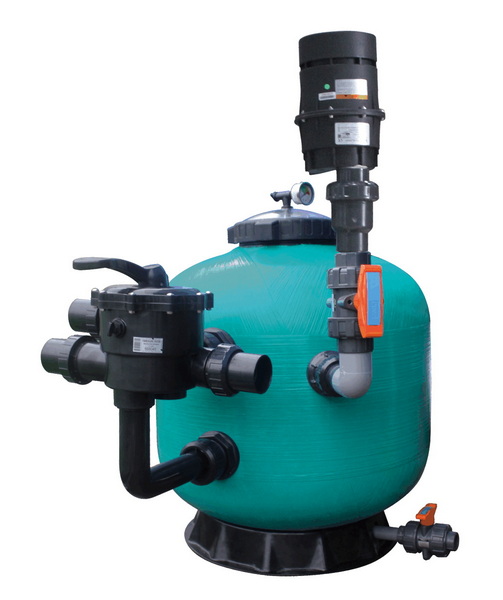
Most residential pools should have sand replaced every 3–5 years, depending on usage, debris load, and water chemistry. Heavy‑use or commercial pools may need sand changed as often as every 1–2 years to maintain clear, sanitary water.[9][8][5][2]
Key warning signs include cloudy water that does not improve after proper chemical balancing, frequent backwashing, and a pressure gauge that rises quickly after cleaning. If the sand is more than 3–5 years old, replacement is wise even before serious problems appear.[5][2][3][4]
No; always use pool‑grade filter sand that matches the specifications in your filter's manual, usually a specific silica sand mesh size. Using play sand, construction sand, or unapproved media can clog the filter, damage internals, and ruin water quality.[18][17][1]
For a typical backyard pool, expect 2–4 hours for the full process, including draining, disassembly, sand removal, cleaning, refilling with new sand, and backwashing. Very large or difficult‑to‑access filters can take longer, especially if lateral assemblies need repair or replacement.[12][10][13][1]
Some DIY users attempt to wash and reuse sand, but it usually is not recommended because the grains become rounded and lose their filtering edges over time. Fresh, properly graded filter sand provides better performance and is relatively inexpensive compared with the cost of cloudy water and extra chemicals.[8][17][2]
Changing sand more often than necessary increases the chance of damaging the laterals, standpipe, or multiport valve during frequent disassembly. It also adds cost without significant benefit if the existing sand is still functioning well.[18][5][4]
[1](https://www.swimmingpool.com/maintenance/pump&filter/changing-sand-in-your-pool-filter/)
[2](https://hollandiagardens.com/how-often-should-you-change-the-sand-in-your-sand-filter/)
[3](https://aisands.com/how-to-replace-sand-in-a-pool-filter/)
[4](https://homeassured.ca/how-often-to-change-sand-in-a-pool-filter-signs-maintenance-and-best-practices/diy-vs-pro/)
[5](https://www.groupebellemare.com/en/blog/change-pool-filtration-sand/)
[6](https://splashfiberglasspoolcompany.com/a-guide-to-know-how-often-to-change-sand-in-pool-filter/)
[7](https://www.jimspoolcare.com.au/equipment-sales/sand-filter-maintenance-for-swimming-pools/)
[8](https://www.reddit.com/r/swimmingpools/comments/o83dv5/when_do_i_change_sand_in_filter/)
[9](https://poolsoffun.com/4-signs-its-time-to-change-your-filter-sand/)
[10](https://www.thepoolfactory.com/blogs/pool-care/how-to-change-the-sand-in-a-pool-filter)
[11](https://pleasantpools.com/sand-changing/)
[12](https://romanellipools.com/blogs/how-to-change-the-sand-in-your-pool-filter-step-by-step-guide/)
[13](https://hbpools.com/blogs/expert-pool-tips-tricks/why-it-makes-sense-to-change-your-pool-s-filter-sand)
[14](https://www.youtube.com/watch?v=v9ghBgNkv-4)
[15](https://www.youtube.com/watch?v=ZNH9JLufzUM)
[16](https://www.youtube.com/watch?v=VxIsKhGyZXQ)
[17](https://mrpoolman.com.au/blogs/news/how-to-change-pool-filter-sand)
[18](https://www.vevor.com/diy-ideas/how-often-do-you-change-sand-in-the-pool-filter-h_11090/)
[19](https://www.reddit.com/r/swimmingpools/comments/c5fyrs/how_to_change_sand_in_this_sand_filter/)
[20](https://www.facebook.com/groups/637529959937311/posts/2201555116868113/)


