
Views: 222 Author: Tina Publish Time: 2025-12-25 Origin: Site


Content Menu
● Choosing the Right Replacement Hayward Pump
● Step‑by‑Step: Removing the Old Hayward Pump
>> 1. Shut Down and Depressurize
>> 2. Disconnect Electrical Wiring
>> 4. Remove the Pump from the Pad
● Installing the New Hayward Pool Pump
>> 1. Position and Level the Pump
>> 2. Connect Suction and Return Plumbing
>> 4. Electrical Connection and Voltage Settings
● Priming and Starting the New Pump
● Checking for Leaks, Noise, and Performance
● Ongoing Maintenance After Replacement
● FAQs About Replacing a Hayward Pool Pump
>> 1. How do I know it's time to replace my Hayward pool pump?
>> 2. Can I upgrade from a single‑speed to a variable‑speed Hayward pump?
>> 3. Do I need an electrician to replace the pump?
>> 4. How long does it take to replace a Hayward pool pump?
>> 5. Will a more powerful pump clean my pool better?
>> 6. Is it necessary to replace unions and fittings when installing a new pump?
● Short Description (≈300 characters)
Replacing a Hayward pool pump is a manageable DIY project if you follow safety procedures, match the correct replacement pump, and install and prime it carefully according to the manufacturer's instructions. Done properly, a new pump can improve circulation, reduce energy use, and extend the life of your filtration system.[1][2][3]
As a professional Chinese factory specializing in premium sand filters, cartridge filters, DE filters, pool pumps, LED lights, and accessories, OEM solutions are supplied for international brands, wholesalers, and manufacturers using intelligent production equipment, so this guide also highlights key points for buyers who need reliable, long‑life pumps and matching filter systems.
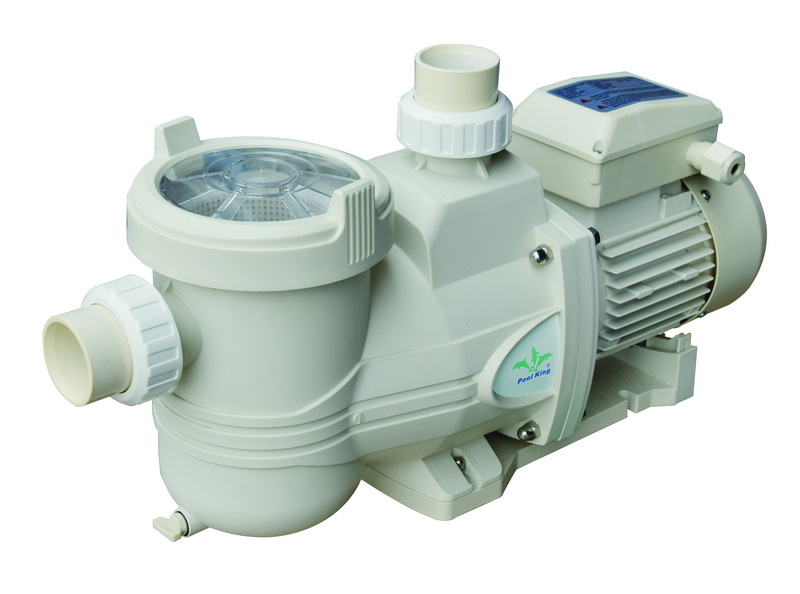
A Hayward pool pump pulls water from the skimmer and main drain, pushes it through the filter and other equipment, and returns clean water to the pool. Without a properly working pump, water becomes stagnant, cloudy, and more likely to grow algae.[4][5][1]
- The electric motor spins an impeller to create suction and pressure in the plumbing loop.[6][7]
- Correct pump size and run‑time determine turnover rate and overall water clarity.[8][9]
Working on a pool pump involves electricity, water, and pressure, so safety comes first.[2][10]
- Turn off power at the breaker and lock or tag it to prevent accidental switching.[10][2]
- Verify power is off using a non‑contact voltage tester at the pump's wiring compartment.[6][2]
- Wear eye protection, gloves, and non‑slip footwear, and never work on a wet, live circuit.[2][10]
Before starting, prepare tools and materials:
- Screwdrivers, adjustable wrenches, socket set, PVC cutters, PVC primer and cement, Teflon tape, and pool‑safe lubricant.[1][8]
- New Hayward pump or equivalent, proper electrical fittings, unions or couplings, and, if needed, new pad or base.[9][1]
Matching the new pump to the existing system is critical for performance and warranty compliance.[8][1]
- Check the old pump's label for model, horsepower (HP), voltage, service factor, and flow characteristics.[5][6]
- Confirm compatibility with filter size, plumbing diameter, and pool volume to avoid excessive pressure or low flow.[4][9]
Many owners now upgrade to variable‑speed Hayward pumps for quieter operation and significant energy savings.[3][9]
- Variable‑speed models allow lower RPM operation most of the day, reducing power consumption.[3][9]
- OEM buyers and brands often standardize on one pump platform to simplify inventory and service parts.
Correct removal makes installation of the new pump faster and prevents plumbing damage.[11][1]
- Turn off the breaker feeding the pump and confirm the motor will not start.[10][2]
- Open the air‑relief valve on the filter and the pump lid to release trapped pressure and drain water.[9][8]
Most Hayward pumps have a rear wiring compartment with three conductors for typical systems.[1][2]
- Remove the rear cover to expose the terminal board, then disconnect the two power wires and the ground wire.[6][1]
- Loosen the cable clamp, withdraw the conduit and wires, and keep a photo of the original connections for reference.[1][6]
Depending on the installation, you will see unions or glued PVC connections on the suction and return sides.[8][9]
- If unions are installed, simply loosen the union nuts and pull the pump away from the plumbing.[9][1]
- If glued PVC is used, cut the pipes straight using PVC cutters, leaving enough pipe length for reconnection with couplings or new unions.[8][9]
- Remove any mounting bolts or screws securing the pump base to the concrete or equipment pad.[2][8]
- Lift the pump straight up and out, avoiding strain on remaining pipes or electrical conduit.[9][8]
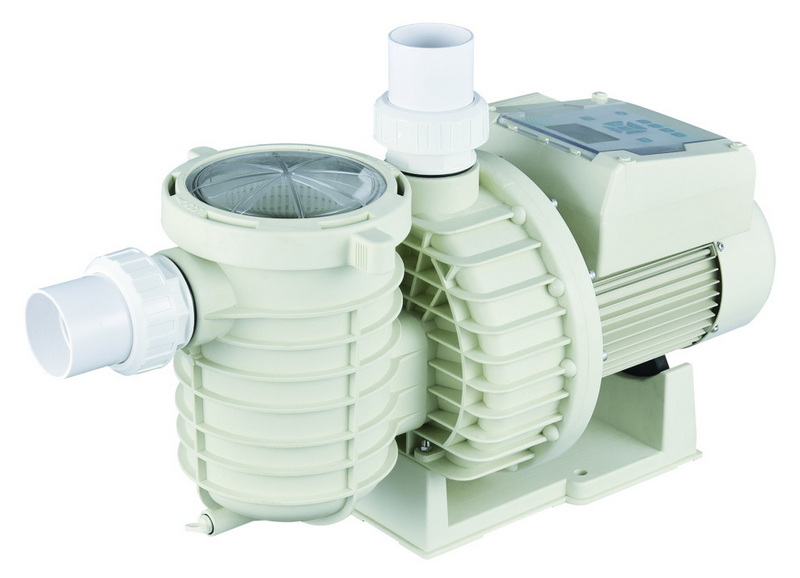
Pump installation must follow basic hydraulic and electrical best practices as outlined in Hayward owner's manuals.[2][9]
- Place the new pump on a level, rigid concrete slab or other approved base to minimize vibration.[9][2]
- Align the pump inlet to be as close to the pool water level as practical and in line with the existing suction pipe.[2][9]
Good plumbing alignment avoids stress cracking and air leaks.[8][9]
- Dry‑fit the suction and discharge pipes before gluing; ensure they slide smoothly into the pump ports without forcing.[8][9]
- Apply PVC primer and cement or install unions with Teflon tape as specified, then hand‑tighten unions and snug them gently with a wrench.[1][8]
Hayward manuals require bonding the pump to the pool's bonding grid.[3][2]
- Attach the bonding wire to the pump's external bonding lug and ensure continuity with the pool's bonding system.[3][2]
- Verify the equipment grounding conductor is sized and connected according to local electrical codes.[10][9]
Only qualified persons should perform permanent wiring.[10][2]
- Check the motor label for the required voltage and set any selector switch or jumpers correctly before wiring.[6][2]
- Route the supply wires through the conduit connector, connect the ground to the green screw, and connect the hot conductors to the line terminals; secure with the cable clamp and replace the rear cover without pinching wires.[6][1]
Proper priming protects the mechanical seal and prevents dry‑running.[7][1]
- Open the pump lid, fill the strainer basket housing completely with pool water using a hose, and lubricate and reinstall the lid o‑ring.[1][6]
- Close the filter's air‑relief valve partially, restore power at the breaker, and switch the pump on to begin priming.[9][8]
Watch for:
- A steady stream of water and disappearing air bubbles at the air‑relief valve after a short time.[8][9]
- Stable filter pressure at the normal operating range indicated from prior operation or the system manual.[4][1]
Once the pump is running, a short inspection helps catch issues early.[7][1]
- Inspect all unions, couplings, and the pump lid for drips or sprays; tighten or re‑seal where necessary.[1][8]
- Listen for unusual grinding, rattling, or high‑pitched whines that may indicate misalignment or internal damage.[14][7]
Monitor system performance over the first day:
- Confirm the pool returns show strong, consistent flow and that skimmers are pulling in surface debris.[5][4]
- Check that the pump basket is filling properly and that no persistent air is visible in the housing or filter pressure gauge.[1][8]
Regular maintenance protects the investment in the new Hayward pump and matching filter.[7][4]
- Clean the pump basket frequently, especially during heavy leaf seasons, to prevent clogging and cavitation.[5][1]
- Keep the filter (sand, cartridge, or DE) clean or backwashed according to pressure rise or manufacturer recommendations so the pump does not run under excessive load.[9][8]
For OEM buyers, choosing pumps built with corrosion‑resistant materials, high‑efficiency motors, and high‑quality mechanical seals reduces warranty claims and support costs.
- Consistent OEM production with automated testing lines helps ensure each pump meets performance curves and safety standards for export markets.
- Coordinating pump and filter design (flow, head, and connection sizes) allows brands and wholesalers to offer complete, matched systems to end users.
Replacing a Hayward pool pump involves far more than simply swapping hardware; it requires attention to safety, pump selection, plumbing layout, wiring, priming, and post‑installation checks. When these steps are followed carefully, pool owners enjoy reliable circulation, quieter running, and better water clarity, while brands and wholesalers benefit from durable, energy‑efficient OEM pumps paired with high‑quality sand, cartridge, and DE filters.[3][2][1]
With advanced manufacturing, strict quality control, and OEM customization, a Chinese factory producing premium filters, pumps, LED lights, and accessories can support international partners who need consistent Hayward‑compatible solutions or private‑label systems tailored to their markets.
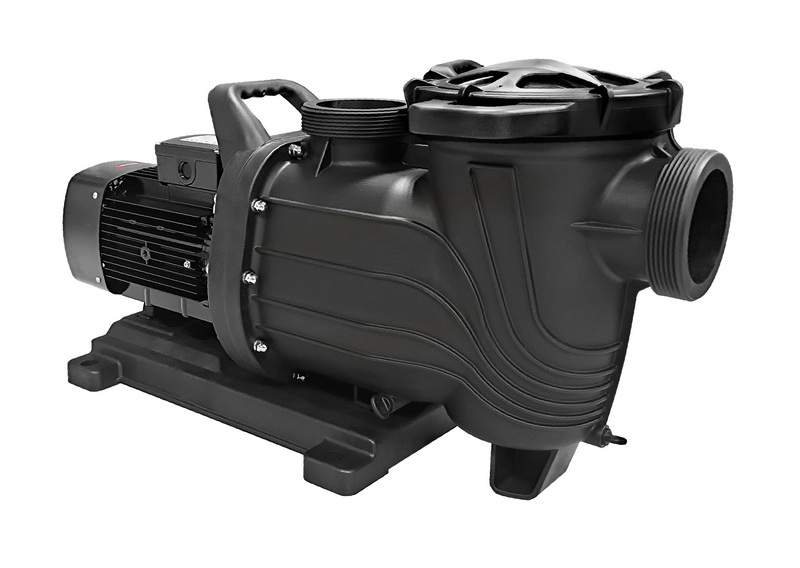
A pump may need replacement if the motor is very noisy, frequently fails to start, trips the breaker, or if repairs have become frequent and costly. Visible cracks in the housing, severe corrosion, or major leaks around the seal area are also strong indicators that a full replacement is more economical than repair.[4][7][5][1]
Yes, many older single‑speed pumps can be replaced with variable‑speed Hayward models as long as plumbing, voltage, and flow requirements are compatible. Variable‑speed pumps typically lower energy use significantly by running at reduced speeds for longer periods while maintaining adequate turnover.[3][9]
If you are not fully comfortable or qualified to work with pool electrical circuits, hiring a licensed electrician is highly recommended. Local codes often require specific bonding, grounding, and GFCI protection that must be installed and verified by a professional.[10][2]
For a straightforward installation with existing unions and accessible wiring, experienced technicians can complete the swap in about one to two hours. If new plumbing runs, pad work, or electrical upgrades are needed, the job may take several hours or require multiple visits.[15][14][4][9]
Oversizing a pump can cause high system pressure, noisy operation, and potential filter and plumbing stress without significantly improving cleanliness. The best results come from matching pump flow to the filter, plumbing size, and pool volume so water turns over efficiently and quietly.[8][9][1]
If existing unions and fittings are in good condition and match the new pump's ports, they can often be reused. However, brittle, cracked, or warped fittings should be replaced to prevent leaks and to ensure a secure, long‑term connection.[9][1][8]
***
Approximate article word count (from H1 through the FAQ section, excluding this line and the short description below): about 1,900–2,000 words.
---
Learn how to replace a Hayward pool pump safely and efficiently with this step‑by‑step guide. From shutting off power and removing the old pump to plumbing, wiring, priming, and testing the new unit, this article supports DIY owners, brands, and OEM buyers seeking reliable filtration solutions.
[1](https://intheswim.com/blog/replacing-a-hayward-pump-motor.html)
[2](https://hayward.com/media/akeneo_connector/asset_files/I/S/IS3200XE_REV_B_8d8c.pdf)
[3](https://images.thdstatic.com/catalog/pdfImages/3d/3db6f461-662e-493b-8199-cab69c0ee25a.pdf)
[4](https://pooltipsusa.com/how-to-rebuild-your-hayward-pool-pump-a-step-by-step-guide/)
[5](https://intheswim.com/blog/replacing-a-hayward-pump-motor.html?srsltid=AfmBOoruXIRqlTTwX3lcEwJ-tIkMBlsi9sKuCqrLwJblNFP0yae7bQcF)
[6](https://www.youtube.com/watch?v=mpJLp3oWDGU)
[7](https://intheswim.com/blog/replacing-a-hayward-pump-motor.html?srsltid=AfmBOooP0YQiQmLhFSGB_GJR9jfUQL6p2kDXtNvRsFpRd8OrO_2kO7QE)
[8](https://www.doheny.com/media/Pdfs/2419.pdf)
[9](https://hayward.com/media/akeneo_connector/asset_files/0/9/092708_RevB_9fbf.pdf)
[10](https://hayward.com/media/akeneo_connector/asset_files/U/n/Universal_H_Series_Install_Manual_Bilingual_1f1f.pdf)
[11](https://www.inyopools.com/HowToPage/how-to-replace-a-hayward-super-ii-pool-pump-motor.aspx?CommentPage=1)
[12](https://www.youtube.com/watch?v=WMmFKM1kC_A)
[13](https://www.youtube.com/watch?v=j2klnCFWDSs)
[14](https://www.youtube.com/watch?v=yOthe9Vueto)
[15](https://www.reddit.com/r/swimmingpools/comments/1kmmbn6/replacing_hayward_super_pump_in_5_minutes_using/)
[16](https://www.youtube.com/watch?v=JifZC6tmFWA)
[17](https://www.youtube.com/watch?v=7QsApy5WMm0)
[18](https://www.youtube.com/watch?v=15HLRNJWmg4)
[19](https://www.youtube.com/watch?v=yThGfgov7gA)
[20](https://bestpooladviser.com/blog/how-do-you-change-the-impeller-and-seal-on-a-hayward-pool-pump-6b12be71/)


