
Views: 222 Author: Tina Publish Time: 2025-12-13 Origin: Site


Content Menu
● Why You May Need to Remove the Impeller
● Safety First: Power and Water Precautions
● Tools and Parts You Will Need
● Step 1: Shut Down and Isolate the Pump
● Step 2: Separate Pump Housing from Motor
● Step 3: Remove the Diffuser to Expose the Impeller
● Step 4: Check for a Center Impeller Screw
● Step 5: Hold the Motor Shaft Securely
● Step 6: Unscrew and Remove the Impeller
● How to Deal with a Stubborn or Seized Impeller
● Inspecting the Impeller and Shaft Seal
● Reassembly Tips After Impeller Removal
● Maintenance Tips to Avoid Future Problems
● FAQ: Pool Pump Impeller Removal
>> 1. How do I know if my pool pump impeller needs to be removed
>> 2. Do I have to remove the impeller to clean a clogged pump?
>> 3. Why won't my impeller unscrew even when I hold the shaft?
>> 4. Should I always replace the shaft seal when removing the impeller?
>> 5. Is it safe for a homeowner to remove a pool pump impeller?
>> 6. How can OEM brands make impeller service easier for end users?
Removing a pool pump impeller is a key maintenance task when dealing with low flow, noisy operation, seal leaks, or when replacing the motor or shaft seal. With basic tools, careful disassembly, and correct shaft support, most pool owners or technicians can remove an impeller safely without damaging the pump.[1][2][3]
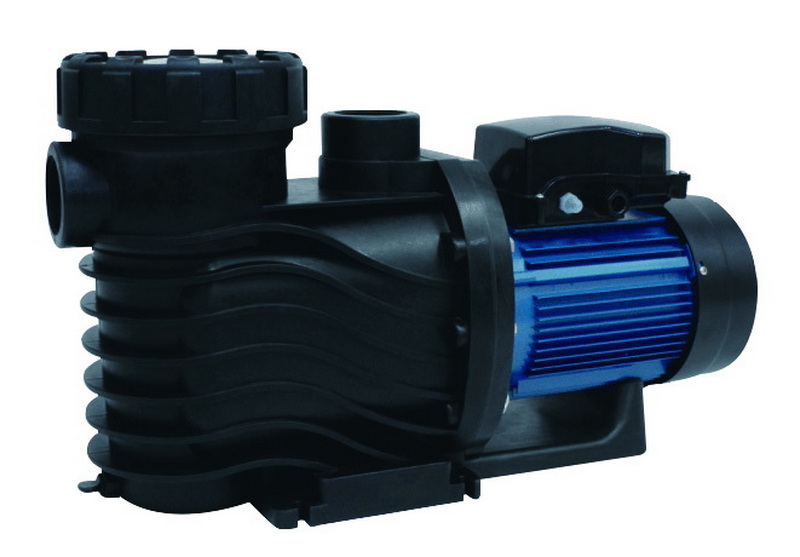
The impeller is the rotating component that creates water flow through the filter system; damage, clogging, or wear can severely reduce circulation. Removing it allows inspection, cleaning, or replacement so the pump can recover its designed performance and efficiency.[3][4][1]
Common reasons to remove a pool pump impeller include:
- Replacing a cracked, worn, or warped impeller that causes noise or low flow.[4][3]
- Changing a leaking shaft seal, which requires removing the impeller to access both seal faces.[2][4]
- Cleaning out stubborn debris trapped deep in the impeller vanes.[5][3]
- Swapping or upgrading a motor that is seized, noisy, or burned out.[2][4]
Working on a pool pump combines electricity and water, so safety procedures are essential. Always turn off power at the circuit breaker, confirm the pump cannot start automatically, and relieve pressure in the system before opening any part of the pump.[5][3]
Key safety steps:
- Switch off the breaker for the pool pump and tag or lock it if possible to prevent accidental re‑energizing.[3][5]
- Wait a minute for moving parts to stop, then open air relief on the filter (if equipped) to release pressure.[3]
- Wear eye protection and gloves, especially when working with corroded fasteners, stuck impellers, or chemicals like rust removers.[7][1]
- If you are not comfortable with wiring or high voltage, let a licensed electrician handle the electrical connections and focus only on the mechanical work.[5][3]
Having the correct tools ready makes impeller removal faster and reduces the risk of breaking plastic parts or rounding fasteners. Different pump models require slightly different tools, but most share a similar set.[7][1][2][3]
Common tools:
- Screwdrivers (Phillips and flat‑head) for motor end‑cap, terminal cover, and diffuser screws.[1][2]
- Nut drivers or socket set for pump housing and seal‑plate bolts, usually 6–8 bolts or a clamp band.[1][3]
- Open‑end wrench (often 7/16 in or similar) to hold the motor shaft from the rear.[8][2]
- Strap wrench or large channel‑lock pliers to turn the impeller hub without breaking blades.[7][2]
- Pliers for small screws, clips, and handling shaft seal parts.[1][5]
- Penetrating oil or rust remover if screws or threads are corroded.[7]
Optional specialty tools:
- Pump impeller wrench designed to fit specific pool pump hubs.[9]
- Vise to hold the motor body steady when dealing with very stubborn impellers.[10][7]
Recommended replacement parts to have available:
- New shaft seal compatible with your pump model.[4][2]
- Replacement impeller if the old one is cracked, stripped, or badly worn.[4][7]
- New housing and lid O‑rings if seals are flattened or cracked.[4][3]
Begin by turning the breaker to the “OFF” position and verifying the pump cannot start from a timer or automation system. Many guides recommend also unplugging stand‑alone plug‑in pumps or switching off a service disconnect near the equipment if present.[1][3][5]
Next:
- Close suction and return valves if available to minimize water loss when you open the pump.[3]
- Remove the pump lid, lift out the strainer basket, and drain any remaining water by loosening the drain plugs on the pump housing.[1][3]
To reach the impeller, the motor assembly must be separated from the front volute or housing. On most pumps, this involves undoing a band clamp or removing a ring of bolts between the housing and seal plate.[2][1][3]
Typical process:
- Locate the bolts or clamp around the circumference of the pump where the motor meets the housing.[1][3]
- Remove the bolts evenly or release the clamp, keeping parts organized for reassembly.[2][1]
- Pull the motor straight back from the housing; some wiggling may be needed if the gasket is tight.[2][1]
Once removed, you will usually see a diffuser or impeller shroud covering the impeller.[2][3]
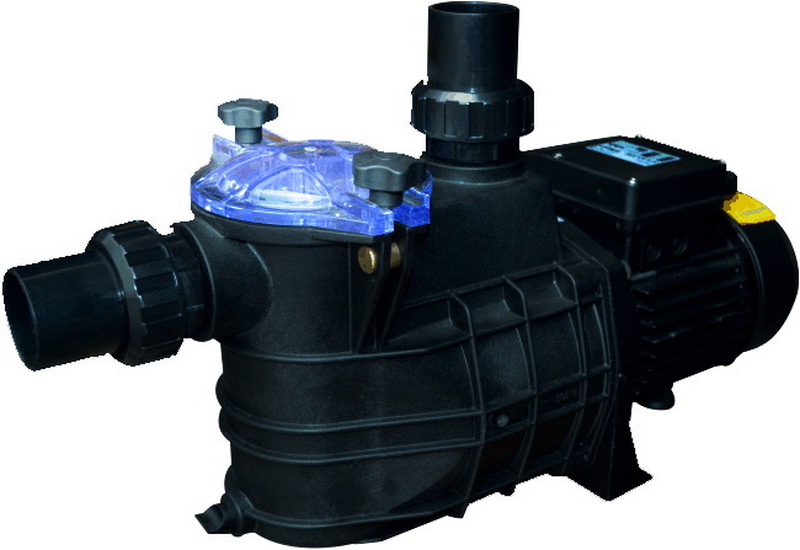
The diffuser helps direct water into and out of the impeller and is usually held in place by tabs, screws, or O‑ring friction. Gently removing it avoids cracking the plastic and reveals the full impeller.[3][2]
Steps:
- Inspect the diffuser for screws or clips and remove them if present.[2][3]
- Pull or twist the diffuser straight off the seal plate; in many designs, it lifts away with light prying.[2]
- Note the orientation of any diffuser O‑ring or wear ring for correct reinstallation.[3][2]
With the diffuser off, you now see the impeller, shaft seal face, and sometimes a small white or black seal ring.[2]
Some pool pumps use a small screw in the center of the impeller to lock it onto the shaft; often this screw is reverse‑threaded. Skipping this step can make impeller removal impossible and may strip the hub.[13][7]
Guidelines:
- Look closely into the center of the impeller for a metal or plastic screw head.[7][1]
- If present, note that many center screws are left‑hand thread, which means you loosen them by turning clockwise.[13][7]
- If corrosion or scale makes the screw difficult to move, apply penetrating oil and allow it to soak, then carefully loosen without rounding the head.[7]
If there is no screw (common on some Hayward Super Pump configurations with replacement motors), you can proceed directly to threading the impeller off the shaft.[8][2]
To unscrew the impeller, the motor shaft must be held from the rear so it cannot spin freely. Motor designs vary, but most feature a flat spot or hex at the back where a wrench can grip the shaft.[8][1][2]
Typical method:
- Remove the small screws holding the motor's rear cover or end‑bell and carefully lift it off.[1][2]
- Move the capacitor gently out of the way if necessary, avoiding contact with its terminals.[11][5]
- Locate the shaft flats behind the fan or switch; slide the appropriate open‑end wrench (often 7/16 in) onto the flats to hold the shaft.[8][2]
Keep one hand on the wrench at the back of the motor while your other hand works on the impeller at the front.[8][2]
With the shaft held steady, the impeller can be threaded off the shaft. Most pool pump impellers unscrew counterclockwise when viewed from the front.[1][3][2]
Steps:
- Grip the impeller hub (not the outer blades) with your hand, strap wrench, or large pliers.[7][2]
- While holding the rear shaft with the wrench, turn the impeller hub counterclockwise to loosen.[3][2]
- Once loose, spin the impeller off by hand and set it aside on a clean surface, noting any washers or seal parts that come off with it.[4][2]
If the impeller feels “frozen,” alternate light turning pressure with gentle impact to break static friction, but avoid bending blades or cracking the hub.[7][2]
Older pumps with leaking shaft seals often develop corrosion that locks the shaft to the impeller sleeve, making removal difficult. Specialized techniques and patience are better than brute force that can crack the housing or damage the motor.[13][7][2]
Common techniques:
- Apply penetrating oil at the shaft/impeller connection and allow time for it to wick into threads before attempting removal again.[7]
- Use a strap wrench for uniform pressure around the hub instead of pliers that focus stress and can break plastic blades.[10][7]
- On some models, carefully striking a screwdriver placed near the hub with a hammer can provide a shock that frees very tight impellers; eye and hand protection are mandatory.[2]
If the hub strips or the impeller is already being replaced, it can be carefully broken away from the shaft, and the remaining sleeve chipped or tapped off in pieces. This is often the only option when the shaft is heavily corroded.[7]
Once removed, the impeller and seal components should be inspected before deciding whether to reuse them. Damage here directly affects pump performance and the risk of future leaks.[4][3][2]
Things to check:
- Cracks in the impeller vanes or hub, worn edges, or missing pieces that indicate the impeller should be replaced.[4][3]
- Signs of rubbing against the diffuser (shiny or melted areas) that may reflect misalignment or worn wear rings.[4][2]
- Shaft seal faces: a grooved, chipped, or heavily scored seal should be replaced as a set to prevent leaks back into the motor.[3][2]
Replacing the shaft seal any time the motor is removed is standard professional practice, since worn seals are the main cause of motor‑end corrosion.[7][2]
Even though this guide focuses on removal, most readers will immediately reinstall the impeller or a new one, so reassembly advice is valuable. Correct reassembly prevents leaks, misalignment, and early failure.[4][2][3]
Key reassembly points:
- Install the new or cleaned shaft seal exactly as directed by the manufacturer, keeping seal faces clean and oil‑free.[4][2]
- Thread the impeller onto the shaft by hand first to avoid cross‑threading, then snug it firmly while holding the shaft; do not overtighten.[2][3]
- Refit the diffuser with its O‑ring, reinstall the seal plate and housing bolts or clamp, and lubricate all O‑rings lightly with appropriate lubricant.[3][2]
- After reassembly, fill the pump with water, open valves, and restore power, checking carefully for leaks, unusual noises, or vibration.[5][3]
Regular maintenance reduces how often the impeller must be removed and minimizes the risk of seized threads or catastrophic failures. Many clogs and corrosion problems start with small leaks or running the pump with missing or damaged baskets.[5][7][3]
Prevention advice:
- Always operate the pump with an intact strainer basket, and consider using skimmer socks during heavy debris seasons.[3]
- Keep pump lid and housing O‑rings in good condition and replace them when they no longer seal easily.[4][3]
- Address shaft seal leaks early to prevent water from corroding the motor shaft and impeller hub.[7][2]
- Schedule periodic internal inspections for commercial or high‑use pools, including impeller, diffuser, and seal checks.[5][3]
For brands, wholesalers, and OEM buyers, selecting pumps and sand filter systems designed for easy impeller access and standard seal kits simplifies field service and reduces downtime for end users.
Removing a pool pump impeller is a manageable job when approached systematically: shut down power, separate the housing, expose the impeller, secure the motor shaft, and then unthread the impeller using the right tools. Understanding when a center screw is present, how to handle stuck or corroded parts, and how to inspect the impeller and shaft seal ensures the pump can be reassembled reliably with restored performance.[1][2][7][3]
Whether you are a DIY pool owner, a service technician, or an overseas brand sourcing OEM pumps, filters, and accessories from a professional Chinese factory, proper impeller service extends equipment life, protects the motor, and keeps water circulation strong. Incorporating clear photos, repair videos, and step‑by‑step guidance into your manuals or online support pages helps end users carry out this maintenance safely and confidently.[6][11][3]
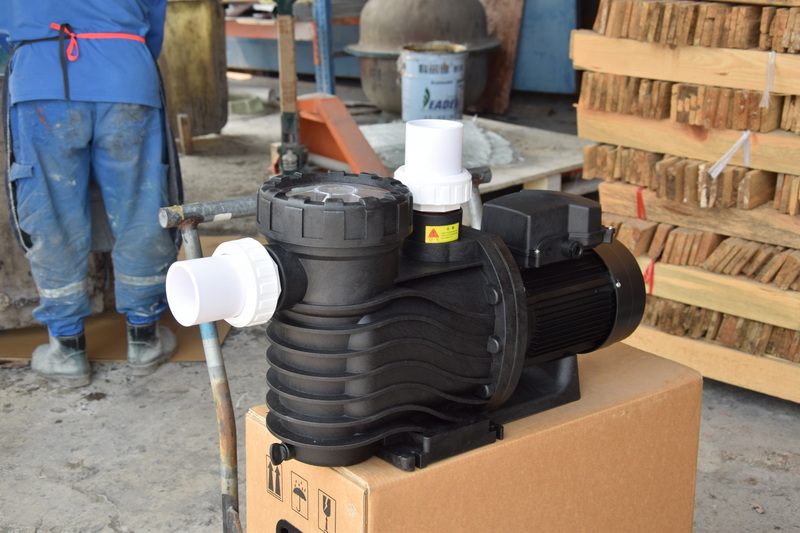
Typical signs include low filter pressure, weak return flow, strange grinding or rattling noises, or a pump that runs but does not move water effectively. If cleaning the basket and checking for obvious clogs does not restore performance, removing the impeller to inspect for damage or deep blockages is the next logical step.[5][3][4]
Light clogs can sometimes be cleared from the front using a small wire or flexible hook inserted through the opening behind the pump basket. However, if symptoms persist, disassembling the pump and removing the impeller gives better access to trapped debris and allows full cleaning of the vanes.[5][3]
Common reasons include a hidden reverse‑thread center screw that was not removed, severe corrosion between the shaft and impeller sleeve, or over‑tightening from previous service. In these cases, penetrating oil, a strap wrench, or carefully breaking the old impeller (if it is being replaced anyway) may be required to free the shaft.[13][2][7]
Most professional technicians replace the shaft seal whenever the pump is opened for major service or when the impeller is removed, because seals wear and small leaks can quickly damage the motor. The cost of a new seal is low compared with replacing a corroded motor or impeller assembly.[2][7][4]
Mechanically, many homeowners with basic tools can remove an impeller if they follow safety steps and manufacturer instructions. However, any work involving electrical connections, high‑voltage wiring, or uncertain grounding should be left to a licensed electrician or qualified pool professional.[1][3][5]
Brands can specify pumps with standardized seal kits, clear labeling, and housings designed for easy separation using common tools, plus include illustrated instructions in manuals and online. Partnering with a professional Chinese OEM manufacturer of pumps, sand filters, and accessories allows brands and wholesalers to design user‑friendly equipment that simplifies field maintenance and after‑sales support.[2][4]
[1](https://www.diffulpump.com/n1839959/DIFFUL-SOLAR-PUMP-How-to-remove-Pool-pump-impellers.htm)
[2](http://coralspringspumprepair.com/cshowtochangemotoronsuper2.html)
[3](https://intheswim.com/blog/clogged-pool-pump-impeller.html)
[4](https://www.inyopools.com/HowToPage/how_to_replace_a_pool_pump_impeller.aspx?CommentPage=1)
[5](https://www.youtube.com/watch?v=7bEnWxJfbdA)
[6](https://www.youtube.com/watch?v=4sG2eBEq7PY)
[7](https://diy.inyopools.com/article/how-to-remove-stubborn-pool-pump-impellers/)
[8](https://www.reddit.com/r/swimmingpools/comments/16vhrke/help_on_removing_the_impeller_from_the_pump/)
[9](https://www.poolweb.com/products/open-impeller-wrench)
[10](https://www.youtube.com/watch?v=oZWWkEA4SeM)
[11](https://www.youtube.com/watch?v=QsbzmB5rpwY)
[12](https://www.youtube.com/watch?v=_X1df8X7m-k)
[13](https://www.reddit.com/r/swimmingpools/comments/nxti9p/unscrewing_impeller_what_am_i_doing_wrong/)
[14](https://www.youtube.com/watch?v=HspSoC5NqRg)
[15](https://www.youtube.com/watch?v=C41Rp4bkNK4)
[16](https://www.getpoolparts.com/category/128/pool-tools?srsltid=AfmBOoo9c_AETDjH_jngPuWxFbacUfnPvbzSJCXvqQimcwL5YQuZMAaQ)
[17](https://lovegunitepool.com/how-to-remove-an-impeller-from-a-hayward-pool-pump/)
[18](https://lovegunitepool.com/how-to-remove-the-impeller-from-a-hayward-pool-pump/)
[19](https://www.facebook.com/groups/1528375184048385/posts/3776427269243154/)


