
Views: 222 Author: Tina Publish Time: 2025-12-12 Origin: Site


Content Menu
● Main causes of filter tank leaks
● Step 1: Confirm the leak is from the tank
● Step 2: Identify your filter type and construction
● Step 3: Shut down, depressurize, and drain
● Step 4: Inspect O‑rings, gaskets, and clamp band
● Step 5: Check threaded fittings, unions, and multiport valve
● Step 6: Evaluate and address tank cracks
● Step 7: Replace tank half or complete filter (if needed)
● Step 8: Reassemble and test for leaks
● OEM filtration solutions for long‑term reliability
● Related questions and answers
>> 1. Why is my pool filter tank leaking at the clamp band?
>> 2. Can I safely patch a cracked pool filter tank?
>> 3. How do I know if the leak is from the tank or the plumbing?
>> 4. Is it dangerous to run the pool with a leaking filter tank?
>> 5. How often should I replace O‑rings and gaskets to prevent leaks?
>> 6. Will upgrading my filter help reduce leak problems?
A leaking pool filter tank is not only annoying but can also be dangerous because the tank runs under high pressure and can fail if damaged or repaired incorrectly. This guide explains how to safely diagnose and fix a leaking sand, cartridge, or DE pool filter tank step by step, plus when replacement is safer than repair.[1][2]
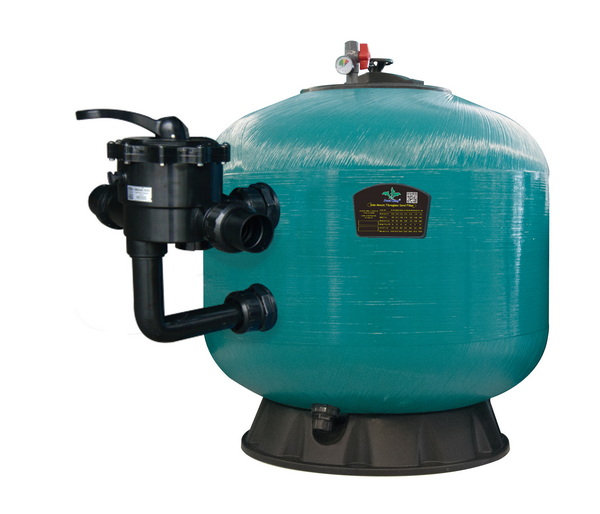
Working on a pressurized filter tank is potentially hazardous, so safety must come before any repair work. Sudden tank failure can cause water jets, flying parts, or even a tank “explosion” if the shell or clamp fails under pressure.[3]
- Always shut off power at the breaker and automation panel before touching the filter or pump.[3]
- Open the air relief valve and let the pressure gauge drop to zero before loosening any clamp, plug, or union.[4]
- Do not stand over the tank clamp or dome when repressurizing; observe from the side and check for leaks gradually as pressure builds.[5]
Understanding the source of the leak will guide whether a simple repair or a full replacement is required. Most leaks fall into one of these categories:[1]
- Worn or damaged O‑rings and gaskets at the tank clamp, drain plug, unions, or multiport valve.[2]
- Cracked filter tank body (top dome or bottom shell) from age, UV, over‑tightening, chemical stress, or pressure spikes.[6]
- Loose or misaligned clamp band (“belly band”) that holds the two tank halves together.[5]
- Leaking threaded or glued PVC fittings at the inlet/outlet ports, pressure gauge, or multiport valve body.[7]
Before opening the filter, confirm the leak actually comes from the tank, not adjacent plumbing or equipment. This avoids unnecessary work and helps you choose the right fix.[1]
- Dry the area around the filter with a towel, then run the system and watch carefully from all sides to locate drips or sprays.[8]
- Use a flashlight to inspect the bottom of the tank, drain plug, clamp band area, tank seam, unions, and multiport valve for water trails or fine sprays.[7]
Repair approaches differ slightly between sand, cartridge, and DE filters, and between one‑piece vs. two‑piece tanks. Knowing your filter type helps you choose correct parts and procedures.[4]
- Sand filters usually have a single large tank with a top multiport valve or side valve, filled with filter sand and an internal lateral assembly.[5]
- Cartridge and DE filters commonly have a two‑piece fiberglass or composite tank fastened with a clamp band and containing cartridges or grids inside.[9]
Once you confirm the leak location, shut the system down correctly so you can work safely.[3]
1. Turn off the pump at the timer/automation and then at the main breaker for extra safety.[3]
2. Open the air relief valve on the top of the filter and wait until the pressure gauge reads zero.[4]
3. Close suction and return valves if possible, then remove the drain plug at the bottom of the tank to release water from the filter body.[9]
Many “tank leaks” are actually seal problems that are relatively easy to fix with new O‑rings or a properly seated clamp band.[2][5]
- Remove the clamp band or belly band that holds the tank halves together, following manufacturer instructions.[5]
- Take out the large tank O‑ring, wipe the groove clean, and look for cuts, flattening, cracks, or chemical damage.[2]
- Inspect the drain plug O‑ring, union O‑rings, and any multiport valve gasket or flange O‑ring for brittleness or deformation.[7]
Repair actions:
- Replace any suspect O‑rings or gaskets with exact OEM or compatible parts, and apply a thin layer of pool‑safe silicone lubricant before reassembly.[2]
- Re‑position the clamp band evenly around the tank lip and tighten it uniformly to the specified torque; re‑seat and retighten if you still see weeping at the seam.[5]
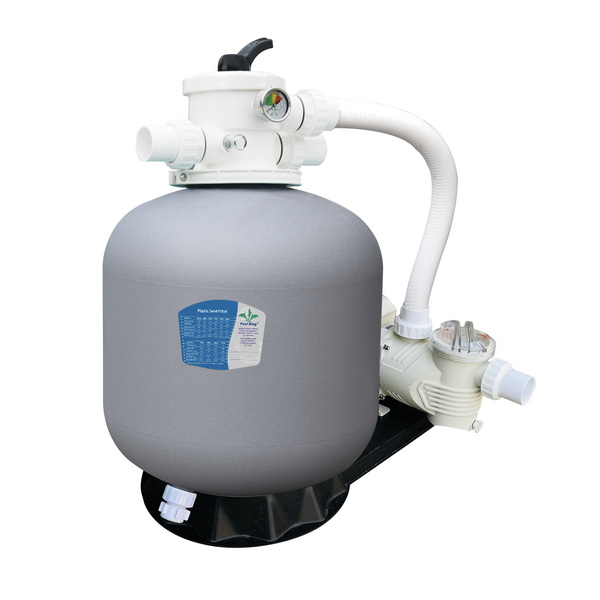
Leaks near the ports or multiport valve may come from fittings instead of the tank body.[7]
- Examine threaded adapters where PVC pipes screw into the filter or multiport valve for hairline cracks or white stress marks in the plastic.[7]
- Look for drips around unions; sometimes a worn union O‑ring or overtightened collar causes weeping when the system is under pressure.[1]
Repair actions:
- For threaded fittings, remove the fitting, apply the manufacturer‑recommended number of wraps of PTFE tape or thread sealant (do not overwrap), and reinstall hand‑tight plus a modest additional turn.[7]
- Replace cracked adapters and worn union O‑rings, then reassemble and tighten snugly without forcing; over‑tightening can create new cracks.[5]
Cracks in the tank shell are serious because the filter operates under considerable pressure. Small weeping cracks may be temporarily stabilized, but larger or structural cracks usually mean the tank must be replaced for safety.[6][3]
- Inspect the upper dome and lower tank body carefully with good lighting; look for thin fracture lines, bulges, or discolored stress zones.[6]
- Pay close attention to areas near the clamp band, ports, and molded seams, as these points often see the highest stress.[10]
Temporary repair (short‑term, at your own risk):
- Some homeowners experiment with rigid epoxies and reinforcement tapes to seal small external hairline cracks, but long‑term success is uncertain, especially under heat and high pressure.[11][10]
- Even when such repairs hold briefly, exposure to hot water from heaters or pressure spikes often causes the crack to propagate and the repair to fail later.[11]
Recommended permanent solution:
- When there is any significant crack in the tank body, replacement of the cracked half or the entire filter assembly is the safest and most reliable option.[9][3]
- Many manufacturers and service professionals recommend replacing the full tank or complete filter if the structural shell is compromised, rather than relying on patching.[8][6]
If the leak comes from a cracked dome or base, replacing that section is a strong and safe solution when the manufacturer sells tank halves.[9][3]
- Disassemble the filter: remove air relief, clamp band, dome, internal elements (cartridges or grids), unions, and drain plug as specified for your model.[9][3]
- Transfer required internal parts from the old shell to the new OEM tank half, install new O‑rings, and reassemble carefully with even clamp tension and correct orientation.[9][3]
If no replacement shell is available, or if the tank is very old, upgrading to a new complete filter may be more economical and safer long term.[8]
Once repairs or replacements are complete, careful restart and testing ensure the leak is truly fixed.[1]
- Confirm all O‑rings are lubricated and seated, the clamp band is aligned and tight, unions and ports are snug, and the drain plug is reinstalled.[2][5]
- Restore power, start the pump with the air relief valve open, then close the valve after a steady stream of water appears and pressure stabilizes.[4]
Walk around the filter while it is running and inspect every joint, seam, and fitting for signs of moisture or spray. Let the system run for at least 10–20 minutes to confirm the leak has been eliminated.[1][3]
DIY repairs are reasonable for basic O‑ring replacements, clamp re‑seating, and simple fitting leaks, but some situations justify professional service.[2]
- If you see major cracks, bulges, or deformation of the tank, shut the system down and arrange for a qualified technician to inspect and recommend replacement.[6]
- If you are unsure about clamp reassembly, pressure testing, or compatibility of replacement parts, a professional can prevent dangerous re‑pressurization errors.[4]
Pool professionals have the tools and experience to pressure‑test lines, evaluate structural tank damage, and install new filters to manufacturer standards.[2]
If your tank is repeatedly leaking, aging, or undersized, upgrading to a new high‑quality filter and pump system can improve safety and water clarity while reducing maintenance.[1]
- Modern sand, cartridge, and DE filters use corrosion‑resistant tanks, high‑performance internal elements, and improved seal designs to reduce leak risks.[3][5]
- For brand owners, wholesalers, and manufacturers, partnering with an OEM factory that specializes in premium sand filters, DE filters, cartridge filters, pumps, LED pool lights, and accessories can ensure robust housings, reliable seals, and better after‑sales support for your market.
Repairing a leaking pool filter tank begins with safety: shutting off power, depressurizing, and carefully locating the true leak source before touching any clamp or fitting. Many leaks come from worn O‑rings, gaskets, or fittings that can be resolved with proper replacement parts, lubrication, and even clamp re‑seating, but any structural crack in the tank shell should be treated seriously and usually requires replacing the tank half or entire filter for long‑term safety. For aging or repeatedly leaking systems, upgrading to a modern, high‑quality filter and pump package—especially through a professional OEM supplier—offers a safer, more efficient, and more reliable solution for both residential owners and commercial pool brands.[6][4][5][1][3][2]
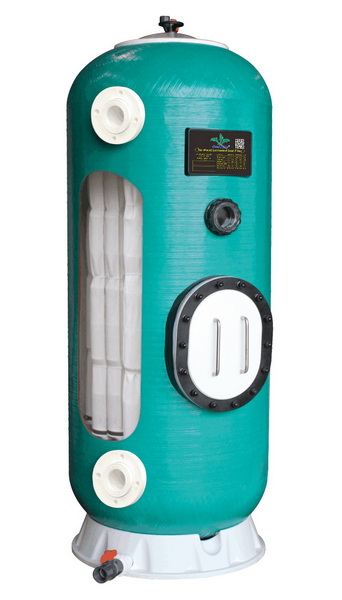
This is often caused by a flattened or damaged tank O‑ring, debris in the O‑ring groove, or an unevenly seated clamp band. Removing the clamp, cleaning the groove, installing a new lubricated O‑ring, and re‑positioning and tightening the clamp evenly usually stops leaks at the seam.[5][2]
Small external hairline cracks may be temporarily patched with epoxies and reinforcement tapes, but these repairs frequently fail over time due to heat, pressure cycles, and chemical exposure. Because of the high internal pressure, manufacturers and professionals typically recommend replacing the cracked tank half or complete filter rather than relying on patches.[10][11][8][6]
Dry all surfaces, run the system, and watch closely to see exactly where water first appears—on the tank surface, at the seam, or at a fitting or union. Leaks directly from the shell, especially with fine sprays or wet streaks on the dome or body, suggest tank damage, while leaks at joints or threads usually indicate fitting or O‑ring issues.[7][1]
Yes, running a filter with a structural crack, deformed shell, or severely leaking clamp area can be dangerous because the tank is under pressure and may fail suddenly. Operating with minor weeping at fittings is still not recommended, as leaks can worsen and lead to water loss, equipment damage, or sudden failures during pressure spikes.[6][1][3]
Service practices vary, but many technicians inspect and lubricate critical O‑rings (tank, unions, drain plug, multiport flange) at least once per season and replace them when they show flattening, cracking, or loss of elasticity. More frequent inspection is wise in harsh chemical conditions or hot climates, where rubber parts age faster and leak risks increase.[2][7]
Upgrading from an old or corroded filter to a modern, corrosion‑resistant sand, cartridge, or DE filter can reduce leak frequency thanks to improved tank materials, better clamp designs, and higher‑quality seals. Working with a specialized OEM manufacturer for complete filter systems, pumps, and accessories also helps ensure consistent quality and easier parts sourcing when seals eventually need replacement.[1][3][5]
[1](https://primepoolmarket.com/pool-filter-leaking/)
[2](https://executivebluepools.com/pool-filter-troubleshooting/)
[3](https://www.youtube.com/watch?v=Svi8nsQPf4w)
[4](https://superiorpoolservice.com/how-to-repair-a-pool-filter/)
[5](https://intheswim.com/blog/hayward-pool-filter-problems-5-step-diy-repairs.html)
[6](https://jnjpools.com/how-to-repair-a-leaking-pool-filter-tank/)
[7](https://intheswim.com/blog/leaky-pool-filter-multiport-valves.html)
[8](https://www.clearkatypools.com/repairing-a-leaking-pool-filter-tank-an-in-depth-guide-by-clear-katy-pools/)
[9](https://www.youtube.com/watch?v=AnJqwEhOLEQ)
[10](https://forum.makerforums.info/t/what-glue-for-fixing-a-cracked-pool-filter/85594)
[11](https://www.youtube.com/watch?v=oMhlactkyFo)
[12](https://www.facebook.com/groups/637529959937311/posts/2259164691107155/)
[13](https://www.reddit.com/r/pools/comments/12xh6y7/possible_to_patch_hole_in_filter/)
[14](https://www.youtube.com/watch?v=86Nfi-7DKbA)
[15](https://www.reddit.com/r/pools/comments/mjxtzs/troubleshooting_filter_leak/)
[16](https://www.youtube.com/watch?v=EsMNx3w4x0o)
[17](https://www.youtube.com/watch?v=SzI4IwjB7aM)
[18](https://www.facebook.com/groups/215277106946851/posts/1228702122271006/)


