
Views: 222 Author: Tina Publish Time: 2025-12-12 Origin: Site


Content Menu
● Can I Use Play Sand in Pool Filter?
● Key Differences Between Play Sand and Pool Filter Sand
>> Table: Play Sand vs Pool Filter Sand
● Why Play Sand Is Not Recommended in a Pool Filter
>> Incorrect Grain Size and Shape
>> Reduced Filtration Efficiency
>> Potential Damage and Safety Concerns
● What the Industry and Manufacturers Recommend
● What Can Happen If You Use Play Sand?
● Approved Alternatives to Pool Filter Sand
● When and How Often to Replace Pool Filter Sand
● How to Choose the Right Sand for Your Filter
>> Confirm Grain Size and Grade on the Bag
● OEM and Professional-Grade Filter Solutions
● Practical Guidelines for Pool Owners
● FAQs About Using Play Sand in Pool Filters
>> 1. What happens if I put play sand in my pool filter?
>> 2. Is play sand ever safe to use as pool filter media?
>> 3. What type of sand should I buy instead of play sand?
>> 4. Can I mix play sand with pool filter sand to save money?
>> 5. How do I fix my filter if I already used play sand?
>> 6. Are glass media and zeolite better than standard filter sand?
Using play sand in a pool filter is generally not recommended because it has the wrong grain size, inconsistent shape, and can introduce dust, metals, and contaminants into your pool water. Proper #20 silica pool filter sand is engineered to trap debris efficiently while allowing smooth water flow and protecting the filter internals.[1][2][3][4]
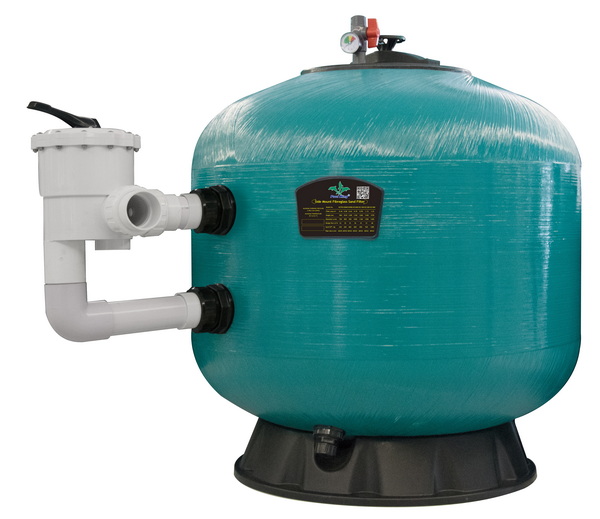
Most pool professionals and manufacturers advise against using play sand in a swimming pool sand filter. Even though play sand is cheaper and easy to find, it can reduce filtration performance, cause cloudy water, and potentially damage your filter over time.[5][3][6][1]
Pool filter sand is a specially graded, washed silica sand designed for use in pressurized sand filters. The grains are typically uniform in size, around 0.45–0.55 mm (#20 silica), which allows the sand bed to trap particles down to about 20 microns while maintaining good flow.[2][7]
Play sand (sandbox sand) is intended for children's sandpits and general play areas, not for filtration systems. It is usually coarser, with grains up to about 2 mm, often rounded, and often processed to remove silica dust for safety in dry play environments.[6][1]
The differences between play sand and pool filter sand affect how your filter works and how clean your pool water will be. The table below summarizes the most important technical points.[3][1]
| Feature | Pool Filter Sand | Play Sand / Sandbox Sand |
|---|---|---|
| Typical grain size | About 0.45–0.55 mm (#20 silica)beatbot+1 | Up to about 2 mm, much coarser overallhunker |
| Grain shape | Angular, edges help trap dirtbeatbot | Often rounded, less “grip” for fine particlesfacebook |
| Composition | High-purity silica for filtrationbeatbot+1 | Mixed minerals, silica often reduced for safetyhunker+1 |
| Dust / fines content | Washed and screened, low dustbeatbot | May contain fine dust and siltpoolkingfilter |
| Filtration performance | Traps particles down to about 20 micronspoolkingfilter | Traps less dirt; more debris bypasses filterhunker |
| Risk to pool & equipment | Designed for sand filters, manufacturer-approvedangi | Can cause cloudy water and possible damagehyclor |
Sand filters are engineered for a specific range of grain size; if sand is too coarse, fine debris passes through and returns to the pool. Because play sand grains are bigger and less uniform, they leave larger gaps in the sand bed and fail to capture small particles effectively, leading to persistent cloudy water.[4][1][2][3]
Without the right grain size and silica composition, the sand bed cannot build a tight filtration layer on the surface of the bed. This means you may run your pump and filter for many hours but still struggle with algae, fine dust, or turbidity issues.[7][1][3][4]
Some play sands can contain metals (such as iron or even traces of heavy metals) or organic impurities that may stain the pool, affect water balance, or harm equipment. Excess dust and irregular granules may migrate into laterals or pass into the pool, causing abrasive deposits on steps and surfaces.[10][9][3]
Pool filter manufacturers and pool retailers consistently specify #20 grade silica sand, not play sand or landscaping sand. Several technical guides explicitly state that playground sand should not be used, because it does not meet the size and coarseness requirements and can lead to poor filtration and premature filter wear.[5][6][7]
If play sand is poured into a sand filter, several practical problems may appear within days or weeks.
- Cloudy or hazy water that does not clear even after running the filter for long periods.[1][3]
- Increased backwashing frequency because fine dust quickly clogs the top of the bed, reducing flow and raising filter pressure.[3][10]
- Sand returning to the pool through the return jets if the grains are the wrong size or if laterals become fouled or cracked.[9][4]
- Possible discoloration, staining, or scaling from unexpected mineral content in the play sand.[10][3]
If the goal is better filtration or easier maintenance, there are safe alternatives that are specifically designed for pool filters.
- Filter-grade glass media: recycled glass with controlled grain size that can filter to smaller micron levels and backwash more easily.[11]
- Zeolite-based media: porous mineral granules that can improve ammonia and fine particle removal when used correctly.[7][11]
- Coated or enhanced silica sands sold as “high performance” sand media by pool equipment brands.[7]
All these options are clearly labeled as pool filter media and meet the hydraulic and mechanical requirements of sand filter tanks.[11][7]
Correct sand type is only part of the story; the sand bed also needs periodic replacement.
Many sources recommend changing silica filter sand approximately every 3–7 years for residential pools, or sooner if the filter loses efficiency, channels, or cannot clear the water effectively. The exact timing depends on bather load, debris load, chemical balance, and the quality of the original sand.[4][3][7]
The filter manufacturer's manual is always the first reference for required sand type, quantity, and grade. Typical sand filters may require anywhere from 100 to 350 pounds of sand depending on tank diameter; for example, a 20-inch filter might need around 200 pounds.[4][7]
The sand packaging should clearly list the grain size range or mesh size, such as 0.45–0.55 mm or 20/40 mesh, indicating it is #20 pool filter sand. Avoid products marketed only as “play sand,” “masonry sand,” or “construction sand” because they are not processed or graded for pool filtration.[2][6][3][7]
For brands, wholesalers, and pool equipment manufacturers, partnering with a specialized sand filter factory ensures that the filter body, internals, and recommended media type are all matched to deliver reliable performance.
Professional OEM suppliers design sand filters, DE filters, and cartridge filters to operate with specified media (such as #20 silica sand or glass) and to meet regional standards for safety and efficiency. Working with such factories also allows customization of label, valve type, pump pairing, and accessories for different export markets, while still protecting end users from problems that come from using the wrong filter media like play sand.[12][10][11][7]
For residential and commercial pool owners, the safest and most economical approach is simple: always use proper pool filter sand or approved alternatives.
- Never substitute play sand, beach sand, construction sand, or unknown bulk sand products in your filter.[6][3]
- If you accidentally used play sand and see cloudy water or sand returning to the pool, plan to remove it, inspect the laterals, and refill with correct #20 silica sand.[9][1]
- Keep records of when the sand was last replaced to help schedule the next change and maintain consistently clear water.[3][7]
Using play sand in a pool filter is not recommended, because it has the wrong grain size, inconsistent shape, and often different composition compared with #20 silica pool filter sand. These differences reduce filtration efficiency, increase cloudiness, and may even damage filter components, so pool owners and professionals should always choose properly graded filter sand or certified alternative media specified by the filter manufacturer.[1][5][3][4]
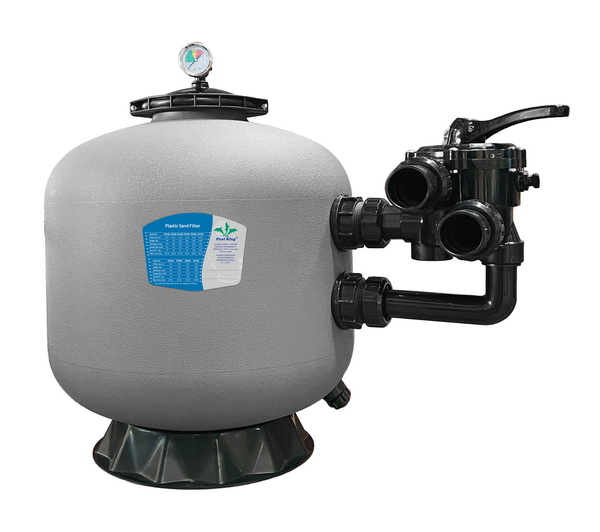
The filter will usually remove less fine debris, leading to cloudy or dull water even after long filtration cycles. In addition, dust and irregular grains can clog the top of the sand bed, raise filter pressure, and sometimes allow sand to return to the pool or stress the laterals.[9][1][3]
Play sand is not designed or certified for use in sand filters, and manufacturers specifically advise against using it. Even if it appears to work temporarily, it will not provide the same long-term clarity, stability, and protection for your equipment as proper pool filter sand.[5][6][1][3]
Look for bags labeled clearly as pool filter sand or #20 silica sand with a grain size around 0.45–0.55 mm or similar specification. Buying from professional pool retailers or trusted brands helps ensure you receive washed, graded sand appropriate for your specific filter model.[2][4][7]
Mixing different sands creates an uneven bed with unpredictable flow and filtration behavior, often combining the disadvantages of both types. For stable performance, the entire bed should be one consistent, filter-approved media grade rather than a blend with play sand.[10][11][2][7]
Turn off the system, drain the filter, carefully remove all the play sand, and inspect the standpipe and laterals for cracks or blockage. Replace any damaged parts, refill with the correct amount of #20 pool filter sand, and then backwash and rinse thoroughly before returning the filter to normal operation.[4][7][9]
Glass and zeolite media can offer finer filtration, improved backwashing, or specific water treatment advantages when matched to the correct filter and used according to instructions. However, they are still specialized pool filter media products and must not be confused with common play sand or construction sand.[11][3][7]
[1](https://www.hunker.com/13418145/what-is-the-difference-between-pool-filter-sand-sandbox-sand/)
[2](https://beatbot.com/blogs/pool-cleaning-kits/different-types-of-sand-for-pool-filters-and-how-to-choose-the-right-one)
[3](https://hyclor.com.au/best-sand-for-pool-filter/)
[4](https://www.angi.com/articles/calculate-pool-filter-sand-needed.htm)
[5](https://www.aquapalace.com/blog/comments.cfm?page=Can_I_use_play_ground_sand_in_my_swimming_pool_filter)
[6](https://www.sakrete.com/blog/post/top-5-ways-to-use-sakrete-play-sand/)
[7](https://www.poolkingfilter.com/what-type-of-sand-goes-in-a-pool-filter.html)
[8](https://www.facebook.com/groups/637529959937311/posts/2562928074064147/)
[9](https://www.poolkingfilter.com/can-you-use-play-sand-in-pool-filter.html)
[10](https://www.poolkingfilter.com/news/Difference-Between-Play-Sand-And-Pool-Filter-Sand.html)
[11](https://www.tenroadsglass.com/pool-filter-sand-grades.html)
[12](https://www.poolkingfilter.com/news/Difference-Between-Pool-Filter-Sand-And-Play-Sand.html)
[13](https://www.reddit.com/r/Goldfish/comments/kzzwjh/play_sand_or_pool_filter_sand_from_home_depot/)
[14](http://www.turtleforum.com/forum/upload/index.php?%2Fforums%2Ftopic%2F157169-pool-filter-sand-vs-play-sand%2F)
[15](https://forum.aquariumcoop.com/topic/6126-pool-filter-sand-or-play-sand-substrate-for-planted-tanks/)
[16](https://www.reddit.com/r/Aquariums/comments/1gjpvhx/pool_filter_or_play_sand/)
[17](https://www.reddit.com/r/walstad/comments/1m2q53a/play_sand_vs_pool_filter_sand_for_walstad_tank/)
[18](https://www.monsterfishkeepers.com/forums/threads/play-sand-or-pool-filter-sand.372368/post-4642250)
[19](https://webshop.swimmingpools.be/en/pool-technologies/filter/filter-sand-medium-25-kg)
[20](https://apistogramma.com/forum/threads/pool-filter-sand-vs-play-sand.12321/)


