
Views: 222 Author: Tina Publish Time: 2025-12-13 Origin: Site


Content Menu
● Before You Start: Safety and When to Call a Professional
● Tools and Materials You Will Need
● Step 1: Identify the Correct Replacement Motor
● Step 2: Shut Off and Secure Power
● Step 3: Disconnect Electrical Wiring
● Step 4: Separate Motor from Pump Housing
● Step 5: Remove the Old Impeller and Seal Plate
● Step 6: Replace the Mechanical Seal
● Step 7: Prepare and Mount the New Motor
● Step 8: Install the Impeller and Diffuser
● Step 9: Reattach Pump Housing and Check O‑rings
● Step 10: Reconnect and Configure Wiring
● Step 11: Prime and Test the New Motor
● Should You Repair or Replace the Whole Pump?
● OEM Tips for Brands, Wholesalers, and Manufacturers
>> 1. How long does a pool pump motor usually last?
>> 2. How do I know if I need a new motor or just a new capacitor?
>> 3. Can I upgrade to a higher horsepower motor using the same pump?
>> 4. Do I need to change the whole pump when I change the motor?
>> 5. Is it safe to wire the new motor myself?
>> 6. What happens if I set the wrong voltage on a dual‑voltage motor?
>> 7. Why is replacing the mechanical seal so important when changing the motor?
Changing a pool pump motor is a realistic DIY project for many pool owners, but it involves electricity, water, and heavy equipment, so safety and careful planning are essential. A correct replacement can restore circulation, reduce noise, improve energy efficiency, and extend the life of the whole filtration system.[1][2]
As a Chinese factory specializing in premium sand filters, DE filters, cartridge filters, pool pumps, LED pool lights, and accessories, and providing OEM services to foreign brands, wholesalers, and manufacturers, this guide is designed to help your end users understand the process while also showcasing professional equipment options that integrate smoothly into modern filtration systems.
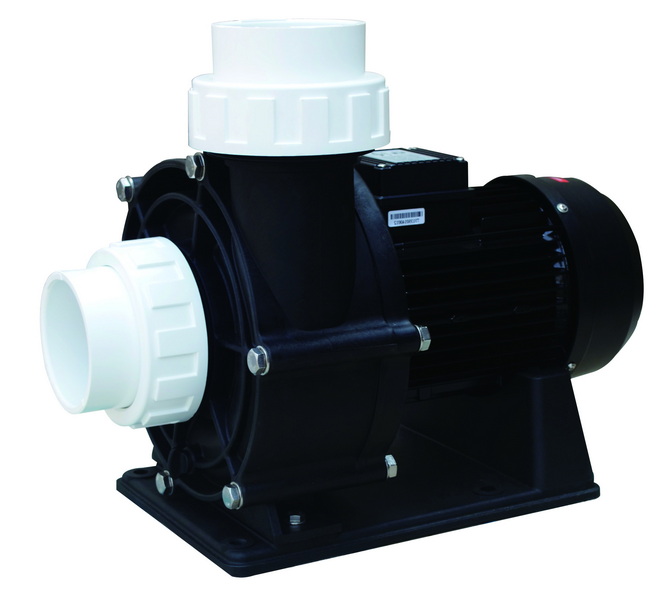
Working around mains voltage can be dangerous, especially outdoors where equipment can be wet, corroded, or improperly grounded. If you are not fully comfortable working with electricity, or local regulations require a licensed electrician, do not attempt to wire or rewire the pump motor yourself.[3][4]
Always switch off power at the circuit breaker, verify that the pump is truly de‑energized with a non‑contact voltage tester, and lock or tag the breaker so nobody can accidentally turn it back on while you are working.[2][1]
Most pool pump motor replacements require basic hand tools plus a few pool‑specific items.[1][2]
For OEM buyers, selecting motors with correct voltage range, energy‑efficient design (such as variable speed), and global certifications (CE, ETL, etc.) helps ensure compatibility with local markets and longer‑term reliability.[5][6]
Before dismantling anything, record the full details on the existing motor's nameplate: horsepower (HP), service factor (SF or S.F.), total HP (HP × SF), voltage (115/230 V or 230 V), phase (single‑phase for most pools), RPM, frame type (e.g., 56J, 56Y, P56Y), and mounting style.[2][5]
Matching total horsepower and frame ensures that the new motor can drive the existing impeller correctly without overloading or underperforming, while matching voltage and phase guarantees safe operation on the existing circuit.[3][5]
If you are an OEM buyer or distributor, coordinate with your motor supplier or our factory to select compatible motors for your pump housings, ensuring standardized mounts, shaft lengths, and seal assemblies to simplify service in the field.[5]
Go to the electrical panel and turn off the breaker that feeds the pool pump circuit, which may be a single‑pole breaker for 115 V or double‑pole for 230 V.[4][3]
Back at the equipment pad, try switching the pump on at the timer or control panel; it should not start. Then use a non‑contact voltage tester at the motor terminals or junction box to confirm that no voltage is present.[1][2]
If there is any doubt, stop and contact a licensed electrician; safe isolation is mandatory before opening the motor wiring compartment.[5][3]
Remove the rear cover or wiring compartment cover on the existing motor to expose the wire connections and bonding lug.[3][2]
Carefully note or photograph how the wires are connected, including line (hot) conductors, neutral (if present), and ground, as well as any jumper or selector positions for voltage on dual‑voltage motors.[7][3]
Label each conductor with tape and a marker, then loosen the terminal screws or wire nuts and disconnect the wires. Finally, loosen the conduit connector and pull the wires out of the old motor while keeping the conduit intact for reuse.[2][3]
Most pumps are held together by either a clamp band around the middle of the housing or several through‑bolts connecting the motor's seal plate to the wet end.[1][2]
Release the clamp or remove the bolts evenly, then carefully pull the motor and seal plate assembly straight back from the pump housing; expect some water to drain, so position a bucket or towels underneath.[2][1]
Remove the diffuser (the plastic cover over the impeller) by unclipping or unscrewing it, and set it aside; inspect for cracks or damage that might justify replacement.[1][2]
To remove the impeller, hold the motor shaft still from the rear using a wrench on the shaft end or a specialized holding tool, then spin the impeller off by hand—usually counterclockwise, unless a reverse‑thread lock screw is used.[8][1]
If present, remove the small lock screw in the center of the impeller hub first, turning it clockwise to loosen because it is typically reverse threaded.[8][1]
Once the impeller is off, remove any screws or bolts securing the seal plate to the motor, then slide the seal plate off the shaft, exposing the mechanical seal components.[2][1]
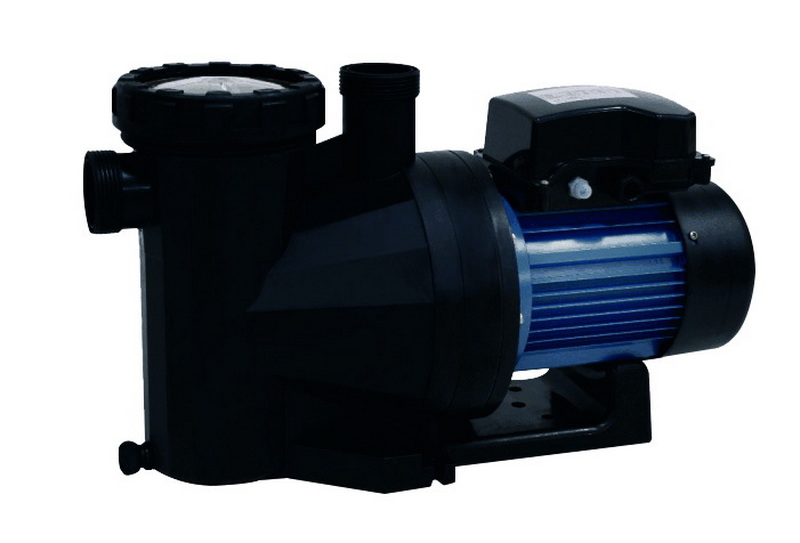
A mechanical seal consists of two mating faces—one in the seal plate (white ceramic) and one on the impeller (black carbon/graphite). It should always be replaced when changing a motor to prevent leaks that can destroy the new motor bearing.[1][2]
Carefully pry the old ceramic seat from the seal plate and remove the mating half from the impeller, taking care not to scratch the surfaces or housing. Clean the seal pocket and shaft area thoroughly.[2][1]
Press the new ceramic seat into the seal plate with a clean, soft cloth and no grease on the faces; then press the mating piece onto the impeller shaft hub, again avoiding touching the sealing faces with bare fingers.[1][2]
Unbox the new motor and place it on a clean, stable work surface. Confirm again that its HP, service factor, voltage, and frame match your original motor specifications.[5][2]
If the motor is dual‑voltage (115/230 V), set the voltage selector or wiring jumpers to the correct supply voltage as indicated on the wiring diagram on the motor label, using a screwdriver or by repositioning the jumper plate as instructed.[7][3]
Install the cleaned seal plate onto the new motor using the original bolts, tightening them evenly to keep the plate square and prevent leaks.[2][1]
Slide the impeller onto the shaft and thread it on by hand until it seats firmly against the seal; hold the shaft at the rear again and snug the impeller without over‑tightening to avoid damage.[8][1]
If your model uses a lock screw, reinstall it in the opposite direction of removal (usually counterclockwise to tighten), and reinstall the diffuser in the same orientation as before, aligning any keys or tabs.[1][2]
Check that the impeller spins smoothly by hand with slight resistance from the seal but no scraping or binding.[2][1]
Inspect the large housing o‑ring or gasket that seals the joint between the wet end and seal plate; replace it if flattened, cracked, or deformed, and apply a thin layer of approved lubricant, not petroleum grease.[1][2]
Bring the motor assembly back to the pump housing, align bolt holes or clamp bands, and tighten the bolts or clamp evenly in a criss‑cross pattern so the seal compresses uniformly without warping the housing.[2][1]
Visually check all joints for gaps and confirm that the motor feet are solidly supported on the base or pad to minimize vibration.[6][2]
Feed the power wires back through the conduit into the new motor's wiring compartment, ensuring any strain relief or liquid‑tight fittings are correctly tightened and gasketed against moisture.[7][3]
Connect ground to the green or ground terminal, then attach the hot and neutral (for 115 V) or the two hot legs (for 230 V) according to the wiring diagram and your labels or photos from earlier.[3][2]
Ensure all terminal screws are tight, no copper is exposed beyond terminals, and the bonding wire is reattached to the bonding lug on the motor frame to maintain an equipotential bond around the pool.[5][3]
Before restoring power, open any valves on the suction and return lines and fill the pump strainer pot with water to prime the pump, then install the lid with a clean, lubricated o‑ring.[6][2]
Turn the breaker back on and start the pump; watch the strainer pot to confirm that it quickly fills with water and air is purged from the system. Check for leaks at the housing joint, unions, and drain plugs.[6][2]
Monitor the motor for abnormal noise, vibration, or overheating during the first 10–15 minutes of operation; if issues persist, shut down and investigate the cause (mis‑wiring, blocked suction, wrong impeller, or mechanical binding).[6][2]
Replacing only the motor is often cost‑effective when the pump housing, basket, and plumbing are in good condition, especially for premium pumps in relatively new installations.[6][2]
However, if the wet end is cracked, corroded, or leaking in multiple places, or if you want to upgrade to a variable‑speed pump for energy savings, replacing the entire pump assembly might be a better long‑term choice.[4][6]
Our factory provides OEM and ODM pool pumps, sand filters, and complete filtration systems designed for easy motor replacement and long service life, helping brands and wholesalers offer competitive upgrade options to their customers.
For professional buyers, standardizing motor frames, seals, and electrical specifications simplifies after‑sales service and reduces inventory complexity for replacement parts.[5][6]
Working with a specialized OEM manufacturer for pumps, sand filters, and accessories allows you to offer branded solutions with unified aesthetics, matched hydraulics, and shared spare‑parts platforms, which is highly attractive to installers and service companies.
Our intelligent production lines can customize pool pumps, motors, and filtration components according to your target voltage, certifications, color, and branding—making it easy to provide complete, service‑friendly systems to your market.
Changing a pool pump motor involves three main parts: selecting the correct replacement, safely handling the electrical work, and correctly rebuilding the wet end with a new mechanical seal and gaskets. When each step is done carefully, most pool owners can successfully restore their system without replacing the entire pump.[1][2]
Safety must always come first; any doubts about wiring, local electrical codes, or proper motor sizing mean it is time to call a licensed professional or consult your equipment supplier. For brands, wholesalers, and manufacturers, partnering with an experienced OEM factory for pumps, filters, and accessories makes it easier to offer reliable, maintainable products and strong after‑sales support in global markets.[3]
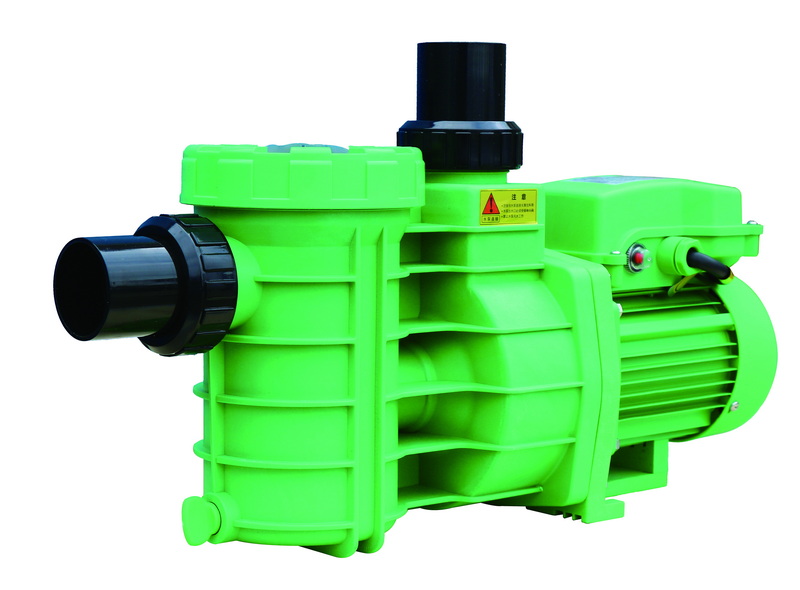
Most residential pool pump motors last around 5–10 years, depending on run time, ambient temperature, ventilation, water leaks, and maintenance quality. Motors exposed to constant overheating, poor ventilation, or seal leaks often fail much earlier, while properly sized, well‑ventilated motors running on clean power can last longer.[5][6][2]
If the motor only hums and then clicks off but spins freely by hand, the start or run capacitor is often the culprit and can sometimes be replaced at low cost. If the motor is seized, makes grinding noises, or trips the breaker even with a new capacitor, a full motor replacement is usually required.[9][10][6]
Increasing horsepower without checking the impeller, housing, and plumbing limits can overload the motor or cause hydraulic issues, so upgrades must be carefully engineered. In many cases it is better to keep the same total HP and, if more performance is needed, upgrade the entire pump or filtration system designed for higher flow.[3][6][5]
If the housing, lid, basket, and unions are in good condition and there are no structural cracks, changing only the motor and seals is usually sufficient. When the pump body is badly worn or you want energy savings from a modern variable‑speed pump, replacing the whole pump assembly is the better investment.[4][6][2]
Wiring a motor incorrectly can cause electric shock, fire, or immediate motor failure, so DIY wiring is only appropriate for people who fully understand household electrical systems and local codes. In many regions, a licensed electrician is required by law for pool equipment wiring, and this is the safest option if you are unsure.[7][4][3]
Supplying a 230 V‑configured motor with 115 V will usually prevent it from starting or cause severe overheating, while feeding 230 V into a motor set for 115 V can destroy the windings instantly. Always confirm breaker rating, supply voltage, and motor selector settings before energizing a new motor.[4][3][7]
A worn seal can leak chlorinated water directly into the motor bearing area, leading to rust, noise, and early motor failure, making a new seal essential protection for your investment. Seal kits are inexpensive compared to a new motor, and most manufacturers recommend replacing them any time the motor is removed.[2][1]
[1](https://lesliespool.com/blog/how-to-replace-a-pool-pump-motor.html)
[2](https://www.inyopools.com/HowToPage/how_to_replace_the_motor_on_your_pool_pump.aspx?CommentPage=1)
[3](https://www.inyopools.com/HowToPage/how_to_wire_a_pool_pump.aspx?CommentPage=11)
[4](https://professionalaquaticservices.com/pool-pump-voltage-guide/)
[5](https://acim.nidec.com/motors/usmotors/-/media/usmotors/documents/literature/ebooks-and-articles/pool-troubleshooting-ebook-120220.ashx?la=en)
[6](https://poolie.com/blog/repair/pool-pump-motor-repair/)
[7](https://www.youtube.com/watch?v=im9BVObcLBA)
[8](https://www.youtube.com/watch?v=qLf6MyRKsKk)
[9](https://www.youtube.com/watch?v=_YtW1EcL-8Q)
[10](https://www.inyopools.com/HowToPage/how_to_replace_a_pool_pump_capacitor.aspx?CommentPage=1)
[11](https://www.youtube.com/watch?v=Fdlik2fca2w)
[12](https://www.youtube.com/watch?v=J7BVkIp4l_Q)
[13](https://www.youtube.com/watch?v=N3Vs9mpzFlY)
[14](https://www.youtube.com/watch?v=1fL3wYkUsOE)
[15](https://pooltipsusa.com/how-to-easily-change-a-capacitor-in-your-pool-pump/)
[16](https://www.youtube.com/watch?v=MAzrYDSCh58)
[17](https://www.youtube.com/watch?v=JifZC6tmFWA)
[18](https://www.youtube.com/watch?v=472XLJzaq2Q)
[19](https://www.reddit.com/r/pools/comments/163uwqp/pool_pump_wiring_advice/)
[20](https://www.reddit.com/r/pools/comments/17e0vhf/replacing_pool_pump_motor/)


