
Views: 222 Author: Tina Publish Time: 2025-12-12 Origin: Site


Content Menu
● Correct Sand Specification for Pool Filters
● Why Ordinary Sand Is Not Suitable
● Types of Media Used in Sand Pool Filters
>> 4. Polymer Filter Balls and Other Alternatives
● How to Choose the Right Sand or Media
● Recommended Media for Different Pool Scenarios
● OEM Sand Filter and Media Solutions from Our Factory
● FAQs About What Type of Sand in Pool Filter
>> 1. What grade of sand should be used in a pool filter?
>> 2. Can play sand or beach sand be used instead of pool filter sand?
>> 3. Is glass media better than sand?
>> 4. What are the benefits of zeolite media in a sand filter?
>> 5. How often should pool filter sand be replaced?
>> 6. Can different media types be mixed in one filter?
>> 7. Do I need a special filter if I choose glass or zeolite instead of sand?
The best sand for a pool filter is #20 grade silica sand with a uniform grain size of about 0.45–0.55 mm, specifically manufactured for swimming pool filtration. Alternative media such as glass and zeolite can also be used in sand filters to improve filtration fineness, reduce backwashing, and extend media life when matched correctly to the filter design.[1][2][3][4][5]
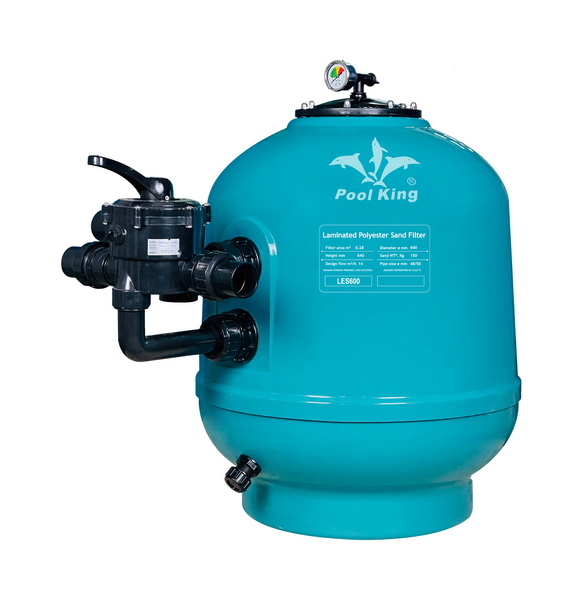
Pool filter sand is a specially graded silica sand used as the filtration medium inside a sand filter tank. Water from the pool flows through this sand bed, where dirt and contaminants are trapped between the sharp, angular grains before cleaner water returns to the pool.[6][7][1]
Unlike construction or play sand, pool filter sand is washed, screened, and sized to a narrow particle range to ensure consistent flow and filtration performance. It is also high‑purity quartz silica with minimal impurities to avoid staining, cloudiness, or damage to filter internals.[8][7][1][6]
Most manufacturers specify #20 grade silica sand for standard residential and commercial sand filters. This grade typically has a grain size in the 0.45–0.55 mm range and is designed to filter particles around 20–40 microns.[2][3][4][5][1][6]
Some above‑ground pool systems accept slightly broader ranges, such as 0.45–0.85 mm silica sand, but still require uniform, pool‑grade media. Using sand outside the recommended size range can cause poor filtration, channeling, or media loss through the laterals and may void the filter warranty.[7][8][6]
Play sand, beach sand, or construction sand are not suitable for pool filters because their grain size and shape are not controlled for filtration performance. These sands often contain fine dust, organic matter, shell fragments, clay, and minerals that can cloud water and clog the filter.[9][10][8]
Non‑pool sands may pack too tightly, reducing flow and increasing pressure, or be too fine, allowing sand to blow back into the pool through the return lines. They can also introduce metals and impurities that stain surfaces or react with pool chemicals, leading to green, brown, or black discoloration.[10][8][6][7]
Modern sand filters can use several different media types, each with distinct performance and cost characteristics.[4][5]
Silica sand is the traditional and most common choice for pool sand filters.[1][6]
- Typical spec: #20 grade, 0.45–0.55 mm grain size, 20–40 micron filtration.[3][5][2][1]
- Advantages: Low cost, widely available, chemically inert, and can last 3–5 years or more with proper maintenance.[5][4][1]
However, silica sand offers the coarsest filtration compared with newer alternatives, so very fine particles may remain suspended in the water.[3][5]
Glass filter media is produced from recycled glass processed into granular shapes suitable for sand filters.[4][5][10]
- Typical performance: filtration down to about 3–5 microns, significantly finer than conventional silica sand.[11][5][10][3]
- Benefits: Reduced backwash frequency and shorter backwash cycles, lower water use, and improved clarity due to finer particle capture and electrostatic effects on particle surfaces.[11][10][3][4]
Glass media is lighter and less dense than sand, so less weight is required to fill a filter tank to the same volume, and it is easier to clean out or replace. The main drawback is higher initial cost, though the longer service life and water savings can offset this over time.[12][6][4]
Zeolite is a natural volcanic mineral processed into granular filter media compatible with sand filters.[13][14][4]
- Typical performance: filtration down to about 3–10 microns, sometimes specified as 1–15 microns depending on product and testing conditions.[14][10][4]
- Benefits: Higher dirt‑holding capacity, reduced backwashing frequency, lower operating pressure, and the ability to adsorb ammonium ions, which helps control chloramines and reduces chlorine odor.[13][9][14][4]
Zeolite is less dense than sand, so filters are typically filled with about 20–50% less weight compared with silica sand for the same tank volume. It costs more than standard sand and is usually replaced about every 4–6 years.[6][13][4]
Some manufacturers offer synthetic fiber balls or other lightweight media designed to replace sand in many sand filter housings. These products are engineered to provide finer filtration, easier handling, and reduced backwashing, though specifications vary by brand.[8][5][4]
Before using any non‑sand media, pool owners should confirm compatibility with the specific filter model and follow the manufacturer's guidelines for filling level and backwashing.[5][8]
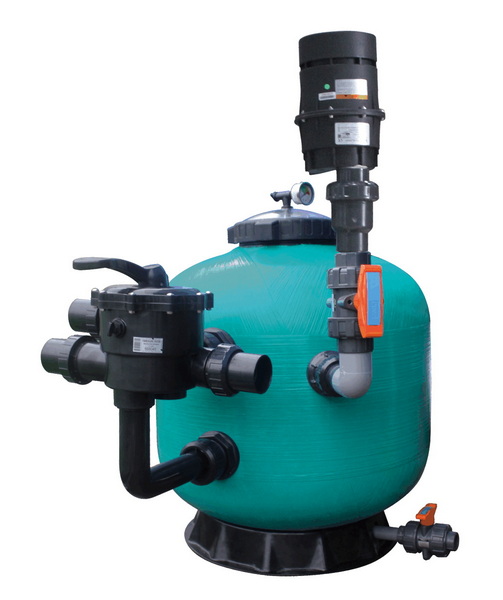
Choosing the best media for a pool depends on water quality expectations, maintenance preferences, and budget. For standard residential pools focused on low cost and simplicity, #20 silica sand remains a reliable, widely supported option.[7][1][4][5][10]
For users seeking superior clarity, less frequent backwashing, or reduced chemical use, glass or zeolite media may be more attractive despite higher upfront expense. In every case, the first step is to check the filter manufacturer's recommendations and confirm that any alternative media is approved for that specific tank and valve design.[8][3][4][9][5][10]
- Residential pools with moderate use: #20 silica sand for a balance of cost, simplicity, and adequate clarity.[1][4]
- High‑end residential or commercial pools: glass or zeolite media to achieve finer filtration and reduced backwashing, especially where water or labor costs are high.[3][4][10]
- Pools with strong chlorine odor or chloramine issues: zeolite media to help capture ammonium ions and support more stable sanitizer levels.[13][14][9]
In each application, correctly sizing the filter, maintaining proper backwash routines, and monitoring pressure and water chemistry remain critical for performance.[6][4][5]
As a professional Chinese manufacturer of high‑end sand filters and complete pool filtration systems, your factory can supply customized tanks, valves, and accessories tailored to different media types. For example, internal laterals, diffuser design, and tank geometry can be optimized whether the customer chooses standard silica, glass, or zeolite media.[12][6]
You can also provide OEM private‑label pool filter sand, glass media, or zeolite, combined with pumps, LED pool lights, and control systems to create complete branded packages for international wholesalers and pool equipment producers. By offering engineering support, manuals, and multimedia installation guides, your factory helps foreign partners reduce warranty issues and end‑user confusion about correct sand types.[8]
Using the correct sand or alternative media is essential for safe, crystal‑clear pool water and for protecting the internal components of a sand filter. #20 grade silica sand remains the standard recommendation, but glass and zeolite media offer finer filtration, less frequent backwashing, and potential savings on water and chemicals when installed correctly.[14][10][1][8][3][4][6][5]
For brands, wholesalers, and pool equipment manufacturers, partnering with a specialized OEM factory capable of designing sand filters for multiple media types ensures reliable performance and strong after‑sales support. By selecting the right media and matching it with well‑engineered sand filter systems, it becomes much easier to deliver long‑term value and clear water to end users in residential and commercial pool projects worldwide.[4][6]
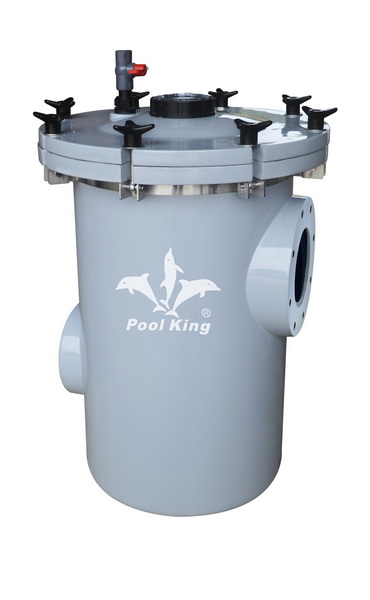
Pool filters typically require #20 grade silica sand with a grain size around 0.45–0.55 mm, which provides filtration in the 20–40 micron range. Always match the sand grade to the filter manufacturer's specification to avoid performance or warranty issues.[2][8][5][1][3][6]
No, play sand and beach sand are not recommended because they contain impurities and have inconsistent particle sizes that can clog the filter, reduce flow, or blow back into the pool. Only use pool‑grade silica sand or approved alternative media specifically labeled for pool filtration.[8][9][7][1]
Glass media usually provides finer filtration (down to about 3–5 microns) and needs less frequent and shorter backwashing compared with standard silica sand. However, it is more expensive initially, so the decision depends on whether improved clarity, water savings, and lower maintenance justify the additional cost.[12][5][10][3][4]
Zeolite can filter smaller particles than standard sand and can trap ammonium ions, which helps control chloramines and reduce chlorine odor. It also holds more dirt and requires less frequent backwashing, lowering water and energy consumption for the pool system.[14][13][9][4]
Standard #20 silica sand typically maintains good performance for about 3–5 years, though some sources note it can last longer with excellent maintenance. Visible signs such as persistently cloudy water, rapid pressure increases after backwash, or poor circulation are indicators that sand replacement may be due.[15][5][4][6]
In general, manufacturers recommend using a single media type per filter to ensure predictable flow and backwashing behavior. Mixing sand with glass or zeolite may create uneven fluidization and channeling, reducing filtration effectiveness and complicating future maintenance.[5][12][3][4]
Most modern sand filters can accept glass or zeolite as a direct replacement for standard silica sand, provided filling instructions and weight adjustments are followed. Always verify compatibility with the filter's documentation or supplier, particularly regarding maximum media level and backwash flow requirements.[13][8][4][6][5]
[1](https://lesliespool.com/pool-filter-sand-20-grade-silica-50-lbs/401219.html)
[2](https://hemlockhardware.com/products/811831-hth-50-lb-pool-filter-sand)
[3](https://premieraquatics.com/news/view/glass_vs_sand_filter_media)
[4](https://www.poolweb.com/blogs/expert-advice/the-future-of-filter-media)
[5](https://lesliespool.com/blog/pool-filter-media-types-a-comparison-guide.html)
[6](https://www.hydrospares.co.uk/help-advice-centre/help-articles/swimming-pools/filtration-media-volume-vs-weight.htm)
[7](https://beatbot.com/blogs/pool-cleaning-kits/different-types-of-sand-for-pool-filters-and-how-to-choose-the-right-one)
[8](https://www.bestwaycorp.is/Product/Item?id=1058499XXX20)
[9](https://sunplay.com/blogs/posts/zeolite-vs-sand-for-your-pool-filter)
[10](https://www.groupebellemare.com/en/blog/pool-filtration-sand-glass-which-one-to-choose/)
[11](https://www.jimspoolcare.com.au/news-pool-cleaning/why-should-i-use-a-glass-media-filter-instead-of-sand/)
[12](https://ecodrop.ch/index.php/en/quartz-sand-or-filter-glass,-which-is-better-suited-for-the-filter-system)
[13](https://www.cmzeolites.com.au/pools)
[14](https://zeoinc.com/zeosand/benefits/)
[15](https://aquapure-il.com/pool-filter-sand-no-20-silica-50-lb-bag.html)
[16](https://www.walmart.com/ip/U-S-Silica-SILURIAN-20-Grade-Optimal-Filtration-Angular-Pool-Filter-Sand/6427413857)
[17](https://www.mpparadisepools.com/filter-medium/)
[18](https://www.facebook.com/groups/637529959937311/posts/2552565375100417/)
[19](https://www.ruralking.com/20-grade-pool-filter-sand-50-lb-bag-4151)
[20](https://www.facebook.com/groups/637529959937311/posts/2233811420309149/)


