


Content Menu
● Understanding Your Pool Ladder Type
● Tools and Materials You Will Need
● Step‑by‑Step: Above‑Ground Pool Ladder Setup
>> 1. Unpack and Inspect the Parts
>> 2. Assemble the Side Rails and Steps
>> 3. Add Cross‑Braces and Top Platform
>> 4. Fill or Weight the Ladder (If Required)
>> 5. Position the Ladder at the Pool
>> 6. Secure and Lock for Safety
● Step‑by‑Step: Inground Pool Ladder Installation
>> 1. Check Ladder Cups or Install New Anchors
>> 2. Assemble the Ladder Rails and Steps
>> 3. Insert the Ladder into the Cups
>> 4. Tighten Wedges and Test Stability
● Essential Pool Ladder Safety Tips
● Maintenance Tips for Long‑Lasting Ladders
>> 1. Can the same ladder be used for both above‑ground and inground pools?
>> 2. How deep should the bottom step be in the water?
>> 3. How often should a pool ladder be inspected?
>> 4. Do I need to anchor an above‑ground pool ladder to the deck?
>> 5. Are there special ladders for kids or seniors?
>> 6. What should I do if my ladder feels wobbly after installation?
How to set up a pool ladder correctly comes down to choosing the right style for your pool, assembling it step by step, and double‑checking stability and safety before anyone uses it. Whether you have an above‑ground or inground pool, a properly installed ladder greatly reduces slip and fall risks and makes the pool much more comfortable for kids, seniors, and frequent swimmers.[1][2][3][4]
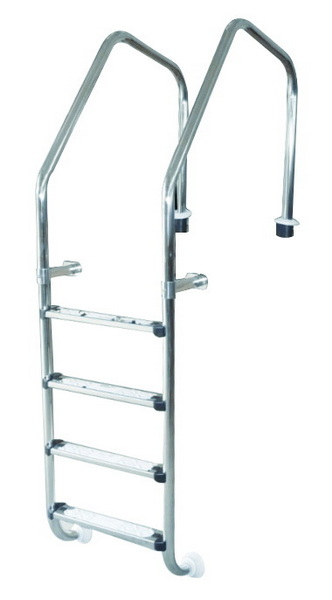
Pool ladders are designed differently for above‑ground and inground pools, with variations in height, step style, and how they anchor to the pool wall or deck. Common options include A‑frame ladders for above‑ground pools and deck‑mounted stainless‑steel ladders for inground pools.[3][5][1]
- Above‑ground ladders often have two sides: one outside the pool and one inside, sometimes with removable or lockable outer steps for child safety.[6][4]
- Inground ladders usually use metal rails that slide into ladder cups or anchors set in the deck, with 2–4 non‑slip steps fixed between them.[5][3]
Before starting, gather the basic tools and check that you have all ladder components listed in the manufacturer's manual. Having everything ready reduces assembly errors and makes the job faster.[8][3]
Typical tools and materials include:[1][3]
- Phillips and flathead screwdrivers
- Adjustable wrench or socket set
- Drill with masonry or concrete bit (for new deck anchors)
- Measuring tape and marker
- Pool ladder or step kit (rails, treads, hardware, caps)
- Ladder cups/anchors and wedges (for inground)
- Weights, sand, or water fill (for some above‑ground and drop‑in models)
Above‑ground ladders commonly arrive as a kit of side rails, step treads, braces, and hardware that you clip or bolt together. Follow your specific manual, but the general workflow is similar across brands.[10][9]
Lay out all components on a clean surface near the pool and cross‑check them against the parts list. Remove any plastic flashing or rough edges from molded parts that could scratch the liner or swimmers.[3][8][1]
Most plastic or resin ladders require you to slot each step into pre‑formed recesses in the side rails and secure them with bolts or locking tabs. Ensure each step is fully seated and level so the finished ladder doesn't rock under load.[9][10][1]
- Start from the bottom step and work upward so the frame remains balanced during assembly.[9]
- Tighten hardware firmly, but avoid over‑tightening plastic parts to prevent cracking.[10]
Install any horizontal braces that lock the two sides together and attach the top platform or top tread that bridges the pool wall. The platform should sit securely over the top rail of the pool or deck edge without significant gaps or rocking.[6][9][10]
Some freestanding plastic ladders use internal cavities that must be filled with water or sand to prevent the base from floating or shifting. Follow the fill instructions carefully to reach the recommended weight and then securely close all caps.[11][1]
- Lift and gently tap the ladder on the ground while filling to dislodge trapped air pockets in the tubes.[11]
- Confirm that all plugs and caps are sealed to avoid leaks into the pool water.[1]
Move the completed ladder into place so the inner legs rest firmly on the pool floor and the outer legs stand on a stable surface. Adjust its position so steps are perpendicular to the pool wall and there is adequate clearance for swimmers around the entry point.[6]
Many above‑ground ladders include anchor straps, pads, or locking mechanisms for the outside steps to limit unsupervised access by children. Engage any available locks or removable outer steps whenever the pool is not in use.[4][6]
- Verify that the ladder does not sway when an adult applies full weight on the top platform and steps.[12]
- Use non‑slip mats beneath the outer legs if the surrounding ground or deck becomes slippery when wet.[6]
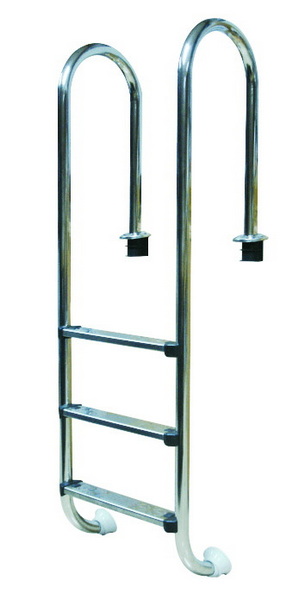
Inground ladders typically use metal rails and plastic or metal steps, anchored into cups or sleeves in the deck. Correct anchor placement and tight wedges are critical for a rigid, long‑lasting installation.[5][3]
If the pool is existing, inspect the ladder cups set into the concrete deck for debris, standing water, or corrosion and clean them thoroughly. For new installations, align the ladder position, mark drill points, and install appropriate anchors according to the manufacturer's specifications.[14][3][5]
Most inground ladders arrive with pre‑formed rails that you connect with treads using bolts and anti‑slip step pads. Align each step evenly and torque all hardware so no movement occurs under load.[14][5][1]
- Confirm that the spacing between steps matches pool code or manufacturer recommendations for comfortable climbing.[2]
- Use corrosion‑resistant stainless hardware where possible, especially in saltwater pools.[5]
Slide the ladder rails into the deck cups or anchors, ensuring the base bumpers rest against the pool wall and the bottom of the ladder touches the pool floor evenly. Adjust the rails so they are vertical and symmetrical before tightening wedges or anchor clamps.[3][14]
Use a socket wrench or open‑end wrench to tighten the internal wedges or clamps that lock the rails into the anchors. The rails should not twist or lift when pulled or pushed by an adult.[12][14][3]
- Perform a wet test: enter and exit the pool several times, checking for any flexing, creaking, or movement.[12]
- Retighten all anchor hardware after the first week of use, especially on new concrete decks that may still be curing.[14]
Correct installation is only part of ladder safety; everyday use habits and design choices matter as well. Proper step width, grip, and surface texture significantly lower the risk of slips and falls, especially for children and older swimmers.[2][4]
Key safety recommendations include:[2][6]
- Choose ladders with non‑slip treads and handrails on both sides that are easy for small hands to grasp.
- Ensure step width is adequate and spacing is comfortable to climb, with no sharp edges or exposed bolts.
- Keep ladders inaccessible to children when the pool is unsupervised by locking or removing outer steps on above‑ground models.
- Never allow multiple people to climb the ladder at the same time to avoid overloading or collisions.
Regular inspection and cleaning will greatly extend the life of your ladder and maintain safe footing. Sun, chemicals, and water all stress materials, so early detection of damage prevents sudden failures.[5][12]
- Rinse metal ladders with fresh water regularly, especially in saltwater or heavily chlorinated pools, to reduce corrosion.[5]
- Inspect steps for cracks, loosened bolts, or worn non‑slip surfaces and replace damaged parts promptly.[15][12]
- Check anchor wedges and hardware at the start of each season and after storms or heavy use.[3]
- Store removable above‑ground ladders indoors during off‑season to prevent UV damage and mechanical wear.[6]
Setting up a pool ladder correctly means matching the ladder to your pool type, following a clear assembly sequence, and locking everything down so it feels rock‑solid underfoot. Combine that solid installation with good safety practices and simple seasonal maintenance, and your ladder will offer safe, comfortable access to the water for many years.[1][2][3][5]
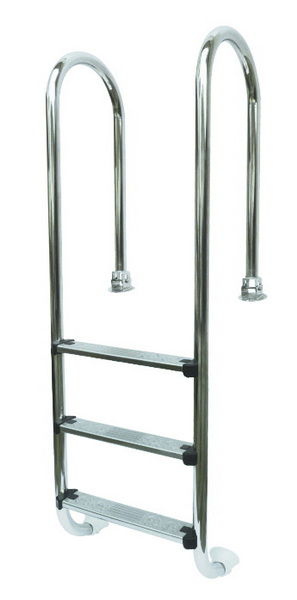
Most ladders are designed for one pool type, and using them outside their intended design can create stability or compatibility issues. Always check the manufacturer's rating for pool type, wall height, and mounting style before installing.[1][3][5]
A comfortable setup usually puts the lowest step slightly above the pool floor while still fully submerged for easy footing. This reduces the risk of stubbing toes on the floor radius and makes climbing easier for shorter swimmers.[16][2][1]
A visual inspection at least once a month during the swimming season, plus a thorough check at opening and closing, is recommended. Any signs of rust, cracks, wobbling, or loose hardware should be addressed immediately.[15][12][5]
If your pool has a surrounding deck, using deck brackets or straps to secure the ladder can significantly improve stability and safety. Freestanding A‑frame ladders without deck anchors rely heavily on correct weighting and even ground.[12][1][6]
Yes, some ladders and step systems are designed with wider, deeper treads, extended handrails, and gentler step spacing to help children, seniors, and people with reduced mobility. Drop‑in steps and wedding‑cake style stairs are especially popular for improved comfort and safety.[1][5]
Stop using the ladder immediately, retighten all hardware and anchors, and confirm that the floor or deck beneath it is level and solid. If movement persists, contact the manufacturer or a pool professional to evaluate whether parts need replacement or repositioning.[14][12]
[1](https://www.mavaquadoc.com/blogs/pool-maintenance-blog/installing-pool-steps-a-step-by-step-guide)
[2](https://www.poolfencediy.com/blogs/blog/pool-ladder-safety)
[3](https://blog.linerworld.com/2011/01/14/swimming-pool-ladder-installation/)
[4](https://www.poolfencediy.com/blogs/blog/pool-ladder-safety?srsltid=AfmBOorvHvT_a2TNuZPFOuyYYaz8KPpupFF8aPTSvz_SaadMJOMlWZmV)
[5](https://www.svadonpoolcn.com/slug-a-comprehensive-guide-to-inground-pool-ladders-safety-selection-and-maintenance/)
[6](https://sternsbackyard.com.au/blogs/news/safety-tips-for-installing-and-using-above-ground-pool-ladders)
[7](https://www.youtube.com/watch?v=kBZZrt8Gop4)
[8](https://www.familypoolfun.com/pdf/ne1222_manual.pdf)
[9](https://www.youtube.com/watch?v=AcVIHFSLCTY)
[10](https://www.youtube.com/watch?v=JJkG7vsan1E)
[11](https://www.facebook.com/groups/637529959937311/posts/2635564603467160/)
[12](https://blog.watsons.com/blog/make-above-ground-pool-ladder-stable)
[13](https://www.youtube.com/watch?v=ANV4WKmQTxI)
[14](https://www.youtube.com/watch?v=6lg8kCHO0m0)
[15](https://www.youtube.com/watch?v=z2tjyznDJek)
[16](https://poolfence.com/pool-ladders-a-step-toward-safety/)
[17](https://www.reddit.com/r/pools/comments/tkvb96/above_ground_pool_ladder_help/)
[18](https://www.youtube.com/watch?v=qpJDdgZaclQ)
[19](https://sternsbackyard.com.au/blogs/news/safety-tips-for-installing-and-using-above-ground-pool-ladders?srsltid=AfmBOopn7X0et5tqA2Hjj8tvxUnIHVxdracBUp1js3su5_LhjCjuseUM)
[20](https://www.thepoolfactory.com/blogs/equipment/make-your-pool-safer-simple-steps)


