
Views: 222 Author: Tina Publish Time: 2025-12-13 Origin: Site


Content Menu
● What “Turnover” Really Means
● Typical Daily Runtime (Short Answer)
● Key Factors That Affect Pump Runtime
● How to Calculate Your Own Pump Runtime
● Single‑Speed, Two‑Speed, and Variable Speed Pumps
● Sample Runtime Guidelines Table
● When to Run the Pump (Day vs Night)
● Seasonal Adjustments to Runtime
● Why Proper Runtime Protects Your Equipment
● OEM Pump and Filter Solutions from China
● Practical Tips to Optimize Your Runtime
>> 1. Is it OK to run a pool pump 24 hours a day?
>> 2. Can I run my pool pump for less than 8 hours?
>> 3. How long should I run a variable speed pump?
>> 4. Does weather really change how long I should run the pump?
>> 5. Should I run the pump during the day or at night?
>> 6. How do I know if I am running my pump long enough?
A pool pump should typically run long enough each day to turn over all the pool water at least once, which for most residential pools means around 8–12 hours of runtime in a 24‑hour period. The exact schedule depends on pool size, pump and filter type, climate, and how heavily the pool is used.[1][2][3][4]
Running your pool pump the right number of hours is essential for clear water, safe swimming conditions, and reasonable electricity bills. This guide explains how to calculate ideal runtime, how to adjust for different seasons and equipment types, and how OEM‑quality pumps and filters from a professional Chinese factory can help international buyers optimize performance.[4][1]
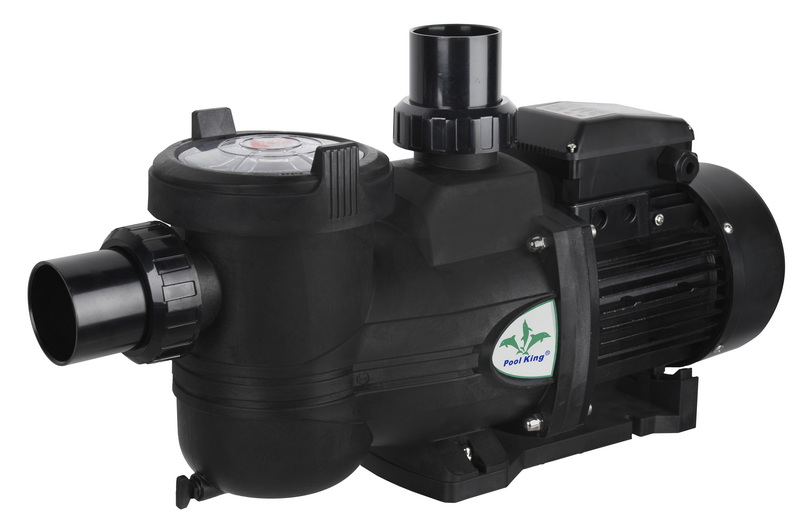
The key concept behind pump runtime is water turnover, which is how long it takes the pump and filter to circulate all the water in the pool one time. Most residential pools are designed for a turnover rate of about 8 hours or less, meaning your system should be capable of moving the full pool volume through the filter within this period.[5][4]
Industry recommendations generally call for at least one full turnover every 24 hours for residential pools, while commercial pools may target 2–4 turnovers per day under health codes. In practice, many residential owners aim for 1–2 turnovers daily depending on climate, bather load, and water quality expectations.[6][7][4]
For most home pools, a pump runtime of 8–12 hours per day is enough to achieve at least one full turnover and maintain clear water. Smaller or lightly used pools in cooler climates may be fine at the lower end of this range, while large, warm‑climate pools or heavily used pools may need closer to 10–12 hours daily.[2][3][1]
When using a variable speed pump at lower RPM, total runtime can be longer (often around 12 hours or more) but with much lower energy consumption compared to a single‑speed pump running fewer hours at full power. The goal is not just hours, but total volume moved through the filter while balancing energy use and water clarity.[8][9][10][2]
Several variables determine how long you should run a pump in any specific pool, so every schedule needs some tuning. The main factors include:[2][4]
- Pool volume: Larger pools require more runtime to achieve one full turnover with the same pump and filter system.[11][4]
- Pump flow rate: A higher‑flow pump can reach one turnover faster, while a smaller pump needs more hours to move the same water volume.[7][5]
- Filter type and condition: Sand, DE, and cartridge filters all have different resistance and cleaning performance; a dirty or undersized filter forces longer runtimes to maintain clarity.[4][2]
- Climate and water temperature: Warm, sunny conditions accelerate algae growth, often requiring longer daily runtimes (12–16 hours in hot summer conditions in some regions).[3][11]
- Bather load and debris: Frequent swimmers, leaves, dust, or nearby trees add contamination and debris, increasing filtration demand and recommended pump hours.[3][11]
A practical way to set runtime is to estimate how long it takes your system to turn over the pool volume once. Use this three‑step approach:[5][4]
1. Estimate pool volume (in gallons or cubic meters) using length × width × average depth × shape factor. Many pool industry calculators and apps provide fast estimates based on pool shape.[5]
2. Check the pump's flow rate and the filter's rated flow (typically given in gallons per minute or cubic meters per hour on the nameplate or technical datasheet).[4][5]
3. Divide pool volume by flow rate to get the approximate number of hours needed for one turnover; plan at least this value and increase runtime during hot seasons or heavy use.[7][4]
Because real‑world plumbing and filter resistance can reduce flow, many professionals recommend observing water clarity and adjusting runtime in small steps until the pool stays consistently clear.[5][4]
Different pump technologies change how runtime is calculated and optimized.[8][2]
- Single‑speed pumps run at one high speed and often reach turnover quickly but with high energy use, so many owners run them 6–10 hours daily depending on pool size and climate.[2][5]
- Two‑speed pumps can run longer on low speed for efficiency and shorter periods on high speed for vacuuming or intensive cleaning.[2][5]
- Variable speed pumps (VS) allow precise RPM control, often running 12+ hours per day at low speeds to save 50–80% energy while still achieving proper turnover.[12][9][8]
Many guides suggest programming a VS pump with a few hours at medium or higher speed for surface skimming and cleaner operation, then the rest at low speed for quiet, efficient filtration.[10][12]
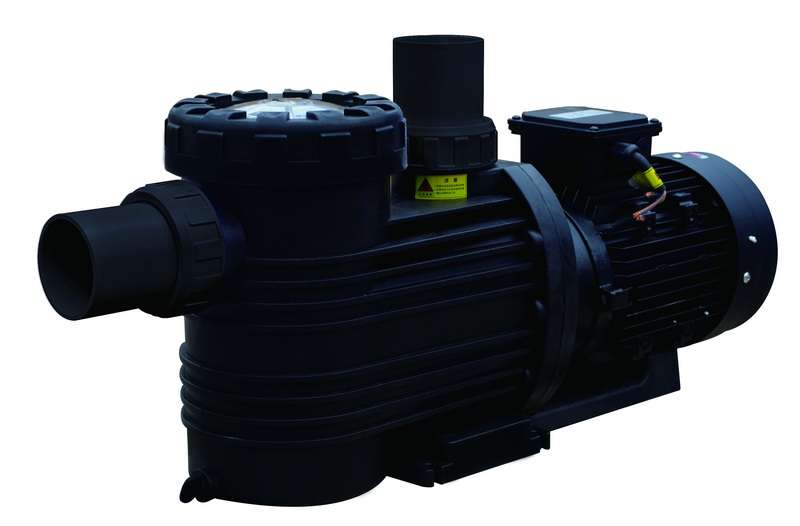
The table below gives example runtime ranges that many pool professionals consider reasonable starting points for residential pools in normal conditions.[11][3][2]
| Pool & pump scenario | Typical daily runtime |
|---|---|
| Small residential pool, single‑speed | 6–8 hours per day.fjvconstruction |
| Average residential pool, single‑speed | 8–10 hours per day.swimuniversity+1 |
| Large or heavily used pool, single‑speed | 10–12 hours per day.fjvconstruction+1 |
| Variable speed pump (mixed speeds) | Around 12 hours per day.lesliespool+1 |
| Hot summer, high debris/usage | 12–16 hours per day.riverbendsandler+1 |
These values are starting points; final settings should be tuned based on actual water clarity, chemical stability, and energy cost.[4][5]
Besides total hours, timing affects efficiency and water quality.[13][8]
Running the pump during the warmest daytime hours helps combat algae because sunlight and heat encourage growth, so circulating and chlorinating water while the sun is strongest is beneficial. However, many owners shift part of runtime to off‑peak electricity hours at night to reduce energy costs while still achieving the daily turnover target.[1][3][8]
A common strategy is to split runtime, for example, several hours during the day for active sanitizing and surface skimming, and the remaining hours at night for quiet, low‑cost filtration.[13][8]
Pump runtime rarely stays the same all year. Typical adjustments include:[3][11]
- Summer: Higher water temperatures and more swimmers mean more contaminants and faster algae growth, so a pump may need 10–16 hours per day in hot climates.[11][3]
- Spring and autumn: Transitional periods may work well with intermediate runtimes and frequent visual checks for cloudiness or algae.[3][11]
- Winter: In colder regions, runtime can often be reduced to 4–8 hours per day while still maintaining clarity, or set to periodic cycles mainly to prevent freezing in unheated systems.[3]
Whenever runtime changes, chemical balance and sanitizer levels should be monitored to ensure adequate disinfection.[13][3]
Correct pump runtime protects the entire circulation and filtration system, not just water clarity. Running too few hours can allow debris and algae to accumulate, forcing the filter to work harder later and increasing the need for shocks and corrective chemicals.[16][4]
On the other hand, excessive runtime with an inefficient single‑speed pump can waste energy, strain mechanical components, and raise operating cost per season. Modern, well‑matched filtration combinations (sand filter or DE/cartridge system plus a high‑efficiency pump) from a professional OEM manufacturer help owners achieve clean water with fewer run hours and lower long‑term costs.[16][2][4]
For international brands, wholesalers, and pool equipment manufacturers, partnering with a specialized Chinese factory provides a complete filtration package designed around optimal runtime and efficiency. Advanced facilities can supply:[14][2]
- High‑end sand filters, DE filters, and cartridge filters engineered for residential and commercial applications, with clear flow‑rate ratings and performance curves for easy runtime calculation.
- Energy‑efficient water pumps, including single‑speed, dual‑speed, and variable speed models, with smart control options and programmable runtimes.
- LED pool lighting and accessories coordinated with filtration solutions to support full system OEM branding for export markets.
OEM partners can customize housings, colors, labels, and packaging, while centralized technical documentation explains recommended runtimes, turnover rates, and maintenance schedules in multiple languages.[14][2]
Fine‑tuning pump runtime is an ongoing process rather than a one‑time calculation. Helpful best practices include:[5][4]
- Start with a schedule that delivers at least one full turnover per day, usually 8–12 hours for a typical residential pool.[1][2]
- Observe water clarity and sanitizer levels for 3–5 days; if water remains crystal clear and chemicals are stable, try reducing runtime by 30–60 minutes and continue monitoring.[4][5]
- If water becomes cloudy, algae spots appear, or chlorine demand rises sharply, increase runtime and inspect the filter for cleaning or backwashing needs.[16][4]
- Use a timer or automation system to split runtimes between peak and off‑peak hours to reduce electricity costs without sacrificing turnover.[8][1]
Working with a high‑quality, correctly sized pump and filter from a reliable OEM improves stability, so runtime adjustments become easier and more predictable.[2][4]
For most residential pools, running the pump 8–12 hours per day is a reliable starting point to achieve at least one full turnover, with adjustments based on pool size, climate, and usage. Variable speed pumps and efficient sand, DE, or cartridge filters allow longer runtimes at low power, reducing energy costs while improving water quality for both homeowners and commercial facilities.[9][8][1][2]
By combining accurate turnover calculations, seasonal adjustments, and smart scheduling between day and night, pool owners can maintain clear, healthy water without unnecessary electricity expenses. International brands, wholesalers, and manufacturers partnering with a specialized Chinese OEM factory for pumps, filters, LED lights, and accessories can further optimize system design and runtime recommendations for their target markets.[14][13][2][3]
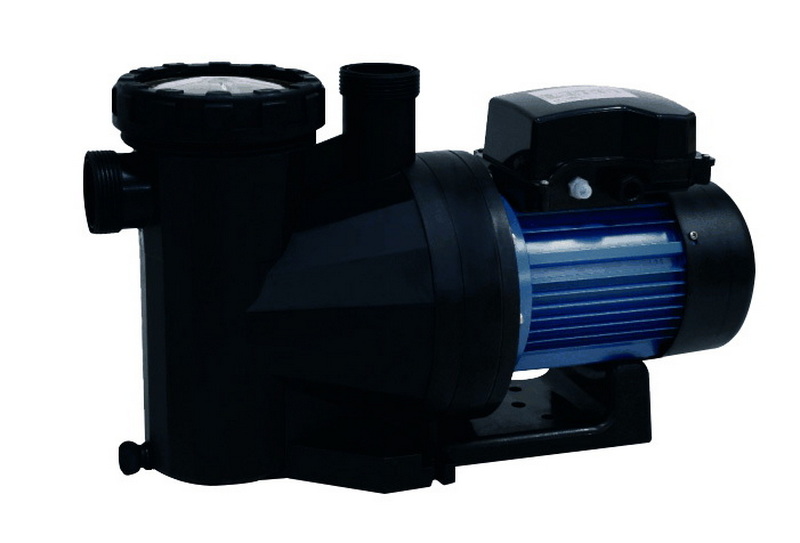
Yes, it is technically safe to run a pump 24/7 if the equipment is in good condition, and some variable speed pumps are specifically designed to run continuously at low speed. However, for most residential pools, a full 24‑hour schedule is unnecessary and increases energy use unless you carefully optimize speeds for efficiency.[17][12][8]
In some small, lightly used pools with efficient filtration, owners successfully run their pumps fewer than 8 hours per day, especially in cooler seasons. However, the general recommendation is at least 8 hours to ensure one turnover, so running less than this should be done cautiously with close monitoring of clarity and chemical balance.[18][1][3][5]
Many pool owners run variable speed pumps for about 12 hours per day, combining a few hours at medium or high speed with the rest at low speed. Because energy use drops dramatically at lower RPM, longer runtimes at low speed are often more efficient than shorter runtimes at full speed.[9][12][10][8]
Yes, warmer water and more sunlight promote algae growth, so hot summer conditions usually require longer daily runtimes than cool seasons. After heavy rain, storms, or periods of intense use, additional hours of filtration help clear debris and stabilize chemical levels.[13][11][3]
Running the pump during the day helps sanitizer work when sunlight and heat are greatest, which is good for algae prevention. But many owners also schedule part of runtime at night to take advantage of lower electricity rates while still achieving total daily turnover.[1][8][3]
Consistently clear water, stable sanitizer levels, and minimal algae growth usually indicate that runtime is adequate. If you see recurring cloudiness, algae spots, or rising chemical usage, it is a sign that you may need to run the pump longer, clean or upgrade the filter, or improve circulation.[16][5][4]
[1](https://www.swimuniversity.com/run-pool-pump/)
[2](https://www.fjvconstruction.com/how-often-should-you-run-your-pool-pump)
[3](https://www.riverbendsandler.com/help-advice/pool-school-how-often-should-a-pool-pump-run-in-the-summer/)
[4](https://www.californiapools.com/blog/california-pools-blog/pool-maintenance-care/how-long-should-you-run-your-pool-pump-/)
[5](https://florida.codypools.com/2020/10/05/how-long-should-i-run-my-pool-pump-every-day/)
[6](https://www.reddit.com/r/pools/comments/dhrbrx/misleading_guidance_on_vs_pump_speed_and_turnover/)
[7](https://www.reddit.com/r/pools/comments/14p2e0j/variable_speed_pump_run_times/)
[8](https://lesliespool.com/blog/whats-the-best-time-to-run-your-pool-pump.html)
[9](https://lesliespool.com/blog/how-to-calculate-pool-pump-run-time.html)
[10](https://poolpartstogo.com/blogs/articles/ideal-schedule-for-your-variable-speed-pool-pump)
[11](https://guyrobertlandscape.com/summer-pool-pump-runtime-guide/)
[12](https://www.youtube.com/watch?v=5SbEB44THW4)
[13](https://www.1stdirectpools.com/blog/post/when-run-pool-pump-ultimate-guide)
[14](https://www.swimmingpool.com/maintenance/pump&filter/how-long-to-run-pool-pump/)
[15](https://www.youtube.com/watch?v=edm862QQ9mY)
[16](https://home.howstuffworks.com/swimming-pool-pumps-run-all-the-time.htm)
[17](https://www.swimmingpoolsteve.com/pages/shut-off.html)
[18](https://www.reddit.com/r/pools/comments/153sq0a/should_my_pool_pump_be_on_8_hoursday/)
[19](https://www.reddit.com/r/pools/comments/pbcz27/how_long_should_i_run_my_pool_pump_each_day_i/)
[20](https://www.reddit.com/r/pools/comments/15ysu79/new_pool_owner_here_how_long_do_you_run_your_pump/)


