
Views: 222 Author: Tina Publish Time: 2025-07-12 Origin: Site


Content Menu
● Understanding Pool Pipe Fittings
● Tools Required for Removing Pool Pipe Fittings
● Step-by-Step Guide to Removing Pool Pipe Fittings
>> 1. Identify the Fitting Type
>> 2. Removing Threaded Fittings
>> 3. Removing Glued PVC Fittings
>> 4. Removing Push-Fit Fittings
>> 5. Removing Barbed Fittings
● Removing Special Types of Fittings
>> Removing Stuck or Broken Fittings
>> Removing Fittings from Tight Spaces
>> Dealing with Old or Brittle Pipes
● Troubleshooting Common Issues
>> Glue Residue Inside Fitting
>> Threaded Fitting is Rounded Off
● Maintenance Tips After Removal
>> 1. What is the easiest way to remove a glued PVC pool pipe fitting?
>> 2. Can I reuse pool pipe fittings after removal?
>> 3. What tools do I need for removing pool pipe fittings?
>> 4. How do I remove a broken fitting stuck inside the pipe?
>> 5. What should I do if the pipe cracks while removing a fitting?
>> 6. How can I prevent fittings from getting stuck in the future?
>> 7. What should I do if I find leaks after reassembly?
>> 8. How long should I wait before turning the pool system back on after repairs?
>> 9. Are there alternatives to cutting pipes when removing glued fittings?
>> 10. When should I call a professional?
Maintaining a swimming pool involves routine upkeep and occasional repairs. One of the most common yet challenging tasks is removing pool pipe fittings. Whether you're upgrading equipment, fixing leaks, or replacing old plumbing, knowing how to safely and efficiently remove these fittings is essential for every pool owner and DIY enthusiast. This comprehensive guide will walk you through everything you need to know, from identifying different types of fittings and tools required, to step-by-step removal techniques, troubleshooting, safety tips, and answers to frequently asked questions.
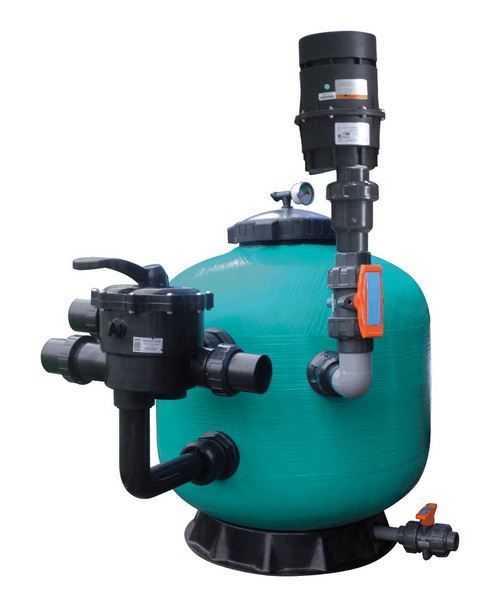
Pool pipe fittings are connectors used to join, redirect, or terminate sections of pool plumbing. They ensure water flows efficiently between the pool, pump, filter, heater, and other equipment. Pool plumbing is most commonly made from PVC, but you may also encounter CPVC, flexible poly pipe, or even metal fittings in older installations.
Improper removal can lead to cracked pipes, leaks, or costly damage to your pool system. Learning the correct techniques not only saves time and money but also extends the lifespan of your pool's plumbing.
| Fitting Type | Description |
|---|---|
| Coupler | Joins two pipes in a straight line. |
| Elbow | Changes the direction of the pipe (usually 45° or 90° angles). |
| Tee | Splits flow into two directions or combines two flows into one. |
| Union | Allows for easy disconnection and reconnection of pipes. |
| Adapter | Connects pipes of different sizes or types. |
| Cap/Plug | Seals the end of a pipe. |
| Barbed Fitting | Used with flexible poly pipe, secured with hose clamps. |
- PVC: Most common, easy to cut and glue.
- CPVC: Used for higher temperature resistance.
- Poly Pipe: Flexible, used for underground or curved runs.
- Metal: Rare in modern pools, but may be found in older systems.
Having the right tools makes the removal process smoother and helps prevent damage.
- Channel lock pliers
- Pipe wrenches
- Strap wrench or oil filter wrench (for unions)
- Heat gun or hair dryer (for glued PVC fittings)
- Hacksaw or pipe cutter
- Utility knife
- Slip-joint pliers
- Push-fit disconnect tong tool (for push-fit fittings)
- Pipe deburring tool
- Safety gloves and goggles
- Penetrating oil (for stuck threaded fittings)
- Pipe reamer (for cleaning inside fittings)
- Specialty removal tools (e.g., Pipe Piranha for glued fittings)
Before starting, follow these steps to ensure safety and efficiency:
- Turn off the pool pump and all related equipment.
- Drain water from the section of pipe you'll be working on.
- Gather all necessary tools and safety equipment.
- Inspect the area for tight spaces or obstacles.
- Lay down towels or a bucket to catch any residual water.

- Threaded fittings: Unscrew from the pipe or equipment.
- Glued (solvent-welded) fittings: Bonded with PVC cement.
- Push-fit fittings: Use an internal O-ring and can be removed with a special tool.
- Barbed fittings: Used with flexible poly pipe and hose clamps.
- Use channel lock pliers or a pipe wrench to grip the fitting.
- Turn counterclockwise to unscrew.
- Apply penetrating oil if the fitting is stuck, allowing it to soak for several minutes.
- Use gentle, steady force to avoid cracking the fitting or pipe.
- Use a heat gun or hair dryer to warm the fitting, softening the glue.
- Grip the fitting with pliers and twist gently.
- If the fitting won't budge, cut the pipe as close to the fitting as possible with a hacksaw.
- Use a pipe reamer or deburring tool to clean the inside of the fitting if you plan to reuse it.
- Slide the disconnect tong tool over the pipe and fitting.
- Squeeze the tool to depress the release collar.
- Pull the pipe out of the fitting.
- Loosen hose clamps with a screwdriver or socket wrench.
- Twist and pull the fitting out of the flexible pipe.
- If stuck, warm the pipe with a heat gun to soften it.
- If a fitting is stuck due to corrosion or overtightening, apply heat and penetrating oil.
- For broken threaded fittings, use a fitting removal tool or a hacksaw blade to carefully cut and remove the remnants.
- Specialty tools like the Pipe Piranha can chew out old fittings from inside the pipe.
- Use long needle-nose pliers for hard-to-reach areas.
- Strap wrenches can grip fittings without damaging them.
- Flexible shaft tools may help in confined spaces.
- Older pipes may crack easily. Work slowly and avoid excessive force.
- If a pipe cracks, cut back to undamaged pipe and use a coupling to join a new section.
- Apply more heat, but avoid overheating and damaging the pipe.
- Use two wrenches for extra leverage.
- If all else fails, carefully cut out the fitting.
- Cut back to undamaged pipe.
- Use a coupling to join a new section of pipe.
- Scrape out excess glue with a utility knife or reamer.
- Sand smooth before installing a new pipe.
- Use a pipe extractor or specialty removal tool.
- If still stuck, cut the pipe and install a new fitting.
- Always wear safety gloves and goggles.
- Work in a well-ventilated area when using heat or solvents.
- Avoid excessive force to prevent damage to pipes and fittings.
- Turn off all electrical equipment before starting work.
- Keep a fire extinguisher nearby when using heat tools.
- Inspect all pipes and fittings for cracks or wear before reassembly.
- Clean pipe ends thoroughly before installing new fittings.
- Use appropriate primer and solvent cement for PVC/CPVC fittings.
- Allow glue to cure fully before turning the system back on.
- Test for leaks by running water through the system before covering or backfilling any pipes.
Removing pool pipe fittings is a manageable task with the right knowledge and tools. By identifying the type of fitting, using appropriate removal techniques, and taking safety precautions, you can tackle most pool plumbing repairs yourself. Patience and care are key to preventing damage and ensuring a successful repair. If you encounter stubborn or complex issues, don't hesitate to consult a professional.

The easiest method is to use a heat gun or hair dryer to soften the glue, then twist and pull the fitting off with pliers. If the fitting is too stubborn, cut the pipe close to the fitting and use a reamer to clean out the old pipe.
You can reuse threaded and union fittings if they are undamaged. Glued PVC fittings can sometimes be reused if cleaned thoroughly, but it's generally safer to use new fittings to ensure a watertight seal.
Essential tools include channel lock pliers, pipe wrenches, a heat gun or hair dryer, hacksaw, utility knife, and a push-fit disconnect tong tool. Specialty tools like the Pipe Piranha can help with stubborn fittings.
Use a hacksaw blade to carefully cut the fitting from inside, or use a specialty removal tool designed for this purpose. Apply heat if needed to soften the fitting for easier extraction.
Cut back to undamaged pipe and use a coupling to join a new section. Always inspect for cracks before reinstalling fittings to prevent leaks.
Apply a thin layer of Teflon tape on threaded fittings and avoid overtightening. For glued fittings, ensure surfaces are clean and dry before applying cement.
Check all connections for tightness and proper sealing. If leaks persist, disassemble the joint, clean, and re-glue or replace the fitting as necessary.
Allow solvent cement to cure for at least 2 hours (or as recommended by the manufacturer) before running water through the system.
Specialty tools like internal pipe cutters or extractors can sometimes remove glued fittings without cutting, but these are best used by experienced DIYers.
If you encounter complex plumbing layouts, persistent leaks, or brittle pipes that crack easily, it's best to consult a pool professional.


