
Views: 222 Author: Tina Publish Time: 2025-11-26 Origin: Site


Content Menu
● Tools and materials you will need
● Understanding your ladder design
● Step 1 – Assemble the ladder structure
● Step 2 – Locate the sand fill openings
● Step 3 – Choose and prepare the sand
● Step 4 – Fill the ladder with sand
● Step 5 – Cap and seal the fill holes
● Step 6 – Position and submerge the ladder
● Step 7 – Secure and stabilize the ladder
● Optional alternatives to sand ballast
● How your filtration and OEM equipment support safer ladders
● FAQs
>> 1. How much sand should I put in my pool ladder?
>> 2. What kind of sand is best for filling a ladder?
>> 3. How do I prevent sand from leaking into the pool?
>> 4. Can I use something other than sand to weigh down my pool ladder?
>> 5. How often should I check my sand‑filled ladder?
>> 6. Is a sand‑filled ladder safe for vinyl liners?
Putting sand in a pool ladder is a simple but very important step that keeps the ladder from floating, rocking, or tipping when swimmers use it. When done correctly, sand ballast improves safety, protects the pool liner, and extends the service life of your ladder and other pool equipment. This guide walks through tools, preparation, filling steps, safety checks, and maintenance in your article layout.[1][2][3][4][5]
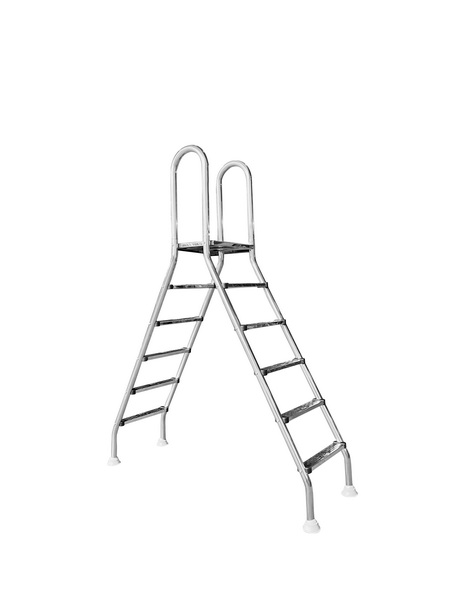
Most resin or polyethylene pool ladders are hollow, so they naturally trap air and float without extra weight. Filling built‑in ballast compartments with sand adds stable, evenly distributed weight that keeps the ladder firmly on the pool floor.[6][2][4]
- Sand is inexpensive, easy to handle, and compatible with plastic ladder bodies.[2]
- Manufacturers of both above‑ground and inground pool ladders commonly design dedicated sand chambers for this purpose.[4][2]
- Correctly weighted ladders reduce the risk of wobbling, step movement, or sudden shifting under a swimmer's foot.[5][2]
Before you start, gather all equipment and accessories so you can complete the job in one smooth process.[1][2]
- Clean, dry play sand (typically 40–70 lbs total depending on model).[2]
- Funnel or spout for small fill holes.[6][2]
- Screwdriver or wrench set for ladder assembly hardware.[2]
- Ladder fill plugs or caps supplied by the manufacturer.[7][2]
- Rubber mallet for gently tapping panels to settle sand.[2]
- Soft brush and cloths for cleaning around fill ports and seals.[2]
Many modern ladders specify the sand weight per panel, for example 20–25 lbs of sand per side panel, or up to 50 lbs in large top‑step compartments. Always check the ladder's manual for exact weight recommendations so you do not under‑ or over‑fill the ballast areas.[8][6][1][2]
Different ladder and step systems use slightly different ballast designs, but the basic principle is the same: add sand to built‑in compartments or to accessory weights attached to the ladder.[4][2]
Common configurations include:
- Side panel ballast: Two sand fill holes in each vertical side panel for above‑ground ladders.[6][2]
- Top step compartment: A larger cavity inside a wide top step or platform, especially on premium step systems.[1][2]
- External weight system: Separate weight modules that mount to each side of the step and are filled with sand.[7][5]
Start by assembling the main ladder frame before adding sand so you can see the correct orientation of each panel.[3][2]
1. Lay out all parts: steps, side panels, handrails, hardware, plugs, and mounting flanges.[2]
2. Connect the steps to the side panels according to the instruction manual, using snap‑fit joints or bolts as supplied.[3][2]
3. Attach handrails and any deck mounting brackets but do not fix the ladder permanently to the deck yet.[5][2]
Ensure every step is fully seated and all fasteners are tightened to the manufacturer's torque recommendation for safe load capacity. Inspect for cracks, deformities, or shipping damage, especially around planned sand fill areas.[2]
Once the frame is assembled, find each dedicated fill hole or compartment plug.[6][2]
Typical locations:
- Small circular or oval caps on the lower part of each side panel.[6][2]
- A removable plug at the top surface or side of a large top step.[1][2]
- Ports on bolt‑on weight modules that mount to either side of the step.[7]
Remove each cap carefully without damaging the sealing surfaces so they can be reused to close the sand in securely. If your ladder uses external sand weights, detach or open those modules according to the product's instructions.[5][7][2]
The best option for filling a pool ladder is clean, dry play sand that is free from clay, organic matter, or large stones.[4][2]
- Play sand flows easily through funnels and settles well inside narrow cavities.[2]
- Dry sand minimizes clumping, which helps avoid air pockets and uneven weight distribution.[2]
- Avoid construction debris, soil, or corrosive materials that might stain the pool water or damage the plastic.[2]
If the sand is slightly damp, allow the opened bags to air‑dry in a sheltered area before filling to prevent clogging in the funnel and to make it easier to achieve a consistent fill.[2]
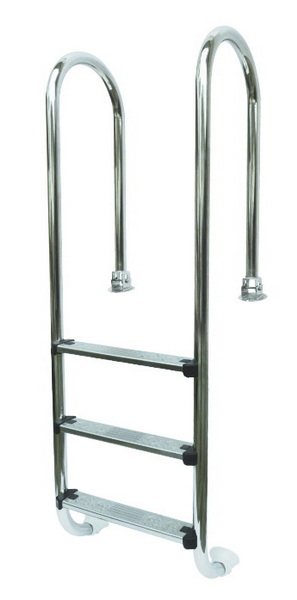
Now you can load sand into the ladder's ballast compartments in a controlled and safe way.[1][6][2]
1. Insert a funnel or spout into the lowest fill hole on the first panel or compartment.[6][2]
2. Pour sand slowly, pausing every few seconds to let it settle and avoid backing up into the funnel.[1][6]
3. Gently tap the panel with a rubber mallet or shake it slightly so the sand settles and air pockets rise.[6][2]
4. Continue until the lower compartment is full, then move to the upper fill hole if your ladder uses a two‑chamber design.[6]
Many side panels are designed for about 20–25 lbs of sand each, while a central top compartment might accept up to 50 lbs of sand. Repeat the process for every ballast chamber to ensure an even total weight on both sides of the ladder.[1][6][2]
After each compartment is completely filled, reinstall the caps or plugs to prevent sand leaks into your pool.[7][2]
- Press each plug firmly into place, ensuring the sealing ring or O‑ring (if present) seats evenly all around.[2]
- Tighten screw‑type caps by hand until snug; do not overtighten to the point of cracking the plastic.[2]
- Wipe away loose grains of sand around the plug seats for a clean sealing surface.[2]
Inspect every plug once more before moving the ladder; a loose or missing plug is the most common cause of sand spilling into the pool water during use.[9][2]
With the ladder fully weighted, you are ready to place it into the pool and release trapped air.[4][1][2]
1. With assistance if needed, carry the ladder to the pool edge and lower it carefully into the water.[10][1]
2. Hold the ladder at a slight angle underwater so air bubbles can escape from the ladder body and ballast chambers.[1][2]
3. Gently tilt or rock the ladder until bubble release slows or stops, confirming that most trapped air has been displaced.[1][2]
4. Set the ladder firmly on the pool floor, maintaining a small gap—around 2–3 cm—between the ladder and the wall or liner to avoid abrasion.[2]
If the ladder still wants to float or rock noticeably, it may not contain enough sand, or air may still be trapped inside. You can lift the ladder slightly, tilt again to release more air, and then reassess whether more sand is required according to your model's specifications.[5][1][2]
Once the ladder is submerged and stable by weight, fix it securely so it does not move under load or rubbing from swimmers.[5][2]
- Attach deck flanges or mounting brackets using corrosion‑resistant stainless steel bolts as specified by the manufacturer.[5][2]
- Tighten all fasteners and verify that the handrails are rigid with minimal flex under body weight.[2]
- On above‑ground pools, confirm that any clamps or straps connecting the ladder to the pool wall are snug but not damaging the top rail.[5]
Some setups use additional accessories such as sand‑filled weight bags or PVC‑tube weights to supplement built‑in ballast, especially for wide entry step systems. If you use external weights, secure them so they cannot shift or scrape the liner when swimmers move the ladder slightly.[11][12][7][5]
Regular inspection keeps your sand‑filled ladder safe and extends its life.[5][2]
- Check each season for cracks, worn anti‑slip treads, and loose handrail hardware.[2]
- Inspect fill plugs for damage or leaks; if sand appears around the base, remove the ladder and reseal or replace caps before further use.[9][2]
- Brush around and under steps during normal pool maintenance to avoid algae growth in low‑circulation areas.[11][10]
For commercial installations, follow local codes and standards that specify ladder materials, slip resistance, and handrail spacing from the pool wall. If your pool uses liners, always ensure that any contact point between ladder and liner is smooth and free from burrs or sharp edges.[13][2]
While sand is the standard ballast material, some pool owners use alternative weight systems when sand leakage is a concern.[14][12][11]
- Sealed PVC tubes filled with sand and capped, strapped to ladder bases.[12][11]
- Purpose‑built plastic weight cubes or bags that can be filled with sand or gravel and attached to steps.[14][7]
- Triple‑bagged play sand in heavy‑duty plastic bags, secured behind or under steps.[11][5]
Even with alternatives, the key goals are the same: even weight distribution, secure attachment, and protection of the pool surface. Always confirm that any custom solution does not violate manufacturer recommendations or local safety rules.[10][4][2]
A properly weighted ladder works best together with an efficient pool circulation and filtration system.[5][2]
- Stable ladders reduce sudden movement, which helps protect fittings, return jets, and nearby piping from impact.[2]
- Clean water from a correctly sized sand, DE, or cartridge filter minimizes slippery biofilm on steps, improving footing.[10][2]
High‑quality OEM sand filters, pumps, and LED lights can be supplied as part of an integrated equipment package for international brands and distributors, offering consistent quality and easier installation for overseas customers. Combined with a professional ladder setup, this creates a safer, more attractive, and more reliable pool environment for end users.[5][2]
Filling a pool ladder with sand is one of the simplest ways to improve safety, comfort, and stability in any swimming pool. By choosing clean play sand, following the manufacturer's weight guidelines, sealing all fill holes, and checking the installation regularly, you can keep the ladder securely on the pool floor and protect both swimmers and the pool structure. When combined with reliable filtration equipment and professional OEM accessories, a properly weighted ladder becomes a long‑lasting, low‑maintenance part of a modern pool system.[4][6][1][5][2]
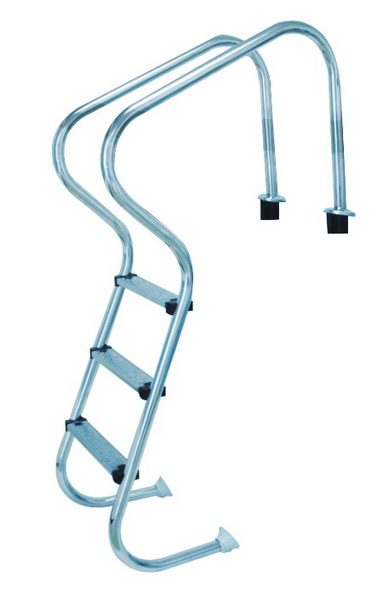
Most modern pool ladders require a total of about 40–70 lbs of play sand, typically split between side panels and any top step compartments. Always check the ladder's manual or label for the exact recommended weight for each compartment and follow that guidance closely.[8][6][1][2]
Clean, dry play sand is recommended because it flows easily, settles without clumping, and does not damage the plastic body or discolor pool water when properly sealed. Avoid construction debris, sharp gravel, or unwashed materials that may scratch the ladder or introduce fine dust into the pool.[4][2]
Make sure all fill plugs and caps are fully seated and in good condition, and wipe away stray grains before sealing the openings. If you notice sand on the pool floor near the ladder, remove the ladder, check each plug, and replace any cracked parts or consider sealed external weight systems instead.[9][11][2]
Yes, some owners use sealed PVC tubes filled with sand, commercial weight modules, or triple‑bagged sand packs attached under the steps. However, manufacturers still generally recommend sand because it distributes weight evenly in purpose‑designed ballast compartments and reduces stress on the ladder body.[12][11][7][4][2]
Inspect the ladder at the start of each season and then monthly during heavy use for signs of movement, plug wear, cracks, or loose hardware. If you remove the ladder for winter, check the ballast areas and plugs again before reinstalling it in the spring.[10][5][2]
Yes, a properly filled and installed ladder is suitable for vinyl pools, provided that contact surfaces are smooth and there are no sharp edges or exposed hardware touching the liner. Maintain a small gap from the wall where recommended and use protective pads if the manufacturer includes them for liner protection.[4][2]
[1](https://www.youtube.com/watch?v=kstTbJYtypE)
[2](https://www.poolkingfilter.com/how-to-fill-pool-ladder-with-sand.html)
[3](https://www.youtube.com/watch?v=q7JE_8DIfsc)
[4](https://www.yahoo.com/lifestyle/weigh-down-pool-steps-simple-180052070.html)
[5](https://blog.watsons.com/blog/stabilize-above-ground-pool-ladder)
[6](https://www.thepoolfactory.com/blogs/equipment/how-prevent-pool-steps-from-floating)
[7](https://bluewaveproducts.com/products/easy-step-weight-system-pair-1)
[8](https://www.familypoolfun.com/pdf/ne1129-manual.pdf)
[9](https://www.facebook.com/groups/637529959937311/posts/2548821515474803/)
[10](https://www.inyopools.com/HowToPage/how_to_weigh_down_your_pool_steps.aspx?CommentPage=1)
[11](https://www.reddit.com/r/pools/comments/v0lhxh/what_sand_weights_do_you_use_to_hold_down_your/)
[12](https://www.poolspaforum.com/forum/index.php?%2Ftopic%2F1059-weighing-pool-steps-downalternative-for-sand%2F)
[13](https://www.reddit.com/r/pools/comments/njk1ze/pool_stairs_have_500lbs_of_sand_in_them_how_does/)
[14](https://www.reddit.com/r/pools/comments/wubcro/how_to_keep_stairs_down_on_floor_instead_of/)
[15](https://www.youtube.com/watch?v=-qkS06U4SC0)
[16](https://www.facebook.com/groups/637529959937311/posts/2625690377787916/)
[17](https://www.facebook.com/groups/637529959937311/posts/2594449264245361/)
[18](https://www.youtube.com/watch?v=Xta4kZy7n9M)


