
Views: 222 Author: Tina Publish Time: 2026-01-22 Origin: Site


Content Menu
● What a sand filter and pool pump do
● Before you start: tools, safety, and sand type
● Step 1: Shut down the pool pump and relieve pressure
● Step 2: Remove the valve and old sand
● Step 3: Clean, inspect, and prepare the tank
● Step 4: Add new sand slowly and evenly
● Step 5: Reassemble the filter and reconnect to the pool pump
● Step 6: Backwash, rinse, and start filtering
● Ongoing care to protect the sand and pool pump
● How OEM pool equipment supports installers
● FAQ
>> 1. How often should sand be changed in a pool filter?
>> 2. Can any kind of sand be used in a pool filter?
>> 3. Do I need to turn off the pool pump while adding sand?
>> 4. Why is backwashing necessary after adding new sand?
>> 5. What pressure reading should I expect after changing the sand?
Putting sand in a pool filter is a precise job: you must use the correct #20 silica sand, protect the internal standpipe and laterals, and then refill, backwash, and rinse before running the pool pump on normal filter mode. Done correctly, fresh sand restores strong filtration, lowers pressure, and helps your pool pump keep the water crystal clear.
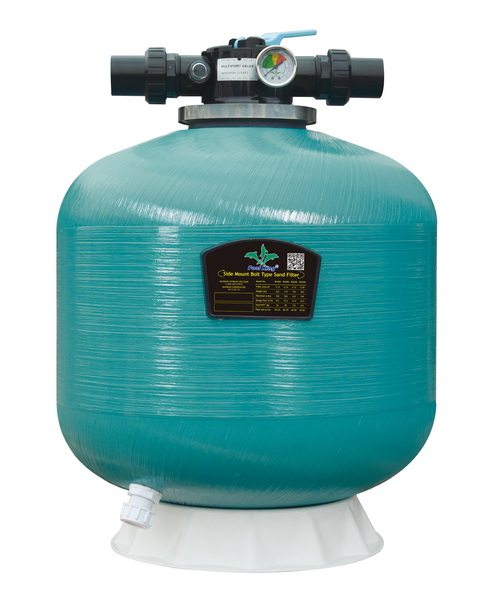
A sand filter is a tank filled with layers of graded silica that trap dirt as water flows through and back to the pool. The pool pump pulls water from the skimmer and main drain, pushes it through the sand bed, and returns clean water, keeping circulation and sanitation stable.
- The pool pump and sand filter work together as the core of the circulation system, constantly removing debris and fine particles.
- Over time, sand becomes worn and clogged, so changing or topping it up restores flow and helps the pool pump run at a lower, more efficient pressure.
When the sand particles are new and sharp, they can catch smaller debris, including fine dust and organic matter that would otherwise stay suspended. As the sand ages and rounds off, the pores between grains open up, and the pool pump has to work harder to achieve the same clarity.
- A well‑maintained sand bed reduces the workload on sanitizers, because the pool pump and filter physically remove contaminants before chemicals must neutralize them.
- In both residential and commercial pools, properly matched sand filters and pool pump sizes are critical for good turnover rates and healthy water.
Preparing correctly protects both the pool pump and the filter tank, and it also keeps you safe while working around water and electricity. Before opening the filter, organize all tools and materials so you can complete the whole job in one session.
- Turn off power at the pool pump switch and at the breaker so the pool pump cannot start accidentally while the filter is open.
- Gather a hose, wet‑dry vacuum or plastic scoop, Teflon tape, protective gloves, eye protection, and new O‑rings or gaskets if the old ones are flattened or cracked.
Only use #20 silica pool filter sand, typically in the 0.45–0.55 mm size range, because other sands either pass through the laterals or clog the filter quickly. Check the filter label or manual for the exact sand quantity, since different tank sizes require different weights to ensure proper coverage above the laterals.
- Do not use play sand, construction sand, or beach sand, because they can channel, cloud the pool, and damage the pool pump and filter.
- For some modern systems, approved alternatives such as specially engineered media or spheres may be allowed, but follow the manufacturer's instructions so the pool pump can operate correctly.
Content tip: add a visual table or graphic in your post that lists common tank sizes and the typical sand quantity they need, with a note to always confirm with the actual product manual. You can also embed a short clip unboxing and pouring certified filter sand bags so buyers know what to look for in stores.
The first hands‑on step is always to make the system safe by eliminating power and internal pressure before touching any fittings. This prevents accidental start‑up of the pool pump and reduces the risk of injury from pressurized water or loose parts.
- Set the multiport valve to the “off” or “closed” position, then switch off the pool pump and lock out the breaker if possible.
- Open the air relief valve on the filter, if equipped, and remove the drain plug at the base of the tank to let water escape before you open the top.
- If your system uses unions between the pool pump and the filter, loosen them only after pressure has dropped to avoid sudden sprays of water.
- Keep electrical cords and the pool pump motor housing away from standing water while you work to prevent shock risk and corrosion.
Once the system is safe, the next step is to access the inside of the filter and remove all worn media without damaging the internal components. This is where many beginners accidentally crack the standpipe or break a lateral, so working slowly is essential.
- For top‑mount valves, loosen the clamp band or bolts and gently twist the valve straight up to avoid stressing the standpipe attached to the laterals below.
- For side‑mount valves, detach the unions and remove the top dome so you can see into the tank and reach the sand.
To remove the old sand, many technicians use an industrial vacuum; others scoop it out by hand with a small container, always moving carefully around the standpipe. Show a close‑up clip of scooping or vacuuming sand, with a voiceover reminding viewers not to pry against the center pipe or lateral assembly.
- Wear gloves when handling old sand because it may contain bacteria, organic buildup, and chemical residue from long‑term use.
- As you get near the bottom, use low water pressure from a hose to gently rinse remaining sand away from the laterals so you can inspect them.
If your filter includes a gravel base under the sand, distinguish between the larger stones and regular sand so you do not accidentally discard the gravel that must stay in place. A short explainer segment can clarify for viewers how the gravel supports the laterals and how the pool pump flow is distributed across the bed.
With the sand removed, the filter shell, standpipe, and laterals are exposed and can be cleaned and inspected before the new sand goes in. Proper inspection at this stage avoids leaks, internal bypassing, and extra strain on the pool pump later.
- Rinse the inside of the tank to remove grime and scale, then check each lateral for cracks, missing slots, or excessive wear.
- Replace any damaged laterals and ensure the hub assembly is firmly seated at the bottom of the tank, with the standpipe straight and centered.
- Dry the standpipe opening and cover it with a piece of tape, a rubber cap, or a plastic cup, so no sand can fall inside and clog the pathway to the pool pump.
- Lightly lubricate O‑rings or gaskets on the valve or lid with a manufacturer‑approved lubricant to improve sealing when you reassemble.
You can illustrate a typical “before and after” here: one clip of stained, dirty tank walls and clogged laterals, followed by a clean tank ready to be refilled. Mention that a clean environment helps the pool pump maintain stable pressure and quieter operation.
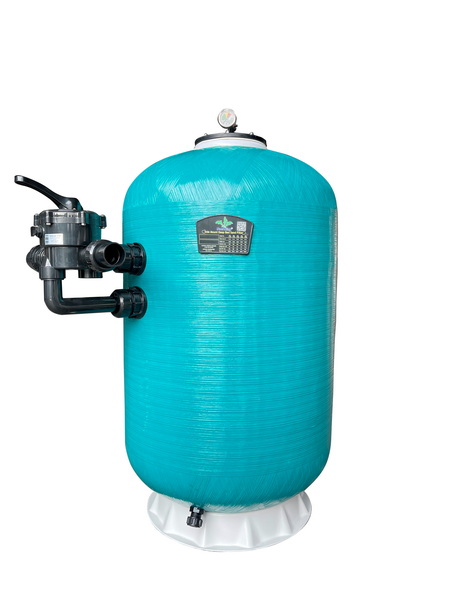
Now you are ready to put sand in the pool filter, which is the most critical step for long‑term filtration performance and pool pump efficiency. The goal is to pour sand slowly enough that it settles evenly across the bottom without lifting or damaging the lateral assembly.
- Pour #20 silica pool filter sand gradually into the tank, aiming for the sides rather than directly onto the standpipe or laterals.
- Pause periodically to level the sand with your hand or a plastic tool, ensuring the bed remains flat and the standpipe stays centered.
Many manufacturers mark a “min” and “max” fill line on the tank or in the manual, and you should stop adding sand at the recommended level rather than filling the tank completely. This ensures adequate freeboard (open space) above the sand so water from the pool pump can distribute properly and backwashing works as designed.
- If your filter uses multiple grades of media, follow the specified layering sequence from coarse at the bottom to fine at the top, never reversing the order.
- Once the correct amount of sand is in place, gently rotate the tank or tap the sides to help the sand settle and eliminate hidden voids.
Content idea: record a top‑down clip of sand pouring in slow motion, with graphics showing how the grains settle around the laterals. Explain that rushing this step can cause channeling, where the pool pump's flow cuts paths through the sand instead of using the entire bed.
After the new sand bed is set, the filter components must be reassembled carefully so all seals are tight and the flow path between the pool pump, filter, and pool is restored. Any misalignment or missing O‑ring can cause air leaks, water loss, or poor circulation that stresses the pool pump.
- Remove the tape or cap from the standpipe opening before installing the valve or top dome to avoid blocking water returning to the pool pump.
- Re‑seat the multiport valve or lid straight down onto the standpipe, align any index marks, and tighten the clamp or bolts evenly around the circumference.
- Replace the drain plug at the bottom of the tank and ensure all fittings are hand‑tight plus a small additional turn with a suitable tool, without overtightening plastic threads.
- Check that the pool pump basket is clean and full of water, because priming is important before you start circulating through the new sand.
At this stage, include a close‑up of the pressure gauge at zero, ready for start‑up. Make a note that a stable, leak‑free connection between the pool pump and filter will also reduce noise and vibration during operation.
New sand contains fine dust and small particles that should be flushed out before sending water back to the pool, otherwise the pool pump will push cloudy water straight into the basin. Using the correct valve settings in the right order protects both the sand bed and the rest of the circulation system.
- With the pool pump still off, set the valve to “backwash,” then start the pool pump and run until the waste water runs clear, typically a few minutes.
- Turn the pool pump off, change the valve to “rinse,” and run again briefly to settle the sand bed and prevent any remaining fines from returning to the pool.
After backwashing and rinsing, switch the valve to “filter,” then restart the pool pump and observe the pressure gauge. The clean starting pressure, often recorded with a marker or note, becomes your reference for future backwashing decisions.
- Walk around the equipment pad checking for leaks at unions, the drain plug, and the valve clamp while the pool pump is running at normal speed.
- Confirm that water is returning strongly to the pool and that the surface shows good circulation patterns, with no air bubbles or cloudy discharge.
To educate your readers further, you can embed a step‑by‑step clip that shows the position of the handle during backwash, rinse, and filter. A voiceover can remind viewers always to turn the pool pump off before changing any valve position.
Once the new sand is in place and the system is filtering, routine maintenance will extend the life of both the sand bed and the pool pump. A stable maintenance pattern also keeps water chemistry easier to manage for homeowners or commercial pool operators.
- Backwash only when the filter pressure rises about 8–10 psi above the clean starting pressure, because excessive backwashing wastes water and can disturb the sand bed unnecessarily.
- Keep the pool pump strainer basket clear of debris and maintain proper water level so the pool pump does not suck air, which can cause cavitation and poor filtration.
Sand in a typical residential filter can last several years if the pool pump is sized correctly, water chemistry is balanced, and heavy contamination is avoided. When pressure stays high even after backwashing or the water remains dull, that is often a sign it is time to repeat the full sand change process.
- Schedule at least one deep cleaning of the sand each season using an approved cleaner to dissolve oils and fine buildup the pool pump alone cannot flush out.
- Check the pool pump's run time and speed settings if you use a variable‑speed model, aiming for enough circulation each day to turn over the pool volume at least once or more.
For professional installers, reliable sand filters and matching circulation equipment make every job smoother and more profitable. Working with an OEM factory allows brands and wholesalers to offer complete systems that include sand filters, DE and cartridge filters, a correctly matched pool pump, LED lighting, and accessories under their own label.
- A well‑matched pool pump and filter combination is designed so the flow rate suits the filter area and sand bed depth, reducing the risk of channeling or internal damage.
- Smart‑manufactured sand filter tanks and pool pump housings made from corrosion‑resistant materials withstand outdoor exposure and chemical treatment in demanding markets.
By partnering with a specialized factory in China, overseas brands, wholesalers, and manufacturers can source premium sand filters, pool pump units, and integrated filtration solutions that are ready for private labeling and large‑scale distribution. This kind of OEM collaboration helps ensure that when end users follow your “how to put sand in a pool filter” guide, they are working with durable, compatible equipment that performs reliably season after season.
Putting sand in a pool filter combines safety, correct media selection, and careful handling of the internal laterals so the system works efficiently with the pool pump. By shutting down power, removing old sand, cleaning the tank, adding the right amount of #20 silica sand, and then backwashing and rinsing before normal filtration, you restore strong circulation and clear water for your pool customers.
Contact us to get more information!
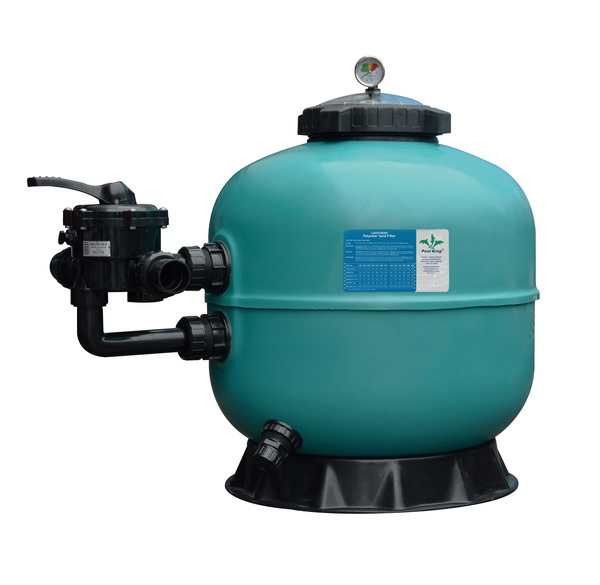
Most residential sand filters need a complete sand change roughly every 3–5 years, depending on bather load, debris, and how well the pool pump and filtration schedule are managed. Heavy commercial use, poor water chemistry, or frequent algae problems can shorten this interval, making earlier replacement a smart choice.
No, only #20 silica pool filter sand in the specified grain size should be used, because other sands either pass through the laterals or quickly clog the filter. Using the wrong media can send fine particles back to the pool, reduce flow, and force the pool pump to work harder, increasing energy use and wear.
Yes, the pool pump must be completely shut off and electrically isolated before opening the filter or adding sand, and the valve should never be moved while the pool pump is running. Working on a pressurized system can be dangerous and may also damage the internal components of the filter and pool pump.
Backwashing flushes out fine dust and impurities from the new sand bed so the pool pump does not push cloudy water and loose particles directly into the pool. The rinse cycle immediately afterward re‑settles the sand, preventing disturbance and helping the filter start with a smooth, even bed.
After a proper sand change, the clean starting pressure on the gauge is usually lower than before, and that reading becomes your new baseline for deciding when to backwash. If pressure is extremely low with poor flow, or very high even with a strong pool pump, recheck sand level, valve orientation, and for possible blockages or air leaks.
1. https://www.swimmingpool.com/maintenance/pump&filter/changing-sand-in-your-pool-filter/
2. https://intheswim.com/blog/how-to-change-pool-filter-sand-2.html
3. https://www.thepoolfactory.com/blogs/pool-care/how-to-change-the-sand-in-a-pool-filter
4. https://lesliespool.com/blog/how-to-change-pool-filter-sand.html
5. https://www.riverpoolsandspas.com/blog/how-do-pool-pump-and-filter-systems-work
6. https://patiopoolsaz.com/pool-filter-cleaning-maintenance-effective-tips/
7. https://www.hornsbypoolcare.com.au/how-to-backwash-a-pool-sand-filter
8. https://lesliespool.com/blog/the-ultimate-pool-filter-maintenance-guide.html


