
Views: 222 Author: Tina Publish Time: 2025-11-20 Origin: Site


Content Menu
● Understanding the Basics of Pool Ladders
>> Step 1: Unpack and Inspect All Components
>> Step 2: Connect the Ladder Rails and Steps
>> Step 3: Attach Ladder Feet or Bumpers
>> Step 4: Install Platform or Ladder Cap (If Included)
>> Step 5: Prepare the Pool Deck or Pool Wall for Ladder Mounting
>> Step 6: Secure the Ladder in Place
>>> For In-Ground Pool Ladders:
>>> For Above-Ground Pool Ladders:
>> Step 7: Final Inspection and Safety Checks
>> Step 8: Maintenance and Care
● Troubleshooting Common Assembly Issues
● Why Choose OEM Pool Fixtures?
● Other Essentials for Pool Safety and Comfort
>> 1. Can I install a pool ladder by myself?
>> 2. How do I know if my pool ladder is safe to use?
>> 3. What materials are best for swimming pool ladders?
>> 4. How long does installation usually take?
>> 5. Do OEM ladder manufacturers provide assembly instructions?
Swimming pool ladders are essential for pool safety and convenience, providing a stable way to enter and exit your pool. Whether installing a new ladder for a backyard pool or replacing an old model at a public swimming center, assembling a swimming pool ladder may seem daunting, but with the right instructions, anyone can do it. This guide will walk you through how to put a swimming pool ladder together, including recommended tools, pro tips from leading manufacturers, and advice on maintaining your ladder for years to come.
As a professional manufacturer specializing in high-end pool filtration solutions (including sand filters, DE filters, cartridge filters, pumps, and related accessories), we understand the importance of every detail in pool installation projects. This comprehensive article aims to support wholesalers, OEM buyers, and pool owners alike.
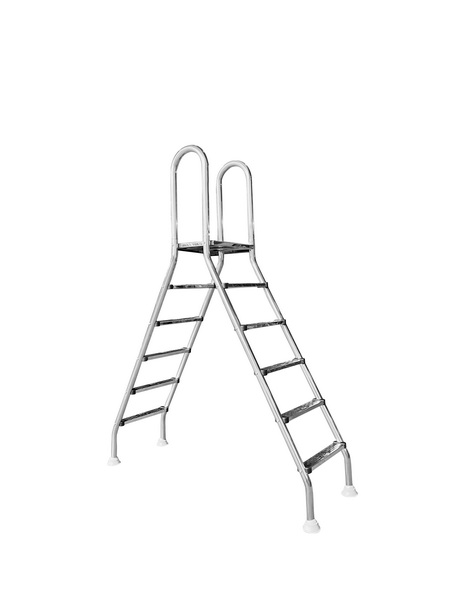
Before starting, make sure you have everything required for assembly:
- Swimming pool ladder kit (check your package for all parts)
- Wrenches or adjustable spanner
- Screwdrivers (usually Phillips-head and flathead)
- Lubricant or anti-seize compound (for bolts/screws)
- Clean cloth and gloves
- Level or measuring tape
Different pool ladders exist for various pool types: in-ground, above-ground, stainless steel, resin, and customized OEM ladders. Most ladders include:
- Ladder rails (side frames)
- Steps (treads)
- Rubber or plastic feet
- Platform (for above ground models)
- Anchoring flanges or brackets
- Fasteners (bolts, screws, washers, nuts)
Carefully unpack your ladder kit. Spread out all parts and hardware, referencing the manual to ensure all pieces are present and free of damage or visible defects.
- Check for:
- Two main side rails/handles
- Required number of steps
- All mounting bolts, nuts, and washers
- Feet/bumpers for stability
- Ladder cap or platform (if included)
- Deck flanges (for in-ground pools)
Pro Tip: If you purchased from a reputable OEM or manufacturer, missing parts are rare, but always verify to prevent assembly delays.
Start by attaching the steps (treads) to the rails. Place the rails parallel to each other and align each tread with the corresponding mounting holes.
1. Insert the bolts through the step and into the rail.
2. Finger-tighten the nuts to keep steps loosely in place.
3. Repeat for all treads, working from bottom to top.
Pro Tips:
- Do not tighten bolts fully until all steps are attached; this allows for adjustments and proper alignment.
- Apply a small amount of lubricant on bolts for smoother assembly and protection against corrosion.
Secure the rubber or plastic feet to the base of each rail. These parts protect the pool floor and ensure a non-slip surface for the ladder's base.
- For some models, feet simply press or snap into place.
- For others, screws or bolts fasten them securely.
Above-ground ladders commonly have a platform or step cap at the top:
- Place the platform between the upper ends of the rails.
- Insert and fasten screws according to manufacturer instructions.
- Ensure the platform is positioned flat and securely affixed.
For in-ground pools, the ladder usually installs into pre-fitted anchor sockets or deck flanges. Above-ground pool ladders may use hooks or secure brackets.
- Clean the installation area of any debris or old sealant.
- Test-fit the ladder to check alignment and spacing.
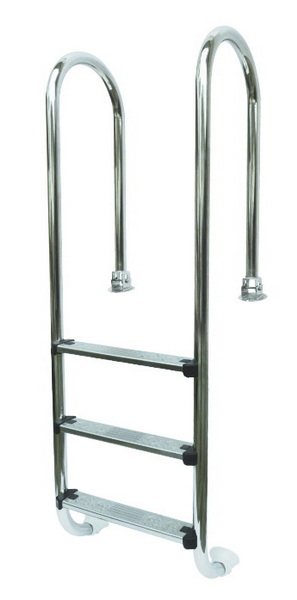
1. Insert ladder rails into anchor sockets.
2. Confirm the rails reach the bottom of the sockets for stability.
3. Use the provided wedge clamps or set screws to lock the rails in place.
4. Double-check that the ladder is vertical—use a level if available.
5. Tighten all clamps or fasteners securely.
- Hook the ladder securely over the pool wall.
- Place and fasten any deck brackets, as per instructions.
- Ensure all anti-slip features and stabilizers are engaged.
- Confirm every step is fully tightened and rigid.
- Check that ladder feet are stable and properly placed on the pool floor or ground.
- Pull and push ladder gently to test for movement.
- Inspect for sharp edges, pinch points, or protruding bolts.
Proper maintenance extends the life of your swimming pool ladder:
- Rinse ladder with fresh water after each pool cleaning.
- Inspect and tighten fasteners monthly.
- Apply anti-seize compound on steel parts to prevent rust.
- Clean treads with non-abrasive cleaner to prevent slippery buildup.
- Parts Don't Align: Loosely assemble all parts before final tightening; small adjustments can help.
- Wobbly Ladder: Ensure platform and feet are properly positioned; verify bolts are sufficiently tight.
- Missing Hardware: Contact your supplier or manufacturer. Leading OEMs, like our factory, typically offer fast shipping for replacement parts.
Working with a trusted OEM manufacturer like us offers distinct advantages:
- Custom-tailored ladders for unique pool designs
- Premium corrosion-resistant stainless steel or reinforced resin
- Rigorous quality control
- Comprehensive after-sales support and maintenance advice
- Competitive pricing for large orders and distributors
Alongside ladders, consider upgrading to modern pool filtration systems (such as sand filters, DE filters, and advanced pumps), efficient water pumps, LED lighting, and safety accessories. As full-solution providers, our factory supplies and OEMs all major components needed to create the ideal pool environment for homes, hotels, and commercial waterparks.
Properly assembling and installing your swimming pool ladder is fundamental for safety and enjoyment. When you follow each step, use quality tools, and source equipment from reputable OEM manufacturers, you ensure reliable performance for years. For bulk orders, custom requirements, or integration with new filtration solutions, always consult the specialists. Safe swimming starts with secure access—invest wisely in your pool's safety today!
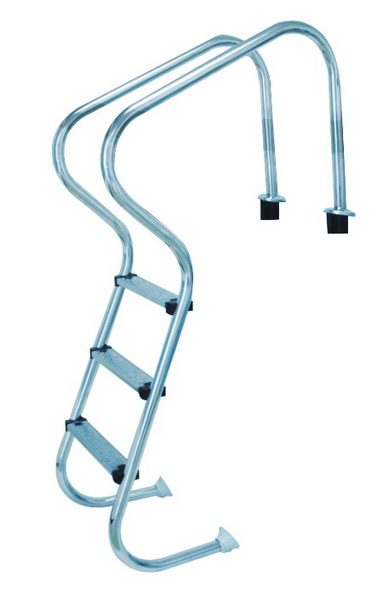
Yes, most homeowners can assemble and install standard pool ladders using basic hand tools. For commercial or custom installations, involving a professional is recommended for optimal safety and longevity.
A safe pool ladder will be firmly anchored, have tight fasteners, anti-slip steps, and no sharp edges or defects. Routine checks and periodic maintenance are advised.
Stainless steel is popular for its strength and corrosion resistance. Resin and plastic ladders are also common for above-ground pools due to their lightweight and affordability.
Experienced installers can typically assemble and install a pool ladder in 30-60 minutes. First-time DIY installs may take a bit longer.
Yes. Reputable manufacturers (like our factory) always supply clear instructions and diagrams to assist with assembly, and offer ongoing support for buyers and distributors.


