
Views: 222 Author: Poolking Filter Equipment Publish Time: 2026-06-24 Origin: Site


Content Menu
● How to Vacuum Your Above‑Ground Pool Step by Step (Expert Guide)
● What You Need Before You Start Vacuuming
>> Essential Pool Vacuum Equipment
>> Check Your Pump and Filter First
● Step‑by‑Step Manual Vacuuming for Above‑Ground Pools
>> Step 1 – Assemble Your Manual Vacuum
>> Step 2 – Fill the Hose and Remove All Air
>> Step 3 – Connect to the Skimmer or Vacuum Port
>> Step 4 – Vacuum the Pool Floor (Correct Technique)
>> Step 5 – Finish Up and Reset Your System
● Using Robotic and Suction‑Side Cleaners in Above‑Ground Pools
>> Pros and Cons from Real‑World Use
>> Setup Tips to Avoid Common Problems
● Choosing the Right Filter Setting While Vacuuming
>> Filter vs Waste – When to Use Each
>> Protecting Your Sand or Cartridge Filter
● Expert Tips to Keep Your Above‑Ground Pool Cleaner, Longer
>> Maintenance Habits from Commercial Pools
>> Water Chemistry and Vacuuming Frequency
● When to Upgrade Your Pool Filtration for Easier Vacuuming
>> Signs Your Filter System Is Undersized
>> How a Better Filter and Pump Improve Cleaning
● Take the Next Step: Partner with a Professional Filtration Manufacturer
● FAQs
Keeping an above‑ground pool truly clean is not just about looks; it is about water health, equipment life, and an easier swimming season. Drawing on more than 20 years of manufacturing experience with commercial sand filters, cartridge filters, and complete filtration systems, this guide walks you through a practical, step‑by‑step process to vacuum your above‑ground pool the way professionals do. [poolking]
Most pool owners learn to vacuum by trial and error, which often leads to cloudy water, wasted chemicals, and overworked pumps. As a filtration equipment manufacturer serving commercial and residential pools worldwide, we see the same issues again and again: poor vacuum technique, wrong filter settings, and neglected equipment. In this guide, you will learn a simple, repeatable routine that protects your pool liner, keeps your filter efficient, and saves you time over the whole season. [hayward]
Before you put any vacuum head in the water, make sure you have the right tools and that your filtration system is ready. [blog.royalswimmingpools]
For a typical above‑ground pool, you will use one of three cleaner types. [fluidra]
- Manual vacuum: Vacuum head, telescopic pole, vacuum hose, and (optionally) a skimmer vacuum plate. [swimmingpool]
- Suction‑side cleaner: Automatic cleaner connected to your skimmer or dedicated suction port, powered by your pool pump. [hayward]
- Robotic cleaner: Plug‑in electric cleaner with its own pump and filter, independent from the pool system. [fluidra]
From our field experience with sand and cartridge filters, manual vacuums give you the most control on heavily used commercial pools, while robotic cleaners reduce daily labor on residential and hospitality pools. [poolking.en.made-in-china]
Your pump and filter do most of the real cleaning work; the vacuum only moves debris to them. Before each vacuum session: [swimmingpool]
- Make sure the pump is primed (no large air bubbles in the pump lid). [hayward]
- Confirm the filter pressure is at its normal operating range. If it is already 8–10 psi above normal, backwash or clean the filter first. [fluidra]
- Set the multiport valve correctly: "Filter" for light debris, "Waste" for heavy, dirty cleanups where you do not want debris returning to the pool. [swimmingpool]
As manufacturers, we see premature sand filter wear most often in systems that are run at high pressure for too long, or with dirty cartridges that never get properly rinsed. [poolking]
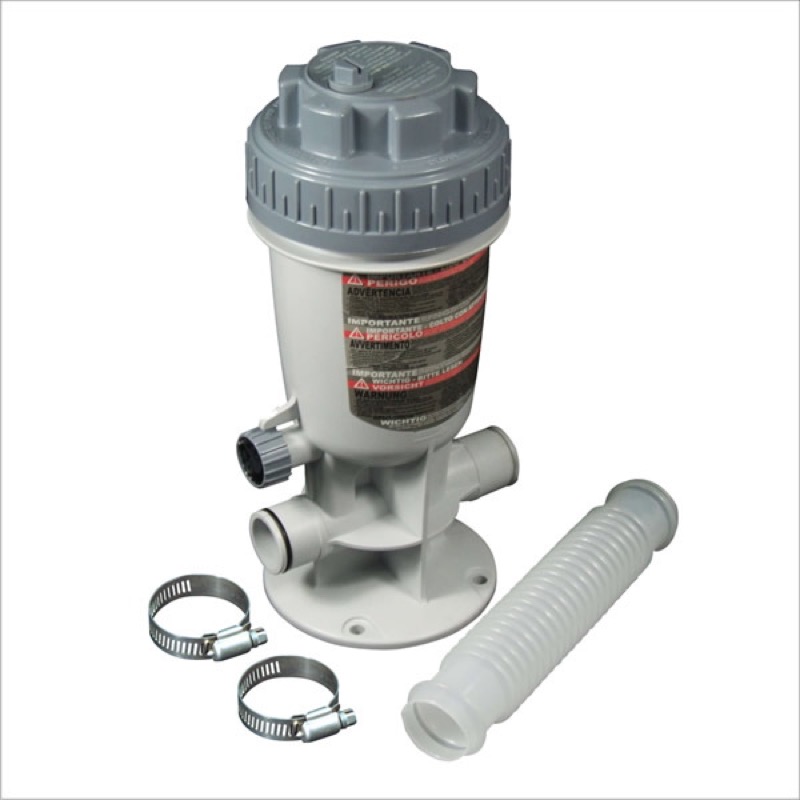
Manual vacuuming is still the gold‑standard for a precise, deep clean, especially along walls, ladders, and corners. [blog.royalswimmingpools]
1. Attach the vacuum head securely to your telescopic pole. [blog.royalswimmingpools]
2. Connect one end of the vacuum hose to the vacuum head. [hayward]
3. Check that the hose and head connections are tight to prevent air leaks that can kill suction. [blog.royalswimmingpools]
Factory tests on our own vacuum‑ready sand filter systems show even small air leaks can reduce effective suction and cleaning coverage dramatically. [poolking.en.made-in-china]
Air pockets in the hose are one of the most common beginner mistakes. To prime the hose: [swimmingpool]
- Slowly lower the vacuum head into the pool with the hose attached. [blog.royalswimmingpools]
- Hold the free end of the hose over a strong return jet until you no longer see bubbles coming from the vacuum head. [hayward]
- Once the hose is completely filled with water, keep the end submerged or covered so air cannot re‑enter. [hayward]
On service routes, technicians do this automatically; skipping it almost always leads to "Why did my vacuum lose suction?" calls. [swimmingpool]
Next, you connect the hose to your filtration system. [blog.royalswimmingpools]
- If using a skimmer vacuum plate, attach it to the water‑filled hose end, keep it underwater, then seat it firmly over the skimmer basket. [swimmingpool]
- If you do not use a plate, remove the skimmer basket and insert the hose directly into the suction line opening, maintaining a tight fit. [swimmingpool]
- Confirm strong suction at the vacuum head by lightly placing your hand under it; you should feel it "grab". [hayward]
From an equipment‑protection standpoint, skimmer plates reduce hard debris entering the plumbing and are a smart choice when you routinely vacuum leaves or sand. [poolking]
Professionals use a slow, systematic pattern to avoid stirring up debris. [blog.royalswimmingpools]
- Start in the shallow end and work toward the deep end. [blog.royalswimmingpools]
- Use slow, straight, overlapping passes—similar to vacuuming a carpet. [hayward]
- Keep the vacuum head flat on the liner to avoid losing prime. [hayward]
- Watch the filter's pressure gauge; if it rises about 10 psi over normal, stop, backwash or clean the filter, then continue. [fluidra]
Pool owners often move too quickly or swing the pole side to side, which lifts dirt into suspension and leaves the pool cloudy. Our commercial clients train staff to move slowly even if it feels less efficient; it actually shortens the total cleaning time over the week. [poolking.en.made-in-china]
After you finish vacuuming:
- Turn off the pump and remove the hose and vacuum head. [fluidra]
- Empty the pump strainer basket and skimmer basket. [swimmingpool]
- If you vacuumed to "Waste", reset the valve to "Filter", refill the pool to mid‑skimmer level, and then backwash if needed. [fluidra]
- Test and balance your water chemistry (pH, sanitizer, and alkalinity) since you have added new water or stirred up debris. [swimmingpool]
In our experience, this is also the best moment to visually inspect your equipment for cracks, leaks at unions, or cloudy filter lids that may indicate internal issues. [poolking]
Many above‑ground pool owners love the convenience of automatic cleaners, but the setup and expectations must be clear. [walmart]
Based on customer feedback and industry experience: [troublefreepool]
- Suction‑side cleaners
- Pros: Relatively affordable, easy to hook to your skimmer, can run daily. [facebook]
- Cons: Performance depends heavily on your pump and filter; some users report cleaners staying in one area or struggling in irregular‑shaped pools. [walmart]
- Robotic cleaners
- Pros: Independent filtration, strong debris pickup, programmable cycles, reduced load on the main filter system. [fluidra]
- Cons: Higher upfront cost and need for careful cord handling and storage. [walmart]
User comments consistently show high satisfaction when cleaners are sized correctly to the pool and when owners still perform manual touch‑ups along steps, ladders, and tight corners. [troublefreepool]
For better results with automatic cleaners in above‑ground pools: [facebook]
- Make sure the filter and pump are clean and operating at proper pressure before starting.
- Use the manufacturer‑recommended hose length; too long can cause tangling, too short reduces coverage.
- Check wheels, treads, or skirts regularly for wear and trapped debris.
- Rinse and dry the cleaner after use, and store it out of direct sun to extend its service life.
As a filtration manufacturer, we advise commercial users to treat robots and suction cleaners as supplements, not replacements, to a smart vacuuming routine and strong filtration design. [poolking.en.made-in-china]
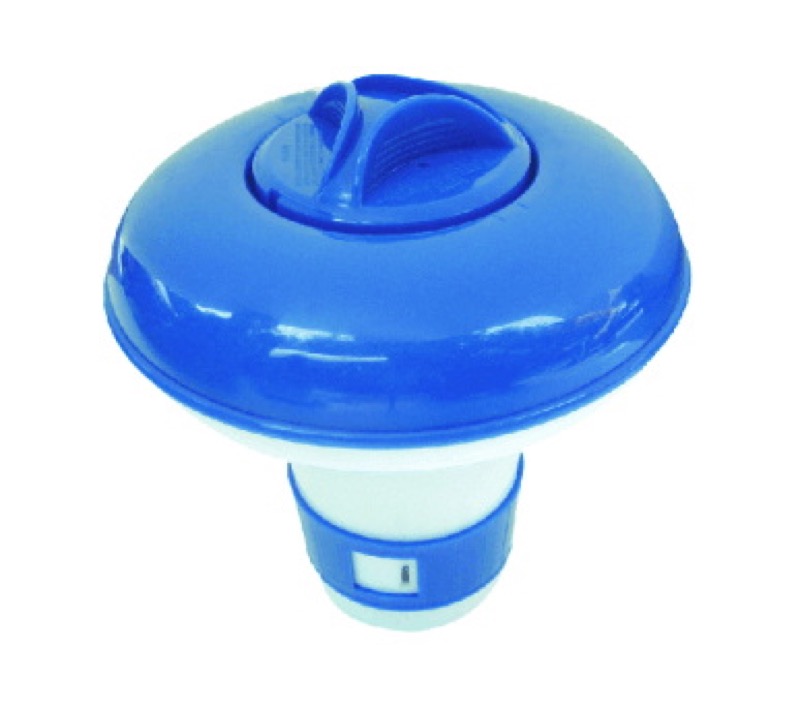
Many above‑ground owners are unsure when to vacuum on "Filter" versus "Waste", and this choice has major effects on clarity and water usage. [facebook]
| Situation in your pool | Recommended setting | Why it works best |
|---|---|---|
| Light daily dirt, fine dust, a few leaves | Filter | Debris is captured in the filter and clean water returns to the pool. |
| After storms, heavy algae, or visible piles of debris | Waste | Dirty water bypasses the filter and is drained away, preventing re‑circulation. |
| Opening a very dirty pool after winter or long neglect | Waste, then Filter | Quickly removes heavy contamination, then polishing with standard filtration. |
Testing on large commercial sand filter systems shows that handling severe contamination on "Waste" first dramatically reduces the risk of filter channeling and shortens recovery time to crystal‑clear water. [poolking]
Regardless of setting, you should build habits that protect your filtration investment. [fluidra]
- Backwash sand and DE filters when pressure rises 8–10 psi over clean pressure. [fluidra]
- Rinse cartridges thoroughly with a hose and periodically use a dedicated cleaner to remove oils. [fluidra]
- Never run the pump with valves closed or with the skimmer starved of water, as this can damage pump seals and over‑stress the filter tank. [swimmingpool]
Manufacturers design fiberglass and plastic filter tanks with specific pressure ratings; operating continuously beyond those limits shortens service life and can void warranties. [poolking.en.made-in-china]
Vacuuming is only one part of a professional‑level maintenance routine. [blog.royalswimmingpools]
From our commercial projects, these simple habits have the biggest impact on how often deep vacuuming is required. [poolking]
- Skim and empty baskets daily to keep large debris from sinking to the floor. [hayward]
- Brush walls and floor weekly, then vacuum to remove loosened film and algae spores. [hayward]
- Check and log filter pressure so you know your "normal" value and can respond quickly when it rises. [fluidra]
- Cover the pool when not in use, especially near trees or dusty areas. [blog.royalswimmingpools]
These steps mirror what we specify for hospitality and aquatic‑center clients using our commercial sand filter systems, because they significantly reduce emergency call‑outs and chemical use. [poolking.en.made-in-china]
Balanced chemistry multiplies the effect of good vacuuming. [swimmingpool]
- Keep sanitizer (chlorine or equivalent), pH, and alkalinity in the recommended ranges for your system. [hayward]
- Shock the pool after heavy use, storms, or visible contamination, then vacuum to remove dead algae and debris. [swimmingpool]
- Plan a regular vacuum routine—often once a week in normal use, more often for high‑bather‑load or commercial‑like conditions. [blog.royalswimmingpools]
In facilities using our larger filtration systems, a consistent weekly schedule is more effective than infrequent "emergency" cleans where filters, pumps, and chemicals are pushed to the limit. [poolking]
If you find yourself vacuuming constantly and still fighting cloudy water, your issue may not be technique—it may be your filtration capacity. [poolking.en.made-in-china]
Pool owners often report these symptoms when their filter or pump is not matched to the pool: [fluidra]
- Pressure rises quickly after brief vacuuming, even after thorough backwashing or cartridge cleaning.
- Dead spots where debris always settles, despite good vacuum patterns.
- Persistent haze or cloudiness, even with balanced water and regular vacuuming.
- Frequent need to run the pump much longer than recommended just to maintain clarity.
From a manufacturer's standpoint, we see these patterns in systems that use small residential filters on pools that receive commercial‑level usage, such as rental properties or busy family pools. [poolking]
An upgraded filtration package—properly sized sand filter, cartridge filter, or fiberglass filter tank paired with the right pump—will: [poolking.en.made-in-china]
- Increase turnover rate so the entire pool volume passes through the filter several times per day.
- Maintain stronger, more stable suction for manual and automatic vacuums.
- Capture finer debris, reducing how often you see "dust" on the floor.
- Shorten recovery time after storms or high bather loads.
Manufacturers like us design commercial‑grade filters and pumps specifically to deliver this kind of stable performance in hotels, water parks, and public pools—and scaled versions of the same technology can greatly benefit demanding above‑ground pools. [poolking]
If vacuuming your above‑ground pool still feels like a constant battle, the fastest path to clearer water is usually a smarter filtration setup, not just more effort. By working with a dedicated pool filtration manufacturer, you can match your pool volume, usage pattern, and preferred cleaner type with a complete solution—from sand filters and cartridge filters to pumps, LED lights, and fittings. [poolking.en.made-in-china]
Our engineering and service teams regularly help customers upgrade from undersized residential systems to robust sand or fiberglass filters with optimized hydraulics, making each vacuum session shorter and more effective. If you are ready to reduce maintenance time and enjoy consistently clearer water, reach out to an experienced pool equipment manufacturer for a tailored system recommendation. [poolking]
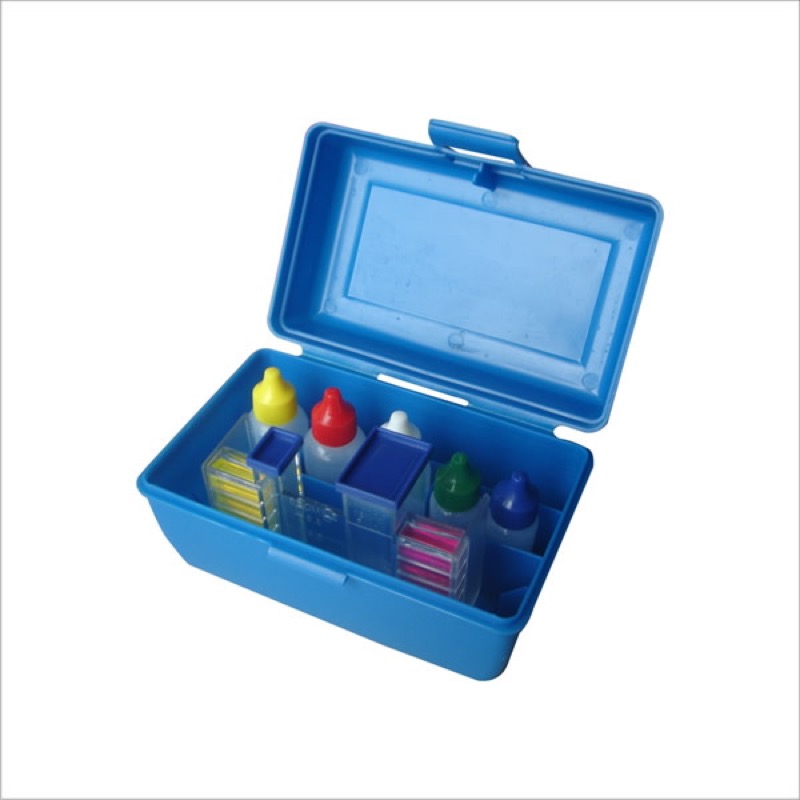
Q1: How often should I vacuum my above‑ground pool?
Most pools do well with a thorough vacuum once a week, but high‑use or heavily landscaped environments may require vacuuming two to three times per week. [blog.royalswimmingpools]
Q2: Is it better to vacuum on Filter or Waste?
Use "Filter" for routine light debris and "Waste" when you are dealing with heavy dirt, dead algae, or opening a very dirty pool, to avoid clogging and re‑circulating debris. [facebook]
Q3: Why does my vacuum lose suction after a few minutes?
Common causes include a dirty filter, air leaks in the hose or connections, a clogged pump basket, or a multiport valve set to the wrong position for vacuuming. [hayward]
Q4: Do I still need to manually vacuum if I have a robotic cleaner?
Robotic cleaners handle most daily dirt very well, but manual vacuuming is still useful for steps, ladders, tight corners, and occasional deep cleans after storms or heavy usage. [facebook]
Q5: When should I consider upgrading my pool filter?
If your water remains cloudy despite balanced chemistry and regular vacuuming, and if your filter pressure rises quickly even after cleaning, it is a strong sign your filter is undersized or aging. [poolking.en.made-in-china]
1. Hayward. “How to Vacuum Your Above‑Ground Pool.” https://www.hayward.com/blog/post/how-to-vacuum-your-above-ground-pool
2. SwimmingPool.com. “How to Vacuum a Swimming Pool.” https://www.swimmingpool.com/maintenance/vacuum-a-pool/
3. Royal Swimming Pools. “How To Vacuum An Above Ground Pool: Step‑by‑Step Guide.” https://blog.royalswimmingpools.com/how-to-vacuum-an-above-ground-pool
4. Fluidra Commercial Solutions. “Using a pool vacuum to clean your pool: Top tips and step‑by‑step guide.” https://www.fluidra.com/commercial-solutions/inspiration/blog/using-a-pool-vacuum/
5. User reviews and discussions on Hayward and automatic cleaners. Walmart product reviews; TroubleFreePool forums; Facebook pool owner groups.
6. Guangdong Poolking Filtration Equipment Manufacturing Co., Ltd. “Swimming Pool Sand Filters Suppliers & Manufacturers” and related product pages. https://www.poolking.co/pool-sand-filter.html
7. Top 10 Pool Filter Manufacturers in China. https://www.poolkingfilter.com/top-10-pool-filter-manufacturers-in-china.html


